Kinloch Castle, Scotland Travel Guide
Explore Kinloch Castle, a grand Edwardian mansion on the Isle of Rum, showcasing aristocratic luxury and pioneering technology amid wild Scottish landscapes.
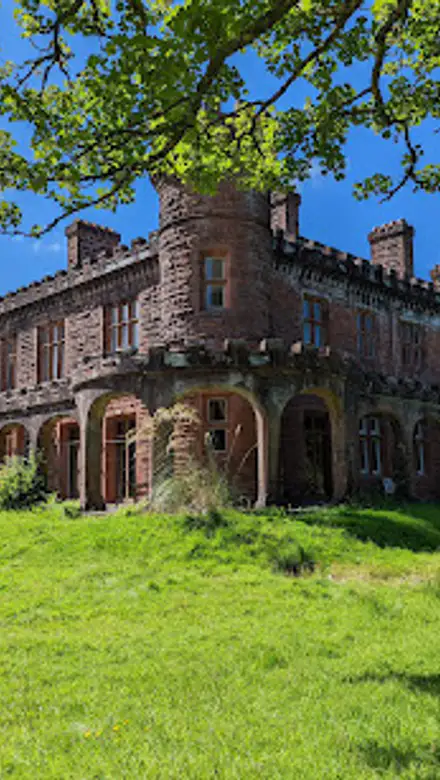
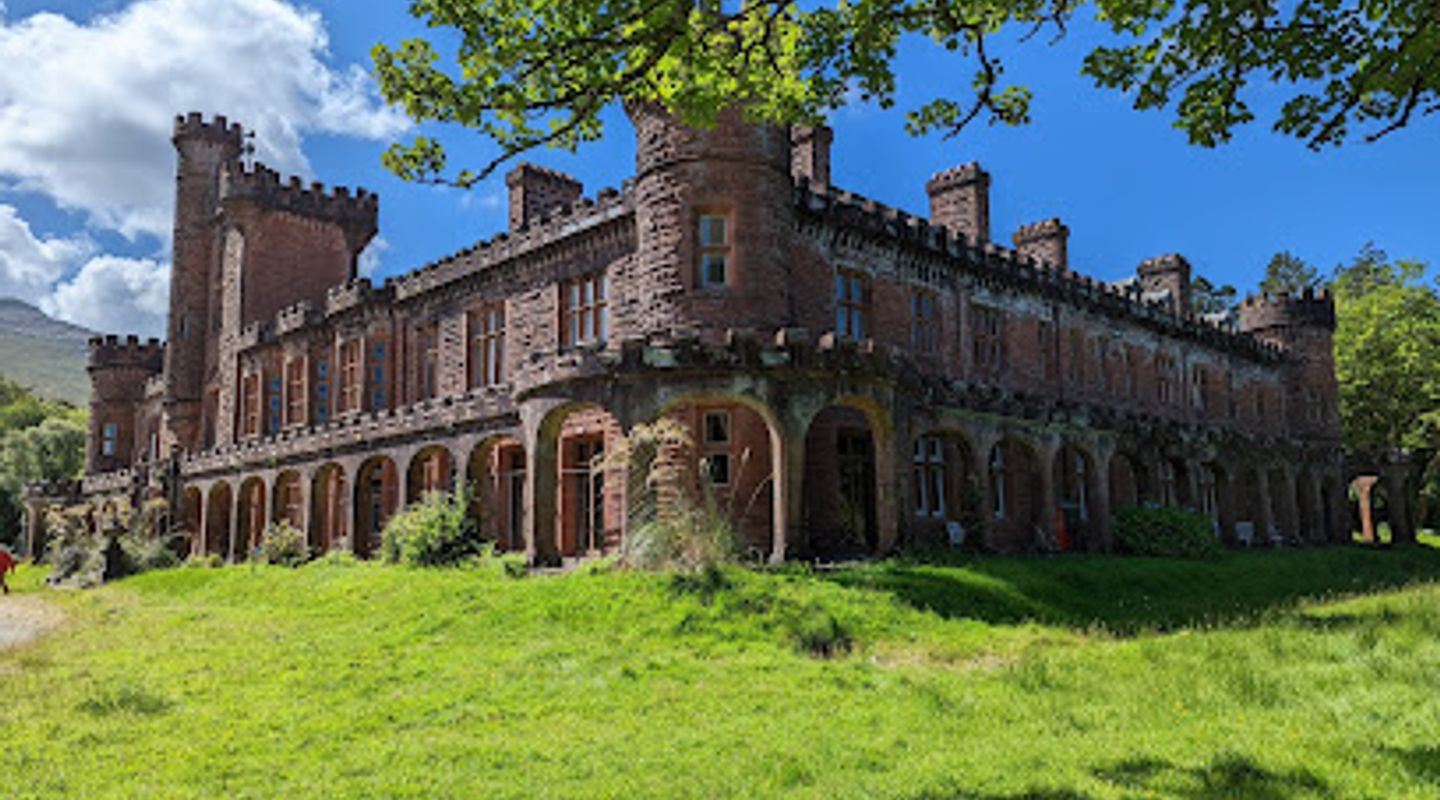
Kinloch Castle, built between 1897 and 1900 on the Isle of Rum, is a grand Edwardian mansion originally commissioned by Sir George Bullough as a luxurious hunting lodge. Renowned for its lavish design, early adoption of electricity from a hydro-electric scheme, and exotic gardens, the castle stands as a remarkable testament to aristocratic opulence amid the wild Scottish landscape. Now undergoing restoration, it offers a captivating glimpse into a bygone era of wealth and indulgence.
A brief summary to Kinloch Castle
- 1 Kinloch Cottages, Isle Of Rum, PH43 4RR, GB
- Click to display
- Duration: 1 to 3 hours
- Mid ranged
-
 Outdoor
- Mobile reception: 3 out of 5

Know before you go
Hi, I'm Eve. Here are a few practical things to know before exploring Kinloch Castle.
- Wear sturdy footwear as the castle is set in rugged terrain with uneven paths around the grounds.
- Visit during daylight hours to fully appreciate the castle’s architectural details and surrounding scenic views.
- Combine your visit with exploring the Isle of Rum’s natural beauty and wildlife for a full island experience.
- Check local schedules or contact the Kinloch Castle Friends Association for information on guided tours or restoration updates.
Do you manage this location?
Take control to get all the benefits, like improved information, better appearance, and stronger visibility across AI-powered discovery. Learn more about listing your business on Evendo
Activate your presenceOther nearby places you may find interesting
The closest places of the same kind, if this one is not quite what you had in mind.

Explore Kinloch Castle on the Map
A handpicked selection of must-see spots near Kinloch Castle, mapped for you.
Getting There
-
Ferry and Walking
Take the ferry from Mallaig to the Isle of Rum, a journey of about 1.5 hours. From the Kinloch pier, it is a 20 to 30-minute walk over uneven terrain to reach Kinloch Castle. The walk requires good footwear and moderate fitness.
-
Boat Charter
Private boat charters from nearby islands or the mainland can be arranged, offering flexible travel times. Travel duration varies but typically ranges from 1 to 2 hours depending on departure point. Access to the castle still requires walking on rough paths.
-
Helicopter Transfer
Helicopter transfers to the Isle of Rum are available seasonally from the mainland, with flight times around 20 minutes. Helicopter landing is near Kinloch village, with a short walk to the castle. This option is weather-dependent and costly, generally exceeding £200 per person.
For the on-the-go comforts that matter to you
-
 Information Boards
-
 Seating Areas
-
 Restrooms
Discover more about Kinloch Castle
Origins and Architectural Grandeur
Kinloch Castle was commissioned in 1897 by Sir George Bullough, a wealthy textile magnate from Lancashire, as a grand hunting lodge on the remote Isle of Rum. Construction took three years, concluding in 1900, employing around 300 craftsmen from Lancashire and the nearby Isle of Eigg. Built in a castellated Tudor style from red sandstone imported from the Isle of Arran, the castle was designed as a lavish retreat rather than a permanent residence. It featured cutting-edge technology for its time, including electricity powered by a hydro-electric scheme, modern plumbing, heating, and an internal telephone system—making it one of Scotland’s first private homes with such innovations.Lavish Interiors and Unique Features
The interior of Kinloch Castle was richly furnished and equipped with remarkable features such as a German-made mechanical orchestrion that provided music in the main hall. The castle’s design included masculine billiard and smoking rooms with air conditioning to clear smoke, alongside elegant feminine quarters added after Sir George’s marriage in 1903. Exotic touches extended to the gardens, where a palm house once housed hummingbirds, turtles, and even small alligators, reflecting the Bulloughs’ penchant for extravagance. The extensive gardens were created with 250,000 tons of imported topsoil and included a walled garden, greenhouses, a water garden, Japanese garden, bowling green, and golf course.Historical Context and Decline
The Isle of Rum itself has a layered history, from its 19th-century kelp industry and sheep farming to its transformation into a private shooting estate under the Bullough family. Despite the castle’s grandeur, its heyday was brief. The impact of World War I and the death of Sir George Bullough in 1939 led to a decline in the castle’s use and upkeep. After decades of neglect, the castle and island are now owned by NatureScot, with the Kinloch Castle Friends Association working to secure its long-term future. The castle remains a protected category A listed building and its grounds are recognized for their historic gardens.The Castle’s Place in the Landscape
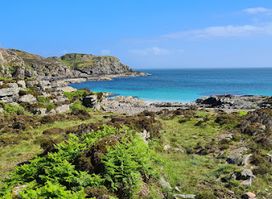
Situated on the eastern coast of Rum at Kinloch, the castle commands dramatic views over the island’s rugged terrain and surrounding sea. Its isolated location enhances its aura of mystery and grandeur, standing as a stark contrast to the wild, natural environment. The castle’s scale and style make it an iconic landmark on Rum, embodying the story of aristocratic leisure and ambition set against the backdrop of the Scottish Hebrides.Current Status and Visitor Experience
Kinloch Castle is currently undergoing restoration efforts to preserve its unique heritage. While it no longer operates as a hostel, it remains a significant cultural and historical site. Visitors to Rum can explore the castle’s exterior and grounds, appreciating its architectural details and the remarkable story of the Bullough family’s influence on the island. The castle’s atmosphere evokes a sense of stepping back in time to an era of opulence and eccentricity in one of Scotland’s most remote locations.Legacy and Cultural Significance
Kinloch Castle stands as a monument to Edwardian wealth and the social history of the Small Isles. Its preservation highlights the complexities of Scotland’s island heritage, from clearance and agricultural shifts to aristocratic escapism. The castle’s story intertwines with broader themes of industrial success, colonial-era leisure, and the transformation of rural landscapes, making it a compelling destination for history enthusiasts and cultural explorers alike.












Your all‑in‑one travel companion app
Explore expert travel guides, compare and book tours, experiences, hotels, and more—all from the palm of your hand. Download now for seamless trip planning wherever your wanderlust takes you.


Explore More of Scotland
Looking beyond Kinloch Castle? Discover Scotland for broader travel guides, local hot-spots, and regional highlights.
Explore Scotland