The Star Pyramid, Scotland Travel Guide
A rare sandstone pyramid memorial honoring Scotland’s martyrs of civil and religious liberty, set beneath Stirling Castle’s historic shadow.
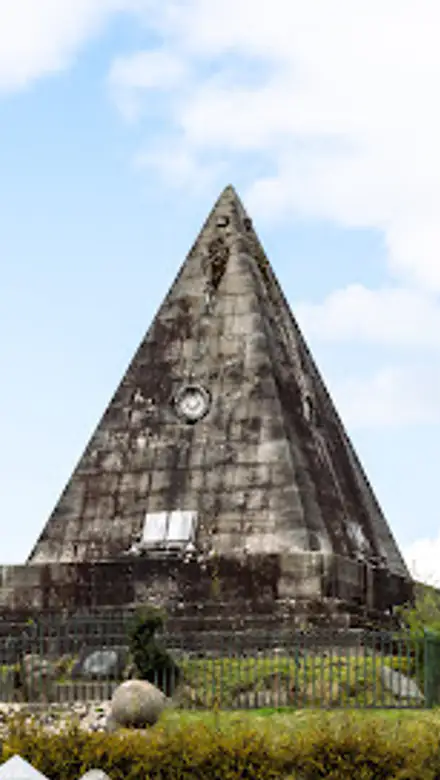
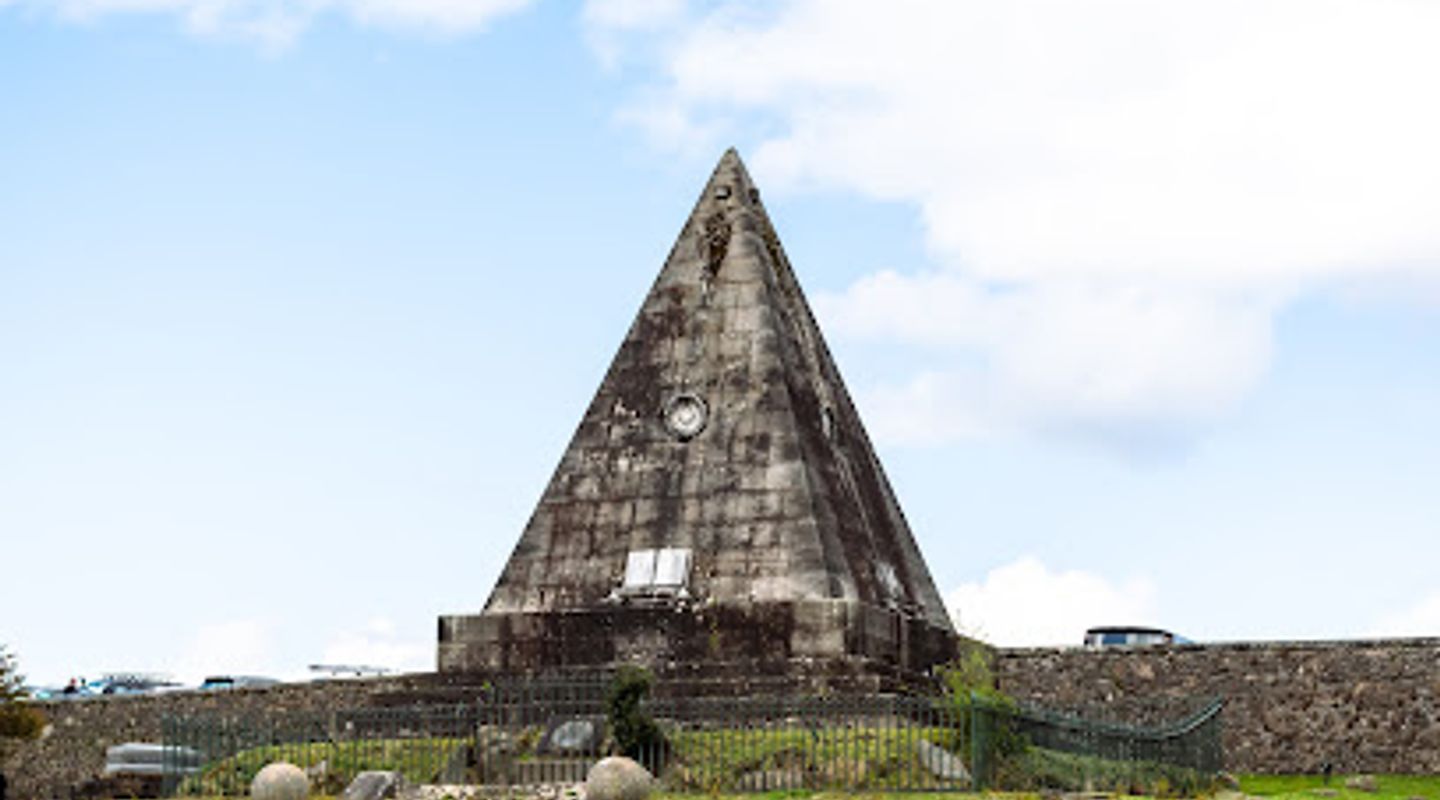
The Star Pyramid, also known as Salem Rock, is a striking sandstone pyramid monument built in 1863 by William Drummond. Located in the Old Town Cemetery near Stirling Castle, it commemorates those who suffered martyrdom for Scottish civil and religious liberty. The pyramid stands on a stepped base surrounded by wrought iron railings, featuring marble Bibles at each face and inscriptions referencing key Presbyterian texts.
A brief summary to The Star Pyramid
- Valley Lane Cemetery Rd, Stirling, GB
- Click to display
- Duration: 0.5 to 1 hours
- Free
-
 Outdoor
- Mobile reception: 4 out of 5

Know before you go
Hi, I'm Eve. Here are a few practical things to know before exploring The Star Pyramid.
- Take time to read the inscriptions on the marble Bibles at each face of the pyramid to appreciate the religious texts commemorated.
- Explore the surrounding Drummond Pleasure Ground to enjoy the landscaped gardens and peaceful atmosphere.
- Visit nearby Stirling Castle and the Church of the Holy Rude to deepen your understanding of the area's historical context.
- Wear comfortable shoes as the cemetery grounds include gentle slopes and stone steps.
Do you manage this location?
Take control to get all the benefits, like improved information, better appearance, and stronger visibility across AI-powered discovery. Learn more about listing your business on Evendo
Activate your presenceOther nearby places you may find interesting
The closest places of the same kind, if this one is not quite what you had in mind.


Explore The Star Pyramid on the Map
A handpicked selection of must-see spots near The Star Pyramid, mapped for you.
Unlock the Best of The Star Pyramid
Buy tickets
-
No tickets available
Book tours with entry
-
No tours available
Book tours without entry

Getting There
-
Bus
Take the local bus service from Stirling city center to the stop nearest Stirling Castle; the Old Town Cemetery and Star Pyramid are a 10-15 minute walk downhill from there. Bus fares range from £1.50 to £3.00, with frequent services throughout the day.
-
Walking
From Stirling city center, a 20-30 minute walk downhill leads to the Old Town Cemetery. The terrain includes paved paths and gentle slopes, suitable for most fitness levels but with some stone steps near the pyramid.
-
Taxi
Local taxis can reach the Old Town Cemetery directly from Stirling city center in about 5-10 minutes, depending on traffic. Typical fares range from £5 to £10.
For the on-the-go comforts that matter to you
-
 Seating Areas
-
 Information Boards
-
 Trash Bins
Discover more about The Star Pyramid
A Unique Tribute in Scottish History
The Star Pyramid, erected in 1863 by William Drummond, is an extraordinary monument rarely seen in Scottish or British cemeteries. It stands prominently within the Old Town Cemetery, nestled below Stirling Castle, symbolizing the endurance and stability of the Presbyterian faith. The pyramid commemorates martyrs who sacrificed their lives for civil and religious liberty in Scotland, making it a poignant historical landmark.Design and Symbolism
Crafted from sandstone ashlar, the pyramid rests on a stone-stepped base atop a shaped grassy mound. Each of its four faces is adorned with white marble Bibles, each opened to different Biblical passages, underscoring the monument’s deep religious significance. The pyramid is enclosed by wrought iron railings, with stone steps flanked by two stone globes that once supported bronze eagles. Inside, a Bible and the Confession of Faith were sealed in a chamber, further emphasizing its spiritual purpose.William Drummond’s Vision and Legacy
William Drummond, a land surveyor, nurseryman, and devout evangelist, was instrumental in establishing the Valley Cemetery and commissioning the Star Pyramid. His family was influential locally and nationally, known for their religious publications and philanthropic efforts. Drummond also created the surrounding Drummond Pleasure Ground, planting trees and landscaping the area as a public garden to complement the monument.The Old Town Cemetery Context
The Star Pyramid is part of the Old Town Cemetery, which lies between Stirling Castle and the Church of the Holy Rude. The cemetery itself was designed in the mid-19th century as a gardenesque space, combining burial grounds with ornamental landscaping, statues, and walking paths. The cemetery and the pyramid together offer a reflective environment rich in history and Victorian-era aesthetics.Historical and Cultural Significance
The pyramid’s inscriptions and emblems reflect key moments in the Scottish Reformation and the development of Presbyterian churches. It stands as a testament to the struggles for religious freedom and civil rights in Scotland. The monument’s rarity and symbolic power make it a unique cultural heritage site, drawing visitors interested in Scottish history, religion, and memorial art.Visitor Experience and Atmosphere
Visitors to the Star Pyramid find themselves in a tranquil setting, surrounded by carefully maintained grounds and views of Stirling’s historic landscape. The monument’s unusual form and rich symbolism invite contemplation, while the nearby graves and statues tell stories of the city’s past residents. The area’s peaceful ambience and scenic backdrop enhance the experience of this remarkable tribute.












Your all‑in‑one travel companion app
Explore expert travel guides, compare and book tours, experiences, hotels, and more—all from the palm of your hand. Download now for seamless trip planning wherever your wanderlust takes you.


Explore More of Scotland

Looking beyond The Star Pyramid? Discover Scotland for broader travel guides, local hot-spots, and regional highlights.
Explore Scotland
Historic 19th-century Gothic church in Callander with Italianate bell tower, rich spiritual roots, and vibrant community legacy.
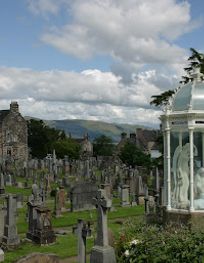
A solemn Victorian monument in Stirling honoring the courage and faith of the Presbyterian Wigtown Martyrs beneath a striking iron and glass canopy.