

Scottish Highlands Travel Guide - Free Web & App
Your ultimate guide to Scottish Highlands. Discover top landmarks, proposed trips, and local tips. Free on the web or via the Evendo companion app.


Scottish Highlands, United Kingdom: explore lochs, mountains, castles and remote glens, with hiking, whisky, wildlife and Highland heritage from Inverness to Skye.
Landscapes and Natural Character
The Scottish Highlands occupy a vast, varied area of northern Scotland, stretching from the Moray Firth and Inverness towards the rugged west coast, the Northwest Highlands and the Inner Hebridean island of Skye, which is often included in Highland itineraries. The landscape is shaped by long sea lochs, freshwater lochs, peatlands, sandy beaches, ancient glens and mountain ranges, from the Cairngorms to the Torridon peaks and the Northwest Highlands. Distances are substantial, and the region rewards travellers who allow time for both celebrated viewpoints and quieter roads through sparsely settled country.Read more about Scottish Highlands
History and Highland Culture
Exploring the Region
When is the best time to visit Scottish Highlands?
Best: June–August · 20–21°C| Month | High (°C) | Rainfall (mm) |
|---|---|---|
| January | 8 | 75 |
| February | 8 | 60 |
| March | 11 | 65 |
| April | 14 | 55 |
| May | 17 | 50 |
| June (best) | 20 | 40 |
| July (best) | 21 | 35 |
| August (best) | 21 | 40 |
| September | 18 | 45 |
| October | 14 | 60 |
| November | 11 | 70 |
| December | 8 | 75 |
Getting to and around Scottish Highlands
How to get there
Transportation
Best attractions in Scottish Highlands
The Highlands' attractions are spread across a landscape too large to experience as one compact circuit. Around Inverness, visitors can combine the battlefield and visitor centre at Culloden with prehistoric Clava Cairns, while Loch Ness runs south-west towards Fort Augustus and the Great Glen. Fort William provides access to Glen Nevis, Lochaber and viewpoints towards Ben Nevis, and nearby Glen Coe combines dramatic mountain scenery with a deeply contested history. In the Cairngorms, Aviemore is a base for forests, lochs and high mountain landscapes, while the west coast offers sea lochs, sandy beaches and routes towards Applecross, Torridon and Ullapool. The North Coast 500 passes through northern landscapes including the Kyle of Tongue, Smoo Cave near Durness and the sea cliffs around Caithness, though it is a touring route rather than a single attraction. Skye adds the Quiraing, the Cuillin, the Old Man of Storr and Neist Point to many visitors' Highland journeys.
-
Castle
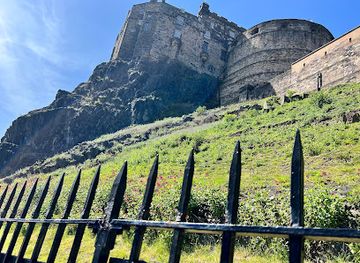
Edinburgh Castle
Explore Edinburgh Castle, a historic fortress with breathtaking views, royal treasures, and centuries of Scottish heritage in the heart of the capital.
-
National museum
National Museum of Scotland
Discover Scotland’s heritage, natural wonders, and innovation at the National Museum of Scotland, a captivating cultural landmark in Edinburgh.
-
Sculpture
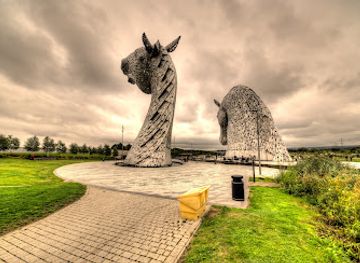
The Kelpies
Giant steel horse heads rising from a vast parkland, blending myth, industry and art in the heart of central Scotland.
-
 Castle
Urquhart Castle
Explore the dramatic ruins of Urquhart Castle overlooking Loch Ness, where a millennium of Scottish history and stunning Highland views await.

Best landmarks in Scottish Highlands
The Highlands are defined first by natural landmarks: Ben Nevis rises above Fort William, the Great Glen links Loch Linnhe with Loch Ness, and the Cuillin gives Skye its sharply serrated mountain skyline. The Torridon mountains, the Cairngorm plateau, Glen Coe, the cliffs of the northern coast and the sea lochs of the west each express a different geological and geographical character. Human landmarks add layers of power and memory, from Urquhart Castle beside Loch Ness and Eilean Donan near the Kyle of Lochalsh to Dunrobin Castle, Inverness Castle and the battlefield landscape at Culloden. Prehistoric Clava Cairns and the northern brochs connect present-day travel with much earlier communities. The Caledonian Canal, linking the lochs through the Great Glen, remains an important engineering landmark and a visible reminder of the region's maritime and transport history.
-
Monument
Commando Memorial
A powerful WWII tribute set amidst stunning Highland vistas, honoring the bravery and sacrifice of British Commandos.
-
Bridge
Forth Bridge
A breathtaking Victorian cantilever railway bridge and UNESCO World Heritage Site symbolizing Scotland’s industrial might and engineering brilliance.
-
Historical landmark
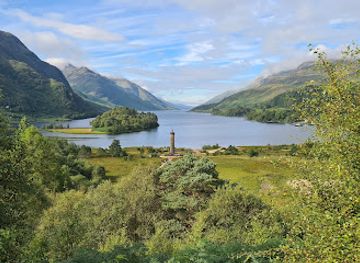
Glenfinnan Monument - National Trust for Scotland
An iconic Highland monument commemorating Jacobite clansmen with breathtaking views over Loch Shiel and historic ties to Bonnie Prince Charlie.
-
Scenic point
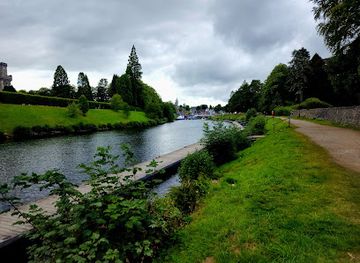
Loch Ness View Point Fort Augustus
Iconic Highland panorama where Loch Ness meets legend at Scotland's most accessible waterside viewpoint.
Explore Scottish Highlands on the map
Plan your trip on one map. See where the top attractions, landmarks, restaurants and hotels are, and book hotels and experiences in a few clicks.
Best hotels in Scottish Highlands
Best restaurants in Scottish Highlands
Dining in the Highlands reflects both land and sea: venison, lamb, beef, salmon, shellfish, game, oats, berries and locally produced cheeses appear on menus across the region, alongside whisky and craft beer. Inverness has the broadest concentration of restaurants, cafés and pubs, while Fort William, Aviemore, Ullapool, Portree, Dornoch and other larger settlements provide varied places to eat. In smaller villages, options may centre on a hotel restaurant, inn, café, bakery or seasonal seafood business, and rural opening patterns can be limited outside the main visitor months. Farm shops and local producers are useful for assembling provisions for self-catering journeys, particularly when travelling through sparsely settled country. Visitors should reserve ahead where possible in popular bases and carry supplies when driving long stretches between communities.
-
Restaurant
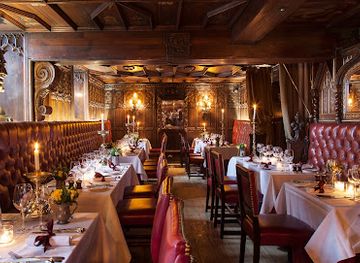
The Witchery by the Castle
A gothic luxury retreat on Edinburgh’s Royal Mile, blending historic charm, sumptuous suites, and enchanting fine dining near Edinburgh Castle.
-
Restaurant
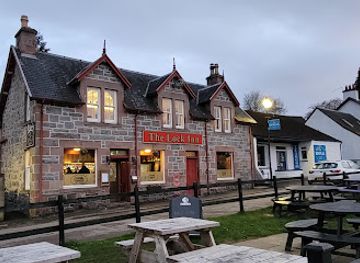
The Lock Inn
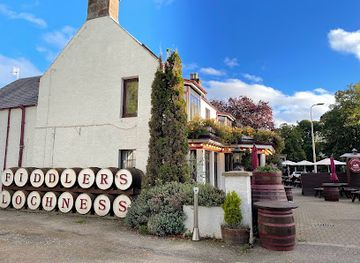
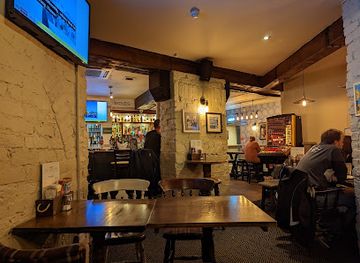
Cozy canalside pub with original features, hearty fare, and scenic views in the heart of Fort Augustus, Scotland.
-
Restaurant
Fiddlers Highland Restaurant
Cozy Highland dining with authentic Scottish flavors and an award-winning whisky selection in the heart of Loch Ness country.
-
Scottish
Brea - Scottish Restaurant
Authentic Scottish cuisine with a modern twist, celebrated for fresh local ingredients and award-winning seafood in the heart of Stirling.
Best bars in Scottish Highlands
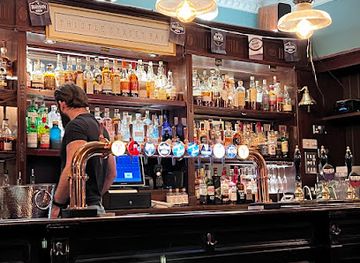
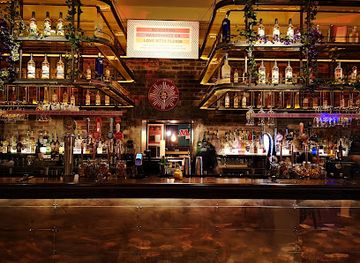
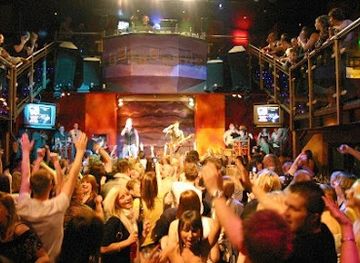
Evening life in the Highlands is generally sociable and low-key rather than centred on nightclubs. Inverness has the widest choice of traditional pubs, hotel bars, contemporary drinking spaces and occasional live music, while Fort William, Aviemore, Ullapool and Portree offer smaller selections shaped by residents, outdoor travellers and seasonal visitors. Village pubs and inns remain important meeting places, sometimes hosting traditional music or local events, although performances and opening arrangements vary. Whisky distilleries and tasting rooms provide a daytime or early-evening cultural experience where available, but should not be treated as late-night venues. In remote glens, coastal villages and on long road itineraries, evening entertainment may mean a pub meal, a quiet drink, an organised cultural event or the dark-sky landscape rather than a developed nightlife scene.
-
Pub
Gellions Bar
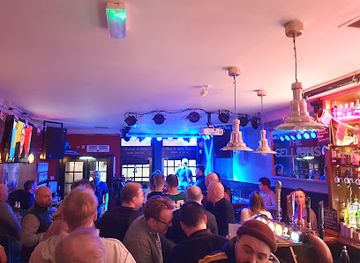
Inverness’s oldest pub, Gellions Bar offers nightly live Scottish music, an extensive drink selection, and a lively, authentic Highland atmosphere.
-
Bar
Inn On The Loch
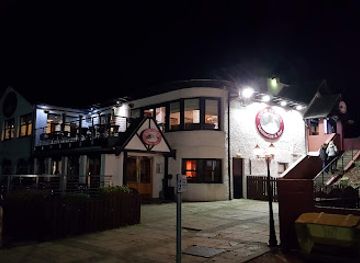
Cozy bar and restaurant with scenic loch views, generous portions, and excellent vegan options in the heart of Lanark.
-
Bar
Thistle Street Bar
A cozy and authentic Scottish bar in Edinburgh’s Old Town, famed for superb ales, live traditional music, and warm local hospitality.
-
Lounge
Revolution Inverness
Experience expertly crafted cocktails and vibrant nightlife at Revolution Inverness, the city’s premier lounge and party venue on Church Street.
Best nightclubs in Scottish Highlands
Evening life in the Highlands is generally sociable and low-key rather than centred on nightclubs. Inverness has the widest choice of traditional pubs, hotel bars, contemporary drinking spaces and occasional live music, while Fort William, Aviemore, Ullapool and Portree offer smaller selections shaped by residents, outdoor travellers and seasonal visitors. Village pubs and inns remain important meeting places, sometimes hosting traditional music or local events, although performances and opening arrangements vary. Whisky distilleries and tasting rooms provide a daytime or early-evening cultural experience where available, but should not be treated as late-night venues. In remote glens, coastal villages and on long road itineraries, evening entertainment may mean a pub meal, a quiet drink, an organised cultural event or the dark-sky landscape rather than a developed nightlife scene.
-
Nightclub
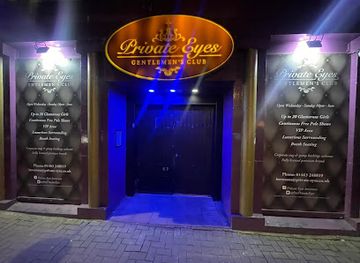
Private Eyes Inverness
Experience Inverness nightlife at Private Eyes, where vibrant music, stylish decor, and lively crowds create unforgettable late-night energy.
-
Nightclub
Roobarb
Experience Fort William’s vibrant nightlife at Roobarb, a lively nightclub known for great music and a welcoming atmosphere on weekend nights.
-
Nightclub
The Vault
Experience Aviemore’s lively nightlife at The Vault, a vibrant nightclub blending Highland charm with pulsating music and dance.
-
Nightclub
Skinandi's Nightclub
Experience the vibrant nightlife at Skinandi's, the northernmost nightclub on Scotland’s mainland with two bars and two dance floors.

Best shops in Scottish Highlands
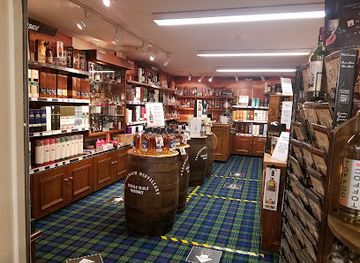
Shopping in the Highlands is concentrated in Inverness and larger gateway towns rather than in remote landscapes. Visitors can find Scottish textiles, knitwear, wool products, outdoor clothing, books, artwork and locally made gifts in established town-centre shops, galleries and visitor businesses, while craft studios and galleries in rural areas reflect the work of local makers. Farm shops, estate shops, bakeries and food producers offer regional cheeses, preserves, smoked products, chocolate, oats and other provisions, subject to seasonal availability. Portree, Ullapool, Aviemore, Fort William, Dornoch and smaller communities each have their own modest retail character, but stock up before long journeys through the Northwest Highlands or northern coast. The best purchases are often connected to practical Highland life: quality wool, local food, maps, outdoor equipment and work by identifiable artists or craftspeople.
-
Gift shop
Moffat Mill
Discover authentic Scottish crafts, souvenirs, and café delights in the historic charm of Moffat Mill.
-
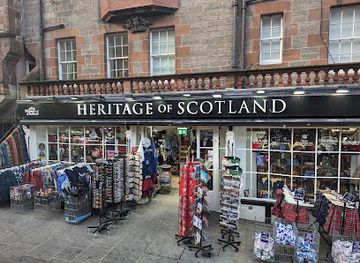
Gift shop
Heritage of Scotland
Authentic Scottish gifts and kilts at the heart of Edinburgh’s historic Lawnmarket, celebrating heritage and craftsmanship.
-
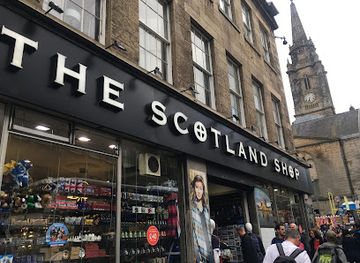
Gift shop
The Scotland Shop
Discover authentic Scottish tartans, bespoke kilts, and heritage gifts at The Scotland Shop in Edinburgh’s historic South Bridge.
-
Gift shop
The Hairy Coo Shop
Discover authentic Scottish charm and unique Highland gifts at The Hairy Coo Shop, a cozy Newtonmore treasure with warm welcomes and fresh sandwiches.
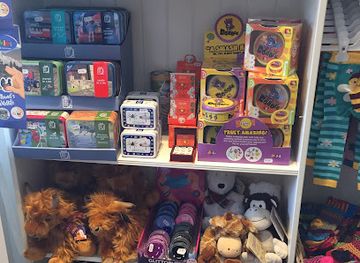
Get your free copy of our complete guide to Scottish Highlands, delivered straight to you.
Everything on this page, from attractions and restaurants to essentials and local phrases, in one PDF you can read offline, print or share.
Already have an account? Sign in
Your Scottish Highlands guide is ready.
We'll send it to · Not you? Sign out

Getting your guide ready…
We are putting together a fresh copy of the Scottish Highlands guide. This can take up to a minute.
This can take a few moments. If your browser asks, choose Allow so the download can start. You'll find the guide in your Downloads folder.
Nothing happened? Download it again
Sorry, the guide is taking longer than usual. Please try again in a minute, or get it by email instead.
Scottish Highlands essentials
Currency and Payment
Safety
Emergency Situations
Do's and Don'ts
Local Tips
From Eve
Local phrases worth knowing
You don't need to get them perfect. A few words go a long way, and locals appreciate the effort.
Basics
| English | Local | Say it |
|---|---|---|
| Hello | Halò | [ha-lo] |
| Goodbye | Beannachd leat | [ben-ackd lye] |
| Yes | Tha | [ha] |
| No | Chan eil | [khan ail] |
| Please/You're welcome | Mas e do thoil e | [mas eh do hil eh] |
| Thank you | Tapadh leat | [ta-pa leht] |
| Excuse me/Sorry | Gabh mo leisgeul | [gav mo leesh-gil] |
| How are you? | Ciamar a tha thu? | [kee-mar a ha oo] |
| Fine. And you? | Tha gu math. Agus thusa? | [ha goo mah. Agus hoo-sa] |
| Do you speak English? | An canaidh thu Beurla? | [an kan-ee oo byur-la] |
| I don't understand | Chan eil mi a' tuigsinn | [khan ail mee a tigs-in] |
Eating & Drinking
| English | Local | Say it |
|---|---|---|
| I'd like to see the menu, please | Bu toil leam an taigh-bìdh fhaicinn, mas e do thoil e | [boo toyl lem an tie b'ee fye-kin, mas eh do hil eh] |
| I don't eat meat | Chan eil mi a' ithe feòil | [khan ail mee a ee heol] |
| Cheers! | Slàinte! | [slan-che] |
| I would like to pay, please | Bu toil leam pàigheadh, mas e do thoil e | [boo toyl lem pay-eh, mas eh do hil eh] |
Emergencies
| English | Local | Say it |
|---|---|---|
| Help! | Duin! | [doon] |
| Go away! | Fàg dhachaigh! | [fag yakh-e] |
| Call the Police! | Fònaich an Poileas! | [fo-nich an pol-ees] |
| Call a doctor! | Fònaich dotair! | [fo-nich do-tair] |
| I'm lost | Tha mi air chall | [ha mee air khall] |
| I'm ill | Tha mi tinn | [ha mee teen] |
Shopping
| English | Local | Say it |
|---|---|---|
| I'd like to buy... | Bu toil leam ceannaich... | [boo toyl lem kan-ich] |
| I'm just looking | Tha mi dìreach a' coimhead | [ha mee jeer-ach a koy-mhead] |
| How much is it? | Dè na tha ann? | [jay na ha an] |
| That's too expensive | Tha sin ro dhrochaid | [ha sheen ro droch-id] |
| Can you lower the price? | An urrainn dhut an prìs a lùghdachadh? | [an urn-inn oo an pris a loo-ghda-ch] |
Time & Numbers
| English | Local | Say it |
|---|---|---|
| What time is it? | Dè an t-àm a th' ann? | [jay an tahm a ha an] |
| It's one o'clock | Tha e aon uairead | [ha eh eyn whir-id] |
| Half past (10) | Meadhan às (10) | [may-an as] |
| Morning | Mòrain | [mor-in] |
| Afternoon | Faoilleach | [fall-yach] |
| Evening | Feasgar | [faysgar] |
| Yesterday | An-dè | [an-jay] |
| Today | An-diugh | [an-jew] |
| Tomorrow | A-màireach | [a-mair-ach] |
| 1 | 1 | [1] |
| 2 | 2 | [2] |
| 3 | 3 | [3] |
| 4 | 4 | [4] |
| 5 | 5 | [5] |
| 6 | 6 | [6] |
| 7 | 7 | [7] |
| 8 | 8 | [8] |
| 9 | 9 | [9] |
| 10 | 10 | [10] |
Transport & Directions
| English | Local | Say it |
|---|---|---|
| Where's a/the...? | Càite a bheil ...? | [kay-te a vel] |
| What's the address? | Dè an seòladh? | [jay an shol-adh] |
| Can you show me (on the map)? | An urrainn dhut a shealltainn dhomh (air an mapa)? | [an urn-inn oo a hell-tin yo (air an ma-pa)] |
| When's the next (bus)? | Cuin a tha an (bus) a' tighinn? | [kewin a ha an (bus) a keen] |
| A ticket (to ....) | Tiogaid (gu ...) | [tee-gid (goo ...)] |
History of Scottish Highlands
Ancient Landscapes and Early Settlement
The Highlands are built on some of Britain's oldest rocks, later shaped by faulting, glaciation and the erosion of successive ice ages. Human communities occupied these landscapes from prehistoric times, leaving traces that include burial monuments, standing stones, brochs and ancient field systems. The Iron Age brochs of the north and west demonstrate the presence of complex communities long before written Highland history. Later Gaelic-speaking settlement connected communities across mainland glens and the islands through kinship, farming, fishing and maritime travel. Surviving archaeological remains are often integrated into open landscapes rather than concentrated in large urban sites.
Gaelic Lordships and Medieval Power
During the medieval period, Highland society was organised through a mixture of Gaelic lordships, clan territories, church lands and royal authority. The Lords of the Isles controlled a powerful maritime domain from the western islands, while the Earls of Ross and other regional magnates influenced northern mainland politics. Castles such as Urquhart, Eilean Donan and Dunrobin, although belonging to different periods and political contexts, reflect the strategic importance of lochs, sea routes and fertile valleys. Inverness developed as a royal burgh and trading centre, helping connect the northern interior with wider Scottish commerce.
Clans, Crofting and Changing Rule
From the early modern period, clan allegiance remained an important social and political force, but Highland communities also lived through changing land ownership, religious conflict and growing integration with the Scottish state. Crofting combined small-scale cultivation with livestock keeping, fishing and seasonal work, particularly in the west and north. The Jacobite risings of the seventeenth and eighteenth centuries brought military conflict to the region, culminating in the defeat of Charles Edward Stuart's army at Culloden in 1746, just east of Inverness. Government measures after the battle weakened traditional clan structures and altered Highland society.
Clearances, Industry and Emigration
The eighteenth and nineteenth centuries saw major changes in land use and population. In many areas, landowners reorganised estates for commercial sheep farming, while families were displaced or encouraged to emigrate in processes remembered as the Highland Clearances. Crofting communities survived in several regions, but population decline and overseas migration reshaped the social geography of the Highlands. Fishing ports, herring stations, quarrying, forestry, estate work and the expansion of roads and railways provided new forms of employment. The Caledonian Canal, completed in the nineteenth century, strengthened the water route between the east and west coasts.
Tourism, Heritage and Conservation
Romantic literature, painting and royal interest helped establish the Highlands as a major destination for scenic tourism during the nineteenth century. Railways made places such as Inverness, Aviemore and Fort William more accessible, while mountaineering and sporting estates developed alongside hotels and guided travel. In the twentieth and twenty-first centuries, heritage interpretation, outdoor recreation and nature conservation became increasingly important to the regional economy. The Cairngorms and Loch Lomond & The Trossachs are national parks, while many other Highland landscapes are protected through national scenic areas, nature reserves and international designations. Contemporary debates continue to address land ownership, housing, crofting, rewilding and sustainable tourism.
Scottish Highlands in Photos
Browse through our photo collection highlighting the charm and character of the destination.
Cities in Scottish Highlands
The towns and cities of Scottish Highlands, and the easiest places to base yourself.
-

-

-

-

-

-


Swipe for more cities
Neighbouring destination travel guides
The closest destinations to Scottish Highlands, if you have time for more than one.
-

-

-

-

-


Swipe for more destinations
Explore more
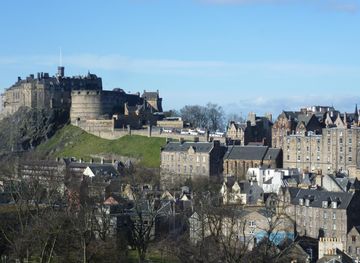
Explore more of Scotland
Explore Scotland's historic cities, Highland landscapes, island communities, castles, whisky regions and walking routes across a varied northern country.
Explore Scotland
Explore more of United Kingdom
Discover the United Kingdom: A blend of rich history, stunning landscapes, and vibrant cities, offering a unique travel experience for every visitor.
Explore United Kingdom