Cheddleton Flint Mill, Staffordshire Travel Guide
Explore the historic water-powered flint mill in Staffordshire that shaped the pottery industry, set in tranquil countryside surroundings.
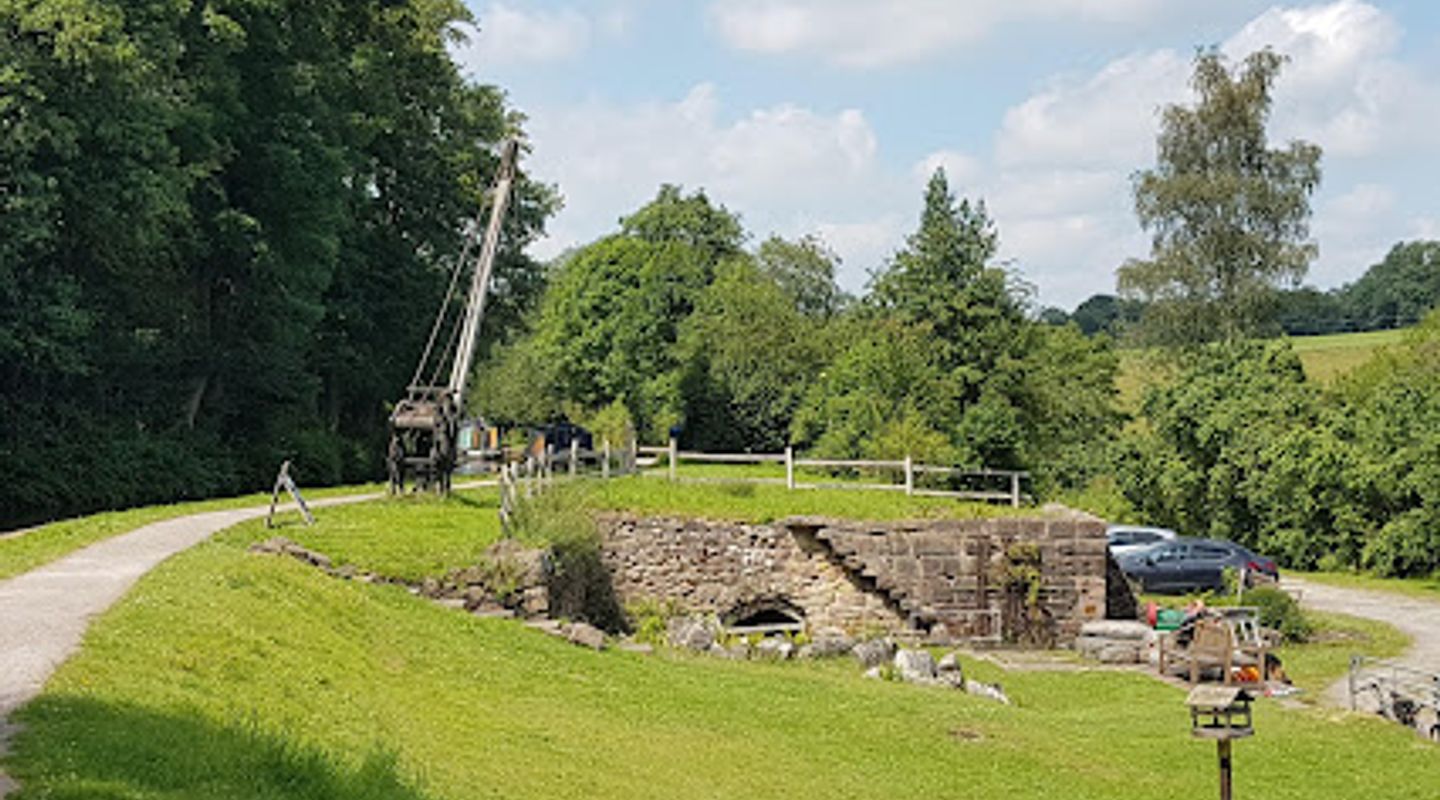
Cheddleton Flint Mill, nestled in the Staffordshire countryside near Leek, is a rare surviving example of a water-powered flint grinding mill. This historic museum offers a fascinating glimpse into the industrial processes that supported the pottery industry, with original machinery and a tranquil rural setting. Open mainly on Mondays and Wednesdays, it invites visitors to explore local heritage through engaging exhibits and scenic surroundings.
A brief summary to Cheddleton Flint Mill
- Cheadle Rd, Leek, Cheddleton, ST13 7HL, GB
- Click to display
- Click to display
- Duration: 1 to 3 hours
- Free
-
 Outdoor
- Mobile reception: 4 out of 5
- Monday 10 am-4 pm
- Wednesday 10 am-3:30 pm

Know before you go
Hi, I'm Eve. Here are a few practical things to know before exploring Cheddleton Flint Mill.
- Visit on Mondays or Wednesdays when the mill is open to see the waterwheel and grinding machinery in operation.
- Check the official website or call ahead for special event days or additional weekend openings.
- Wear comfortable shoes for walking around the rural mill grounds and along the riverbank.
- Bring a camera to capture the rustic industrial architecture and scenic countryside views.
- Donations are appreciated to help maintain this unique heritage site, as admission is free.
Do you manage this location?
Take control to get all the benefits, like improved information, better appearance, and stronger visibility across AI-powered discovery. Learn more about listing your business on Evendo
Activate your presenceOther nearby places you may find interesting
The closest places of the same kind, if this one is not quite what you had in mind.


Explore Cheddleton Flint Mill on the Map
A handpicked selection of must-see spots near Cheddleton Flint Mill, mapped for you.
Getting There
-
Train and Bus Combination
Travel by train to Leek railway station, approximately 15 km from the mill. From Leek, take a local bus towards Cheddleton village; the journey takes about 30-40 minutes. Note that bus services may be limited on weekends and holidays. Tickets typically cost £4-£6.
-
Car
Driving from Stafford or Stoke-on-Trent, the mill is about a 30-minute drive via A520 and local roads. Limited parking is available near the site. There is no parking fee, but spaces are limited, so early arrival is recommended.
-
Taxi
Local taxi services from Leek or nearby towns offer a convenient 15-20 minute ride to the mill. Expect fares around £15-£20. This option is useful if public transport schedules do not align with opening hours.
For the on-the-go comforts that matter to you
-
 Restrooms
-
 Seating Areas
-
 Information Boards
Discover more about Cheddleton Flint Mill
Historic Roots of Cheddleton Flint Mill
Cheddleton Flint Mill stands as a remarkable relic of England's industrial past, specifically linked to the Staffordshire pottery industry. Established in the 19th century, the mill harnessed water power to grind flint, a key ingredient used in pottery production to improve the strength and whiteness of ceramics. Its survival as one of the few intact flint mills offers a unique window into the industrial techniques and rural craftsmanship of the era.Preservation and Museum Experience
Today, the mill operates as a museum dedicated to preserving this industrial heritage. Visitors can witness the original waterwheel and grinding machinery in action during open days, providing an immersive experience of traditional manufacturing methods. The museum’s setting along the River Churnet enhances the authenticity and peacefulness of the visit, combining educational value with scenic beauty.The Mill’s Role in Local Industry
Flint grinding was essential to the local pottery trade, which flourished in Staffordshire. Cheddleton Flint Mill played a critical role by processing raw flint into a fine powder used by potters to create durable and high-quality ceramics. This connection underscores the mill’s importance not only as a technological site but also as a cultural landmark reflecting the region’s economic history.Visitor Engagement and Events
The mill opens primarily on Mondays and Wednesdays, with additional weekend openings during peak seasons or special events. Admission is free, although donations support the ongoing preservation efforts. The site hosts occasional demonstrations and educational activities, making it a valuable resource for families, school groups, and history enthusiasts seeking to understand industrial heritage firsthand.Setting and Atmosphere
Set amidst the tranquil Staffordshire countryside, the mill offers a peaceful retreat with picturesque views of the river and surrounding greenery. The combination of rustic industrial architecture and natural landscape creates a distinctive atmosphere that blends history with nature, ideal for reflective visits and photography.Significance and Conservation
As one of the few remaining water-powered flint mills, Cheddleton Flint Mill is a protected heritage site. Its conservation ensures that future generations can appreciate the technological ingenuity and local traditions that shaped the pottery industry. The mill stands as a testament to the enduring legacy of rural industrial communities in England.












Your all‑in‑one travel companion app
Explore expert travel guides, compare and book tours, experiences, hotels, and more—all from the palm of your hand. Download now for seamless trip planning wherever your wanderlust takes you.


Explore More of Staffordshire
Looking beyond Cheddleton Flint Mill? Discover Staffordshire for broader travel guides, local hot-spots, and regional highlights.
Explore Staffordshire