
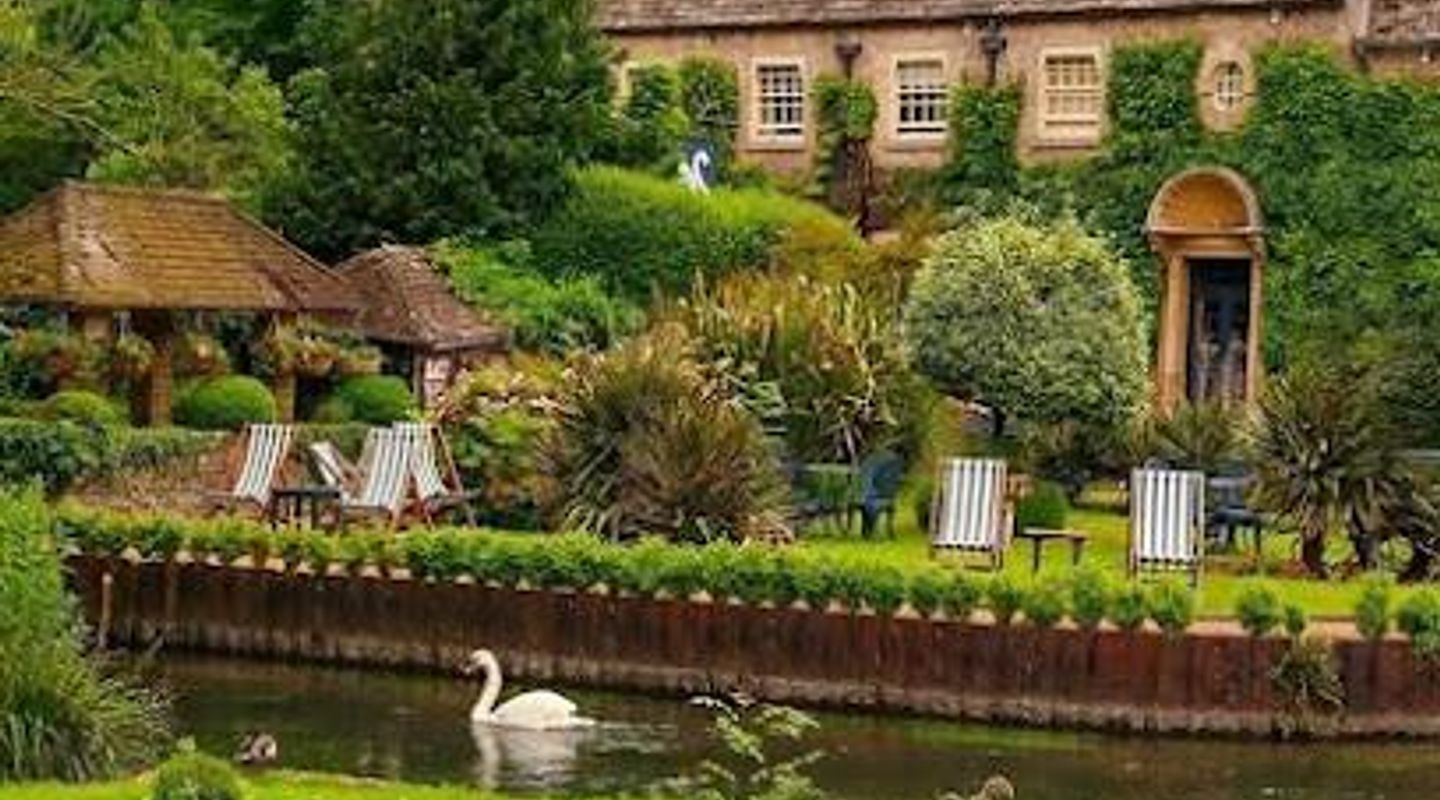
Bibury, Gloucestershire Travel Guide
Discover Bibury, the enchanting Cotswold village famed for its historic Arlington Row, tranquil river, and timeless English charm.
Bibury, a picturesque village near Cirencester in Gloucestershire, England, is famed for its honey-coloured 17th-century stone cottages, historic Arlington Row, and the tranquil River Coln. Steeped in history from the Iron Age through Roman and Saxon eras, Bibury offers visitors a quintessential Cotswold experience with its medieval church, trout farm, and scenic rural landscapes.
A brief summary to Bibury
- Cirencester, Bibury, GB
- Duration: 1 to 3 hours
- Mid ranged
-
 Outdoor
- Mobile reception: 4 out of 5

Know before you go
Hi, I'm Eve. Here are a few practical things to know before exploring Bibury.
- Visit Arlington Row early in the morning or late afternoon to avoid crowds and capture the best light for photography.
- Explore the Church of St Mary to appreciate its Saxon origins and exquisite medieval stained glass.
- Take a stroll along the River Coln and observe the natural beauty of Rack Isle, a protected wildlife area.
- Sample fresh trout dishes at local pubs like the Catherine Wheel, famous for its connection to Japanese visitors.
- Respect the privacy of residents in Arlington Row cottages by avoiding knocking on doors or peering through windows.
Do you manage this location?
Take control to get all the benefits, like improved information, better appearance, and stronger visibility across AI-powered discovery. Learn more about listing your business on Evendo
Activate your presenceOther nearby places you may find interesting
The closest places of the same kind, if this one is not quite what you had in mind.

Explore Bibury on the Map
A handpicked selection of must-see spots near Bibury, mapped for you.
Unlock the Best of Bibury
Buy tickets
-
No tickets available
Book tours with entry


Getting There
-
Train and Bus
Travel by train to Cirencester, the nearest town, with services from London Paddington taking approximately 1.5 to 2 hours. From Cirencester, take the local bus service 801 or 802 to Bibury, which runs several times daily. The bus journey lasts about 20 to 30 minutes. Note that weekend and evening services may be limited, so check schedules in advance.
-
Car
Driving to Bibury from Cirencester takes around 15 minutes via the A429 and local roads. Parking is limited within the village, especially near Arlington Row, so use designated parking areas and be prepared for narrow lanes. The village roads are historic and may be challenging for larger vehicles.
-
Walking
For walkers staying in Cirencester or nearby villages, a scenic 2 to 3-hour walk to Bibury follows parts of the Thames Path and local footpaths through the Cotswold countryside. Terrain is mostly gentle but includes some uneven rural paths, so suitable footwear is recommended.
For the on-the-go comforts that matter to you
-
 Restrooms
-
 Drink Options
-
 Food Options
-
 Seating Areas
-
 Information Boards
Discover more about Bibury
Ancient Roots and Historical Legacy
Bibury’s history stretches back to the Iron Age, evidenced by the nearby Rawbarrow Camp hillfort overlooking the village. The Romans established a villa east of Bibury Mill, marking the area as a significant settlement in antiquity. The village’s name evolved from ‘Beagan-byring’ in the 8th century, linked to Earl Leppa’s daughter Beaga, to ‘Becheberie’ in the Domesday Book of 1086. Bibury was historically owned by St Mary’s Priory in Worcester before passing to Osney Abbey near Oxford in 1130. The village’s Saxon heritage is visible in the Church of St Mary, which contains Saxon gravestones and architectural elements dating back to the 8th century.Arlington Row and the Wool Trade Heritage
One of Bibury’s most iconic features is Arlington Row, a collection of honey-coloured stone cottages originally built in 1380 as a monastic wool store. Converted into weavers’ cottages in the 17th century, these buildings housed workers who produced cloth for fulling at nearby Arlington Mill. The mill, dating back to the Domesday Book era, played a vital role in the wool industry by degreasing cloth. Arlington Row’s timeless charm has made it one of England’s most photographed streets and a symbol of Cotswold rural heritage, even appearing on the inside cover of British passports.Natural Beauty and the River Coln
The River Coln flows gently through Bibury, dividing the village from Arlington and enriching the landscape with lush water meadows such as Rack Isle, a protected wildlife habitat. The river supports the renowned Bibury Trout Farm, founded in 1902, which breeds native brown trout to stock local rivers. This serene riverside setting, combined with the village’s pastoral charm, offers visitors tranquil walks and scenic views that embody the essence of the Cotswolds.Architectural and Cultural Highlights
Bibury’s Church of St Mary is a Grade I listed building showcasing a blend of Saxon, Norman, and Gothic architectural features. Inside, visitors find medieval stained glass, a 13th-century square font, and intricately carved Norman doorways. The churchyard is notable for its 17th- and 18th-century tombstones adorned with cherubs and symbolic carvings. Nearby, Bibury Court, a Jacobean mansion dating from 1633 originally linked to Benedictine monks, adds to the village’s historical depth.Living Heritage and Visitor Experience
Bibury remains a living village with many original cottages still occupied as private homes. The village’s heritage is carefully preserved by the National Trust, which owns Arlington Row and surrounding lands. Bibury’s quaint tea rooms, traditional pubs like the Catherine Wheel and the Swan Hotel, and its welcoming atmosphere continue to attract visitors seeking authentic English countryside charm. The village’s cultural significance is further enhanced by its association with William Morris, who called it “the most beautiful village in England.”Seasonal Character and Community Spirit
Bibury’s character changes with the seasons, from the vibrant autumnal hues that cloak the Swan Hotel’s stone walls to the gentle spring blossoms in the church gardens. The village hosts occasional local events and maintains a strong sense of community rooted in centuries of rural life. Its peaceful ambience, historic architecture, and natural surroundings make Bibury a timeless destination for cultural heritage and countryside exploration.












Your all‑in‑one travel companion app
Explore expert travel guides, compare and book tours, experiences, hotels, and more—all from the palm of your hand. Download now for seamless trip planning wherever your wanderlust takes you.


Explore More of Gloucestershire
Looking beyond Bibury? Discover Gloucestershire for broader travel guides, local hot-spots, and regional highlights.
Explore Gloucestershire