
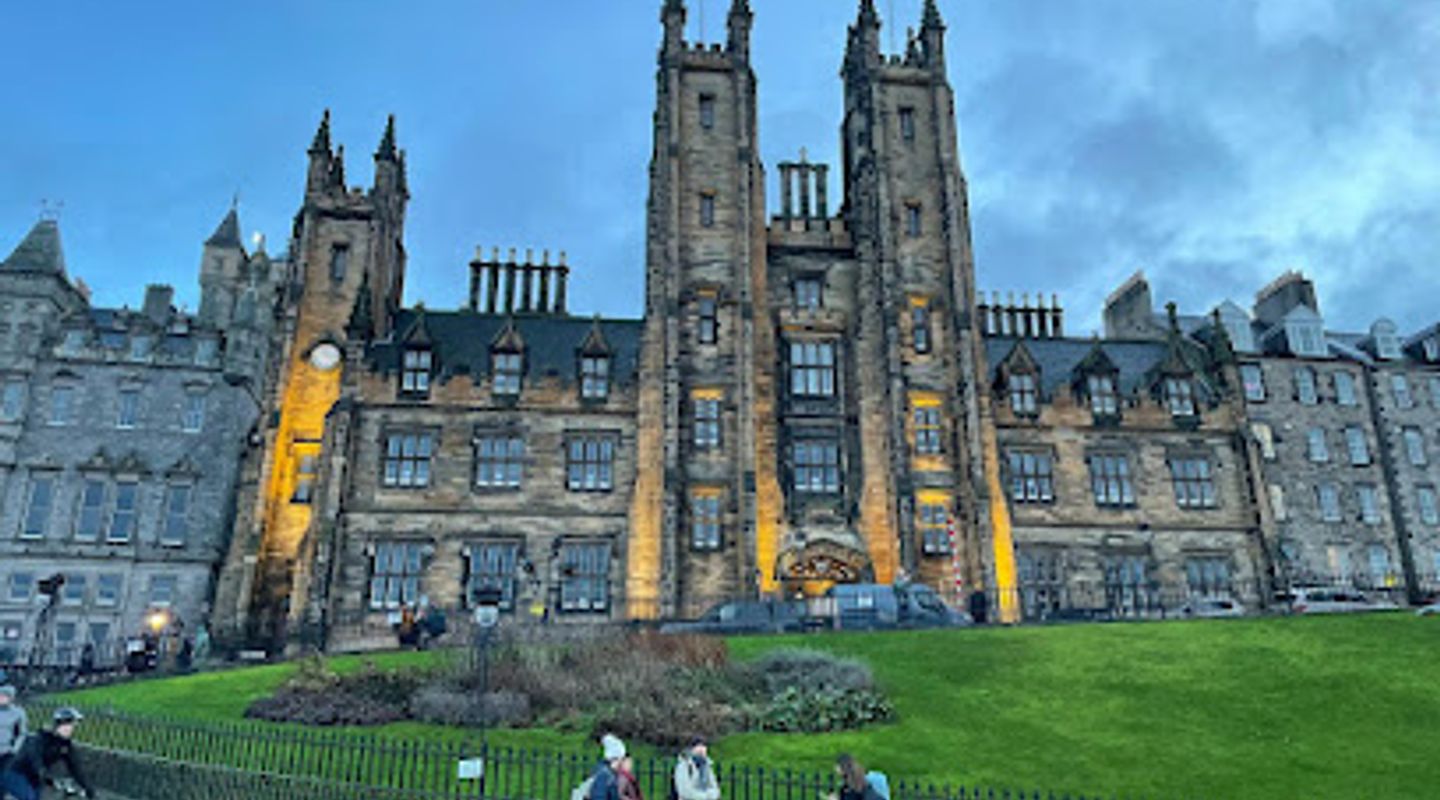
The Witches Well, Perthshire Travel Guide
A poignant cast iron memorial outside Edinburgh Castle honoring the thousands accused and executed as witches in Scotland’s dark past.
The Witches' Well is a cast iron memorial fountain located just outside Edinburgh Castle, honoring the thousands of people, mostly women, accused of witchcraft and executed between the 15th and 18th centuries. Commissioned in 1894 by Sir Patrick Geddes and designed by artist John Duncan, the fountain features intricate carvings symbolizing the duality of good and evil, with a bronze relief of witches’ heads entwined by a snake, foxglove plants, and healing hands. Though no longer functioning as a water fountain, it remains a poignant tribute to a dark chapter in Scottish history.
A brief summary to The Witches Well
- Edinburgh, Edinburgh, GB
- Duration: 0.25 to 1 hours
- Free
-
 Outdoor
- Mobile reception: 4 out of 5
- Monday 10 am-6 pm
- Tuesday 10 am-6 pm
- Wednesday 10 am-6 pm
- Thursday 10 am-6 pm
- Friday 10 am-6 pm
- Saturday 10 am-6 pm
- Sunday 10 am-6 pm

Know before you go
Hi, I'm Eve. Here are a few practical things to know before exploring The Witches Well.
- Look closely for the intricate carvings of witches’ heads, the serpent, and the foxglove plant symbolizing duality.
- Visit during daylight hours to fully appreciate the detailed bronze relief and inscriptions.
- Combine your visit with Edinburgh Castle and the Royal Mile for a rich historical experience.
- Respect the site’s solemn nature; it is a memorial to victims of persecution.
Do you manage this location?
Take control to get all the benefits, like improved information, better appearance, and stronger visibility across AI-powered discovery. Learn more about listing your business on Evendo
Activate your presenceOther nearby places you may find interesting
The closest places of the same kind, if this one is not quite what you had in mind.
Explore The Witches Well on the Map
A handpicked selection of must-see spots near The Witches Well, mapped for you.
Unlock the Best of The Witches Well
Buy tickets
-
No tickets available
Book tours with entry


Getting There
-
Bus
Take Lothian Buses routes 35 or 36 from Edinburgh city center to Princes Street, then walk approximately 10 minutes to the Castlehill area where The Witches' Well is located. Bus fares are around £1.80–£2.00, with frequent service every 10–15 minutes.
-
Walking
From Edinburgh Waverley Station, enjoy a 20-minute walk along the Royal Mile toward Edinburgh Castle. The route is mostly flat and paved, suitable for most fitness levels and wheelchair accessible.
-
Taxi
A taxi from Edinburgh city center to The Witches' Well near Edinburgh Castle takes about 5–10 minutes depending on traffic, costing approximately £6–£10.
For the on-the-go comforts that matter to you
-
 Information Boards
-
 Seating Areas
-
 Trash Bins
Discover more about The Witches Well
A Somber Tribute Amid Edinburgh’s Historic Landscape
The Witches' Well is a small yet powerful monument nestled on the wall of the Tartan Weaving Mill, near the lower end of the Castlehill Esplanade, just outside the imposing Edinburgh Castle. This cast iron fountain commemorates the thousands of people, predominantly women, who were accused of witchcraft and executed in Scotland between the late 1400s and early 1700s. The site is historically significant as one of the main locations where these tragic events unfolded, with more women burned alive here in the 16th century than anywhere else in Scotland.The Dark History Behind the Witch Hunts
The witch hunts in Scotland escalated dramatically during the reign of King James VI, who equated witchcraft with devil worship and believed witches were responsible for misfortunes, including storms that threatened his voyage from Denmark. This paranoia fueled a brutal campaign of accusations, trials, and executions, with over 3,800 people persecuted—84% of whom were women. Many victims were herbalists, mentally ill, or simply caught in personal vendettas. The last known execution for witchcraft in Scotland occurred in 1728, and the Witchcraft Act was repealed in 1736, marking the end of this grim era.Artistic Symbolism and Design of the Fountain
Commissioned in 1894 by Sir Patrick Geddes, a noted philanthropist and urban thinker, the Witches' Well was designed by his friend John Duncan, an artist influenced by Celtic mythology and symbolism. The fountain’s bronze relief depicts intertwined witches’ heads encircled by a serpent, symbolizing the dual nature of knowledge as both healing and harmful. The foxglove plant, featured prominently, further represents this duality—used medicinally yet poisonous in excess. The sides of the fountain are adorned with carvings of roots and branches, healing hands, and an evil eye, reinforcing themes of good versus evil and misunderstood wisdom.The Plaque and Inscriptions: A Window into the Past
Above the fountain is a bronze plaque installed in 1912, explaining the monument’s meaning. It highlights the dualism of the relief—the wicked and serene faces symbolize those who used knowledge for evil and those who were misunderstood. Roman numerals etched on the fountain mark the years 1479 and 1722, representing the period of most intense witch persecution in Scotland. Though the fountain once spouted water beneath the serpent’s head, it is now dry, and the trough often holds flowers placed by visitors paying their respects.Present-Day Significance and Visitor Experience
Today, The Witches' Well is a quiet, easily overlooked site overshadowed by the grandeur of Edinburgh Castle and the bustling Royal Mile. Despite its modest size, it holds profound historical and emotional weight, inviting reflection on a dark chapter of Scottish history. Visitors who seek it out can appreciate the intricate artistry and the solemn tribute it offers to those wrongfully accused. There have been calls for a larger, more permanent memorial to honor the victims of the witch hunts, but the existing well remains a meaningful reminder of the past.Context Within Edinburgh’s Cultural Landscape
The Witches' Well stands as a unique historical landmark blending art, history, and cultural memory. It connects visitors to the broader narratives of superstition, justice, and societal fears that shaped Scotland’s past. Its location near Edinburgh Castle, a symbol of power and authority, underscores the tragic irony of persecution carried out under the watch of the ruling class. The monument’s Celtic-inspired design also ties it to Scotland’s rich artistic heritage, making it a compelling point of interest for history buffs, art lovers, and those drawn to Scotland’s complex cultural identity.












Your all‑in‑one travel companion app
Explore expert travel guides, compare and book tours, experiences, hotels, and more—all from the palm of your hand. Download now for seamless trip planning wherever your wanderlust takes you.


Explore More of Perthshire
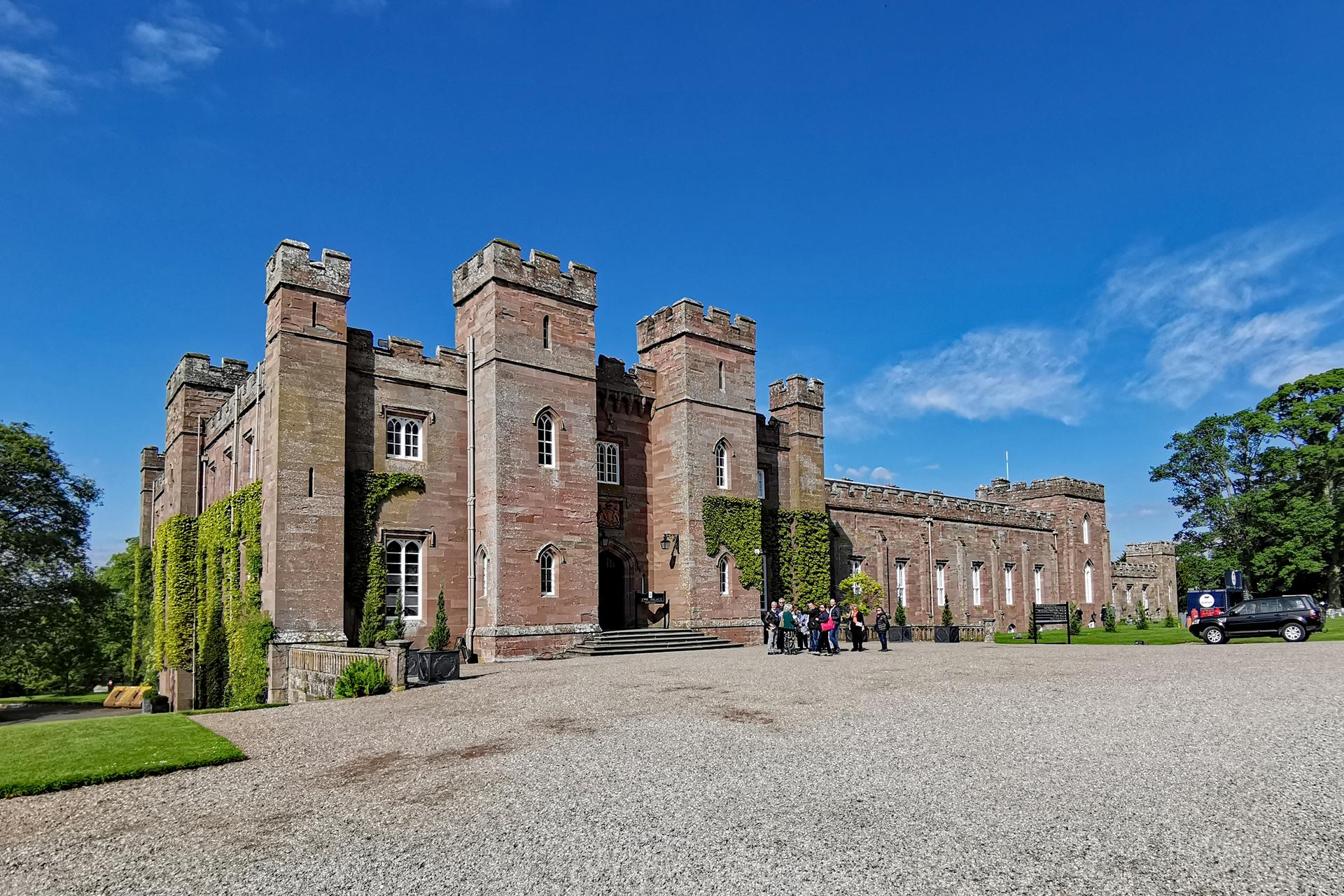
Looking beyond The Witches Well? Discover Perthshire for broader travel guides, local hot-spots, and regional highlights.
Explore Perthshire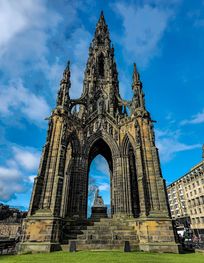
Edinburgh’s towering Gothic tribute to Sir Walter Scott, offering rich history, intricate sculptures, and panoramic city views from its summit.
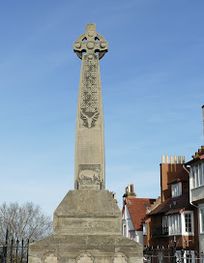
A Victorian-era Celtic cross honouring Scottish soldiers from the 1857 Indian Rebellion, set on Edinburgh Castle's historic esplanade.
