Hermit's Castle, Sutherland Travel Guide
Discover the enigmatic Hermit's Castle, a tiny Brutalist bothy blending into Scotland’s rugged coast with a mysterious story and stunning views.
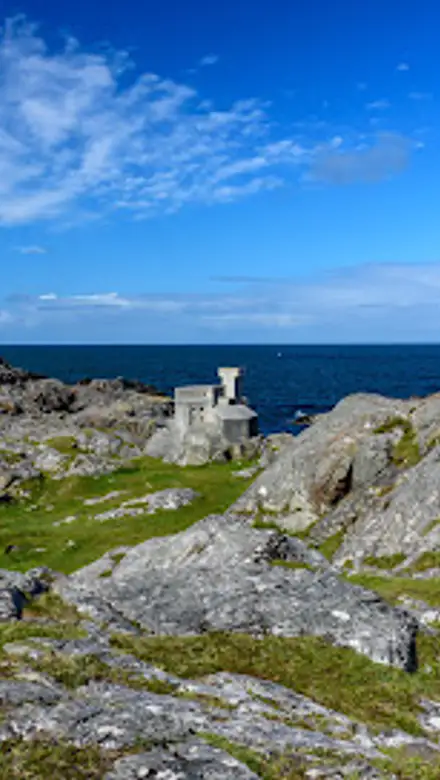
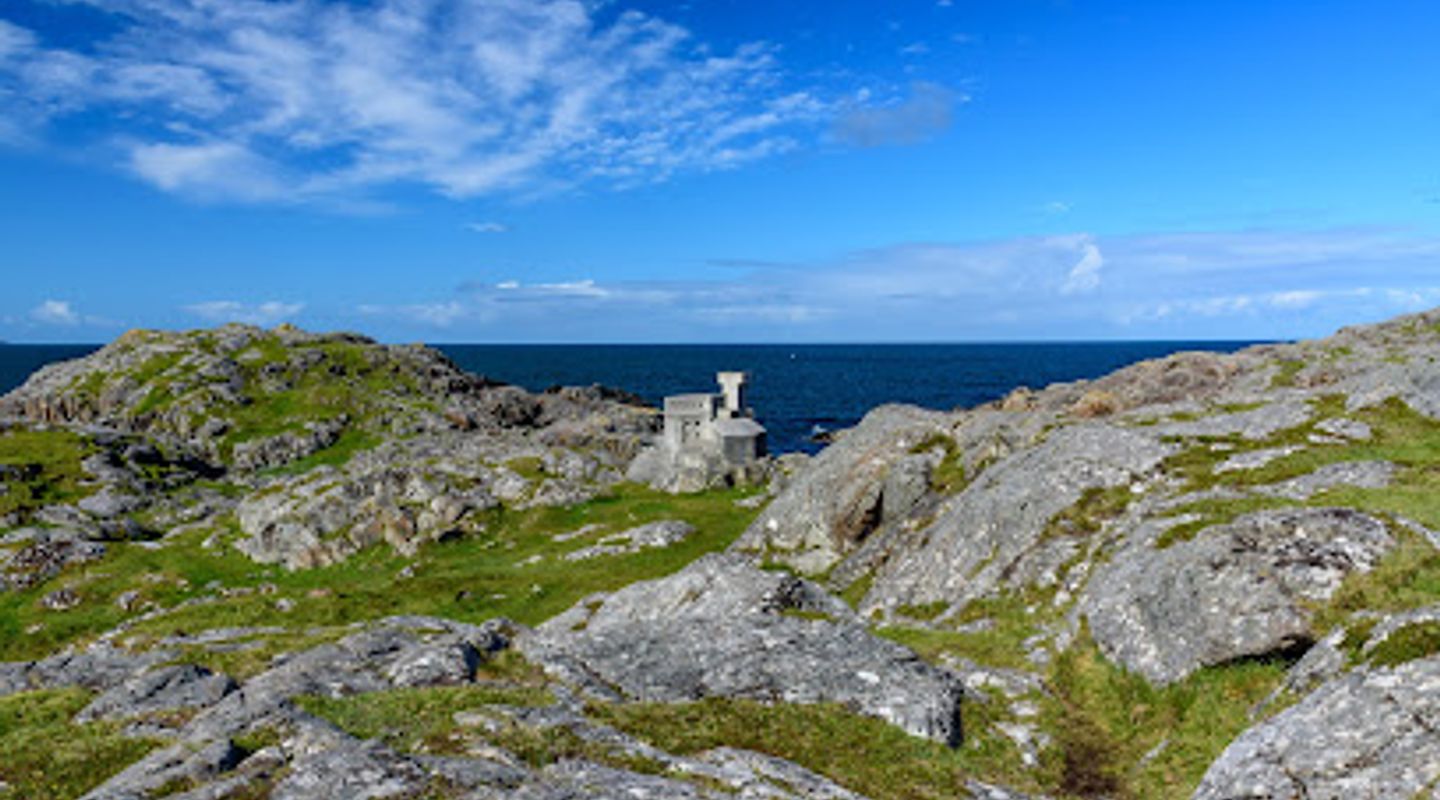
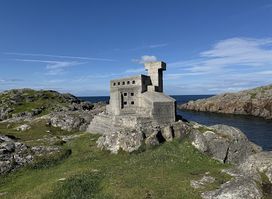
Hermit's Castle, often dubbed Europe's smallest castle, is a striking concrete bothy built in the 1950s by architect David Scott. Nestled on a rocky promontory overlooking Achmelvich Bay in the Scottish Highlands, this Brutalist-style structure blends seamlessly with its rugged surroundings. Though small, it captivates visitors with its mysterious history, unique architecture, and stunning coastal views, offering a rare glimpse into a solitary creative retreat amid Scotland's wild landscape.
A brief summary to Hermit's Castle
- Lairg, GB
- Click to display
- Duration: 0.5 to 2 hours
- Free
-
 Outdoor
- Mobile reception: 3 out of 5

Know before you go
Hi, I'm Eve. Here are a few practical things to know before exploring Hermit's Castle.
- Visit during daylight hours for safe access and the best views, as the site is remote and lacks lighting.
- Wear sturdy footwear for the rocky and uneven terrain on the walk from Achmelvich Beach car park.
- Bring a camera to capture the castle’s unique Brutalist architecture and the stunning coastal panorama.
- Respect the site by not disturbing the structure or leaving litter, preserving its rugged charm.
Do you manage this location?
Take control to get all the benefits, like improved information, better appearance, and stronger visibility across AI-powered discovery. Learn more about listing your business on Evendo
Activate your presenceOther nearby places you may find interesting
The closest places of the same kind, if this one is not quite what you had in mind.
Explore Hermit's Castle on the Map
A handpicked selection of must-see spots near Hermit's Castle, mapped for you.
Getting There
-
Car
Drive to Achmelvich Beach car park, approximately 30 minutes from Lochinver. Parking is free but limited, especially in summer. From the car park, a 10-15 minute walk over rocky headland leads to Hermit's Castle. Terrain is uneven and can be slippery when wet.
-
Bus and Walk
Take a regional bus to Lochinver, then a taxi or local shuttle to Achmelvich Beach. From there, walk 10-15 minutes over rocky terrain to the castle. Bus services may be infrequent, so plan accordingly.
-
Walking
From the west end of Achmelvich Beach, a direct but rugged 20-30 minute hike over higher ground leads to the castle. This route requires good fitness and sturdy footwear due to uneven rocky paths.
For the on-the-go comforts that matter to you
-
 Restrooms
-
 Food Options
-
 Drink Options
-
 Seating Areas
-
 Information Boards
Discover more about Hermit's Castle
A Mysterious Architectural Gem on the Scottish Coast
Hermit's Castle stands quietly on a rocky headland at Achmelvich Bay, a remote and scenic stretch of the northwest Highlands of Scotland. Despite its name, it is not a traditional castle but a small concrete bothy built in a distinctive Brutalist style. Constructed in the early 1950s by David Scott, an architect from Norwich, the structure was designed as a solitary retreat, blending almost invisibly into the surrounding rocks and coastline. Its grey concrete walls mimic the natural stone, making the building appear as if it grew organically from the rugged terrain.The Story of David Scott and His Solitary Shelter
David Scott undertook the construction of Hermit's Castle over approximately six months, reportedly transporting all materials by boat to this isolated site. The bothy was intended as a practical and artistic project—a place where Scott could rest after coastal walks and sketch the dramatic landscape. The interior is minimalistic, featuring a concrete bed platform, a fireplace with shelving, and originally glazed windows that have since been lost. While local lore once suggested Scott stayed only a weekend, further accounts reveal he spent several weeks, even a winter, living here before eventually departing and leaving the key with local crofters to offer shelter to others in need.Architectural Features and Design Elements
Hermit's Castle is notable for its compact size—under 10 square meters—and its unusual design. The narrow, tall entrance leads into a single small room, emphasizing functionality and shelter over comfort. The structure’s Brutalist aesthetic, characterized by raw concrete and geometric forms, is rare in this rural setting. The castle’s elevated position above a small sea inlet, combined with its pillbox-like shape, suggests a defensive inspiration, though its true purpose remains enigmatic. The building’s integration into the rocky promontory creates an almost camouflaged effect, enhancing its mysterious allure.Visiting Hermit's Castle and Its Surroundings
Hermit's Castle is freely accessible year-round, best visited during daylight due to its remote location. Visitors typically approach from the nearby Achmelvich Beach car park, enjoying a scenic 10-15 minute walk over rocky terrain to reach the site. The castle’s small size and subtle appearance mean it can be easily missed if not sought out deliberately. The surrounding area offers breathtaking views of turquoise waters, white sandy beaches, and abundant wildlife, including grey herons and woodpeckers. Nearby, the historic Dun Dornaigil Broch adds further interest for history enthusiasts exploring the region.The Castle’s Place in Local Culture and Legacy
Over the decades, Hermit's Castle has become a beloved curiosity and symbol of creative solitude in the Highlands. Its story has inspired writers and artists, featuring in Scottish crime novels and local lore. Though the reasons behind its construction and Scott’s departure remain partly speculative, the structure endures as a testament to individual vision and the rugged beauty of the Scottish coast. It invites visitors to reflect on themes of isolation, creativity, and the relationship between human-made structures and nature.Preservation and Visitor Experience
Today, Hermit's Castle stands as a weathered but intact relic, with graffiti marking its walls and the absence of original glass windows. It offers a unique experience for those intrigued by offbeat architecture and remote landscapes. Visitors can peer inside the small chamber, imagine the solitude of its builder, and soak in panoramic coastal vistas. The site encourages respectful exploration and appreciation of Scotland’s wild heritage, blending history, mystery, and natural beauty in one compact location.












Your all‑in‑one travel companion app
Explore expert travel guides, compare and book tours, experiences, hotels, and more—all from the palm of your hand. Download now for seamless trip planning wherever your wanderlust takes you.


Explore More of Sutherland
Looking beyond Hermit's Castle? Discover Sutherland for broader travel guides, local hot-spots, and regional highlights.
Explore Sutherland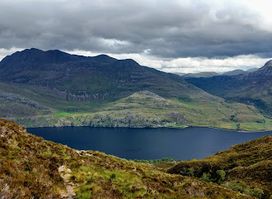
Explore Scotland’s first National Nature Reserve, where ancient pinewoods meet soaring eagles and rugged mountain peaks in breathtaking wilderness.
Discover Achmelvich Beach, a tranquil white-sand paradise with turquoise waters and rugged Highland beauty on Scotland’s iconic North Coast 500.