Clachtoll Broch, Sutherland Travel Guide
Explore Clachtoll Broch, a remarkable Iron Age drystone tower on Scotland’s coast, preserved by fire and time with stunning sea views.
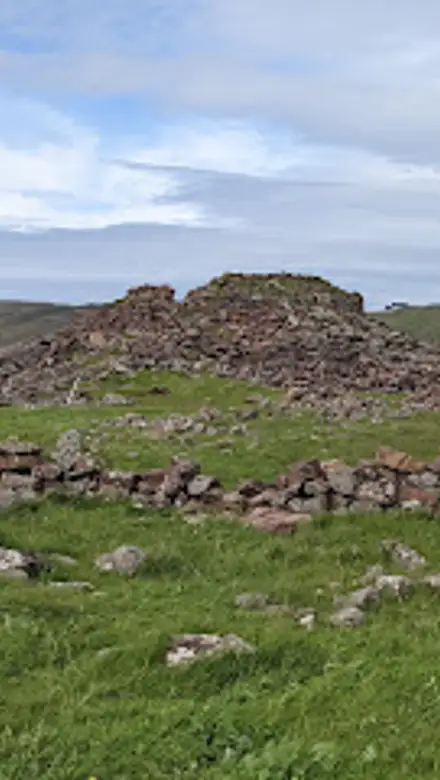
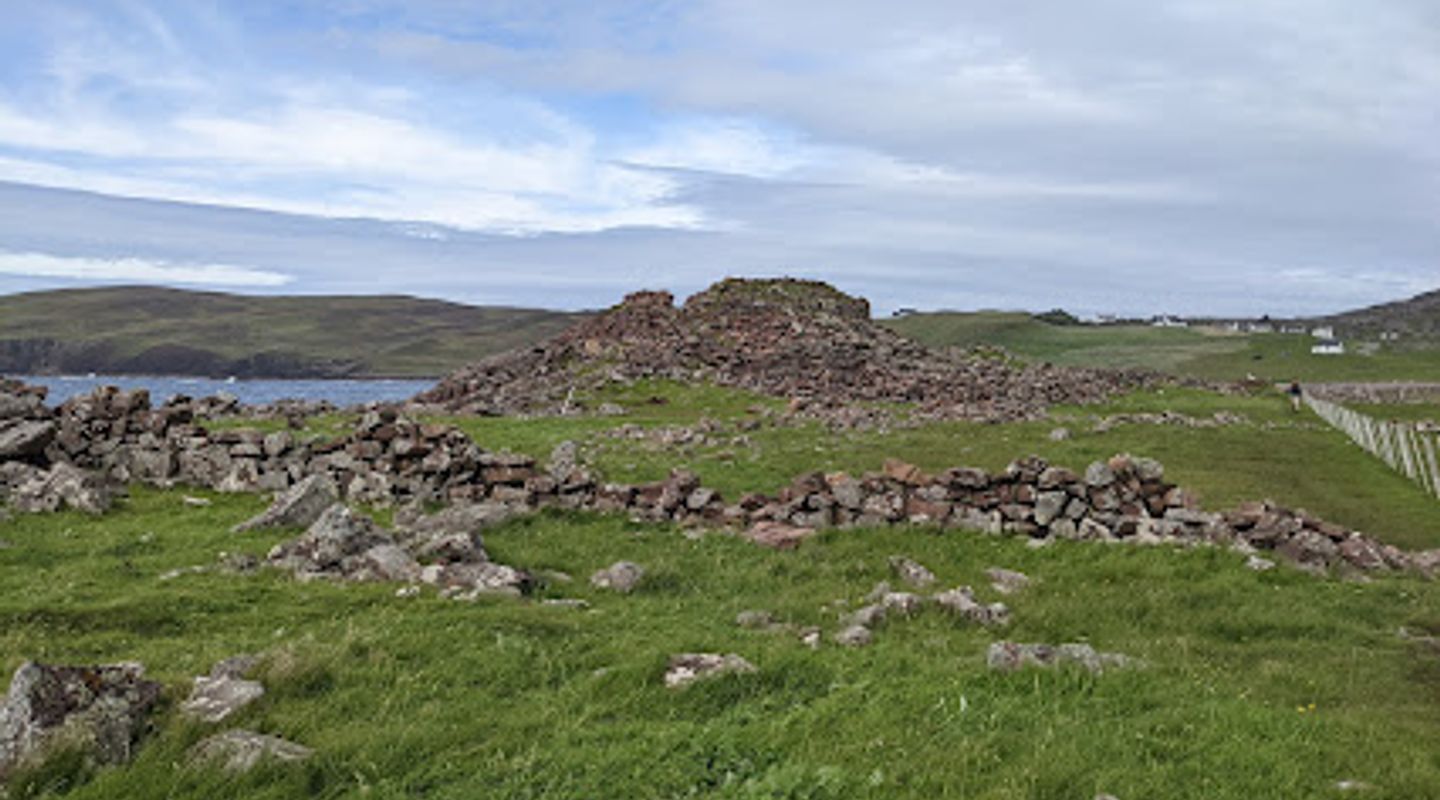
Clachtoll Broch, perched on a rocky knoll overlooking the Bay of Stoer in northwest Scotland, is a remarkably preserved Iron Age drystone tower dating back around 2,000 years. This ancient roundhouse was a family home and farming base that met a fiery end circa AD 50, sealing a vivid snapshot of daily life within its collapsed walls. Today, visitors can explore its towering remains, original entrance, and learn about its rich archaeological finds amid stunning coastal scenery.
A brief summary to Clachtoll Broch
- Lairg, Clachtoll, GB
- Duration: 0.5 to 2 hours
- Free
-
 Outdoor
- Mobile reception: 3 out of 5

Know before you go
Hi, I'm Eve. Here are a few practical things to know before exploring Clachtoll Broch.
- Wear sturdy footwear as the coastal path to the broch involves rough and uneven terrain.
- Visit the interpretive materials on site to learn about the broch’s history and archaeological finds.
- Combine your visit with a walk to Clachtoll Beach to enjoy the white sands and scenic coastal views.
- Parking is available at Clachtoll Beach car park, signposted from the B869 road.
- Plan your visit during daylight hours as the site is outdoors and has no lighting.
Do you manage this location?
Take control to get all the benefits, like improved information, better appearance, and stronger visibility across AI-powered discovery. Learn more about listing your business on Evendo
Activate your presenceOther nearby places you may find interesting
The closest places of the same kind, if this one is not quite what you had in mind.
Explore Clachtoll Broch on the Map
A handpicked selection of must-see spots near Clachtoll Broch, mapped for you.
Getting There
-
Car
Drive via the B869 road to Clachtoll Beach car park, which is signposted and offers parking facilities. The journey from Lochinver takes approximately 20 to 30 minutes. The road is single-track and requires careful driving. Parking is free.
-
Walking
From Clachtoll Beach car park, follow the coastal path marked ‘walkers welcome’ west and then north to the broch. The walk takes about 15 to 25 minutes over rough terrain, so sturdy footwear is recommended. The path is not suitable for wheelchairs or strollers.
-
Public Transport + Walking
Take a regional bus service to Lochinver, then a taxi to Clachtoll Beach car park (approximately 15 minutes). From there, walk along the coastal path to the broch. Public transport options are limited and infrequent, so plan accordingly.
For the on-the-go comforts that matter to you
-
 Restrooms
-
 Drink Options
-
 Food Options
-
 Information Boards
-
 Seating Areas
Discover more about Clachtoll Broch
An Iron Age Stronghold Frozen in Time
Clachtoll Broch is a striking example of a broch, a unique type of drystone roundhouse built in Scotland during the Iron Age, roughly between 600 BC and AD 400. Situated on a dramatic rocky promontory overlooking the Bay of Stoer, this broch once stood approximately 14 meters tall. Around AD 50, a catastrophic fire caused the broch to collapse, burying its interior under rubble and preserving an extraordinary archaeological time capsule. Unlike many brochs that show layers of long-term occupation, Clachtoll’s final destruction sealed a brief but vivid window into Iron Age life.Daily Life Revealed Through Excavation
Excavations led by the community group Historic Assynt have uncovered a wealth of artefacts within the broch’s remains, including iron tools, pottery linked to the Hebrides, cereal grains, animal bones, and a unique knocking stone used for processing barley. The large central hearth, a focal point of the home, provided warmth, light, and a social gathering place. The discovery of storage cells and guard cells within the broch’s thick walls reveals a sophisticated domestic layout, challenging earlier assumptions that brochs were primarily defensive structures.Architectural Ingenuity on a Challenging Site
The broch’s builders constructed a near-perfect circular tower on a steeply sloping rocky knoll, with a height that may have allowed multiple floors accessed by an internal staircase ascending clockwise. The floor was uneven and slanted, but was softened by a regularly replaced carpet of reeds and grasses, indicating careful attention to domestic comfort. Doorways and internal cells suggest a well-organized household economy centered on farming and grain storage, reflecting the community’s role in the wider Iron Age society.Conservation Amid Coastal Challenges
The broch’s exposed coastal location subjects it to ongoing erosion and weathering, threatening the fragile ruins. Over the past decade, Historic Assynt has led conservation efforts to stabilize and consolidate the site, balancing public access with preservation. Interpretive materials and guided tours help visitors understand the broch’s history and archaeological significance while enjoying the spectacular views of turquoise waters and rugged coastline.A Gateway to Heritage and Nature
Clachtoll Broch is a key highlight on the Coigach & Assynt Heritage Trail, linking ancient sites with breathtaking landscapes. The surrounding area offers scenic walks along the coast and to nearby Clachtoll Beach, known for its white sands and tranquil atmosphere. The site’s blend of cultural heritage and natural beauty makes it a compelling destination for history enthusiasts and nature lovers alike.Visiting Today
The broch is freely accessible year-round, with parking available at Clachtoll Beach car park. The coastal path to the broch involves rough terrain, so sturdy footwear is recommended. Visitors can explore the broch’s towering walls and original entrance passage while absorbing the stories of an Iron Age community preserved beneath the rubble for two millennia.












Your all‑in‑one travel companion app
Explore expert travel guides, compare and book tours, experiences, hotels, and more—all from the palm of your hand. Download now for seamless trip planning wherever your wanderlust takes you.


Explore More of Sutherland
Looking beyond Clachtoll Broch? Discover Sutherland for broader travel guides, local hot-spots, and regional highlights.
Explore Sutherland