Dingwall Castle Doocot Travel Guide
Free Guide: Explore the historic Dingwall Castle Doocot, a rare surviving tower from a medieval Scottish fortress steeped in centuries of history and conflict.


A brief summary of Dingwall Castle Doocot
Explore the historic Dingwall Castle Doocot, a rare surviving tower from a medieval Scottish fortress steeped in centuries of history and conflict.
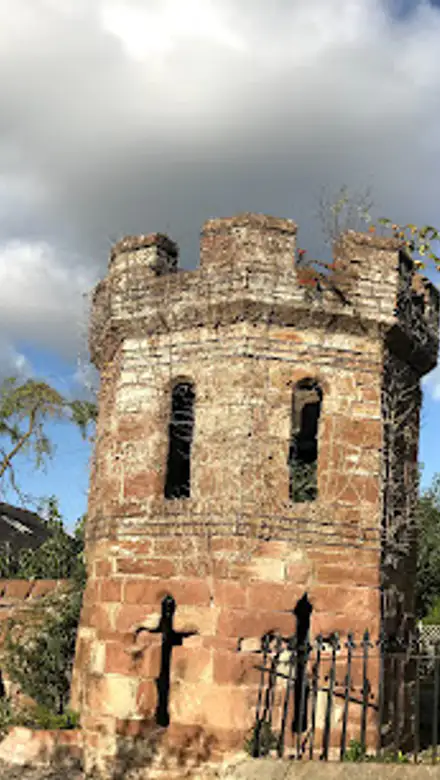
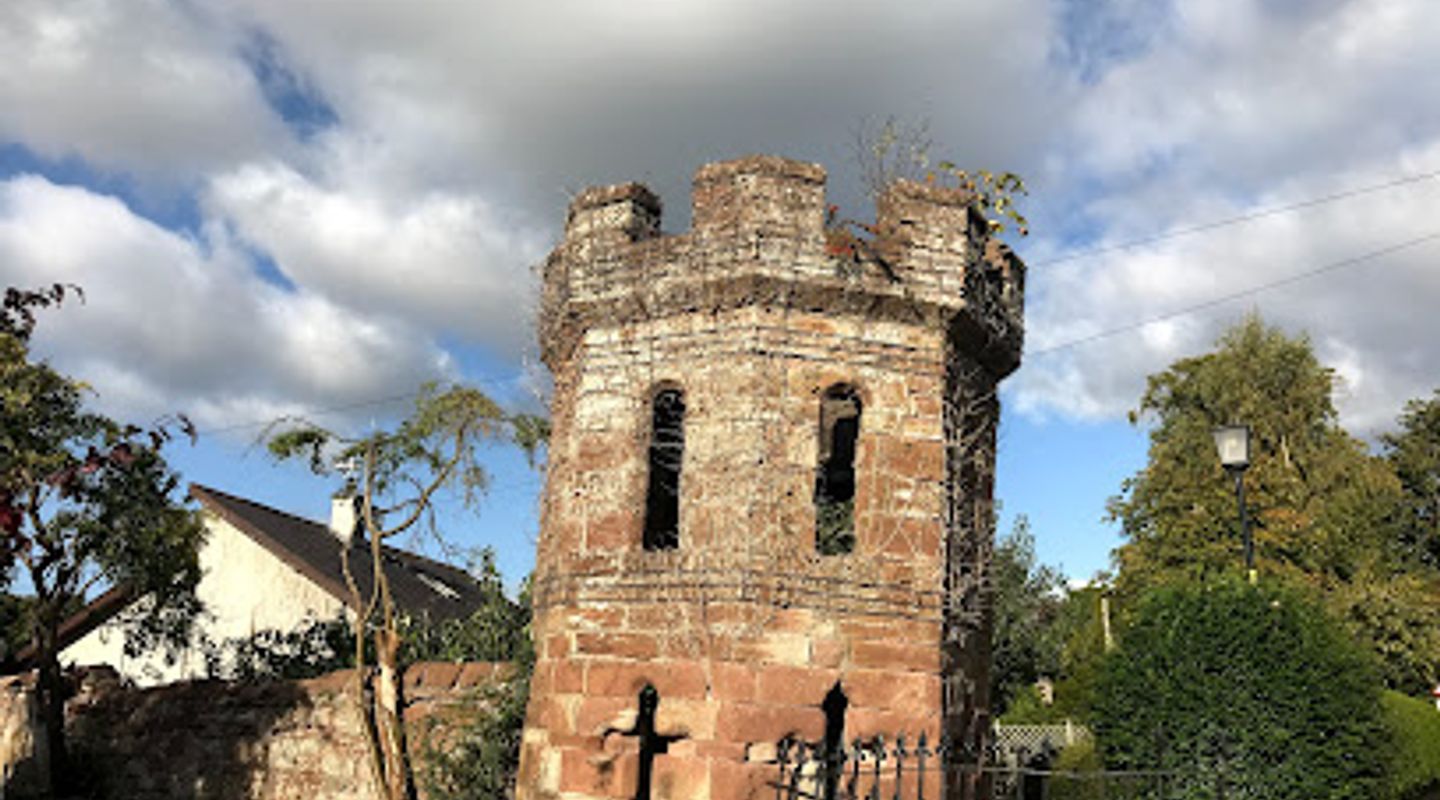
The Dingwall Castle Doocot is a historic dovecote that once formed part of the medieval Dingwall Castle complex in the Scottish Highlands. This distinctive octagonal tower, featuring gun loops and a vaulted roof with nest holes, stands as a rare remnant of a castle largely lost to time. It reflects the castle’s strategic importance and the adaptations made during the 16th century, offering visitors a tangible link to Scotland’s turbulent history and architectural heritage.
On-site amenities
 Seating areas
 Information boards
- Address
- 25 Castle St, Dingwall IV15 9HU
Getting there
Bus
Train
Car
Walking
Discover more about Dingwall Castle Doocot
Medieval Origins and Strategic Significance
Dingwall Castle was established in the 11th century by Norse settlers in what is now eastern Ross-shire, Scotland. It was a royal stronghold and played a key role during the Wars of Scottish Independence, being held by English forces under Edward I before being reclaimed by Scottish forces loyal to Robert the Bruce. The castle was the seat of the Earls of Ross, who governed the northern Highlands from this commanding position. Its location at the head of the Cromarty Firth gave it strategic access to the west and north coasts, making it a vital military and administrative hub for centuries.
The Doocot’s Architectural and Functional Evolution
The Dingwall Castle Doocot, now a small octagonal tower approximately 4 meters high and 3.7 meters in diameter, was originally one of the castle’s corner towers. In the early 16th century, Andrew Stewart, Bishop of Caithness and Chamberlain of Ross, transformed this tower into a dovecote. The structure features thick walls pierced by gun loops on three south-facing sides, a vaulted low-domed roof inside, and numerous nest holes for pigeons. This adaptation reflects the castle’s dual role as both a defensive fortress and a self-sustaining estate, where pigeons provided a valuable source of meat and fertilizer.
Historic Conflicts and Castle Enhancements
Throughout its history, Dingwall Castle witnessed numerous conflicts, including assaults by the MacDonalds and Mackenzies clans. In 1507, Bishop Stewart undertook significant repairs and improvements, including building a new Great Hall and strengthening defenses with artillery such as serpentines and hagbuttis. The doocot’s gun loops suggest it also served a defensive purpose. The castle’s governors included notable figures such as Andrew Keith, Lord Dingwall, and John Stewart, 2nd Earl of Atholl. However, by the early 17th century, the castle was abandoned and fell into ruin.
The Castle’s Decline and the Doocot’s Survival
After the Crown ceased maintaining Dingwall Castle around 1600, the fortress gradually deteriorated. Stones from the castle were quarried for other constructions, and by 1818 the site was largely leveled. The doocot, however, survived as a solitary relic, preserved within the town on Castle Street. Its survival offers a rare glimpse into the castle’s original footprint and medieval Scottish architecture. Today, it stands as a scheduled monument, protected for its historical and cultural significance.
Local Legends and Hidden Connections
Local lore speaks of a secret tunnel connecting Dingwall Castle to nearby Tulloch Castle, over a mile away. Although the tunnel is believed to have collapsed and its exact route lost, an air vent remains visible on Tulloch Castle’s lawn, sparking imaginations about medieval engineering feats. The doocot itself, with its distinctive design and features, continues to intrigue visitors and historians alike.
Present-Day Context and Visitor Experience
Situated in the heart of Dingwall, the doocot offers a peaceful atmosphere contrasting with the town’s lively streets. Surrounded by gardens and close to other heritage sites, it invites contemplation of Scotland’s layered history. While the castle itself is no longer visible, the doocot’s imposing form and historical resonance make it a compelling destination for those interested in medieval architecture, Scottish history, and the enduring legacy of the Highlands.
Evendo Review Centre
 Google
Guest reviews
Best time to go
Quietest: Jan, Feb & Dec · before 6am or at 10pm
Busy times are Evendo estimates for a typical year, to help you plan. Actual crowds vary with events, school holidays and the weather.
Explore Dingwall Castle Doocot on the map
A handpicked selection of must-see spots near Dingwall Castle Doocot, mapped for you.
Get your free copy of our complete guide to Dingwall Castle Doocot, delivered straight to you.
Everything on this page, from opening hours and how to get there to Eve’s tips and the best time to go, in one PDF you can read offline, print or share.
Already have an account? Sign in
Your Dingwall Castle Doocot guide is ready.
We'll send it to · Not you? Sign out

Getting your guide ready…
We are putting together a fresh copy of the Dingwall Castle Doocot guide. This can take up to a minute.
This can take a few moments. If your browser asks, choose Allow so the download can start. You'll find the guide in your Downloads folder.
Nothing happened? Download it again
Sorry, the guide is taking longer than usual. Please try again in a minute, or get it by email instead.
Other nearby places you may find interesting
The closest places of the same kind, if this one is not quite what you had in mind.
-
-

-
-
-


Swipe for more places
More to explore near Dingwall Castle Doocot

 Best experiences near Dingwall Castle Doocot
 Best hotels near Dingwall Castle Doocot
 Best landmarks near Dingwall Castle Doocot
 Best attractions near Dingwall Castle Doocot
 Best shops near Dingwall Castle Doocot
 Best restaurants near Dingwall Castle Doocot
 Best bars near Dingwall Castle Doocot
Do you manage this location?
Take control to get all the benefits, like improved information, better appearance, and stronger visibility across AI-powered discovery.
Explore more
Explore more of Sutherland
Discover Sutherland, the untamed beauty of the Scottish Highlands, where rugged landscapes, serene lochs, and dramatic coastlines await the adventurous traveler.
Explore Sutherland
Explore more of United Kingdom
Discover the United Kingdom: A blend of rich history, stunning landscapes, and vibrant cities, offering a unique travel experience for every visitor.
Explore United Kingdom