

St Edward's Church, Stow-on-the-Wold: A Medieval Jewel with Legendary Doors
Medieval parish church famed for its ancient yew-flanked north door, Gothic architecture, and rich Cotswold heritage.
St Edward's Church in Stow-on-the-Wold is a medieval Church of England parish church renowned for its rich architectural history spanning from the 11th to 15th centuries, with Victorian restorations. Famous for its ancient yew-flanked north door, often linked to J.R.R. Tolkien’s Doors of Durin, the church features a cruciform layout, a striking 15th-century tower, and notable artworks including a 17th-century Flemish Crucifixion painting. It stands as a testament to the town’s wool trade wealth and Civil War history.
A brief summary to St Edward's Church
- 2 Crossways House the Square, Cheltenham, Stow-on-the-Wold, GL54 1AB, GB
- Visit website
- Duration: 0.5 to 2 hours
- Free
-
 Outdoor
- Mobile reception: 4 out of 5
Local tips
- Explore the north door and its ancient yew trees, often linked to Tolkien’s Doors of Durin legend.
- Admire the 15th-century tower’s battlements, pinnacles, and gargoyles for classic medieval craftsmanship.
- Look inside for the 17th-century Flemish Crucifixion painting by Gaspar de Crayer.
- Notice the medieval corbel beams in the nave roof, including one bearing the arms of a 15th-century rector.

For the on-the-go comforts that matter to you
- Restrooms
- Seating Areas
- Information Boards
Getting There
-
Bus
Local bus services connect Stow-on-the-Wold with Cheltenham and other nearby towns, with typical journey times of 30 to 50 minutes. Buses run several times daily but check schedules in advance as frequency may be limited on weekends and holidays. A single fare costs approximately £3-£5.
-
Car
Driving to St Edward's Church is straightforward via the A429 and local roads. Parking is available in public car parks near the town center, about a 5-minute walk from the church. Parking fees typically range from £1 to £3 per hour. Note that the church is located in a historic market town with narrow streets.
-
Train and Taxi
The nearest train stations are Kingham and Moreton-in-Marsh, both approximately 10 to 15 miles away. From there, a taxi ride to Stow-on-the-Wold takes about 20 to 30 minutes, costing around £25-£35. This option is useful if traveling from further afield without a car.
-
Walking
If staying within Stow-on-the-Wold, the church is easily accessible on foot from the town center. The walk involves cobbled streets and gentle slopes, suitable for most visitors, including those with moderate mobility.
St Edward's Church location weather suitability
-
 Any Weather
-
 Rain / Wet Weather
-
 Clear Skies
-
 Mild Temperatures
Discover more about St Edward's Church
A Tapestry of Architectural Eras
St Edward's Church is a remarkable example of evolving medieval architecture, constructed over several centuries from the 11th to the 15th. The building showcases a cruciform floor plan with a four-bay nave, north and south porches, wide aisles, a north transept, and a three-bay chancel complemented by an organ chamber and vestry. The tower, rising more than 80 feet, was completed by 1447 and features battlements, crocketed pinnacles, gargoyles, and a stair turret. The walls are built from rubble stone with a Cotswold stone roof, while the tower is ashlar with parapets. Elements of Norman masonry remain visible, especially in buttresses and string courses at the west end, while the nave roof contains 15th-century corbel beams bearing historical arms. Victorian-era restorations by architect John Loughborough Pearson in the 19th century preserved the church’s medieval character while adding Gothic Revival touches.The Enigmatic North Door and Yew Trees
One of the church’s most captivating features is its north door, flanked by two ancient yew trees planted approximately 300 years ago. This doorway, often called the 'Tolkien Door' or 'Hobbit Door,' is famed for its evocative, almost otherworldly appearance, inspiring local legend that it influenced J.R.R. Tolkien’s depiction of the Doors of Durin in his Middle-earth saga. While no documented evidence confirms Tolkien’s direct connection, his known visits to the Cotswolds and Oxford proximity fuel the myth. The door’s Gothic Revival styling, including a band of small windows atop the arch, adds to its unique charm, blending natural and architectural beauty in a rare symbiosis.Artistic and Historical Treasures Within
Inside, the church houses significant artifacts and artworks, such as a late 16th-century goblet-style font and stained glass by the 19th-century firm Wailes and Strang. A highlight is the early 17th-century Flemish painting of the Crucifixion by Gaspar de Crayer, gifted in 1875. The chancel, restored in Victorian times, contains a gilded memorial to the Chamberlayne family, local lords of the manor. The nave’s columns and ornamental nailheads hint at earlier ecclesiastical structures on the site. The tower holds some of the heaviest bells in Gloucestershire and features a clock installed in the 1920s, continuing a long tradition of timekeeping dating back to the 16th century.Historical Significance and Community Legacy
St Edward’s Church is deeply intertwined with the history of Stow-on-the-Wold, a town known for its wool trade prosperity and strategic location at the crossroads of ancient routes. The church’s wealth and expansions were funded largely by this trade. During the English Civil War, the church served as a prison for Royalist soldiers after the Battle of Stow in 1646, with memorials inside commemorating those events. Testamentary charities administered by the church historically supported the poor and infirm, including residents of nearby almshouses. Despite periods of disrepair, the church has been carefully conserved, maintaining its role as a spiritual and community hub.Visitor Experience and Atmosphere
Visitors to St Edward’s Church are greeted by a serene, historic atmosphere enriched by centuries of faith, artistry, and local lore. The interplay of medieval stonework, Gothic Revival features, and natural elements like the yew trees creates a tranquil yet evocative setting. The church’s elevated position in the Cotswold market town offers a sense of timelessness, inviting reflection on its layered past. Architectural details, from grotesque corbels to trefoil and quatrefoil window panels, reward close observation. The church remains an active parish, welcoming those who seek to connect with its heritage and spiritual presence.Preservation and Cultural Importance
Today, St Edward’s Church is a Grade I listed building, recognized for its exceptional architectural and historical importance. Its preservation ensures that future generations can appreciate the craftsmanship and stories embedded in its fabric. The church’s unique north door and ancient yews continue to captivate photographers and Tolkien enthusiasts alike, while its role in local history anchors it firmly as a cultural landmark in the Cotswolds.Iconic landmarks you can’t miss

Bliss Tweed Mill
11.3 km
A striking Victorian tweed mill in Chipping Norton, blending industrial heritage with elegant architecture and scenic Cotswold views.

Old Campden House
14.0 km
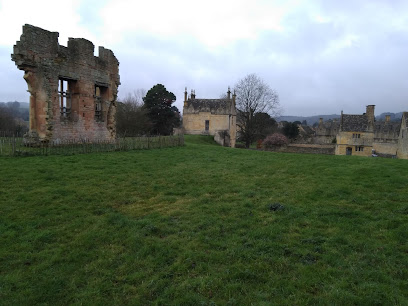
Explore the evocative ruins and Jacobean heritage of Old Campden House, a grand 17th-century mansion touched by history and time.
West Banqueting House
14.0 km
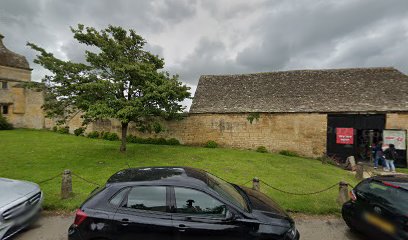
Experience the grandeur of Jacobean England in West Banqueting House, a beautifully preserved historic retreat in the heart of Chipping Campden.
Hailes Abbey
14.7 km
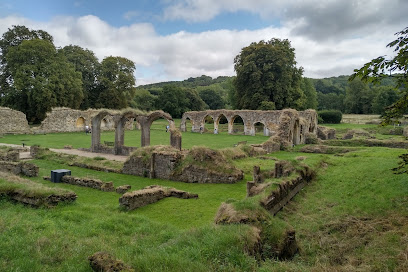
Discover the serene beauty and rich history of Hailes Abbey, a stunning Cotswolds gem that transports visitors back to medieval times.
Hailes Church
14.7 km
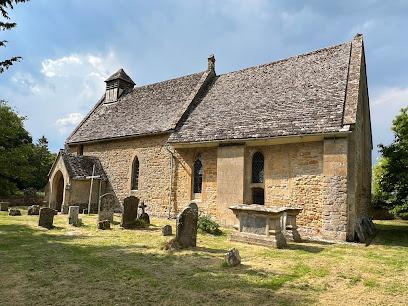
Explore the medieval Hailes Church and evocative ruins of Hailes Abbey, a royal-founded pilgrimage site famed for the Holy Blood relic.
National Trust - Dover's Hill
14.9 km
Discover the breathtaking views and diverse wildlife at Dover's Hill, a hidden gem in the heart of the Cotswolds, perfect for hiking and exploration.
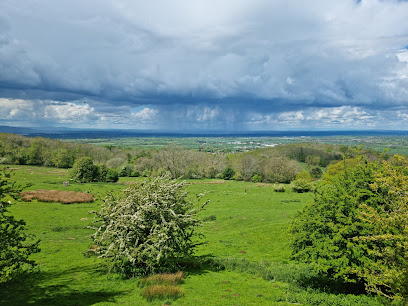
Sudeley Castle Gardens
16.0 km
Discover the breathtaking beauty and rich history of Sudeley Castle Gardens, a must-visit gem in the heart of the Cotswolds.

Sudeley Castle
16.0 km
Explore Sudeley Castle, a historical landmark in the Cotswolds, rich in royal history, stunning gardens, and family-friendly activities.

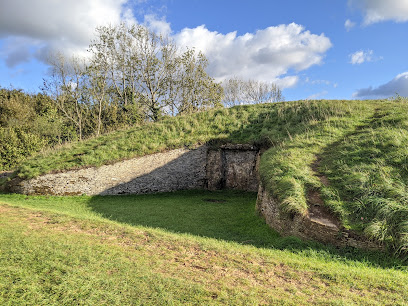
Belas Knap Long Barrow
16.9 km
A 5,000-year-old Neolithic mystery carved in stone, where ancient rituals and timeless Cotswolds views converge.
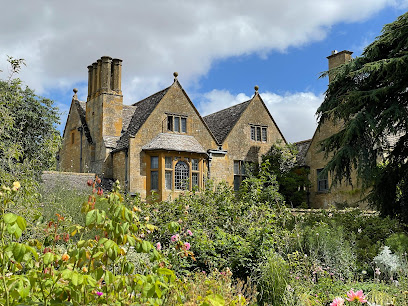
National Trust - Hidcote
17.1 km
Explore Hidcote Gardens, a masterpiece of garden design in the Cotswolds, featuring stunning landscapes and rich horticultural history.
Cotswold Wildlife Park & Gardens
18.1 km
Discover Cotswold Wildlife Park & Gardens, a beautiful sanctuary for wildlife enthusiasts, families, and nature lovers in the heart of the Cotswolds.

Chedworth Nature Reserve
18.2 km
Discover the serene beauty of Chedworth Nature Reserve, a hidden gem in Cheltenham offering lush landscapes and diverse wildlife for nature lovers.

National Trust - Chedworth Roman Villa
18.4 km
Explore the remarkable Chedworth Roman Villa, a historic site showcasing the grandeur of Roman architecture and lifestyle in stunning Cotswold scenery.
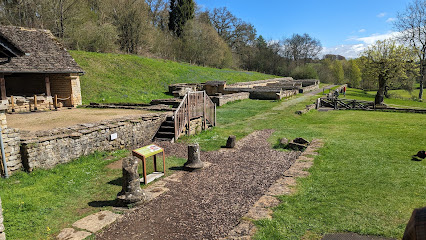
Whittington Court
18.5 km
Explore the enchanting Whittington Court, a historical landmark in Cheltenham, offering stunning architecture and serene gardens perfect for a leisurely visit.
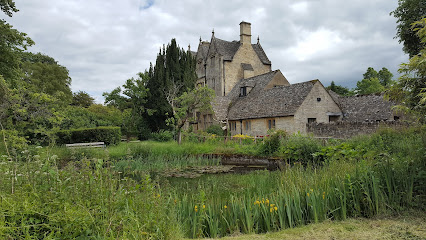
Undiscovered Cotswolds
19.4 km
Discover the natural beauty and rich history of the Undiscovered Cotswolds, a unique tourist destination perfect for your next adventure.
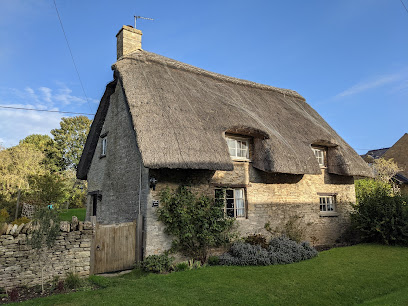
Unmissable attractions to see

Market Square
0.1 km
Historic Market Square at the heart of Stow-on-the-Wold, where centuries of trade, architecture, and English rural charm converge.

Cotswolds AONB
0.1 km
Explore the Cotswolds AONB: rolling hills, honey-hued villages, and timeless English countryside charm across nearly 800 square miles.
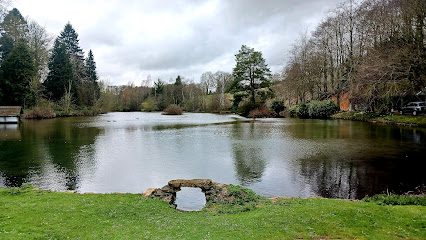
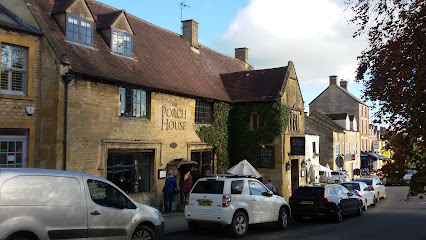
The Porch House
0.2 km
Experience England’s oldest inn, The Porch House, where medieval history meets modern comfort in the heart of the Cotswolds.
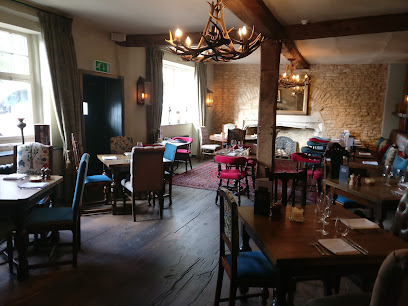
Lady’s Well
1.4 km
Discover the tranquil Lady’s Well in Lower Swell, a historic holy spring famed for its healing waters and timeless spiritual traditions.

The Old Mill
4.2 km
Historic 19th-century watermill on the River Eye offering museum exhibits, local crafts, and riverside café in charming Lower Slaughter.
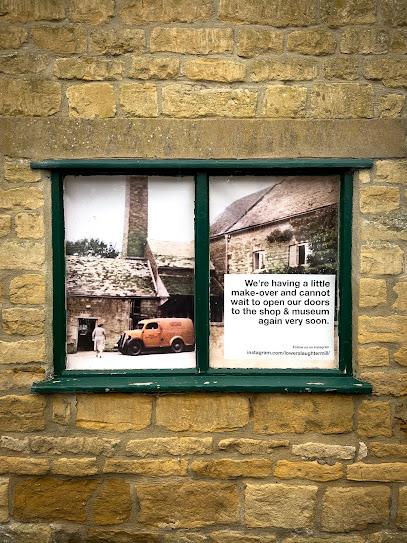
Lower Slaughter Museum
4.2 km
Historic Old Mill museum in a tranquil Cotswold village, showcasing rural milling heritage beside the scenic River Eye.
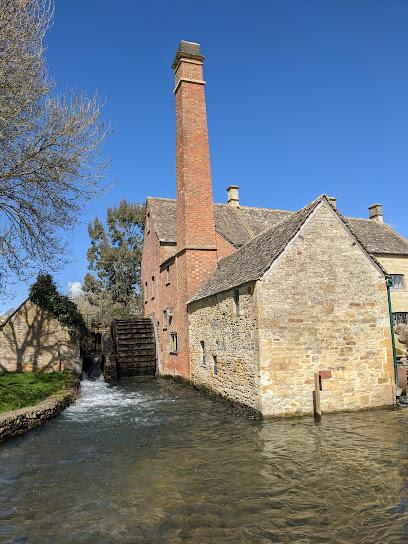
Upper Slaughter
4.4 km
Discover Upper Slaughter, a serene Cotswold village where history, nature, and timeless English charm converge along the tranquil River Eye.

Lower Slaughter
4.4 km
Discover Lower Slaughter, a serene Cotswold village where historic charm meets riverside tranquility and timeless English beauty.
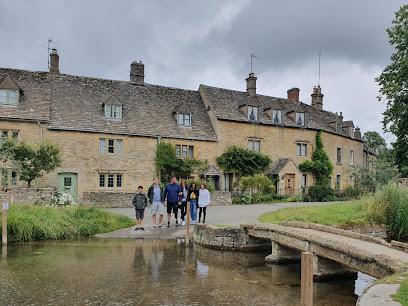
Cotswold Barn
4.4 km
Charming family-run café and gift shop in a rustic barn with scenic countryside views and lively motor events in the North Cotswolds.
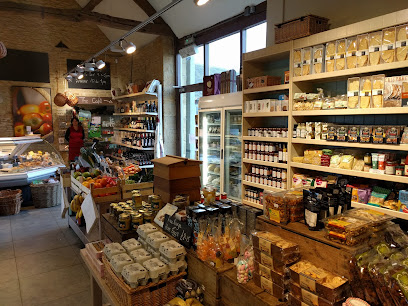
Greystones Farm Nature Reserve
5.2 km
Explore ancient history and vibrant wildlife in the tranquil meadows and rivers of Greystones Farm Nature Reserve.
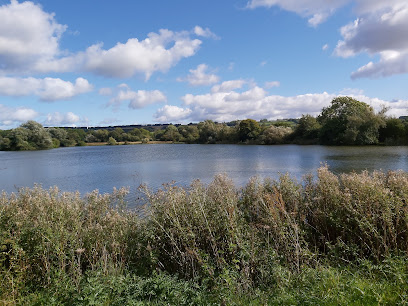
Bourton-on-the-Water
5.5 km
Experience the charm of Bourton-on-the-Water, the 'Venice of the Cotswolds,' with its scenic river, historic bridges, and family-friendly attractions.

Cotswold Motoring Museum & Toy Collection
5.6 km
Step back in time with vintage vehicles, nostalgic toys, and the beloved Brum in the heart of picturesque Bourton-on-the-Water.
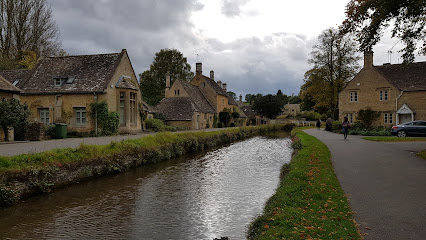
Daylesford Organic
5.6 km
Experience sustainable farming, organic dining, and wellness in the idyllic Cotswolds at Daylesford Organic Farm.
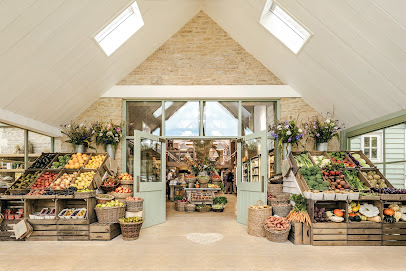
Once Upon A Candy Shop
5.6 km
A charming boutique sweet shop in Bourton-on-the-Water offering nostalgic treats with a premium twist amidst the scenic Cotswold village.

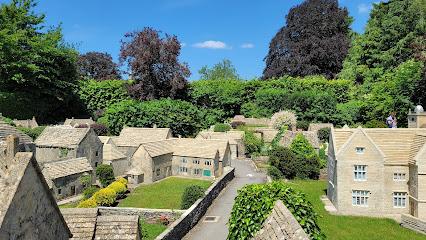
The Model Village
5.6 km
Step into a charming miniature world with the Grade II listed Model Village, a detailed 1:9 scale replica capturing Bourton-on-the-Water’s timeless Cotswold charm.
Essential places to dine

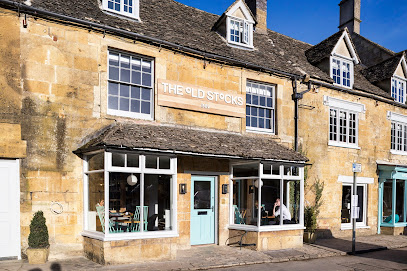
The Old Stocks Inn
0.1 km
Charming 17th-century boutique inn with refined British dining, cozy bar, and elegant rooms in the heart of Stow-on-the-Wold’s historic market square.
The Old Butchers
0.3 km
A family-run gem in Stow-on-the-Wold offering exquisite European cuisine in a warm, historic setting with exceptional seafood and steaks.
The Rose Tree Restaurant
5.6 km
Charming riverside British dining in a historic Cotswold cottage with cozy interiors and scenic garden views.

The Croft Restaurant
5.7 km
A charming riverside restaurant in Bourton-on-the-Water serving fresh, locally sourced English cuisine in a welcoming and scenic setting.

Horse and Groom
7.0 km
Quintessential Cotswolds pub with hearty British fare, cozy rooms, and stunning countryside views in Bourton-on-the-Hill.

The Wild Rabbit
7.1 km
Charming Georgian inn in Kingham offering refined British cuisine, eco-conscious hospitality, and stylish countryside retreats in the heart of the Cotswolds.
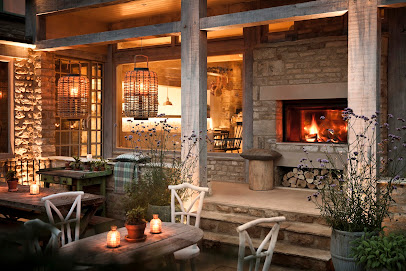
The Kingham Plough
7.2 km
A charming Cotswold village inn blending traditional character with modern British cuisine and stylish comfort in the heart of Kingham.
The Chequers, Cotswolds
9.3 km
A stylish Cotswold gastropub in Churchill, serving elevated pub classics in a warm, lively atmosphere with a lovely garden and a strong local following.

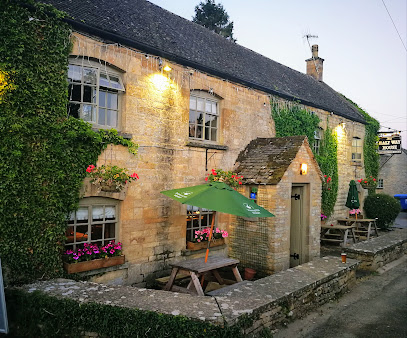
The Halfway at Kineton
9.4 km
A charming 17th-century Cotswold pub blending rustic ambiance with refined seasonal British cuisine and warm hospitality.
Whistlers Restaurant
12.3 km
Whistlers Restaurant offers vibrant modern British dining with fresh ingredients, lively atmosphere, and a welcoming bar in Chipping Norton.

the scenic supper
12.4 km
Experience farm-to-table dining in a stunning Cotswold glasshouse with seasonal menus and panoramic countryside views.
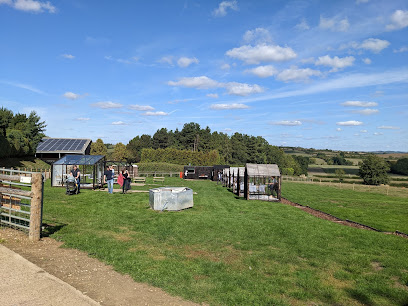
Fig Restaurant, Campden
14.0 km
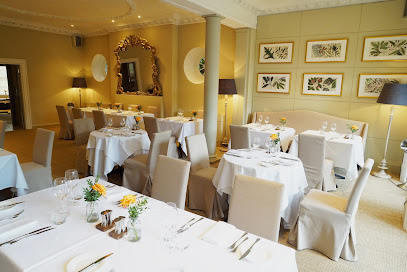
A stylish modern European restaurant in Chipping Campden, serving seasonal dishes and elegant afternoon tea within the Cotswold House Hotel & Spa.
The Shed
14.2 km
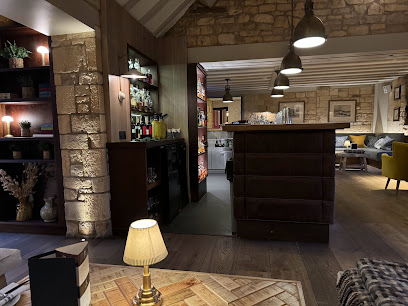
A relaxed Cotswold bar and restaurant with roaring fires, local food, and a convivial atmosphere, perfect for drinks, light meals, and easygoing evenings.
The Ebrington Arms
14.2 km
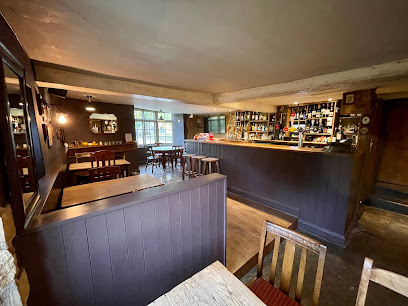
A timeless Cotswold village pub offering rustic charm, gourmet dining, and cozy country accommodation in idyllic Ebrington.
The Back Garden
14.2 km
Elegant garden-inspired dining at Dormy House, blending Cotswold produce with Mediterranean flair in a sunlit, serene setting.
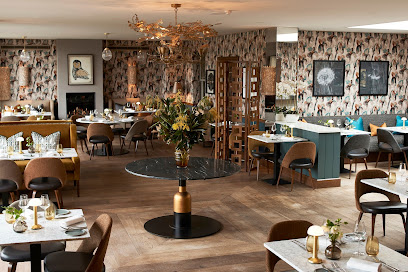
Markets, malls and hidden boutiques

The Cotswold Company (Flagship Store)
0.1 km
Step into a beautifully styled Cotswold home at The Cotswold Company’s flagship store in Stow-on-the-Wold, where timeless furniture and homewares come to life.
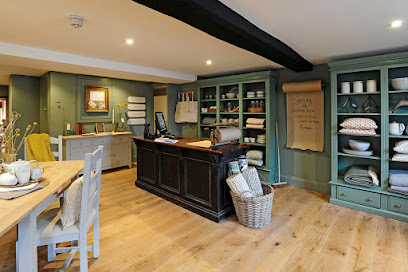
The Curated Store
0.1 km
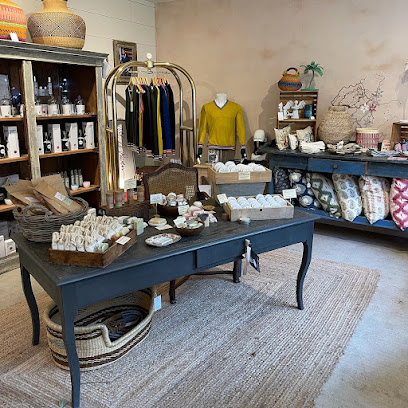
Discover unique vintage fashion, artisan homewares, and timeless treasures in the heart of Stow-on-the-Wold’s charming market square.
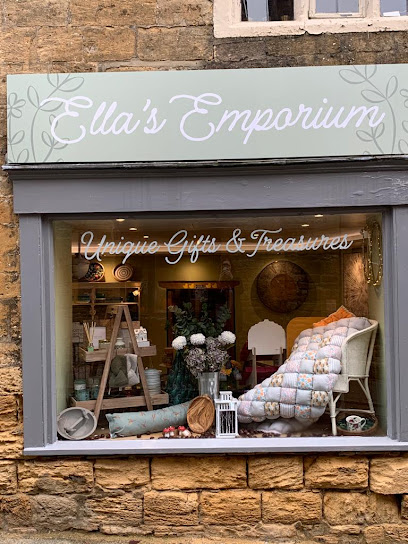
Ella's Emporium
0.1 km
A charming Cotswold gift shop with handmade fudge, unique homewares, and a warm, welcoming atmosphere in the heart of Stow-on-the-Wold.
Cotswold Picture Shop
5.1 km
Discover authentic Cotswold art and unique gifts in a charming Bourton-on-the-Water boutique open daily until midnight.

Cotswold China & Cookware
5.5 km
Discover exquisite British chinaware and cookware in a charming boutique nestled in the heart of Bourton-on-the-Water.

Chestnuts Fashion Fix
5.5 km
Discover unique vintage-inspired fashion and accessories in the heart of Bourton-on-the-Water’s charming High Street.

The Cotswold Shop
5.5 km
Charming boutique offering handcrafted gifts and traditional sweets in one of Bourton-on-the-Water’s oldest buildings.
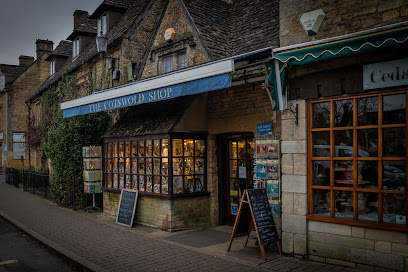
Quirky
5.6 km
Discover unique gifts and local artisan treasures in the heart of Bourton-on-the-Water’s charming High Street.
The Lodestone
5.6 km
Discover dazzling crystals and minerals with expert guidance in the heart of charming Bourton-on-the-Water.

Cotswold Perfumery
5.6 km
Experience bespoke English fragrances, immersive perfume courses, and luxury riverside stays in the historic heart of Bourton-on-the-Water.

Caboodle
5.7 km
Handcrafted treasures and local artisan finds in the heart of picturesque Bourton-on-the-Water.
The Cotswold Snug
6.9 km
Discover authentic Cotswold crafts and gifts in a cozy, welcoming shop nestled in the heart of Moreton-in-Marsh’s historic High Street.
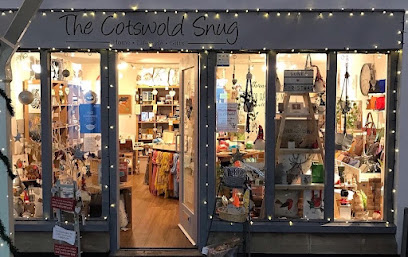
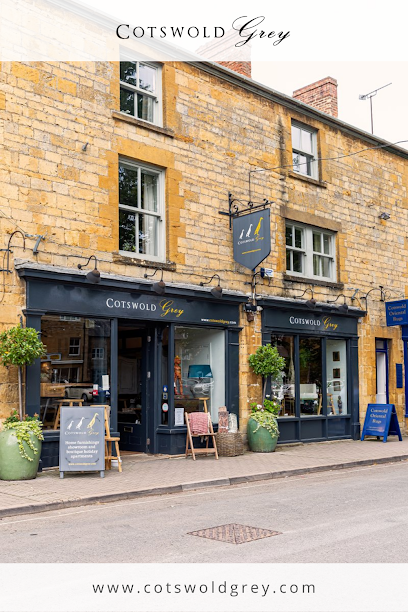
Cotswold Grey
7.0 km
Discover rustic elegance and expert interior design at Cotswold Grey, Moreton-in-Marsh’s premier home furniture and décor destination.
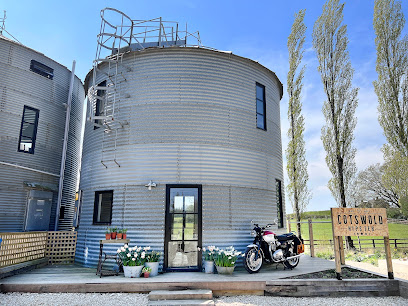
Cotswold Hipster
9.1 km
Handcrafted artisan leather bags and stylish dog accessories blending vintage charm with modern functionality in Chipping Norton.
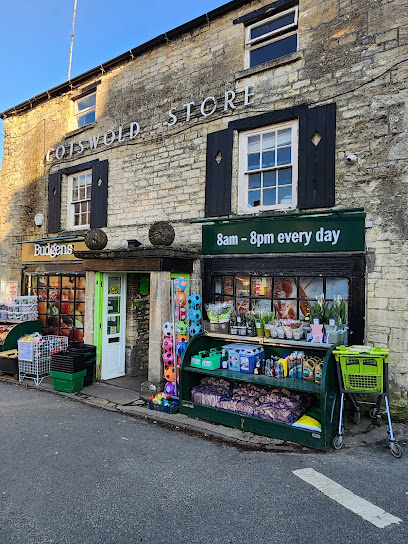
The Cotswold Stores
13.6 km
A welcoming convenience store in historic Northleach’s Market Place, offering local treats and everyday essentials daily from 8 AM to 8 PM.
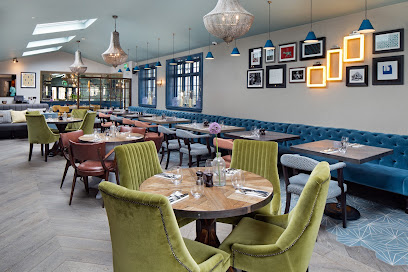
Essential bars & hidden hideouts

Sheep on Sheep Street
0.2 km
Historic charm meets modern comfort at The Sheep on Sheep Street, a vibrant inn and pub in the heart of Stow-on-the-Wold.
The Coach & Horses
4.1 km
A cosy, traditional Cotswold pub in Longborough serving hearty fare, local ales, and welcoming guests with charming B&B rooms.
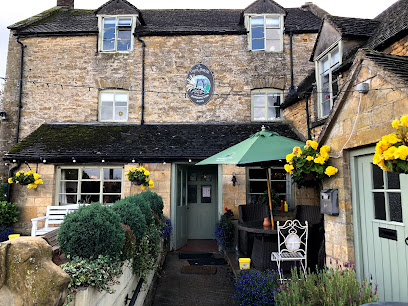
The Fox at Oddington
4.2 km
Historic 16th-century Cotswold pub blending rustic charm with organic cuisine and cozy countryside stays in Lower Oddington.
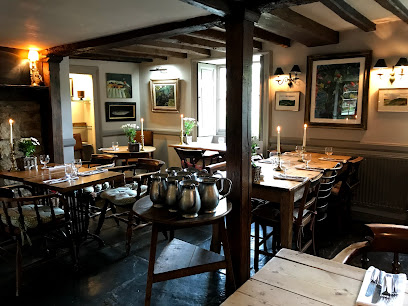
Kingsbridge
5.6 km
A classic riverside pub in Bourton-on-the-Water offering hearty British fare, cask ales, and warm hospitality in a scenic Cotswold village setting.

Hollow Bottom
9.9 km
A historic Cotswold pub blending hearty local fare, warm hospitality, and scenic countryside charm in the heart of Guiting Power.
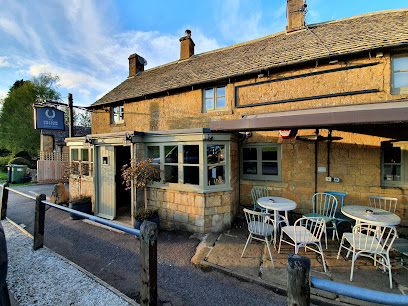
The Lamb Inn
12.0 km
Historic 17th-century coaching inn in Oxfordshire’s Cotswolds, blending rustic charm, hearty British cuisine, and cozy guest rooms.

Snowshill Arms
12.4 km
Authentic Cotswold pub offering hearty fare, friendly service, and a welcoming atmosphere in the picturesque village of Snowshill.
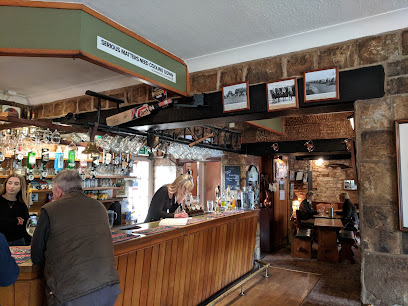
The Bakers Arms
12.5 km
A timeless Cotswold pub offering hearty fare and warm hospitality in the heart of Broad Campden’s historic village.
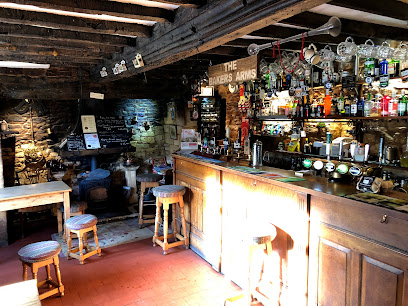
Eight Bells Inn
14.1 km
Historic 14th-century inn with cozy rooms, classic pub fare, and a warm, dog-friendly atmosphere in the heart of Chipping Campden.
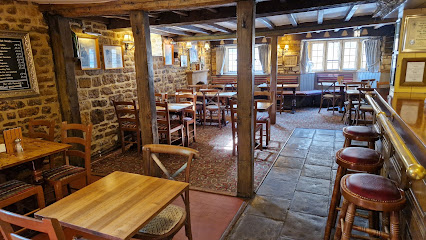
The Cotswold Arms
14.7 km
Historic 15th-century pub in Burford blending local ales, homemade food, live music, and a cozy beer garden for all ages.
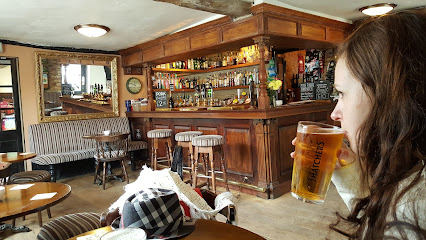
Broadway
14.8 km
A welcoming Bournemouth pub serving classic fare, live sports, and a vibrant community atmosphere with inclusive dining options.
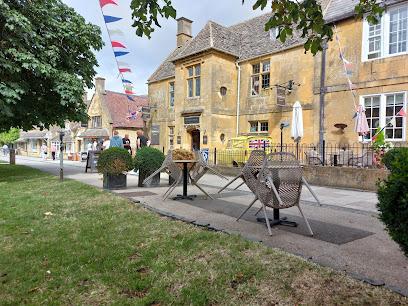
The Lion Inn
16.8 km
Historic 15th-century coaching inn in Winchcombe offering cozy rooms, hearty British fare, and a warm, inviting atmosphere in the heart of the Cotswolds.

The Watering Hole - Event Bars
17.8 km
Discover The Watering Hole, where exceptional cocktails and event planning unite in the stunning Cotswolds, perfect for weddings and gatherings.
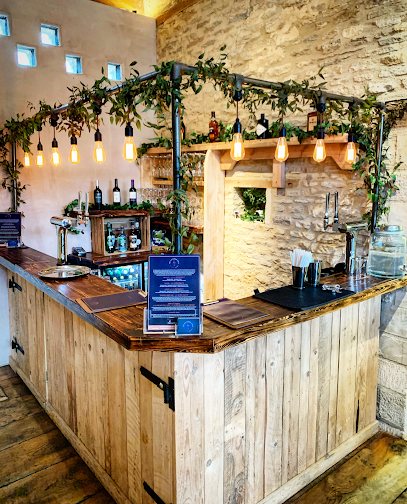
The Howard Arms Ilmington
18.1 km
A charming 400-year-old Cotswold inn blending historic warmth, fine dining, and stylish comfort in the heart of Ilmington village.
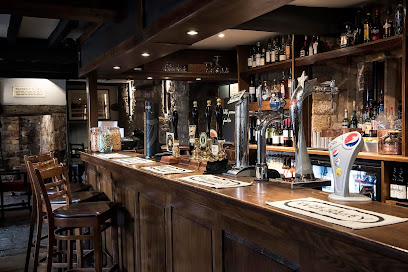
THE STUMP
20.4 km
A historic Cotswolds coaching inn blending rustic charm, acclaimed wood-fired pizzas, and cozy rooms for a quintessential English countryside experience.
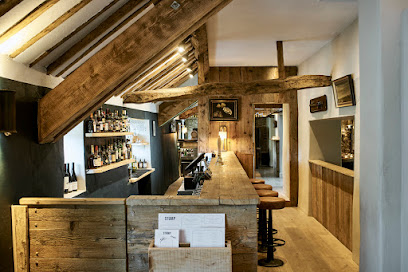
Nightclubs & after hour spots

2 PIGS
24.4 km
A lively Cheltenham nightclub with dual rooms spinning rock, punk, indie, and classic hits, known for affordable drinks and an alternative vibe.
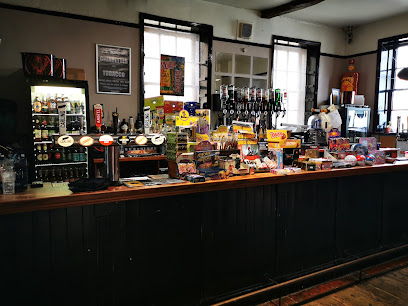
Coco
24.4 km
Cheltenham’s underground hotspot for vibrant nightlife, top DJs, and creative cocktails in a lively basement setting.
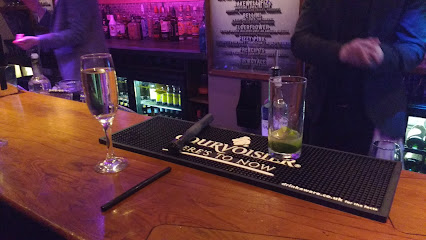
The 21 Club
24.4 km
Experience Cheltenham’s vibrant nightlife at The 21 Club, where music, dancing, and great drinks create unforgettable nights.
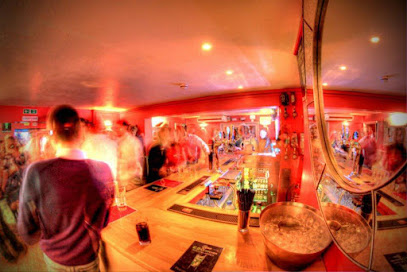
MooMoo Clubrooms Cheltenham
24.5 km
Experience Cheltenham’s vibrant nightlife with dynamic music, VIP vibes, and late-night energy at MooMoo Clubrooms.

Popworld - Cheltenham
24.5 km
Cheltenham’s lively late-night hotspot where cheesy pop tunes and creative cocktails fuel unforgettable party nights.
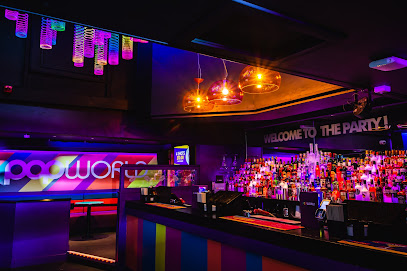
Home and Botanic Nightclub
24.6 km
Historic charm meets vibrant nightlife at Cheltenham’s Home and Botanic, a multi-room club offering cocktails, live piano, DJs, and unforgettable nights.

Thirteen Degrees
24.6 km
Cheltenham’s late-night hotspot for dancing, cocktails, and private events in a central urban setting.
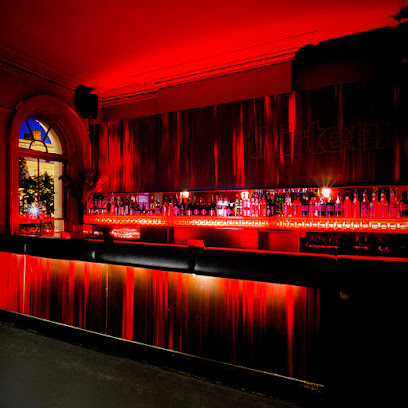
Under the Prom
24.6 km
Experience Cheltenham’s vibrant nightlife with premium drinks, three unique bars, and VIP service at Under The Prom nightclub.

The Stratford Upon Avon Bridge Club
28.6 km
Explore the vibrant community of The Stratford Upon Avon Bridge Club, where bridge enthusiasts gather for games, camaraderie, and local culture in a picturesque setting.
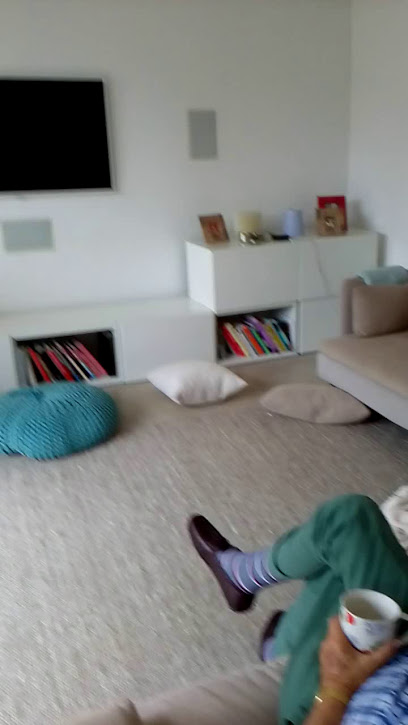
Fat Cat Comedy Club
29.1 km
Discover the joy of laughter at Fat Cat Comedy Club in Stratford-upon-Avon, where each show promises an unforgettable night of entertainment.
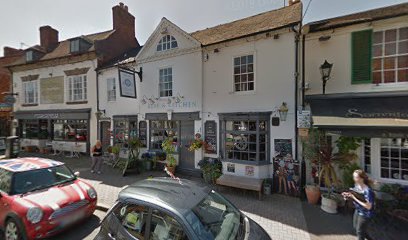
ReVA Nightclub
29.1 km
Cirencester’s largest nightclub offering electrifying music, stylish cocktails, and a vibrant atmosphere for unforgettable nights.
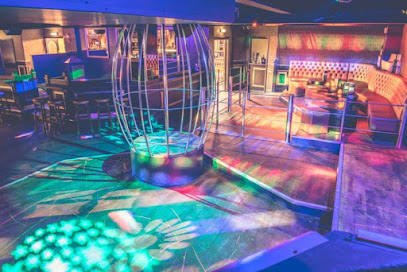
Stratford Play House
29.2 km
Discover the vibrant world of performing arts at Stratford Play House, where drama, comedy, and culinary delights come together in Stratford-upon-Avon.
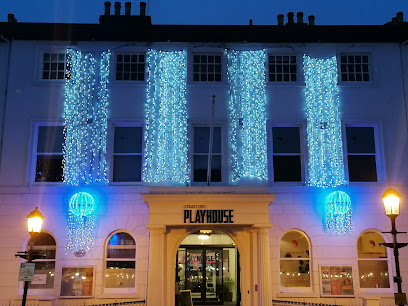
Caz Bar Nightclub
29.3 km
Experience Stratford-upon-Avon's glamorous late-night vibe at Caz Bar, a vintage cellar nightclub with live DJs, dancers, and premium drinks until dawn.
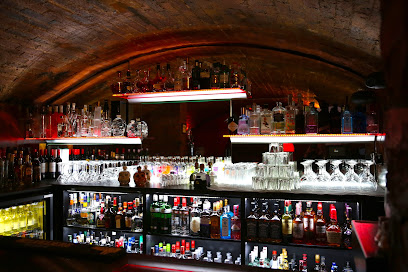
ATIK Gloucester
36.2 km
Gloucester’s largest nightclub, ATIK pulses with vibrant music, student nights, and an energetic party atmosphere until the early hours.

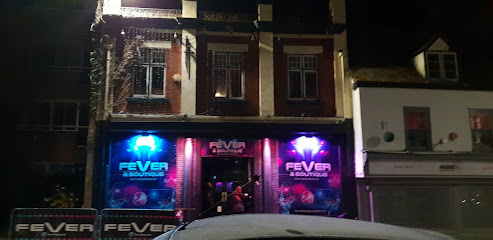
Bar Fever Gloucester
36.3 km
Experience Gloucester’s vibrant nightlife at Bar Fever, a trendy nightclub with dynamic music, stylish interiors, and a welcoming atmosphere.
For the vibe & atmosphere seeker
- Tranquil
- Scenic
- Unique
- Historic
For the design and aesthetic lover
- Rustic Designs
- Vintage Styles
- Art Deco Styles
For the architecture buff
- Historic
- Landmarks
- Sacred Sites
For the view chaser and sunset hunter
- Iconic Views
- Sunset Spots
For the social media creator & influencer
- Instagrammable
- Photo Spots
- Selfie Spots
For the eco-conscious traveler
- Public-Transport Accessible
- Locally Managed
For the kind of experience you’re after
- Cultural Heritage
- Myth & Legends
- Photowalk
- Day Trip
- Weekend Getaway
For how adventurous you want the journey to be
- Easy Access
Location Audience
- Family Friendly
- Senior Friendly
- Child Friendly
- Solo Friendly
- Couple Friendly


