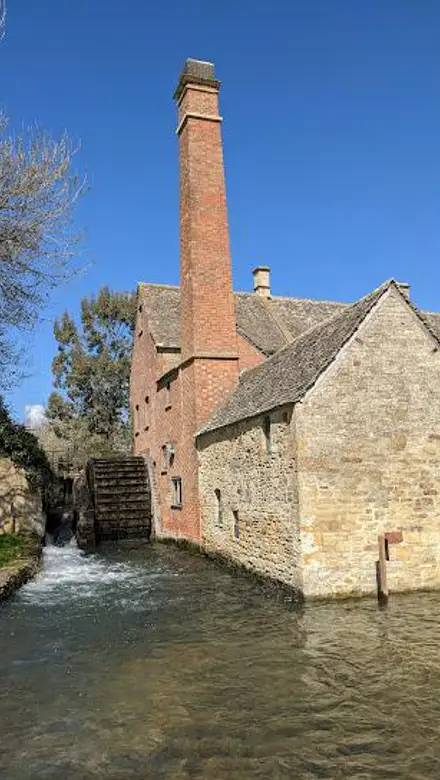
Lower Slaughter Museum Travel Guide
Free Guide: Step back in time at Lower Slaughter Museum, where historic milling meets tranquil riverside charm in the heart of the Cotswolds.


A brief summary of Lower Slaughter Museum
Step back in time at Lower Slaughter Museum, where historic milling meets tranquil riverside charm in the heart of the Cotswolds.
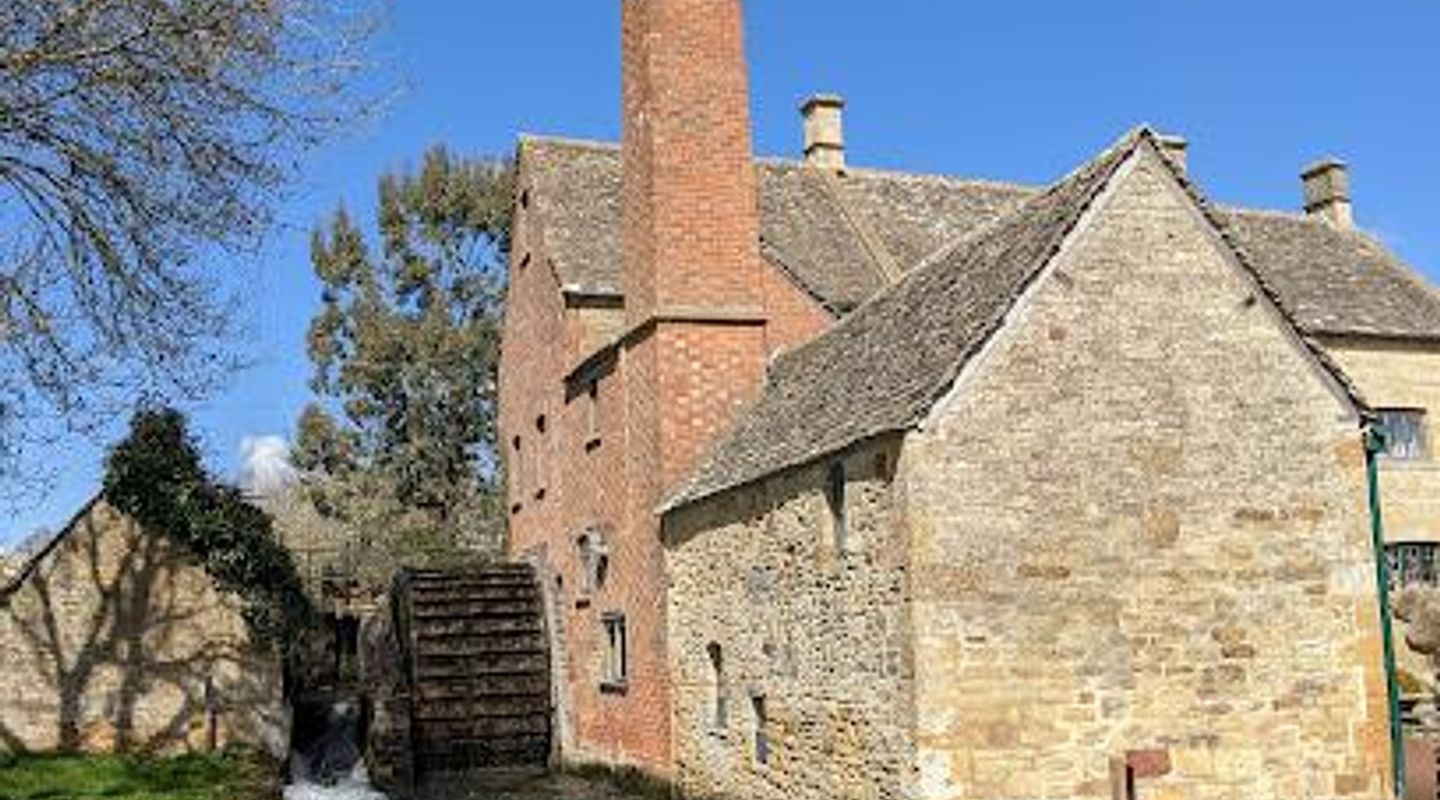
Located at 14 Mill Lane in the idyllic village of Lower Slaughter near Cheltenham, the Lower Slaughter Museum is housed in the historic Old Mill, a former working flour mill dating back to the 18th century. The museum showcases the traditional milling process, local rural life, and the evolution of the village through engaging exhibits. Set alongside the tranquil River Eye with its iconic waterwheel, the site offers a charming glimpse into Cotswold heritage and craftsmanship.
On-site amenities
 Restrooms
 Drink options
 Food options
 Seating areas
 Trash bins
 Information boards
- Address
- 14 Mill Ln, Lower Slaughter, Cheltenham GL54 2HX
Getting there
Bus
Car
Walking
Discover more about Lower Slaughter Museum
The Historic Heart of Lower Slaughter
Nestled in the picturesque Cotswold village of Lower Slaughter, the Old Mill stands as a testament to centuries of rural industry and community life. Although the site’s milling history dates back to the Domesday Book of 1086, the current mill building was constructed in the 18th century. It operated as a working flour mill until 1958, powered by the River Eye’s flowing waters and its iconic undershot waterwheel. The mill's red brick and stone architecture, crowned by a tall steam chimney, complement the village’s quintessential Cotswold charm.
A Living Museum of Milling and Village Life
Since reopening as a museum in 1995, the Old Mill has offered visitors an immersive experience into traditional milling techniques and rural heritage. Inside, you can explore the milling machinery, including the two sets of millstones used for grist and flour production, and see the intricate mechanisms that once brought the mill to life. Exhibits detail the evolution of breadmaking in the region and the role the mill played in village life. Though the museum closed in 2023 for renovations, plans for a new shop and café promise to revive its community spirit.
The Riverside Setting and Village Character
The museum’s location beside the gently flowing River Eye enhances its tranquil atmosphere. Stone footbridges cross the river, inviting leisurely strolls along the water’s edge. Nearby, the village retains many 16th- and 17th-century cottages, preserving the historic character that has made Lower Slaughter a favored filming location. The river ford is a popular spot in summer, while the adjacent Village Hall, built in 1887, hosts local art exhibitions and events, adding cultural depth to the village experience.
Local Heritage and Community Stories
The Old Mill’s story is intertwined with local families such as the Wilkins, who operated the mill in its later years, and the Collett family, who ran a bakery and post office on site. The museum’s displays and the surrounding village reflect centuries of craftsmanship, agriculture, and community resilience. Visitors can also discover nearby landmarks like St Mary’s Church, with its 12th-century origins and classic Cotswold stonework, enriching the historical tapestry of the area.
Visitor Experience and Future Prospects
Though currently closed for refurbishment, the Old Mill Museum remains a symbol of Lower Slaughter’s heritage. When reopened, the planned riverside café and gift shop will offer visitors a chance to relax and enjoy local produce while soaking in the scenic views. The museum and village together provide a peaceful, scenic destination for cultural heritage enthusiasts, photographers, and those seeking a quintessential English countryside experience.
Exploring Beyond the Museum
Lower Slaughter’s central location in the Cotswolds makes it an excellent base for exploring nearby attractions such as Upper Slaughter, Bourton-on-the-Water, and historic sites like Snowshill Manor and Hailes Abbey. The village’s charming streets, natural beauty, and rich history combine to create a memorable visit that captures the essence of rural England.
Evendo Review Centre
 Google
Guest reviews
Best time to go
Quietest: Jan, Feb & Dec · before 6am or at 10pm
Busy times are Evendo estimates for a typical year, to help you plan. Actual crowds vary with events, school holidays and the weather.
Explore Lower Slaughter Museum on the map
A handpicked selection of must-see spots near Lower Slaughter Museum, mapped for you.
Get your free copy of our complete guide to Lower Slaughter Museum, delivered straight to you.
Everything on this page, from opening hours and how to get there to Eve’s tips and the best time to go, in one PDF you can read offline, print or share.
Already have an account? Sign in
Your Lower Slaughter Museum guide is ready.
We'll send it to · Not you? Sign out

Getting your guide ready…
We are putting together a fresh copy of the Lower Slaughter Museum guide. This can take up to a minute.
This can take a few moments. If your browser asks, choose Allow so the download can start. You'll find the guide in your Downloads folder.
Nothing happened? Download it again
Sorry, the guide is taking longer than usual. Please try again in a minute, or get it by email instead.
Unlock the best of Lower Slaughter Museum
Skip-the-line tickets, guided tours with entry, and walking tours of the area, booked in a few clicks.


Other nearby places you may find interesting
The closest places of the same kind, if this one is not quite what you had in mind.
-
-
-
-
-


Swipe for more places
More to explore near Lower Slaughter Museum

 Best experiences near Lower Slaughter Museum
 Best hotels near Lower Slaughter Museum
 Best landmarks near Lower Slaughter Museum
 Best attractions near Lower Slaughter Museum
 Best shops near Lower Slaughter Museum
 Best restaurants near Lower Slaughter Museum
 Best bars near Lower Slaughter Museum
Do you manage this location?
Take control to get all the benefits, like improved information, better appearance, and stronger visibility across AI-powered discovery.
Explore more
Explore more of Warwickshire
Discover Warwickshire: A blend of Shakespearean charm, medieval history, and serene countryside in the heart of England.
Explore Warwickshire
Explore more of United Kingdom
Discover the United Kingdom: A blend of rich history, stunning landscapes, and vibrant cities, offering a unique travel experience for every visitor.
Explore United Kingdom