
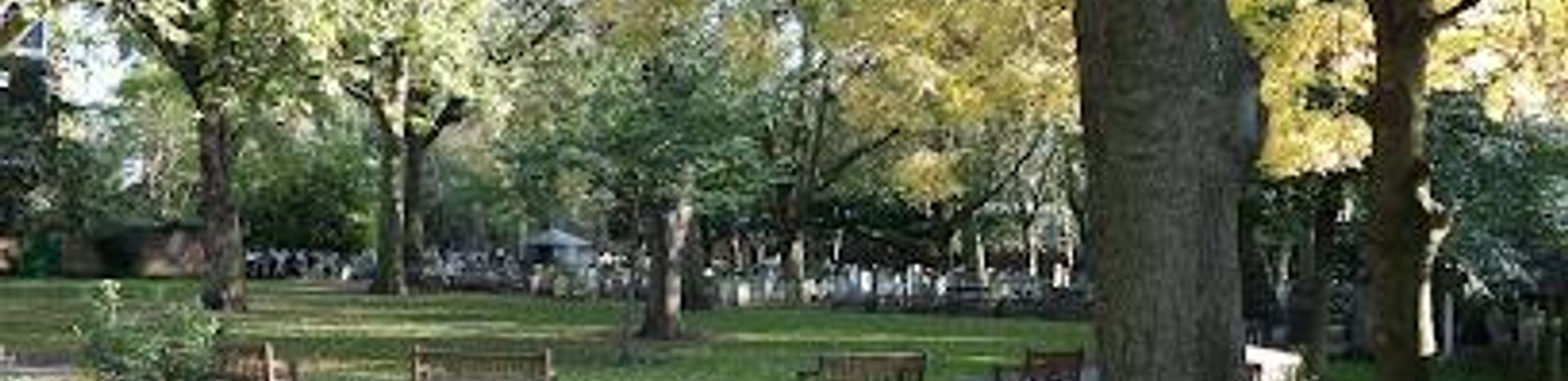
Bunhill Fields Burial Ground: London’s Historic Nonconformist Cemetery
Explore Bunhill Fields Burial Ground, a serene London garden preserving the legacy of nonconformist pioneers, literary giants, and rich cultural history.
Bunhill Fields Burial Ground in London is a historic cemetery famed for its nonconformist heritage, housing the remains of around 123,000 people from 1665 to 1854. It is the final resting place of notable figures such as John Bunyan, Daniel Defoe, and William Blake. Now a tranquil public garden managed by the City of London, it offers a unique glimpse into London’s religious dissenters and literary history amid mature trees and preserved monuments.
A brief summary to Bunhill Fields Burial Ground
- 38 City Rd, London, EC1Y 2BG, GB
- +442073744127
- Visit website
- Duration: 0.5 to 2 hours
- Free
-
 Outdoor
- Mobile reception: 4 out of 5
- Monday 8 am-4:30 pm
- Tuesday 8 am-4:30 pm
- Wednesday 8 am-4:30 pm
- Thursday 8 am-4:30 pm
- Friday 8 am-4:30 pm
- Saturday 9:30 am-4:30 pm
- Sunday 9:30 am-4:30 pm
Local tips
- Visit during weekday mornings for a quieter, more reflective experience away from weekend crowds.
- Take time to explore the memorials of John Bunyan, Daniel Defoe, and William Blake to appreciate their historical significance.
- Enjoy the mature trees and green spaces as a peaceful retreat from the bustling City of London nearby.
- Combine your visit with nearby Quaker Gardens to deepen your understanding of London’s nonconformist heritage.

For the on-the-go comforts that matter to you
- Seating Areas
- Information Boards
- Trash Bins
- Restrooms
Getting There
-
Public Transport
Take the London Underground to Old Street Station on the Northern Line, approximately a 10-minute walk to Bunhill Fields. Frequent services run throughout the day with a standard fare of £2.50–£5.00 depending on time and ticket type.
-
Bus
Bus routes 43, 205, and 214 serve City Road, stopping near Bunhill Fields. Travel time varies from 15 to 25 minutes from central London. Contactless payment or Oyster cards are accepted; fares cost around £1.75 per journey.
-
Walking
From Old Street or Moorgate stations, walking to Bunhill Fields takes about 15 minutes on mostly flat, paved urban streets. The route is wheelchair accessible with pedestrian crossings and sidewalks.
Bunhill Fields Burial Ground location weather suitability
-
 Any Weather
-
 Rain / Wet Weather
-
 Clear Skies
-
 Mild Temperatures
Discover more about Bunhill Fields Burial Ground
Origins and Historical Significance
Bunhill Fields Burial Ground dates back to 1665, established as a response to the urgent need for burial space during the Great Plague of London. The site’s name derives from "Bone Hill," a mound formed from cartloads of bones relocated from the demolished charnel house of St Paul’s Cathedral in the 16th century. Unlike traditional Anglican churchyards, Bunhill Fields was never consecrated and became a pioneering nondenominational burial ground favored by nonconformists—those who dissented from the Church of England. Over roughly two centuries, it accommodated an estimated 123,000 burials, making it one of London’s most densely used cemeteries of its era.Nonconformist Heritage and Notable Interments
The burial ground is particularly renowned for its association with religious dissenters, including Baptists, Methodists, Quakers, and other Protestant groups outside the established church. It became the final resting place for many prominent figures such as John Bunyan, author of "The Pilgrim’s Progress," Daniel Defoe, famed for "Robinson Crusoe," and the poet and artist William Blake. Their graves, along with over 2,000 surviving monuments, reflect the rich intellectual and spiritual history of London’s nonconformist communities. The site also holds the remains of George Fox, a founder of the Quakers, in a nearby related burial ground.Transformation into a Public Garden and Conservation
After its closure for burials in 1854, Bunhill Fields was acquired and maintained by the City of London Corporation from 1867 onward, transforming it into a public open space. The grounds were redesigned in the 19th and 20th centuries, including restoration efforts after damage sustained during World War II. Today, it is a Grade I listed historic park and garden, valued both for its cultural heritage and its role as a green oasis in a dense urban environment. The burial ground features mature trees such as London planes, oaks, and limes, supporting local biodiversity including birds and bats.Landscape and Visitor Experience
Visitors to Bunhill Fields find a peaceful atmosphere marked by well-maintained paths, avenues of trees planted in the 1870s, and quiet seating areas. The site’s layout preserves the grid pattern of historic burial plots, with monuments ranging from simple headstones to elaborate Victorian tombs. The garden’s mix of greenery and memorials provides a contemplative environment that connects visitors with London’s layered history of faith, dissent, and literary achievement.Legacy and Cultural Importance
Bunhill Fields stands as a testament to London’s religious diversity and the struggles of nonconformists to practice their faith freely. It also reflects broader social changes in burial practices and urban development during the 17th to 19th centuries. The site’s preservation and ongoing care by volunteers and the City of London ensure that this unique heritage remains accessible. It continues to inspire interest in the lives and works of those buried there, serving as a cultural landmark within the city.Connection to Surrounding Historic Sites
Located near the birthplace of Methodism and close to other Quaker sites, Bunhill Fields is part of a network of historic locations that highlight London’s rich religious and social history. The nearby Quaker Gardens, once a burial ground itself, complements the story of dissent and community in the area. Together, these sites offer a comprehensive understanding of the city’s nonconformist past and its impact on modern London.Iconic landmarks you can’t miss

St Christopher's Inn Liverpool Street
0.4 km
Budget-friendly hostel with a lively pub below, central to London’s financial district and Shoreditch’s creative energy.

Roman London Wall (St Alphage Garden Section)
0.7 km
Explore the ancient Roman and medieval layers of London's historic city wall nestled within the peaceful St Alphage Garden in Barbican.
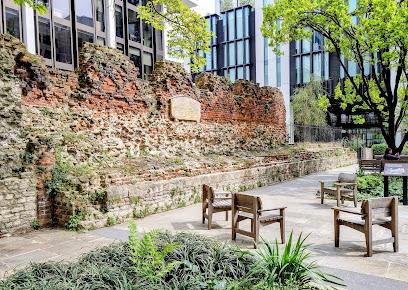
London City wall
0.8 km
Explore the ancient Roman and medieval London City Wall, a monumental symbol of the city’s enduring history and resilience.
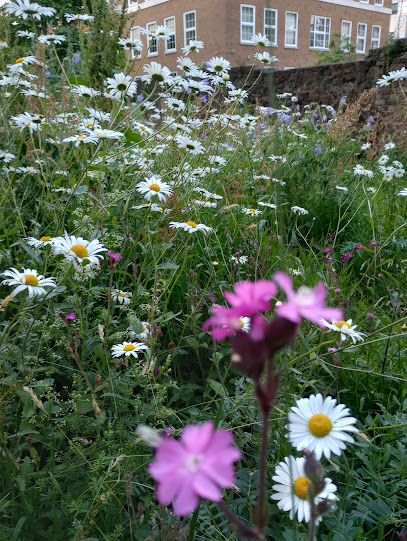
London City Wall - Bastion 14
0.8 km
Explore Bastion 14, a medieval bastion built on Roman foundations, revealing centuries of London’s ancient city defenses in the Barbican.
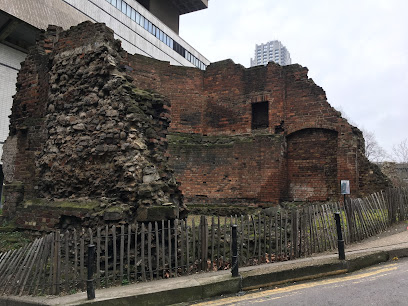
Shoreditch Church
0.9 km
Explore Shoreditch’s historic Palladian church, a sanctuary of Shakespearean theatre heritage and architectural grandeur in vibrant East London.
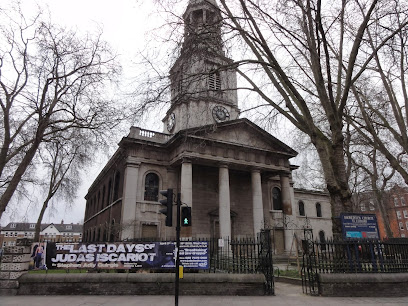
182 Bishopsgate
0.9 km
Discover 182 Bishopsgate, where London’s ancient gateway history meets the vibrant pulse of the modern financial district.
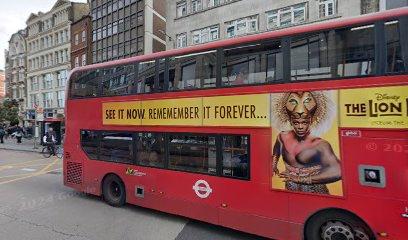
St Anne & St Agnes Church
1.0 km
Discover the serene St Anne & St Agnes Church, a historical Anglican gem in London, offering stunning architecture and a peaceful atmosphere.
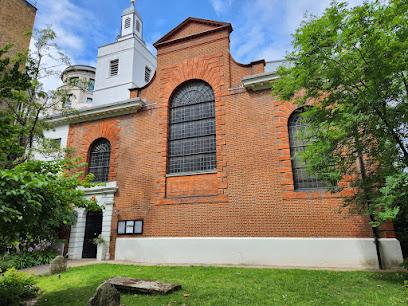
Arnold Circus
1.0 km
Arnold Circus: The historic heart of London's first council estate, born from slum clearance and social reform, now a vibrant community landmark.
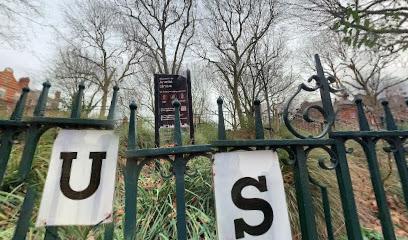
St Bartholomew's Gatehouse
1.0 km
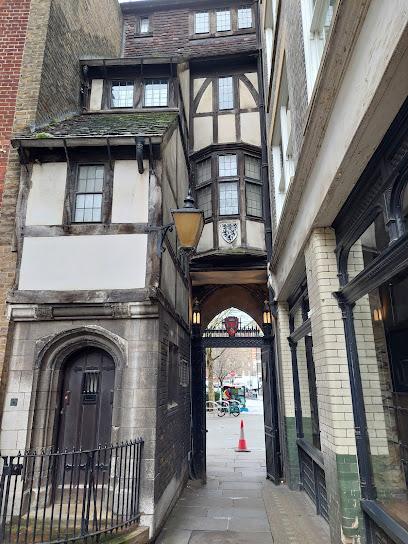
Discover one of London's rare Tudor survivors, the beautifully restored St Bartholomew's Gatehouse, standing proudly since 1595.
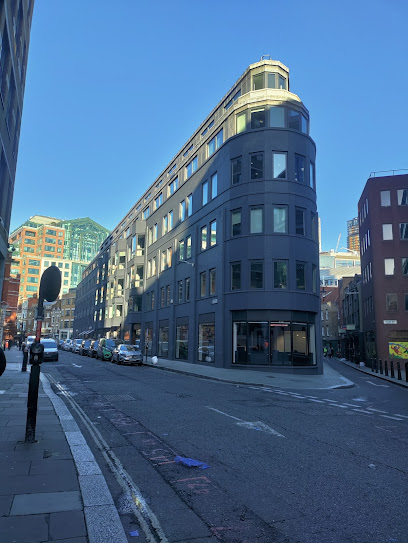
Northumbria University - London
1.0 km
Explore Northumbria University in London, where vibrant culture meets innovative education in the heart of the city.
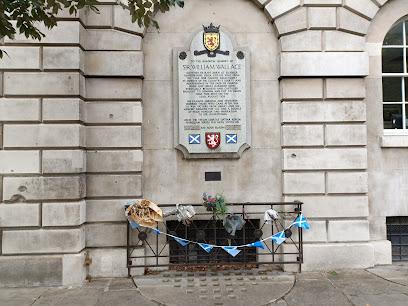
Sir William Wallace Memorial
1.0 km
A solemn 1956 memorial to Scotland's greatest patriot, executed here in 1305 for resisting English rule.
things to do in london
1.0 km
Discover the incredible history, culture, and culinary delights of London, a must-visit destination for every traveler seeking adventure and inspiration.

Trip Turkey
1.0 km
Discover Turkey's rich history and breathtaking landscapes with expertly guided tours from Trip Turkey, your gateway to unforgettable adventures.
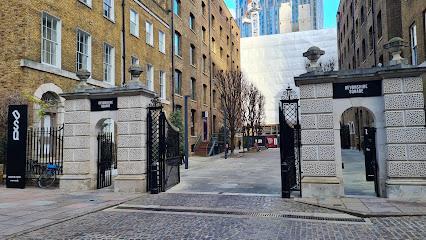
Devonshire Square
1.1 km
A vibrant historic campus blending heritage, modern workspaces, and lively lifestyle spaces in central London’s City.
Threadneedle St
1.1 km
Historic Threadneedle Street: London’s iconic financial artery, home to the Bank of England and centuries of economic heritage.
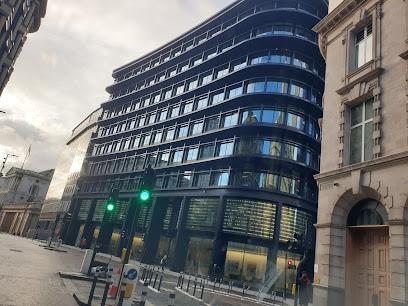
Unmissable attractions to see

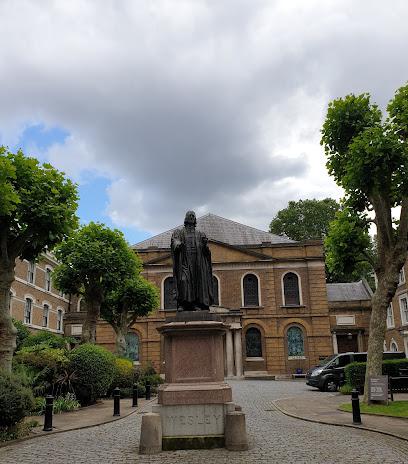
Museum of Methodism
0.1 km
Explore the rich history and enduring legacy of Methodism at John Wesley’s House and the Museum of Methodism in London’s historic City Road.
XOYO LONDON
0.3 km
Discover XOYO London: A dynamic nightlife venue with live music, eclectic events, and a stylish bar perfect for an unforgettable night out.

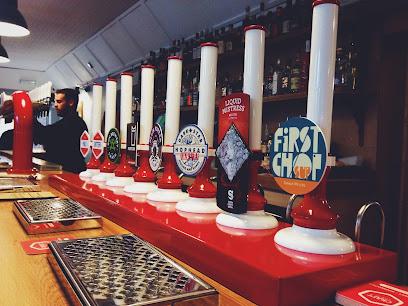
The Craft Beer Co. Old Street
0.3 km
A beloved Old Street pub offering an exceptional craft beer selection and knowledgeable service in a relaxed, unpretentious setting.
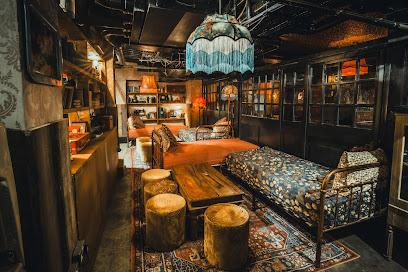
The Cocktail Club - Cocktail Bar near Old Street
0.4 km
Experience the vibrant atmosphere and expertly crafted cocktails at The Cocktail Club near Old Street, a must-visit for nightlife seekers in London.
Finsbury Square
0.4 km
A historic and tranquil green square in central London, blending rich heritage with modern commercial vibrancy.
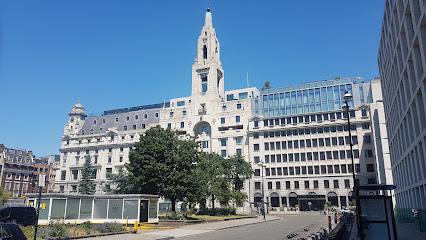
Old Fountain
0.4 km
Historic family-run pub in Old Street offering award-winning ales, hearty British fare, and a vibrant rooftop terrace in a unique dual atmosphere.
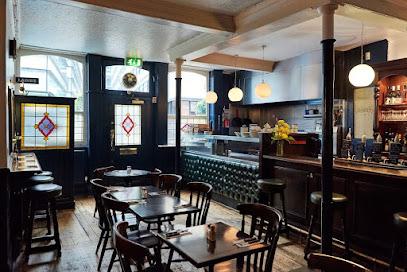
Floripa
0.4 km
Experience the vibrant fusion of Brazilian culture and London nightlife at Floripa, where creative cocktails and lively music meet.
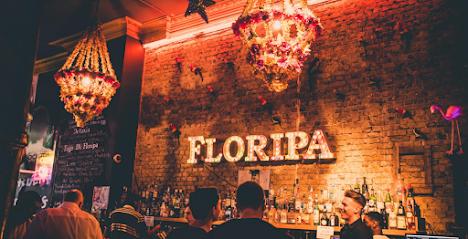
Bounce Old Street
0.5 km
A lively ping pong bar and event venue in Shoreditch blending sport, food, and nightlife for unforgettable social experiences.
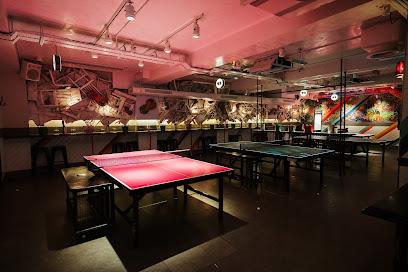
Barbican Centre
0.5 km
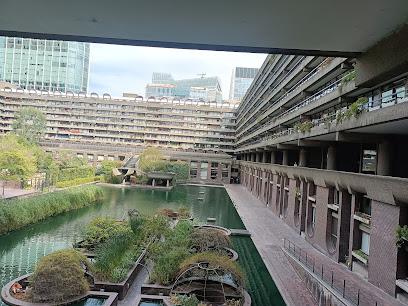
Europe’s largest multi-arts centre, a Brutalist architectural icon and vibrant cultural hub in London’s Barbican Estate.
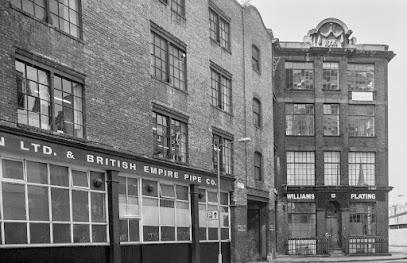
Westland Place Studios
0.5 km
Historic artist studios in Shoreditch fostering creativity and community since 1993 in a unique industrial setting.
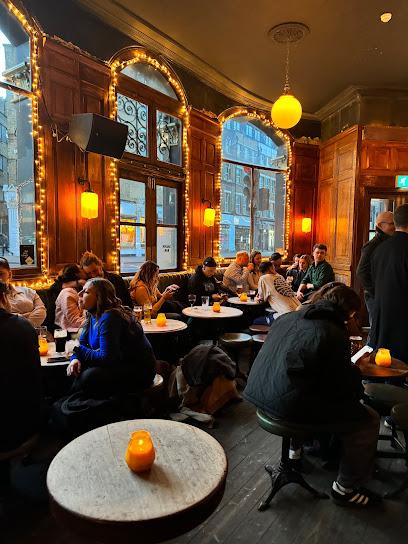
The Old Blue Last
0.6 km
Discover London's lively music scene at The Old Blue Last, a vibrant bar and live music venue perfect for an unforgettable night out.
City Unscripted
0.6 km
Experience London through the eyes of a local with City Unscripted, offering personalized tours that reveal the city's hidden treasures and vibrant culture.

The Hoxton Pony
0.6 km
Discover the vibrant nightlife at The Hoxton Pony in Shoreditch, where creative cocktails and a lively atmosphere make for an unforgettable evening.

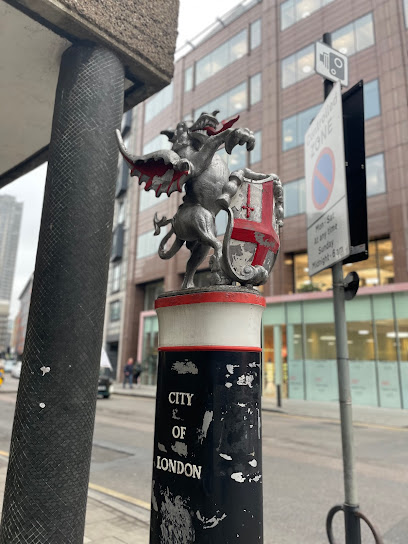
London dragon
0.6 km
Historic City of London dragon statue guarding the boundary beside the iconic post-war modernist Golden Lane Estate.
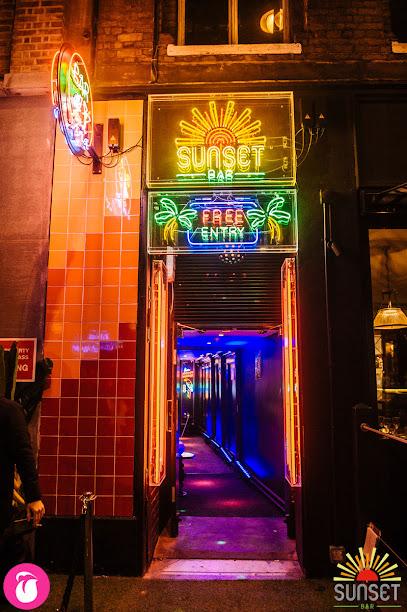
Sunset Bar
0.7 km
Experience the vibrant nightlife of London at Sunset Bar, where expertly crafted cocktails meet a lively atmosphere in a stylish setting.
Essential places to dine

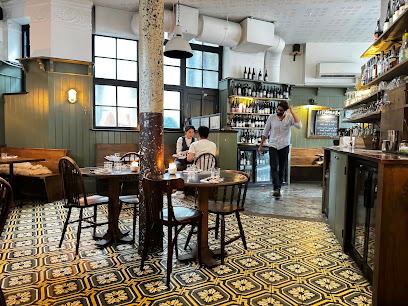
Nest Restaurant Old Street
0.7 km
Intimate Shoreditch gem offering creative British seasonal tasting menus in a cozy, historic setting with a sustainable ethos.
The Clove Club
0.8 km
Two Michelin stars meet innovative modern British cuisine in a historic Shoreditch Town Hall setting with a unique urban garden.
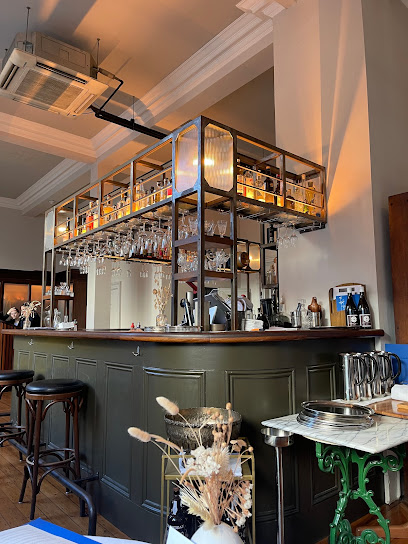
Lyle's
0.8 km
Michelin-starred Lyle's serves innovative, seasonal British cuisine in a minimalist Shoreditch setting with a relaxed, refined atmosphere.
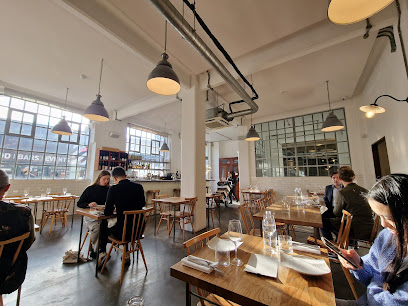
Dans le Noir ? London Restaurant
0.9 km
Experience dining like never before in total darkness, guided by visually impaired waitstaff in a sensory adventure at Dans le Noir ? London.
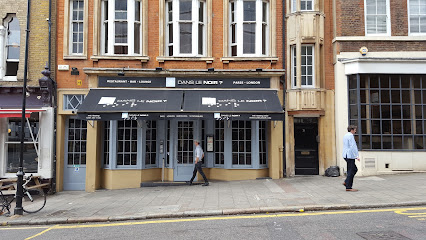
St. John
0.9 km
Experience authentic British nose-to-tail dining in the heart of London’s Barbican at St. John, where tradition meets modern culinary artistry.
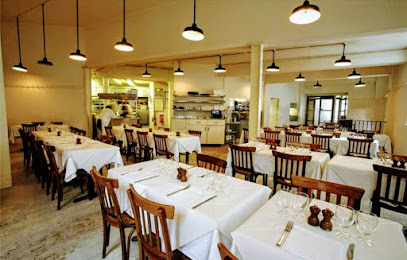
Marugame Udon Middlesex Street
1.0 km
Experience freshly handcrafted Japanese udon and crispy tempura in a lively open kitchen setting at Marugame Udon Middlesex Street, London’s authentic udon destination.
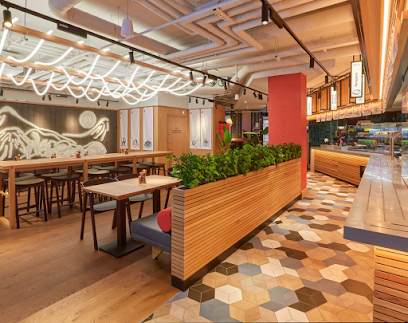
Madison
1.2 km
Stylish rooftop dining and cocktails with breathtaking views of St Paul’s Cathedral and London’s skyline.
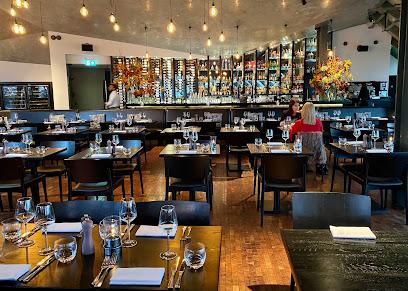
Mattarello Chiodo Bolognese Restaurant
1.3 km
Authentic Bolognese pasta and gluten-free Italian delights in the heart of London’s Middlesex Street.
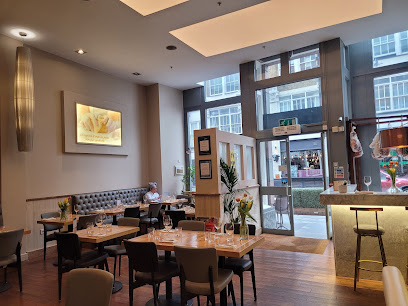
Barcelona Tapas Bar & Restaurant
1.3 km
Authentic Spanish tapas and warm hospitality in the heart of London’s City since 1991.
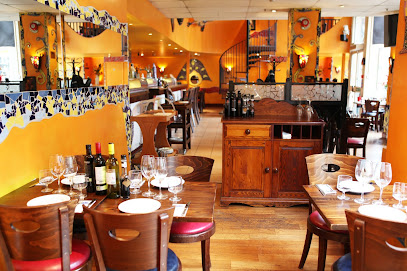
Nomadic community
1.4 km
A colorful, community-driven urban garden near Brick Lane, blending street art, creativity, and green space in East London’s vibrant cultural scene.

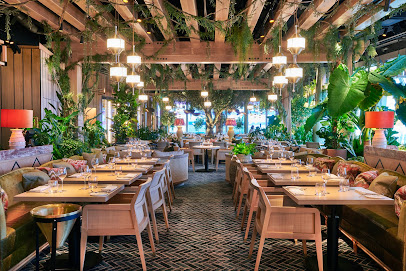
14 Hills
1.4 km
Experience modern British cuisine in a lush, sky-high garden with breathtaking panoramic views over London’s iconic skyline.
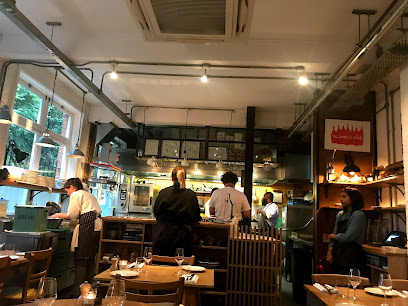
Brawn
1.4 km
Seasonal Mediterranean small plates and natural wines in a lively, vintage-inspired Shoreditch setting on Columbia Road.
La Dame de Pic London
1.7 km
Discover refined French gastronomy and elegant dining in a historic London landmark with two Michelin stars and innovative cuisine.
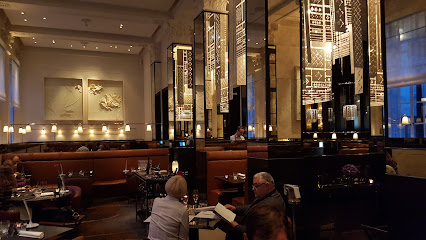
Sea Containers Restaurant
2.1 km
Stylish Modern British dining with iconic Thames views on London’s vibrant Southbank, perfect for brunch, dinner, and special occasions.
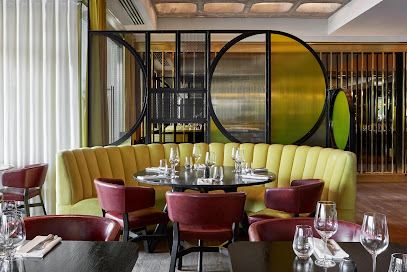
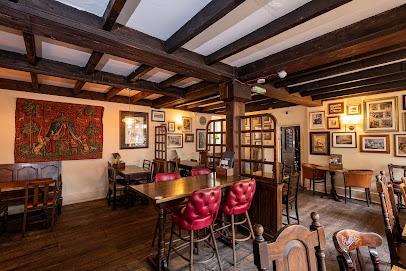
George
2.2 km
Step into London’s last galleried coaching inn, where history, hearty ales, and a lively courtyard blend in a timeless pub experience.
Markets, malls and hidden boutiques

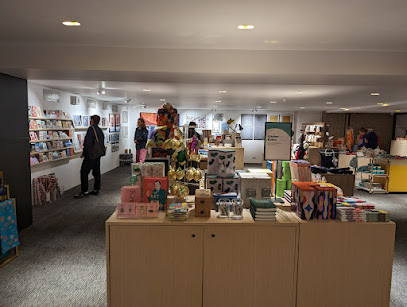
Barbican Shop
0.5 km
Discover curated art, design, music, and unique gifts at the Barbican Shop, a creative retail haven within London’s iconic Barbican Centre.
Luna & Curious
0.9 km
Discover Shoreditch’s curated boutique of British craftsmanship, quirky design, and independent retail at Luna & Curious.
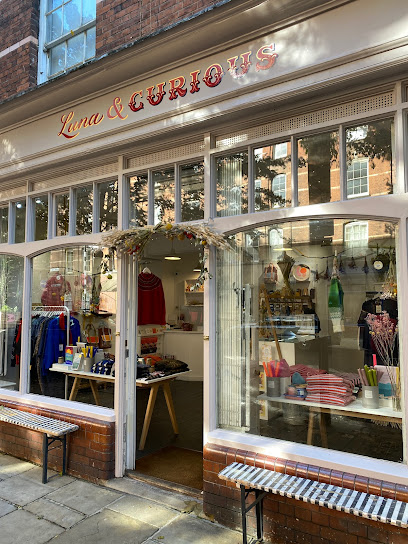
Spitalfields Market
1.0 km
Historic yet vibrant, Spitalfields Market blends East London’s rich heritage with a lively mix of food, art, and shopping all week long.
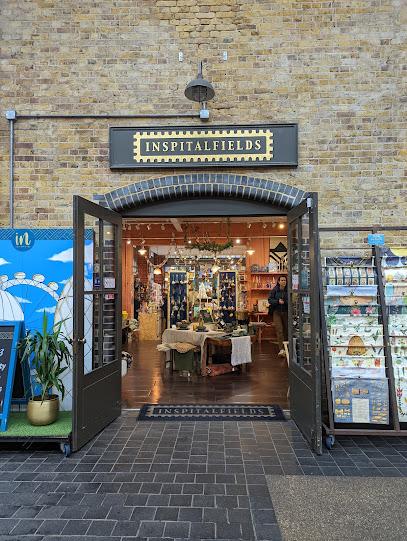
Smithfield Market
1.0 km
London’s oldest wholesale meat market, where history and commerce meet in the heart of the city.
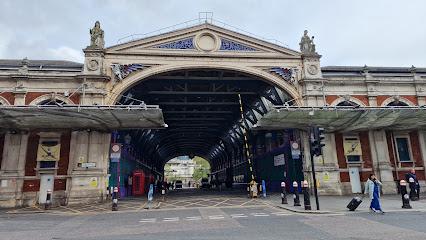
Hoxton Street Monster Supplies
1.0 km
Explore the enchanting Hoxton Street Monster Supplies, a whimsical gift shop in London filled with unique monster-themed treasures and delightful surprises.
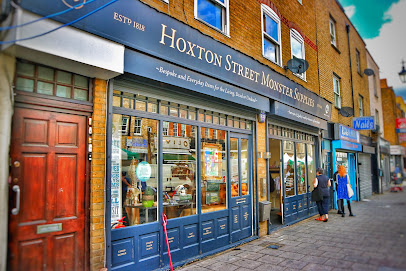
Sclater Street Market
1.0 km
Vintage treasures and eclectic finds in the heart of Shoreditch's bohemian marketplace.
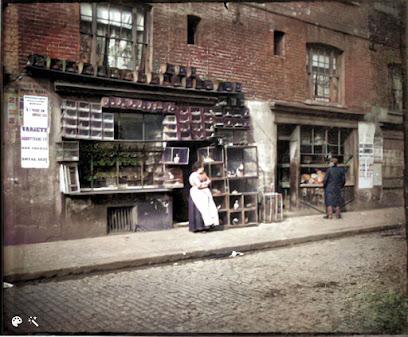
Unique Gifts
1.0 km
A compact London gift shop filled with original, handpicked presents and quirky souvenirs for those who love something different.
Pop Up Luxury Shop
1.0 km
Exclusive, curated luxury shopping in a stylish London pop-up setting blending fashion innovation with boutique charm.

Commercial St
1.1 km
Historic East London artery blending industrial heritage, vibrant markets, and cultural landmarks in the heart of Spitalfields.
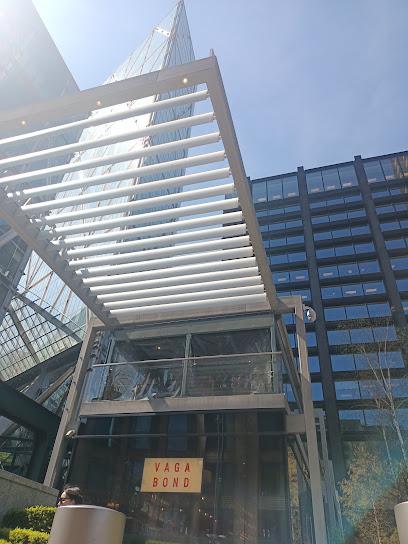
The Royal Exchange
1.1 km
A majestic neoclassical landmark blending 450 years of London’s trading history with luxury shopping in the City’s financial heart.
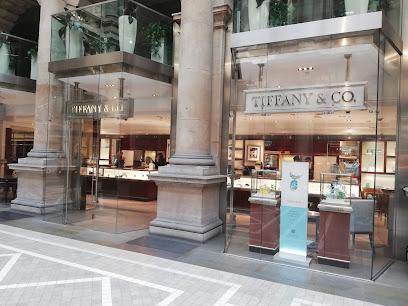
The Truman Brewery Markets
1.1 km
Historic brewery turned vibrant markets on Brick Lane, offering vintage treasures, global street food, and creative culture in East London.
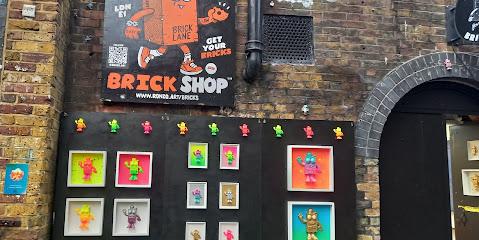
DPUS Designer Outlet
1.1 km
Authentic designer fashion outlet in Shoreditch’s historic Old Truman Brewery, blending luxury style with urban culture and unbeatable prices.

1 Poultry
1.2 km
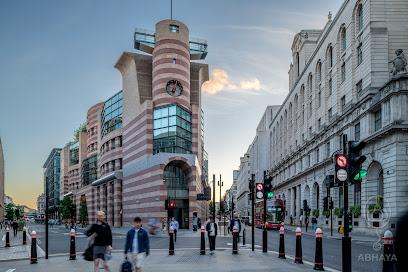
Iconic postmodern office and retail building with vibrant limestone stripes, a colorful atrium, and a rooftop garden overlooking London’s financial district.
Middlesex Textiles
1.2 km
Discover London’s premier West African fabric store offering vibrant, high-quality textiles with unmatched variety and service since 1969.
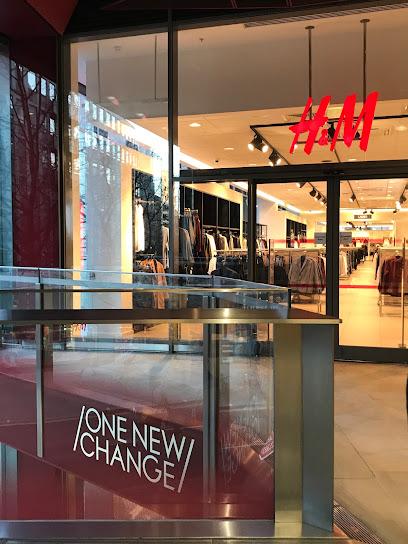
One New Change
1.2 km
Modern glass landmark with free rooftop views of St Paul's Cathedral and London skyline.
Essential bars & hidden hideouts

Flight Club Shoreditch
0.2 km
Experience the vibrant social darts scene with great food, cocktails, and fun at Flight Club Shoreditch in East London.
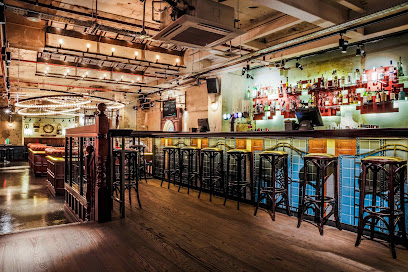
Aviary
0.3 km
Elegant rooftop dining with botanical cocktails and panoramic London skyline views in the heart of Finsbury Square.
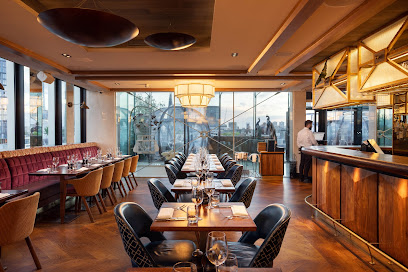
Nightjar Shoreditch
0.3 km
Step into Nightjar Shoreditch, a hidden gem where Prohibition-era cocktails meet live jazz in an intimate, vintage-inspired setting.
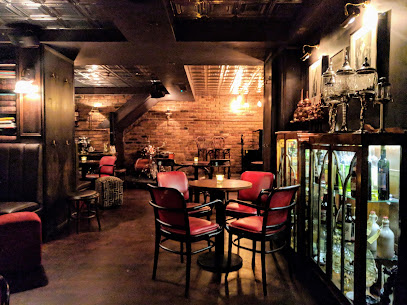
Simmons Bar | Old Street
0.3 km
A retro-inspired cocktail bar in Shoreditch offering creative drinks and a lively, youthful nightlife atmosphere.
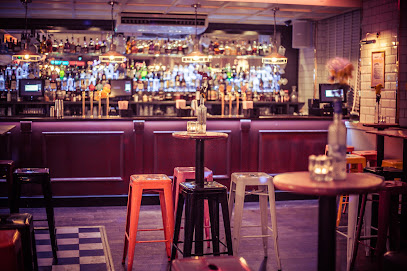
Ballie Ballerson London
0.6 km
Dive into London's most playful cocktail bar with glowing ball pits, inventive drinks, and unforgettable nights in Shoreditch.
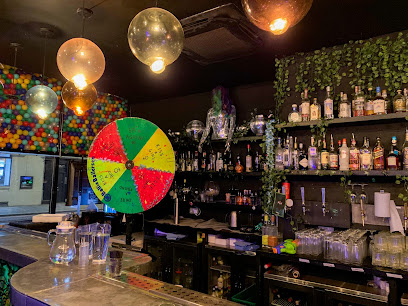
Happiness Forgets
0.7 km
Discover expertly crafted cocktails in a cozy, candlelit basement bar with a welcoming no-standing policy in the heart of Hoxton Square.
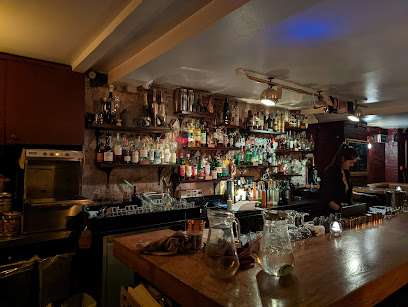
Tonight Josephine - Shoreditch
0.7 km
Lively Shoreditch cocktail bar famed for pink neon vibes, creative drinks, and unforgettable themed brunches.
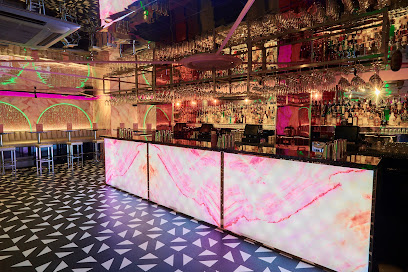
Nikkis Bar - Shoreditch
0.7 km
Lively Shoreditch cocktail bar famed for its bottomless brunch, drag shows, and nostalgic party vibes in a colorful, tropical-inspired setting.
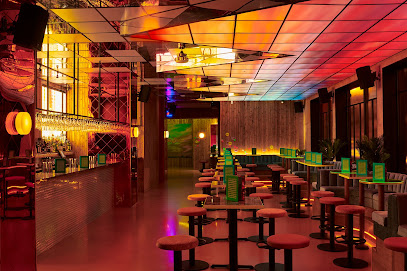
Dirty Dicks
0.9 km
Historic London pub with quirky charm, classic ales, and lively atmosphere near Liverpool Street Station.
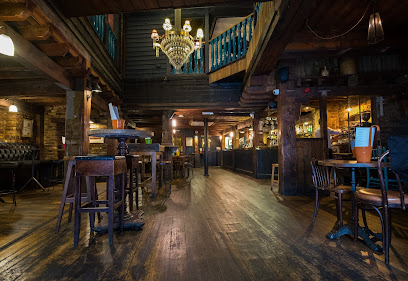
The Mayor of Scaredy Cat Town
0.9 km
Discover Shoreditch’s secret speakeasy behind a fridge door, where quirky vintage charm meets expertly crafted cocktails and lively 80s beats.
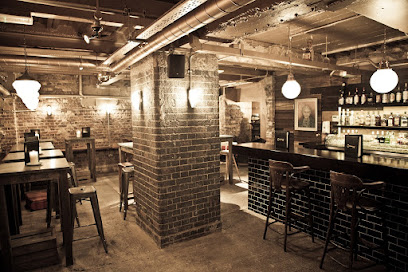
TT
0.9 km
Innovative wood-fired Mediterranean small plates and cocktails in a stylish Shoreditch venue with a vibrant rooftop terrace.
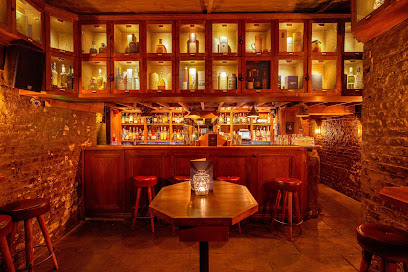
The Astronomer, EC1
0.9 km
A traditional London pub with a cosmic twist, offering hearty pies, craft ales, and a welcoming atmosphere near Liverpool Street.
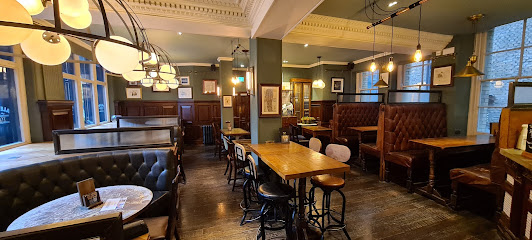
Demon, Wise & Partners
1.0 km
Classic basement cocktail bar blending historic City charm with expert mixology in London’s financial district.
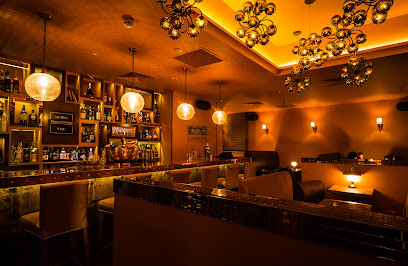
The Cocktail Club - Cocktail Bar in Shoreditch
1.0 km
Experience East London's vibrant nightlife with inventive cocktails and bold Japanese-inspired art at The Cocktail Club Shoreditch.
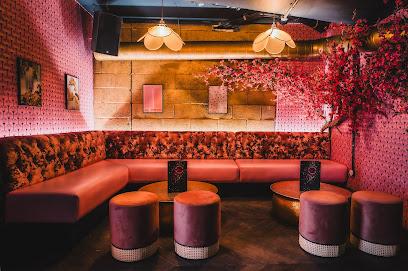
BrewDog Shoreditch
1.1 km
Craft beer haven in Shoreditch blending bold brews, lively atmosphere, and a welcoming beer garden in the heart of East London.
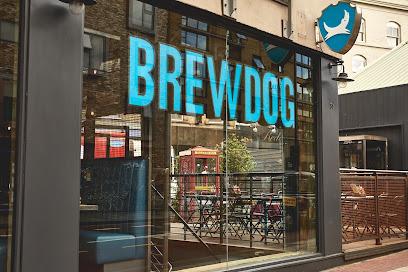
Nightclubs & after hour spots

Basing House - Shoreditch
0.9 km
An intimate Shoreditch nightclub with top electronic beats, a Funktion One sound system, and a lively rooftop bar under the London skyline.

London Best Night Clubs
0.9 km
Experience London’s legendary Ministry of Sound, where cutting-edge sound meets dynamic club culture in a multi-room dance haven.
The Steel Yard
1.5 km
Experience London’s premier industrial-chic nightclub set in historic Victorian railway arches, with world-class sound and late-night energy until 6am.
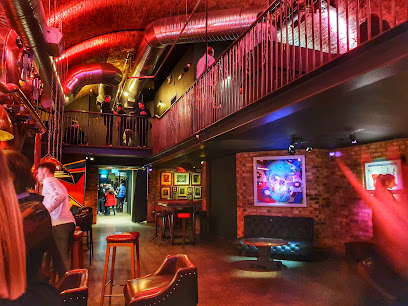
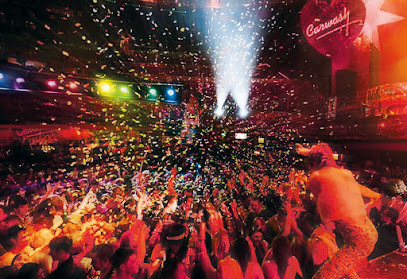
Carwash Nightclub
2.4 km
Experience Europe’s longest-running disco club in London’s West End, where retro beats, vibrant crowds, and themed parties create unforgettable nights.
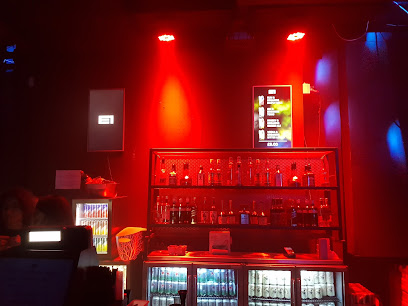
E1
2.5 km
Experience East London’s underground pulse with E1’s cutting-edge sound, immersive visuals, and vibrant club nights.
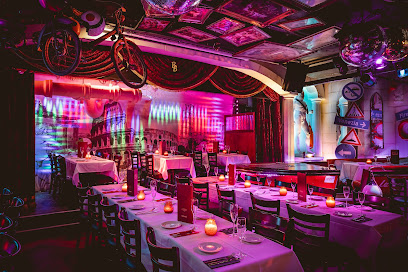
Bunga Bunga Covent Garden
2.5 km
A neon-soaked, pizza-and-karaoke supper club under Drury Lane — 90s nostalgia, stage shows and shareable Italian feasts.
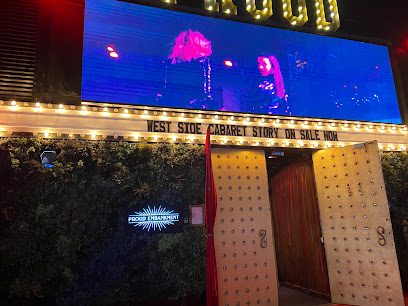
Proud Late
2.6 km
Dive into two-storey glamour under Waterloo Bridge: cabaret acrobatics, burlesque dazzle, supper feasts, and non-stop clubbing till 5am in London's West End nightlife epicenter.
The Roxy
2.8 km
Soho's unbeatable happy hour cocktail bar by day, pulsing nightclub with live music and DJ nights till 3am—affordable vibes in London's nightlife heart.
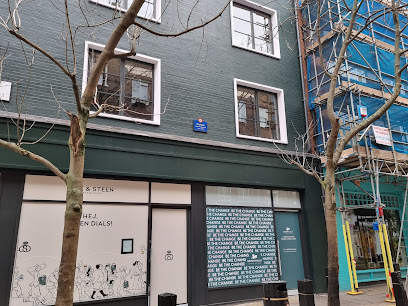
Comedy Carnival Covent Garden
2.8 km
London's premier stand-up comedy venue showcasing bold, award-winning international comedians in vibrant Covent Garden.

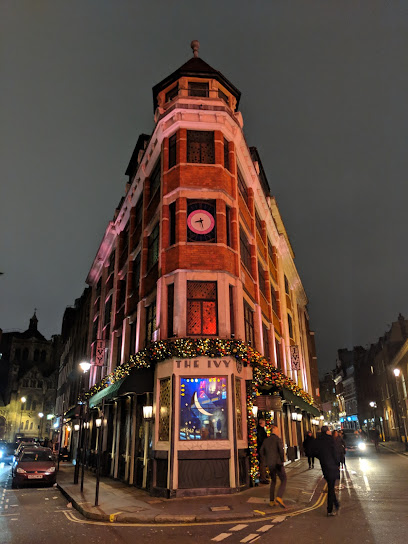
The Ivy Club
3.0 km
Art-Deco‑tinged members’ club above The Ivy — piano bars, discreet private dining and polished West End glamour.
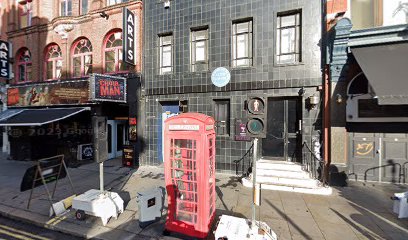
Whatdafunk Presents West End Urban Disco
3.0 km
Dive into London's grooviest urban disco beats at Whatdafunk, where Covent Garden's streets pulse with funk, soul, and non-stop dance energy in the heart of the West End.
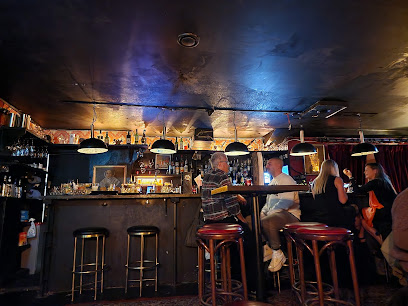
Covent Garden Social Club
3.0 km
Discover Covent Garden Social Club: a lively cocktail bar blending exquisite drinks, comedy, and live music for an unforgettable night out in London.
Ministry of Sound
3.0 km
London's legendary dance music cathedral since 1991, where world-class sound systems and global DJs fuel euphoric nights across four pulsing rooms.

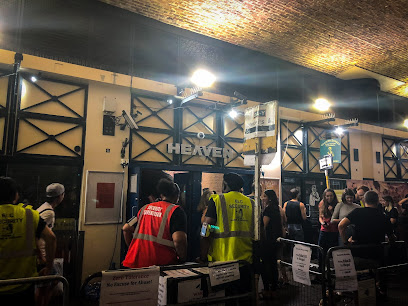
Heaven
3.0 km
London’s iconic gay superclub under the railway arches — big nights, loud music, drag, and late finishes in the heart of the West End.
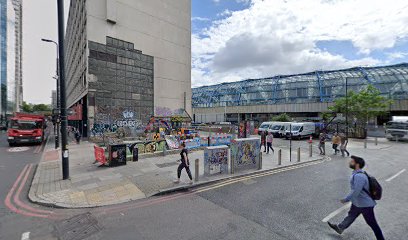
Cirque Du Soul
3.0 km
Dive into Leake Street's graffiti tunnel for soul-stirring electronic nights at this underground nightclub haven.
For the vibe & atmosphere seeker
- Tranquil
- Scenic
- Relaxing
- Unique
For the design and aesthetic lover
- Vintage Styles
- Rustic Designs
For the architecture buff
- Historic
- Parks & Gardens
- Heritage Neighborhoods
For the view chaser and sunset hunter
- Iconic Views
- Panoramas
For the social media creator & influencer
- Instagrammable
- Photo Spots
- Aesthetic Corners
For the eco-conscious traveler
- Protected Area
- Locally Managed
- Public-Transport Accessible
- Leave-No-Trace Critical
For the kind of experience you’re after
- Cultural Heritage
- Mindfulness
- Photowalk
- Day Trip
- Weekend Getaway
For how adventurous you want the journey to be
- Easy Access
Location Audience
- Family Friendly
- Senior Friendly
- Child Friendly
- Teen Friendly
- Wheelchair Access
- Pet Friendly
- Solo Friendly
- Couple Friendly
- Solo Female Friendly


