
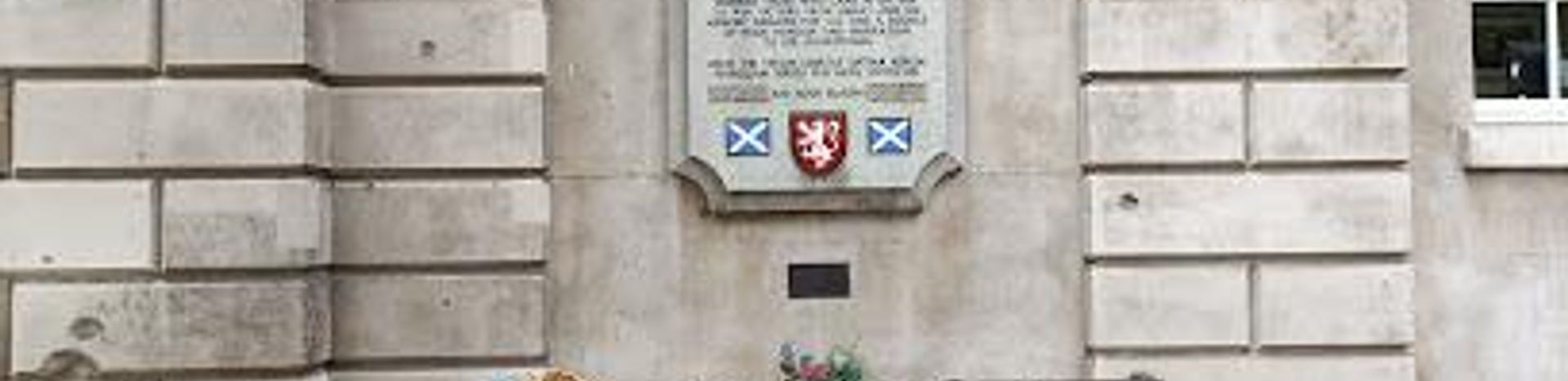
Sir William Wallace Memorial
A solemn 1956 memorial to Scotland's greatest patriot, executed here in 1305 for resisting English rule.
A dignified stone memorial on the wall of St Bartholomew's Hospital in Smithfield, honouring the Scottish patriot Sir William Wallace, who was executed nearby on 23 August 1305. Erected in 1956, this Grade II-listed shrine bears Latin and Gaelic inscriptions celebrating freedom and Scottish independence. The memorial receives flowers and tributes year-round, particularly around the anniversary of Wallace's death, making it a poignant reminder of medieval London's turbulent history and Scotland's struggle for liberty.
A brief summary to Sir William Wallace Memorial
- W Smithfield, London, EC1A 7AQ, GB
- Visit website
- Duration: 0.25 to 1 hours
- Free
-
 Outdoor
- Mobile reception: 5 out of 5
Local tips
- Visit around 23 August to witness the memorial adorned with fresh flowers and Scottish tributes honouring Wallace's execution anniversary.
- The memorial is located on the outer wall of St Bartholomew's Hospital; look for it to the right of the small colonnade near Smithfield Car Park.
- Combine your visit with exploration of nearby St Bartholomew-the-Great, one of London's oldest churches, which stands close to the original execution site.
- Read the Latin and Gaelic inscriptions carefully; they encapsulate Wallace's philosophy on freedom and his enduring legacy to Scotland.
- Smithfield's meat market and surrounding buildings retain medieval character; allow time to explore the area's rich and complex history.

For the on-the-go comforts that matter to you
- Restrooms
- Food Options
- Drinking Water
- Information Boards
- Seating Areas
Getting There
-
London Underground
Take the Circle, Hammersmith & City, or Metropolitan Line to Barbican station, approximately 400 metres away. Exit and walk south towards Smithfield; the memorial is on the outer wall of St Bartholomew's Hospital on West Smithfield. Journey time from central London is typically 10–20 minutes depending on your starting point.
-
Bus
Multiple bus routes serve Smithfield, including routes 8, 25, 56, 100, 153, and 205. Alight at stops near Smithfield Market or St Bartholomew's Hospital. Journey times vary from 15–40 minutes depending on traffic and your starting location. Single fares cost approximately £1.75 with an Oyster card or contactless payment.
-
Walking
From St Paul's Cathedral (approximately 500 metres south), walk north through the City of London towards Smithfield. The route is relatively flat and takes 8–10 minutes. From the Tower of London (approximately 1 kilometre east), follow the medieval street layout northwestward; the walk takes 15–20 minutes and passes through historic neighbourhoods. The area is pedestrian-friendly with clear street signage.
-
Taxi or Ride-Share
Taxis and ride-share services (Uber, Bolt) can deliver you directly to West Smithfield or St Bartholomew's Hospital. Fares from central London typically range from £8–18 depending on traffic and starting point. Journey times are 10–25 minutes during off-peak hours, longer during rush hours (07:00–09:00 and 17:00–19:00 weekdays).
Sir William Wallace Memorial location weather suitability
-
 Any Weather
Discover more about Sir William Wallace Memorial
A Scottish Hero's Final Resting Place
Situated on the outer wall of St Bartholomew's Hospital in West Smithfield stands a solemn memorial to Sir William Wallace, one of Scotland's most celebrated patriots. Wallace was executed near this spot on 23 August 1305, more than 700 years ago, yet his memory endures with remarkable vitality. Every year, in the run-up to the anniversary of his death, the memorial is adorned with fresh flowers and tokens of affection from visitors—a touching testament to the enduring reverence in which this medieval warrior is held.The Man Behind the Legend
Wallace rose to prominence in May 1297 when he led a successful attack on Lanark, killing the English sheriff William Heselrig. He went on to wage a guerrilla war against English occupation, culminating in the famous victory at Stirling Bridge in September 1297, where his forces defeated a considerably larger English army. For his leadership, Wallace was allegedly knighted by Robert the Bruce and made Guardian of the Kingdom of Scotland. However, his resistance to English King Edward I's rule ultimately led to his capture and trial for treason at Westminster Hall, where he famously denied the charge, arguing he had never sworn allegiance to the English crown and therefore could not be a traitor.A Brutal and Infamous Execution
Wallace's execution was one of the most vicious punishments devised during the medieval era. He was stripped naked and dragged by horses from the Tower of London through the streets to the Elms at Smithfield, where a crowd gathered to witness his fate. There, he was hanged by the neck until nearly dead, then cut down while still alive. He was then eviscerated, castrated, and eventually beheaded. His body was cut into four pieces, with his limbs sent to the four corners of Scotland as a warning to would-be rebels. His head was displayed on a spike at London Bridge, joining those of other Scottish rebels. Legend holds that Wallace remained silent and stoic throughout this ordeal, his eyes possibly fixed on the nearby Church of St Bartholomew.The Memorial and Its Inscriptions
The memorial itself is a handsome, Grade II-listed stone shrine installed in 1956 on the side of St Bartholomew's Hospital, very close to the original execution site. It bears the Latin inscription "Dico tibi verum libertas optima rerum nunquam servili sub nexu vivito fili," which translates to "I tell you the truth. Freedom is what is best. Son, never live your life like a slave." Below this appears the Gaelic phrase "Bas Agus Buaidh," meaning "Death and Victory." These words encapsulate Wallace's legacy: a man who chose death rather than submission, and whose sacrifice ultimately inspired Scottish independence.Smithfield's Darker History
Smithfield itself, originally known as Smoothfield, was an open area outside London's medieval walls. The Romans used it to muster troops and bury the dead. By the Middle Ages, it had become the city's chief livestock market, a venue for tournaments and the famous St Bartholomew's Fair, yet it was also the site of countless executions. The execution ground was known as the Elms, a medieval term for scaffold. Methods of execution here ranged from burning at the stake for heretics to the horrific hanged-drawn-and-quartered punishment reserved for traitors. Many notable dissenters and heretics met their end here, and decapitated heads were often taken to London Bridge to adorn the gatehouse as a deterrent. By the early 1400s, the gallows were moved to nearby Tyburn, though the memory of Smithfield's grim past lingered for centuries.A Living Memorial
Today, the Wallace memorial stands as a dignified tribute to a man whose courage and defiance continue to inspire. The plaque is located to the right of a small colonnade on the side of St Bartholomew's Hospital adjacent to Smithfield Car Park. Flowers and other tributes are left throughout the year, but the most significant displays occur around 23 August, when Scottish pride reaches its peak. The memorial serves not merely as a historical marker but as a place of reflection on freedom, sacrifice, and the enduring power of national identity.Iconic landmarks you can’t miss

Sir William Wallace Memorial
0.0 km
A solemn 1956 memorial to Scotland's greatest patriot, executed here in 1305 for resisting English rule.
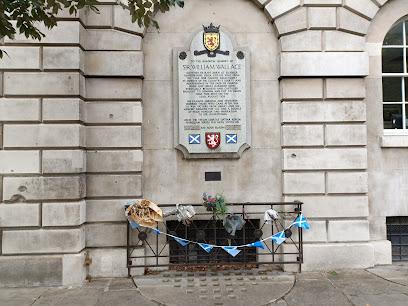
Holborn Viaduct
0.3 km
A grand Victorian bridge spanning London's hidden Fleet valley, blending engineering innovation with ornate artistry and rich history.
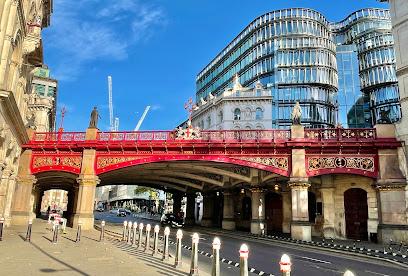
London City Wall - Bastion 14
0.4 km
Explore Bastion 14, a medieval bastion built on Roman foundations, revealing centuries of London’s ancient city defenses in the Barbican.
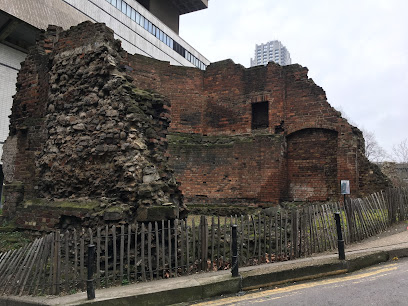
London City wall
0.4 km
Explore the ancient Roman and medieval London City Wall, a monumental symbol of the city’s enduring history and resilience.
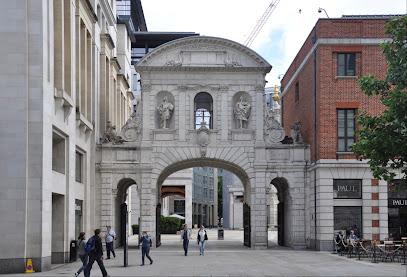
Temple Bar London
0.4 km
Explore Temple Bar, London’s historic ceremonial gateway rebuilt by Christopher Wren, rich with royal heritage and striking 17th-century architecture.
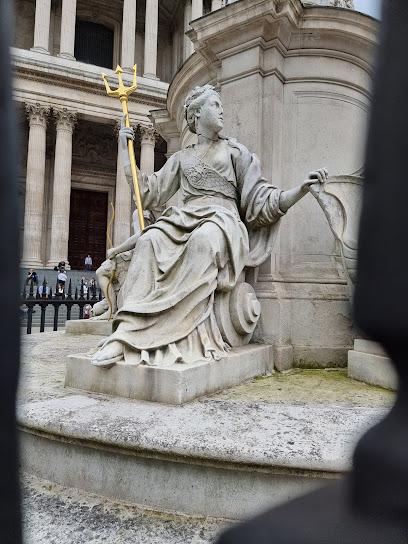
Queen Anne Statue
0.5 km
Historic statue commemorating Queen Anne’s reign and the completion of St. Paul’s Cathedral, symbolizing Britain’s royal heritage and resilience.
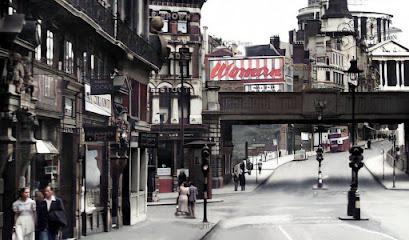
Ludgate Circus
0.5 km
Historic Victorian junction where London's ancient Ludgate once stood, blending rich legend, architecture, and urban vitality.
Roman London Wall (St Alphage Garden Section)
0.5 km
Explore the ancient Roman and medieval layers of London's historic city wall nestled within the peaceful St Alphage Garden in Barbican.
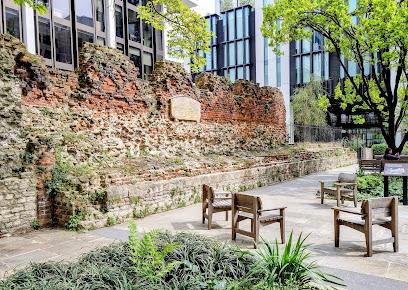
3 Gunpowder Square
0.6 km
A modern square in London’s financial district commemorating the dramatic history of the 1605 Gunpowder Plot and Guy Fawkes’ daring conspiracy.
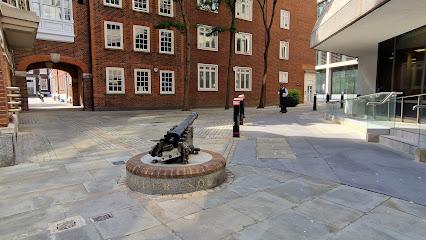
The National Firefighters Memorial
0.6 km
A solemn tribute in London honoring the bravery and sacrifice of firefighters who served during the Blitz and beyond.
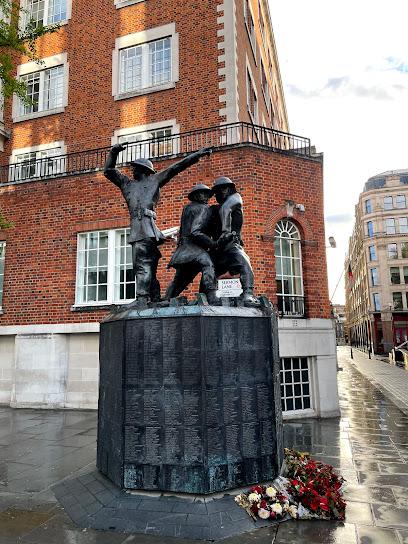
Guildhall
0.7 km
Discover Guildhall, London’s medieval civic heart where Roman ruins, grand halls, and centuries of history converge in the City’s vibrant core.
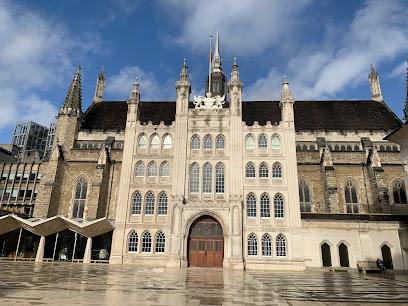
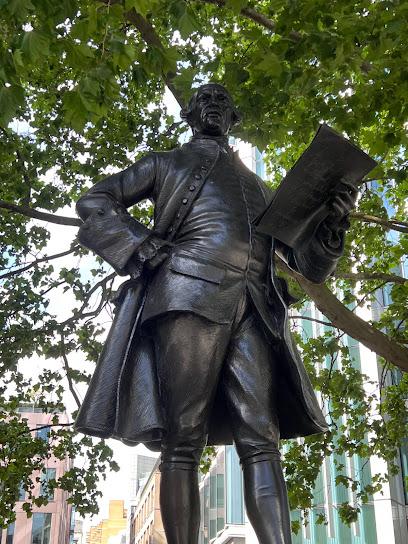
John Wilkes statue
0.7 km
Explore the John Wilkes Statue in London, a significant cultural landmark celebrating civil liberties and the fight for free speech.
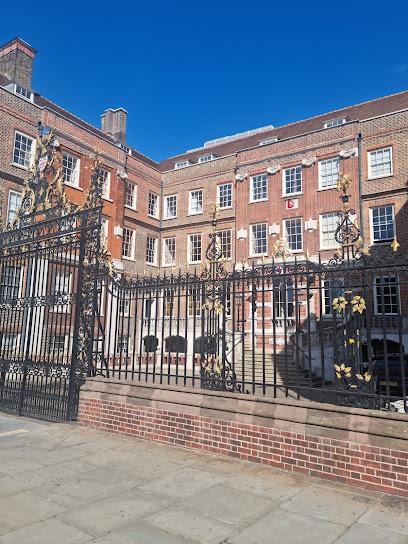
College of Arms
0.7 km
Discover the College of Arms: A Historic Icon of British Heraldry in the Heart of London, Showcasing Art and Tradition.
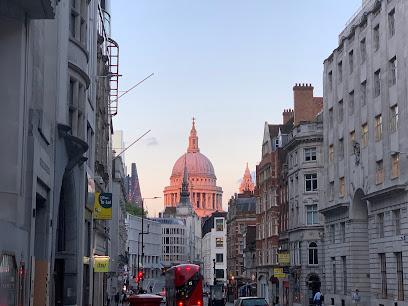
Fleet St
0.7 km
Discover Fleet Street, London's iconic thoroughfare, where history, law, and journalism intertwine in a vibrant urban landscape.
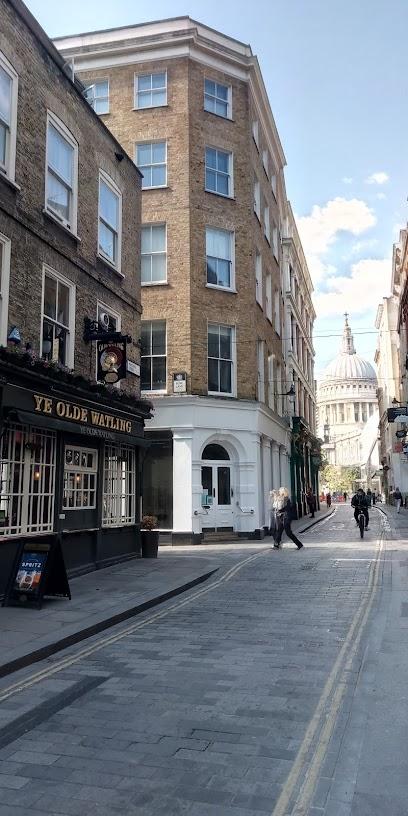
Watling St
0.7 km
Walk the ancient Roman road that shaped British history, from Boudica’s defeat to modern urban life.
Unmissable attractions to see

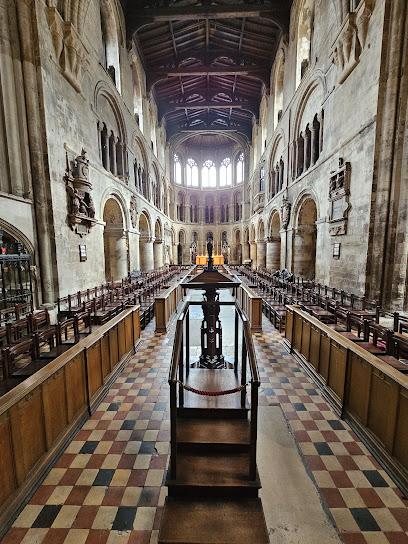
St Bartholomew the Great
0.1 km
Explore St Bartholomew the Great, a historic Anglican church in London, rich in architecture, culture, and tranquility, perfect for all visitors.
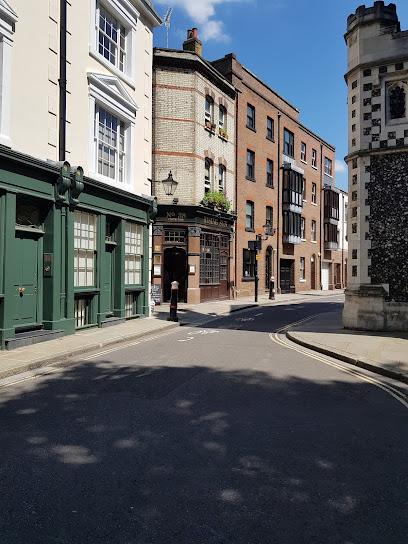
Cloth Fair
0.1 km
Step into medieval London on Cloth Fair, a historic street where merchants once traded fabric and the city’s oldest houses still stand.
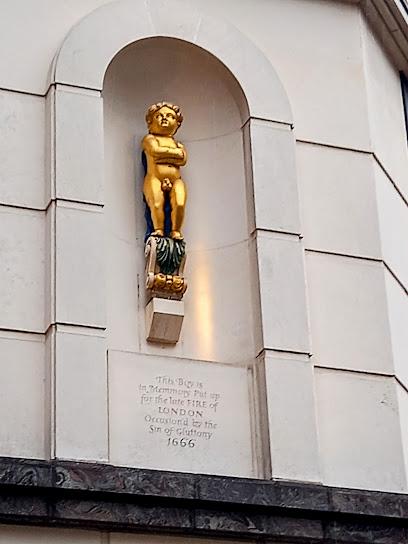
Golden Boy of Pye Corner
0.1 km
Discover the Golden Boy of Pye Corner, a gilded statue marking where London’s Great Fire ended and a moral tale of gluttony began.
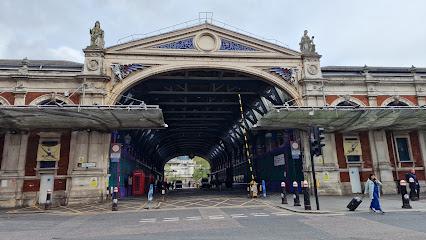
Smithfield Market
0.1 km
London's 900-year-old wholesale meat market where Victorian architecture meets modern commerce.
Holy Sepulchre Church
0.2 km
Discover Holy Sepulchre London, the largest City parish church, famed as the National Musicians’ Church with centuries of history and vibrant worship.
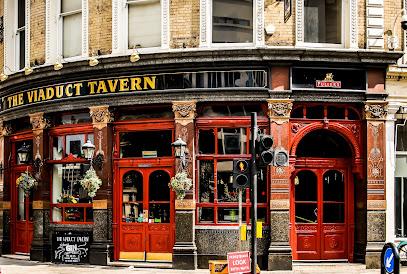
The Viaduct Tavern, EC1
0.2 km
Step into a lavish Victorian gin palace where London’s legal history and ghostly tales converge beneath ornate ceilings and historic cellars.
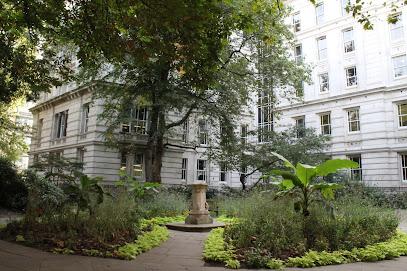
Postman's Park
0.2 km
A serene London park honoring everyday heroes through a unique memorial of selfless sacrifice, nestled near St Paul’s Cathedral.
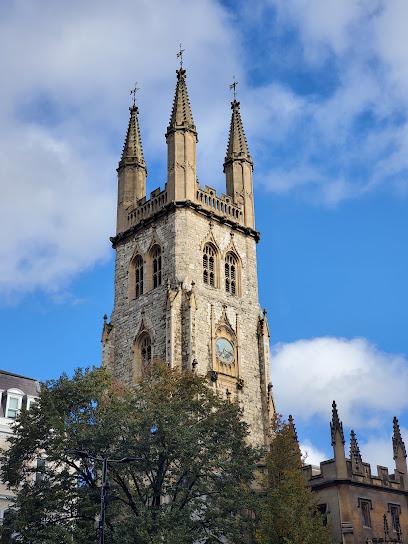
St Botolph’s-without-Aldersgate
0.3 km
Historic Georgian church at London’s eastern City gate, blending medieval roots with Victorian artistry and community resilience.
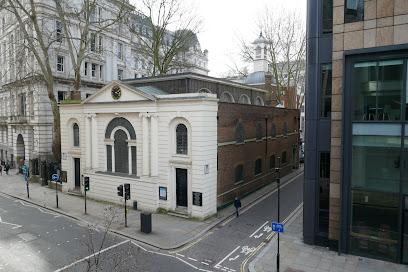
40 Charterhouse Square
0.3 km
Historic Charterhouse Square in London’s Barbican blends medieval legacy with iconic Brutalist architecture and vibrant city life.

The Charterhouse
0.3 km
Explore over 600 years of London history at The Charterhouse, from medieval monastery and Tudor mansion to enduring charity and museum.

St Anne & St Agnes Church
0.3 km
Discover St Anne & St Agnes Church, a historic City sanctuary blending Dutch-inspired architecture with a vibrant musical legacy.
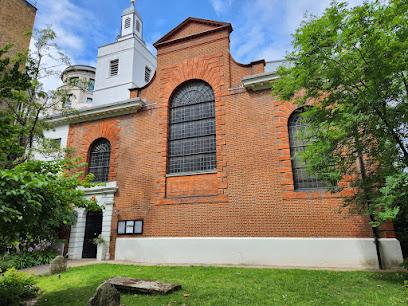
London Wall Museum Of London
0.4 km
Explore the ancient Roman city wall and artefacts at the Museum of London London Wall, a unique historical gem in Barbican.
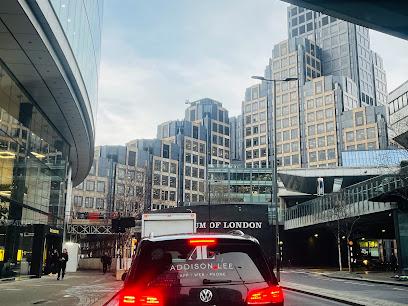
The Chocolate Cocktail Club
0.4 km
Discover the sweet side of London at The Chocolate Cocktail Club, where chocolate meets cocktail artistry in a delightful atmosphere.
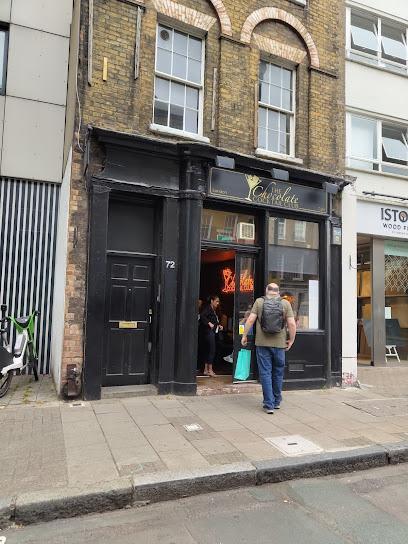
Stationers' Hall
0.4 km
Historic Grade I listed venue near St Paul’s Cathedral offering elegant event spaces and a secluded garden for weddings and corporate events.
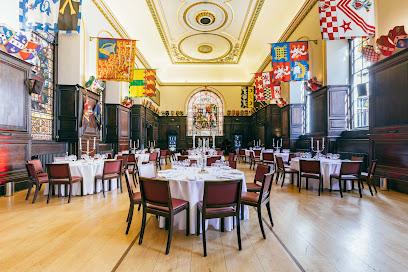
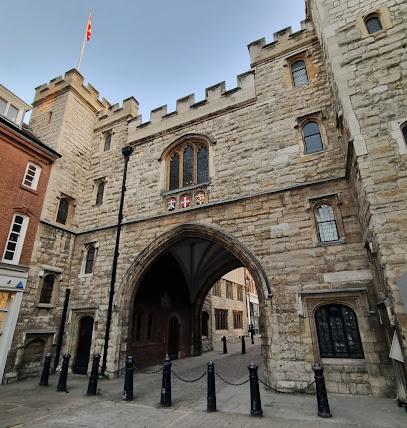
St John's Gate
0.4 km
Discover the medieval gateway of St John's Gate, home to the Knights Hospitaller and the origins of St John Ambulance in historic Clerkenwell.
Essential places to dine

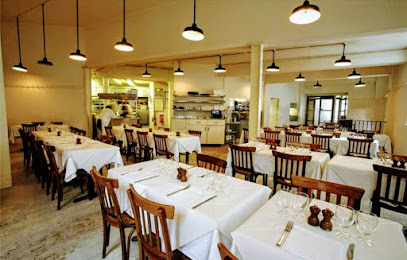
St. John
0.3 km
Experience authentic British nose-to-tail dining in the heart of London’s Barbican at St. John, where tradition meets modern culinary artistry.
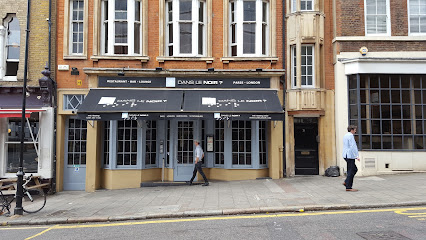
Dans le Noir ? London Restaurant
0.4 km
Experience dining like never before in total darkness, guided by visually impaired waitstaff in a sensory adventure at Dans le Noir ? London.
Madison
0.6 km
Stylish rooftop dining and cocktails with breathtaking views of St Paul’s Cathedral and London’s skyline.
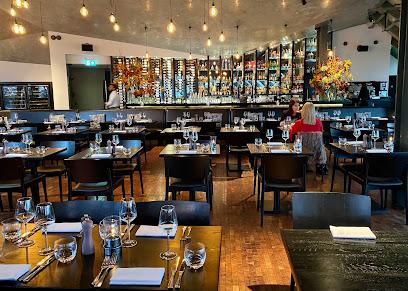
Sea Containers Restaurant
1.2 km
Stylish Modern British dining with iconic Thames views on London’s vibrant Southbank, perfect for brunch, dinner, and special occasions.
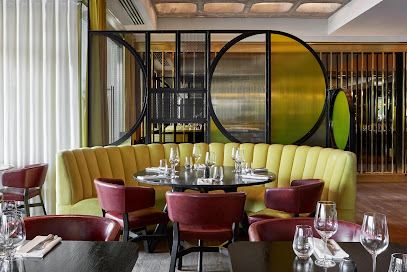
Ikoyi Restaurant
1.2 km
Discover Ikoyi, London’s two-Michelin-starred restaurant blending bold West African spices with British ingredients in an elegant, sensory tasting journey.
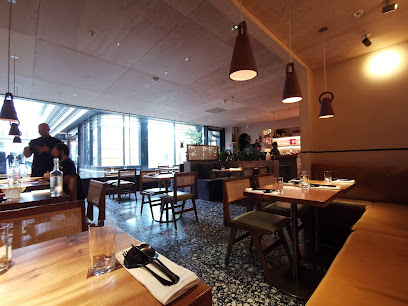
Paradiso Burger & Cocktail Bar Southbank
1.3 km
Vibrant riverside spot in Southbank serving gourmet burgers, cocktails, and bottomless brunch with stunning Thames views.
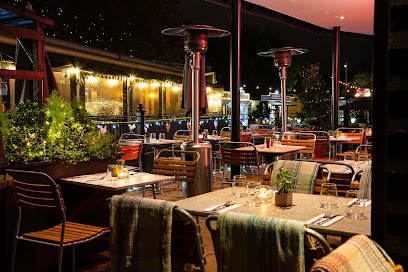
Sarastro
1.4 km
Experience vibrant Mediterranean flavors and live musical theatre in the heart of Covent Garden’s most theatrical restaurant.
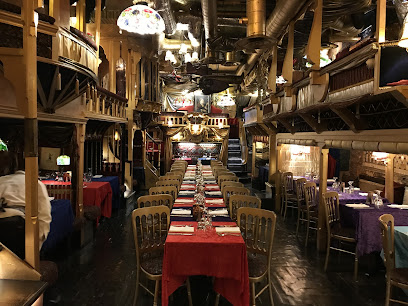
14 Hills
1.5 km
Experience modern British cuisine in a lush, sky-high garden with breathtaking panoramic views over London’s iconic skyline.
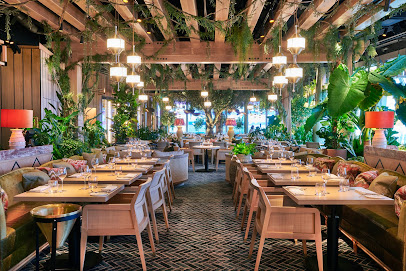
Margot
1.5 km
Sophisticated Italian dining with classic charm and an extensive wine list in the heart of Covent Garden, London.
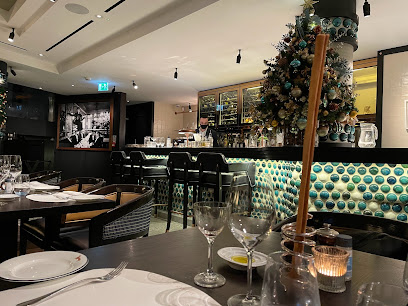
Marugame Udon Middlesex Street
1.5 km
Experience freshly handcrafted Japanese udon and crispy tempura in a lively open kitchen setting at Marugame Udon Middlesex Street, London’s authentic udon destination.
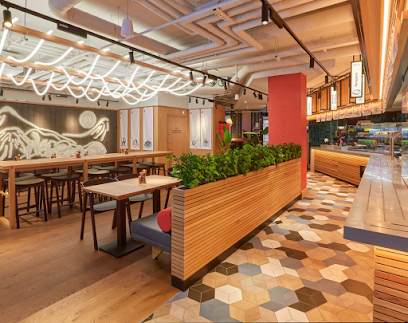
Cicchetti by San Carlo - London Covent Garden
1.5 km
Experience authentic Venetian small plates and seasonal Italian flavors in a stylish, lively Covent Garden setting.
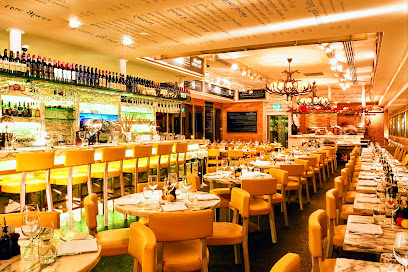
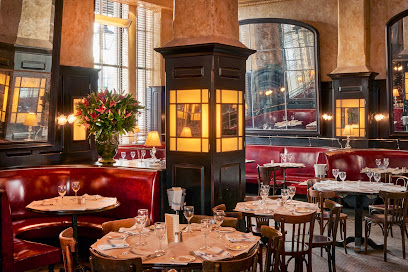
Balthazar
1.6 km
Experience the lively charm of a Parisian brasserie with classic French cuisine in the heart of Covent Garden, London.
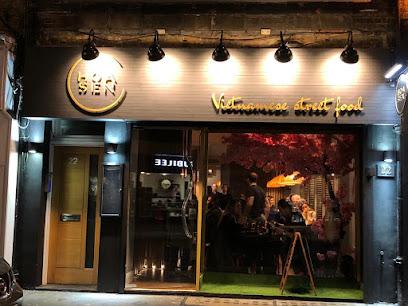
Hoa Sen Vietnamese Street Food Restaurant
1.6 km
Authentic Vietnamese street food in the heart of Covent Garden, blending vibrant flavors with a lively, cozy atmosphere.
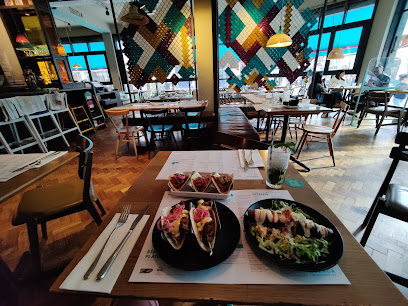
Wahaca Southbank
1.7 km
Experience vibrant Mexican street food in a unique riverside setting with scenic Thames views and lively atmosphere at Wahaca Southbank.
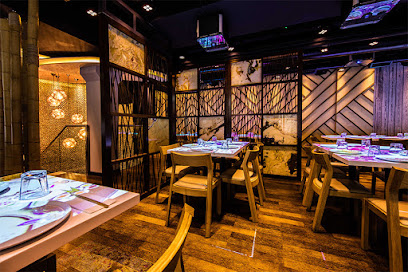
Inamo Covent Garden
1.7 km
A futuristic Pan-Asian restaurant in Covent Garden where interactive tables meet bold Asian flavours in a sleek, tech-forward space.
Markets, malls and hidden boutiques

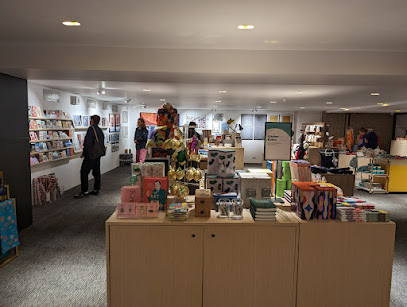
Barbican Shop
0.5 km
Discover curated art, design, music, and unique gifts at the Barbican Shop, a creative retail haven within London’s iconic Barbican Centre.
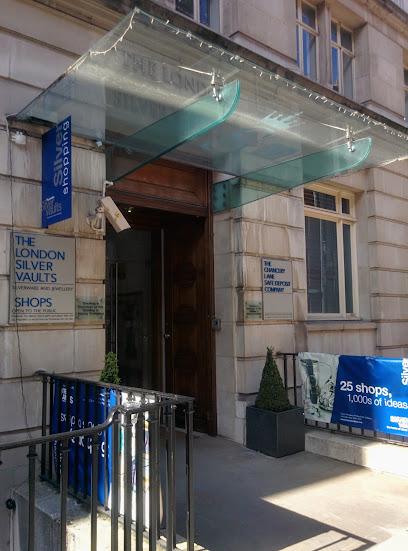
London Silver Vaults
0.9 km
The world's largest underground marketplace for fine antique and contemporary silver, hidden beneath historic Chancery Lane.
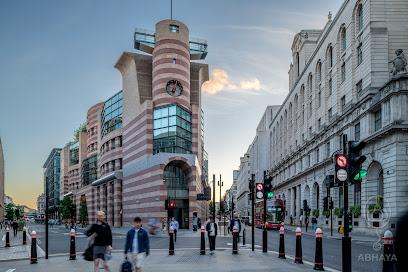
1 Poultry
0.9 km
Iconic postmodern office and retail building with vibrant limestone stripes, a colorful atrium, and a rooftop garden overlooking London’s financial district.
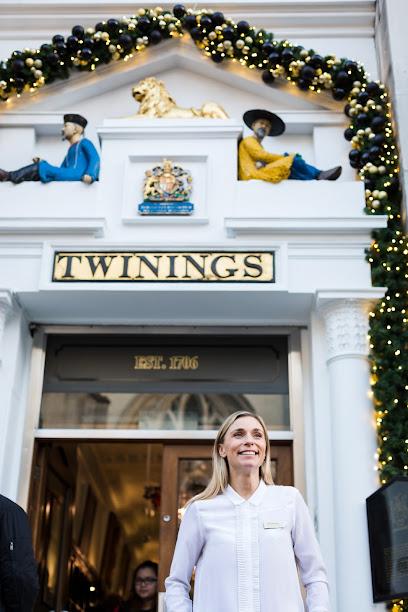
Twinings - The Strand
1.0 km
Discover over 300 years of tea heritage at London’s oldest tea shop, featuring historic charm, premium tastings, and a unique museum experience.
The Royal Exchange
1.0 km
A majestic neoclassical landmark blending 450 years of London’s trading history with luxury shopping in the City’s financial heart.
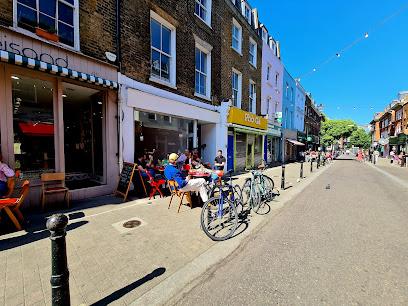
Exmouth Market
1.0 km
Discover Exmouth Market, London’s vibrant street of eclectic eateries, lively bars, and independent shops in the heart of Clerkenwell.
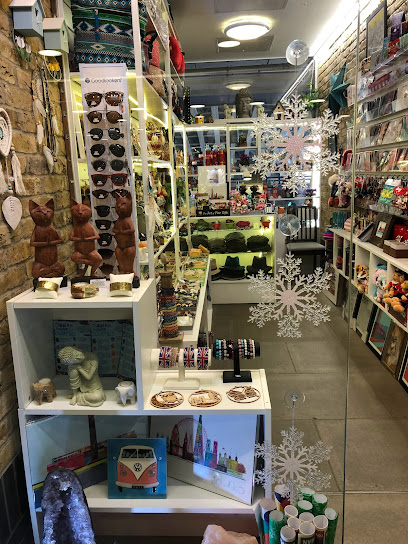
Bankside Arches Boutique
1.1 km
Discover unique London gifts and handcrafted treasures inside Blackfriars Station’s charming Bankside Arches Boutique.
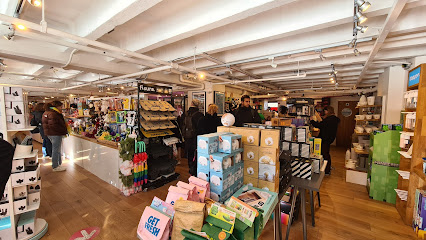
not just a shop
1.1 km
Discover unique, handcrafted art and design by UAL’s students and alumni at this creative retail hub in central London.

Unique Gifts
1.2 km
A compact London gift shop filled with original, handpicked presents and quirky souvenirs for those who love something different.
Pop Up Luxury Shop
1.2 km
Exclusive, curated luxury shopping in a stylish London pop-up setting blending fashion innovation with boutique charm.

The Store X
1.2 km
A visionary space where London’s fashion, art, and culture converge in an immersive, innovative experience.

SUCK UK Alternative Gifts (OXO Tower)
1.2 km
Discover quirky, clever gifts and homewares at SUCK UK’s flagship store in London’s iconic OXO Tower.
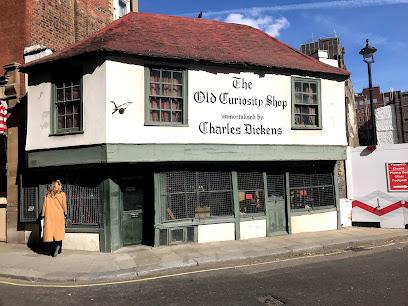
The Old Curiosity Shop
1.2 km
Step into a Tudor-era timbered cottage steeped in Dickensian lore, nestled amidst the vibrant heart of modern London.
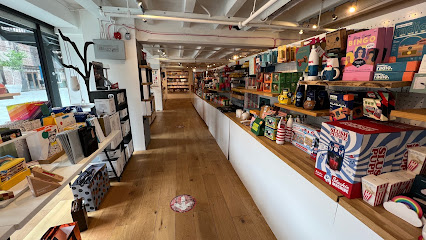
Brand Academy Independent Gift Shop
1.2 km
Dive into a world of whimsical designs and unique finds at this South Bank gem, where global brands meet emerging talents in the heart of Oxo Tower Wharf.
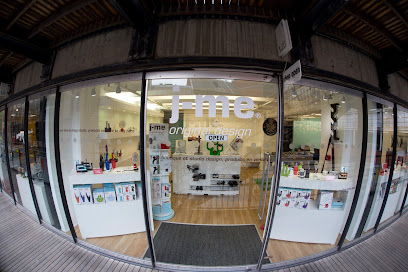
j-me original design ltd
1.3 km
Whimsical designs with a humorous twist from London's Oxo Tower creative hub – quirky home gifts blending fun, function, and British ingenuity.
Essential bars & hidden hideouts

Black Parrot
0.6 km
Discover London’s top rum bar with expertly crafted cocktails, immersive masterclasses, and a lively yet intimate atmosphere in Bride Court.
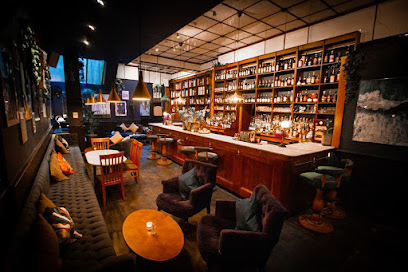
The Old Bank of England
0.9 km
Historic Victorian pub on Fleet Street housed in a former Bank of England branch with grand interiors and legendary London tales.
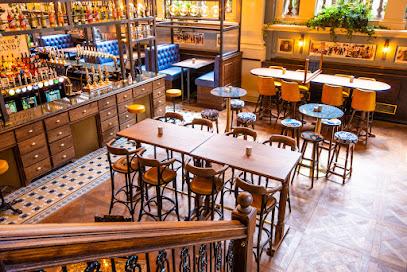
Flight Club Shoreditch
1.0 km
Experience the vibrant social darts scene with great food, cocktails, and fun at Flight Club Shoreditch in East London.
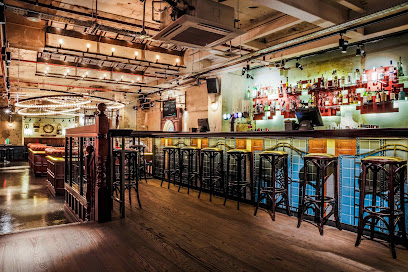
Demon, Wise & Partners
1.0 km
Classic basement cocktail bar blending historic City charm with expert mixology in London’s financial district.
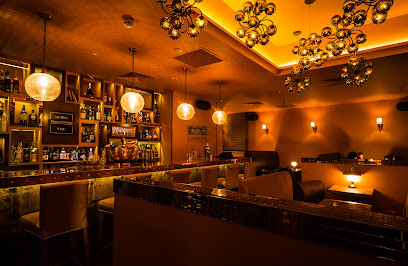
Aviary
1.1 km
Elegant rooftop dining with botanical cocktails and panoramic London skyline views in the heart of Finsbury Square.
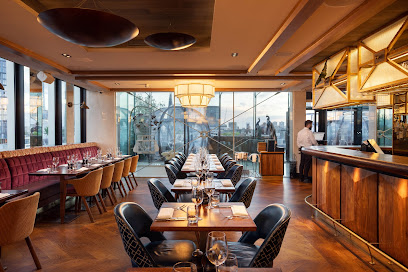
Doggett's Coat and Badge
1.1 km
A large, riverside Nicholson’s pub on Blackfriars Bridge offering classic British fare, real ales and a rooftop terrace with strong Thames views.
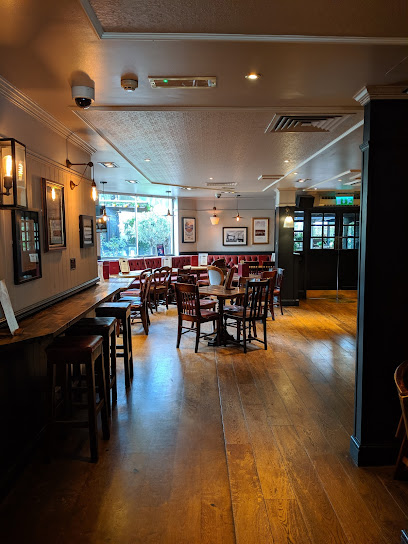
Lyaness
1.2 km
Innovative cocktails and sustainable mixology with stunning Thames views in London’s stylish South Bank hotspot.
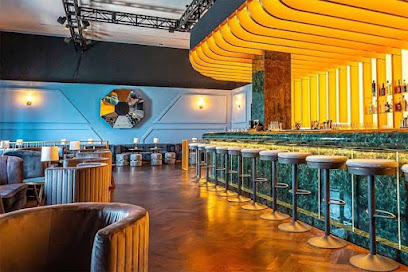
The Cocktail Club - Cocktail Bar near Old Street
1.2 km
A vibrant and stylish cocktail bar in London’s Old Street area, known for creative drinks and a lively urban atmosphere.
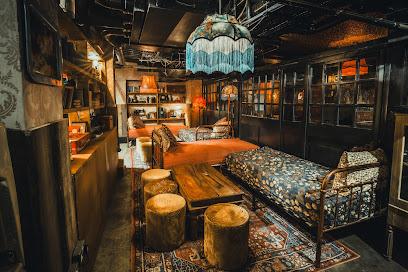
The Duke
1.2 km
A classic Bloomsbury pub offering warm hospitality, traditional drinks, and hearty British fare in a cozy setting.
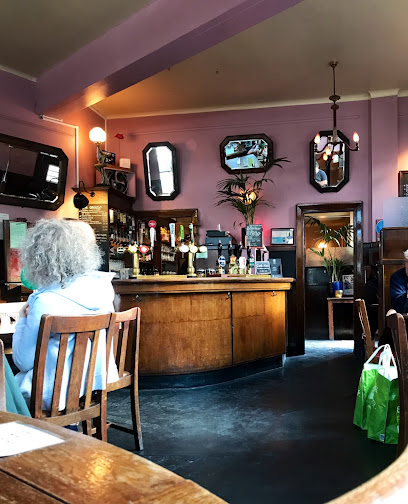
Old Fountain
1.2 km
Historic family-run freehouse in Old Street, London, famed for award-winning ales, hearty British food, and a stylish rooftop terrace.
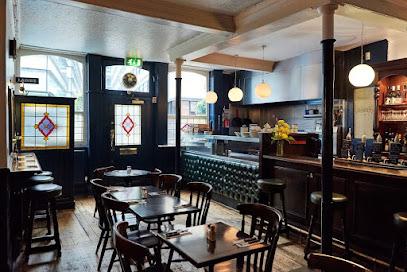
Nightjar Shoreditch
1.3 km
Step into Nightjar Shoreditch, a hidden gem where Prohibition-era cocktails meet live jazz in an intimate, vintage-inspired setting.
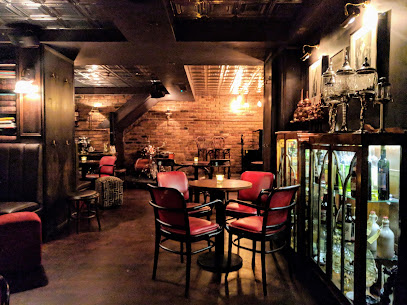
The Cocktail Club - Cocktail Bar near Monument
1.3 km
Vibrant underground cocktail bar near Monument, blending creative drinks with a lively, speakeasy-style party atmosphere.
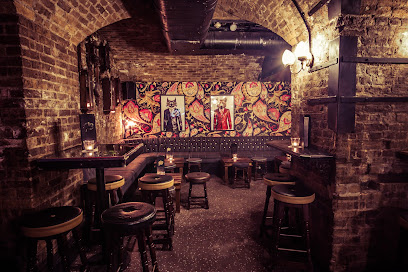
Simmons Bar | Old Street
1.3 km
A retro-inspired cocktail bar in Shoreditch offering creative drinks and a lively, youthful nightlife atmosphere.
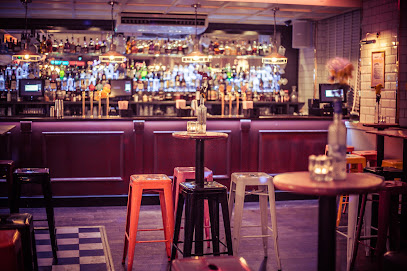
The Craft Beer Co. Old Street
1.3 km
A vibrant London pub offering a top-tier selection of craft beers served with expert care in a casual, retro setting.
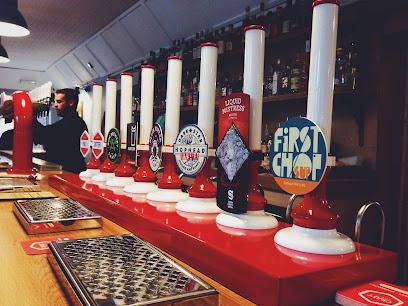
The Bootlegger
1.4 km
Step into The Bootlegger’s hidden Lime Street basement for expertly crafted cocktails, live jazz, and a true 1920s speakeasy vibe in the heart of London.
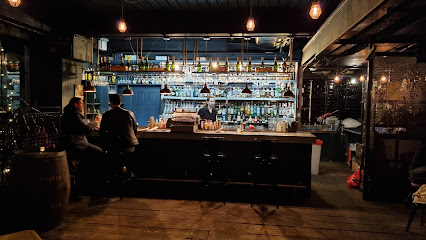
Nightclubs & after hour spots

London Best Night Clubs
0.6 km
Experience London’s legendary Ministry of Sound, where cutting-edge sound meets dynamic club culture in a multi-room dance haven.
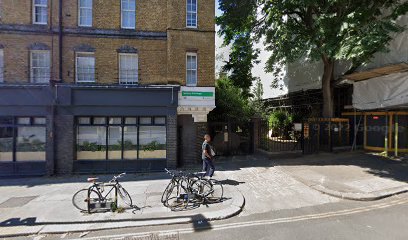
The Steel Yard
1.1 km
Experience London’s premier industrial-chic nightclub set in historic Victorian railway arches, with world-class sound and late-night energy until 6am.
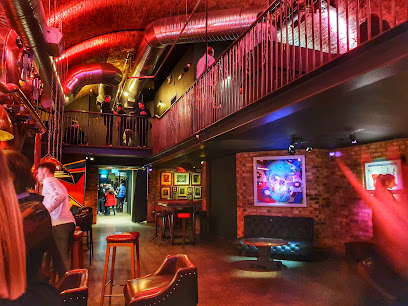
XOYO LONDON
1.3 km
Experience Shoreditch’s iconic XOYO, where cutting-edge DJs and vibrant nightlife create an unforgettable London clubbing atmosphere.

Carwash Nightclub
1.4 km
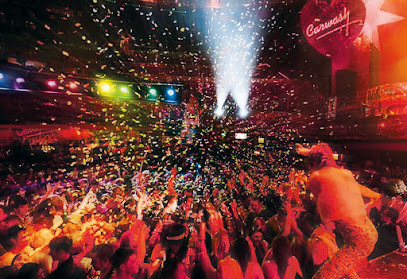
Experience Europe’s longest-running disco club in London’s West End, where retro beats, vibrant crowds, and themed parties create unforgettable nights.
Proud Late
1.5 km
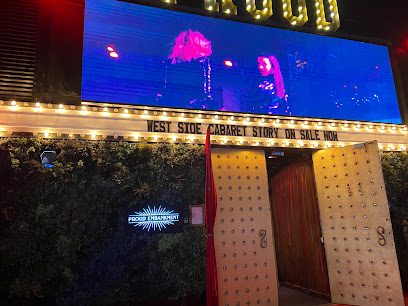
Dive into two-storey glamour under Waterloo Bridge: cabaret acrobatics, burlesque dazzle, supper feasts, and non-stop clubbing till 5am in London's West End nightlife epicenter.
Bunga Bunga Covent Garden
1.6 km
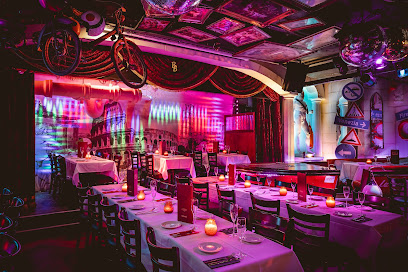
A neon-soaked, pizza-and-karaoke supper club under Drury Lane — 90s nostalgia, stage shows and shareable Italian feasts.
The Hoxton Pony
1.6 km
Edgy Shoreditch cocktail bar and nightclub blending vintage style with vibrant nightlife energy in East London.

Trafik
1.7 km
Shoreditch’s dynamic nightclub with underground beats, two floors of dancing, and a late licence for unforgettable nights.

The Roxy
1.8 km
Soho's unbeatable happy hour cocktail bar by day, pulsing nightclub with live music and DJ nights till 3am—affordable vibes in London's nightlife heart.
Comedy Carnival Covent Garden
1.8 km
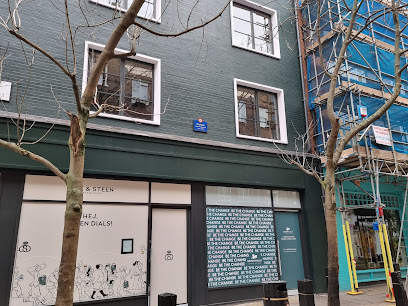
London's premier stand-up comedy venue showcasing bold, award-winning international comedians in vibrant Covent Garden.

Basing House - Shoreditch
1.9 km
An intimate Shoreditch nightclub with top electronic beats, a Funktion One sound system, and a lively rooftop bar under the London skyline.

Whatdafunk Presents West End Urban Disco
2.0 km
Dive into London's grooviest urban disco beats at Whatdafunk, where Covent Garden's streets pulse with funk, soul, and non-stop dance energy in the heart of the West End.
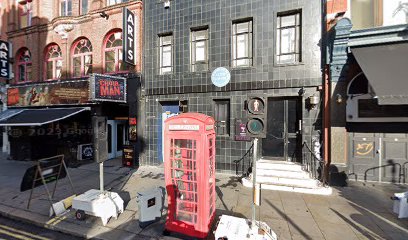
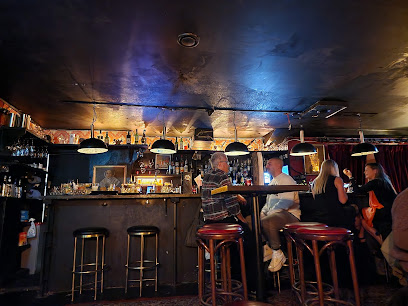
Covent Garden Social Club
2.0 km
Discover Covent Garden Social Club: a lively cocktail bar blending exquisite drinks, comedy, and live music for an unforgettable night out in London.
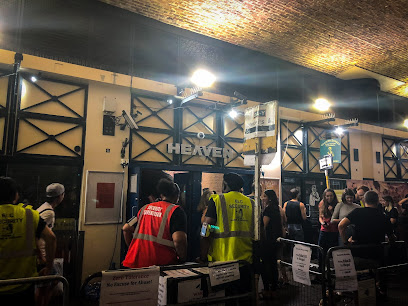
Heaven
2.0 km
London’s iconic gay superclub under the railway arches — big nights, loud music, drag, and late finishes in the heart of the West End.
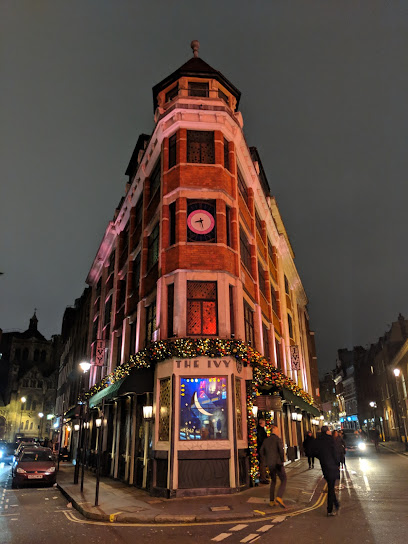
The Ivy Club
2.0 km
Art-Deco‑tinged members’ club above The Ivy — piano bars, discreet private dining and polished West End glamour.
For the vibe & atmosphere seeker
- Romantic
- Unique
- Scenic
For the design and aesthetic lover
- Historic
- Minimalist Designs
For the architecture buff
- Historic
- Heritage Neighborhoods
- Sacred Sites
For the social media creator & influencer
- Photo Spots
- Architectural Shots
For the eco-conscious traveler
- Protected Area
- Locally Managed
For the kind of experience you’re after
- Cultural Heritage
- Myth & Legends
- Spiritual / Energy Spot
- Day Trip
For how adventurous you want the journey to be
- Easy Access
Location Audience
- Family Friendly
- Senior Friendly
- Solo Friendly
- Couple Friendly
- Solo Female Friendly
- Wheelchair Access


