

Fishergate Bar, York Travel Guide
Free Guide: Step through Fishergate Bar, a medieval gateway guarding York’s southern entrance, steeped in history and tales of rebellion.


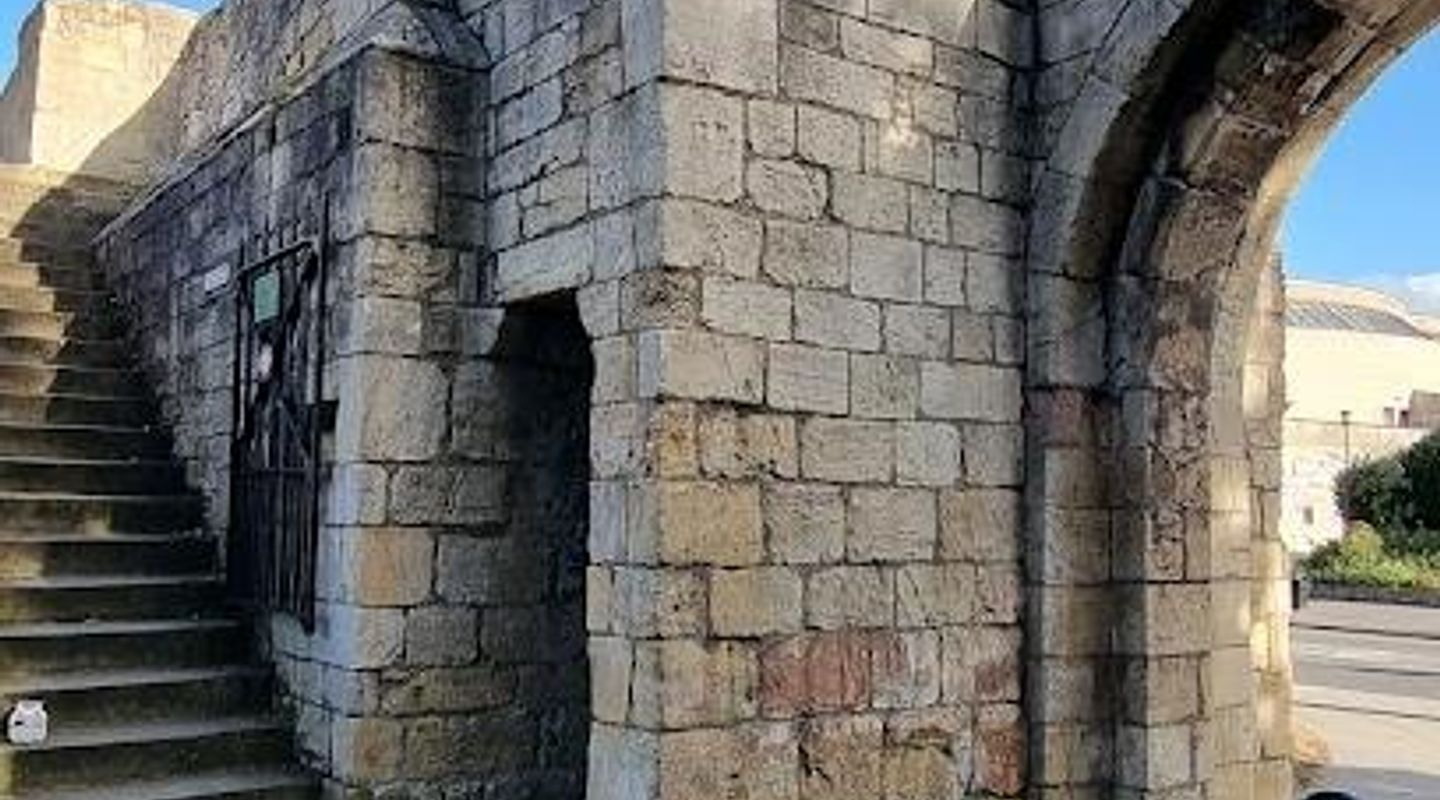
A brief summary of Fishergate Bar
Step through Fishergate Bar, a medieval gateway guarding York’s southern entrance, steeped in history and tales of rebellion.
Fishergate Bar is a historic medieval gateway in York’s ancient city walls, originally built around 1315. It served as a strategic entrance facing south towards Selby and was once adjacent to the flooded King's Fishpond. Damaged and bricked up after the 1489 Yorkshire Rebellion against Henry VII’s taxes, it was reopened in 1827 and remains a significant symbol of York’s rich heritage and defensive past.
On-site amenities
 Seating areas
 Information boards
- Address
- 40 George St, York YO1 9PX
Getting there
Bus
Walking
Taxi
Discover more about Fishergate Bar
Medieval Origins and Strategic Importance
Fishergate Bar is one of York’s six historic bars—medieval gateways integrated into the city’s defensive walls. First recorded in 1315 as Barram Fishergate, this gateway faced south along the Roman road towards Selby and guarded access to the city. Its location was particularly strategic, situated near the large flooded area known as the King’s Fishpond, a natural barrier that enhanced the city’s defenses.
Historic Events and Architectural Evolution
The Bar suffered significant damage during the Yorkshire Rebellion of 1489, when it was burnt and subsequently bricked up to prevent access. This rebellion was sparked by opposition to new taxes imposed by Henry VII. The gateway remained closed for centuries until it was reopened in 1827, coinciding with the relocation of York’s cattle market and the development of the surrounding area. The original medieval structure was likely two stories tall with square defensive towers, though much of what stands today reflects later restorations.
Role in York’s Defensive Network
Fishergate Bar was part of a larger system of walls and towers that protected York from invasion and controlled trade and movement into the city. Unlike the four main bars, Fishergate Bar was smaller but still played a vital role in the city’s security. It also held a prison room used in Elizabethan times to detain rascals and lunatics. Over time, the Bar witnessed many historical moments, including its closure following the rebellion and its reopening in the 19th century as York modernized.
The Surrounding Area and Later Developments
The area around Fishergate Bar transformed significantly over the centuries. After the medieval churches and priory nearby were demolished in the 16th century, the land became open fields and market gardens. The canalisation of the River Foss in the 18th century brought new industry, and the relocation of the cattle market in the 19th century led to the Bar’s reopening. Today, it sits near George Street and remains a pedestrian gateway linking historic York with its evolving urban landscape.
Preservation and Cultural Significance
Fishergate Bar is a scheduled ancient monument and a Grade I listed structure, recognized for its historical and architectural significance. Though much altered, it stands as a tangible link to York’s medieval past and the city’s resilience through rebellion, war, and modernization. It offers visitors a glimpse into the defensive strategies of medieval England and the layered history embedded in York’s city walls.
Visitor Experience and Atmosphere
Approaching Fishergate Bar, visitors can appreciate the medieval stonework and the marks of history etched into its facade, including scorch marks from the 1489 uprising. The gateway’s modest scale compared to York’s grander bars lends it a unique charm and intimacy. It invites reflection on the city’s turbulent past and the everyday lives of those who passed through its archway over centuries.
Evendo Review Centre
 Google
Guest reviews
Best time to go
Quietest: Jan, Feb & Dec · before 6am or at 10pm
Busy times are Evendo estimates for a typical year, to help you plan. Actual crowds vary with events, school holidays and the weather.
Explore Fishergate Bar on the map
A handpicked selection of must-see spots near Fishergate Bar, mapped for you.
Get your free copy of our complete guide to Fishergate Bar, delivered straight to you.
Everything on this page, from opening hours and how to get there to Eve’s tips and the best time to go, in one PDF you can read offline, print or share.
Already have an account? Sign in
Your Fishergate Bar guide is ready.
We'll send it to · Not you? Sign out

Getting your guide ready…
We are putting together a fresh copy of the Fishergate Bar guide. This can take up to a minute.
This can take a few moments. If your browser asks, choose Allow so the download can start. You'll find the guide in your Downloads folder.
Nothing happened? Download it again
Sorry, the guide is taking longer than usual. Please try again in a minute, or get it by email instead.
Unlock the best of Fishergate Bar
Skip-the-line tickets, guided tours with entry, and walking tours of the area, booked in a few clicks.


Other nearby places you may find interesting
The closest places of the same kind, if this one is not quite what you had in mind.
-
-
-
-
-


Swipe for more places
More to explore near Fishergate Bar

 Best experiences near Fishergate Bar
 Best hotels near Fishergate Bar
 Best landmarks near Fishergate Bar
 Best attractions near Fishergate Bar
 Best shops near Fishergate Bar
 Best restaurants near Fishergate Bar
 Best bars near Fishergate Bar
Do you manage this location?
Take control to get all the benefits, like improved information, better appearance, and stronger visibility across AI-powered discovery.
Explore more
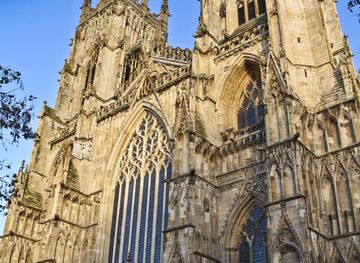
Explore more of York
Explore York, a captivating city where medieval history meets modern charm. Discover York Minster, The Shambles, and a vibrant food scene in this must-visit UK destination.
Explore York
Explore more of United Kingdom
Discover the United Kingdom: A blend of rich history, stunning landscapes, and vibrant cities, offering a unique travel experience for every visitor.
Explore United Kingdom
