

Free East Coast Travel Guide & Mobile App
Explore East Coast with free travel guides. Discover regional history, expert tips, proposed trips, and audio guides on web or mobile app.


Explore Uruguay’s East Coast for Atlantic beaches, lagoon wetlands, seaside resorts, seafood, dunes and distinctive coastal villages.
Read more about East Coast
When is the best time to visit East Coast?
Best: April–May, September · 25–26°C| Month | High (°C) | Rainfall (mm) |
|---|---|---|
| January | 16 | 75 |
| February | 16 | 80 |
| March | 21 | 85 |
| April (best) | 26 | 90 |
| May (best) | 26 | 95 |
| June | 28 | 100 |
| July | 30 | 105 |
| August | 28 | 110 |
| September (best) | 25 | 115 |
| October | 21 | 120 |
| November | 17 | 125 |
| December | 14 | 130 |
Getting to and around East Coast
How to get there
Transportation
Top city travel guides in East Coast
The cities of East Coast, and the easiest places to base yourself.
-

-


Swipe for more cities
Destinations in East Coast
Resorts, valleys and scenic spots worth a trip of their own.
-

-

-

-

-

-


Swipe for more destinations
Best attractions in East Coast
The East Coast offers a broad sequence of coastal experiences rather than one uniform attraction zone. Punta del Este provides beaches, a port, galleries, public art and the lively urban setting of the peninsula, while Piriápolis combines a traditional resort promenade with access to wooded hills and viewpoints. Farther east, José Ignacio, La Paloma, La Pedrera and Punta del Diablo offer different expressions of beach life, from polished summer destinations to informal fishing and surfing communities. Rocha’s protected environments are equally important: Cabo Polonio brings dunes, rocky shores and sea lions; Laguna de Rocha and Laguna de Garzón support birdlife and quiet-water landscapes; and Laguna de Castillos is associated with extensive wetlands and native vegetation. Visitors can choose among surfing, swimming, coastal walking, horseback riding, birdwatching, kayaking and seasonal whale observation. The region’s attractions are strongest when the developed resorts are balanced with slower visits to lagoons, dunes, forested shorelines and working coastal settlements.
-
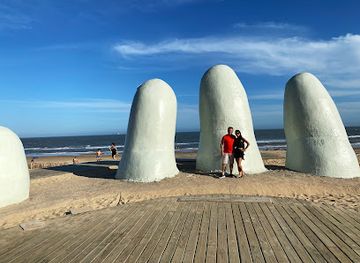
Sculpture
The Fingers of Punta del Este
Explore the stunning Fingers of Punta del Este, a surreal sculpture on Brava Beach that captivates visitors with its artistic beauty and breathtaking coastal views.
-
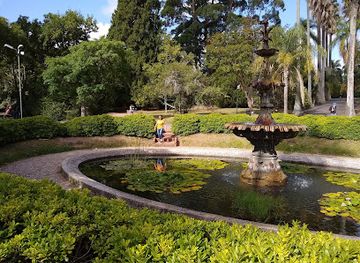
Botanical garden
Montevideo Botanical Garden
Explore the lush landscapes and diverse flora of the Montevideo Botanical Garden, a serene retreat in Uruguay's capital, perfect for nature lovers and families.
-
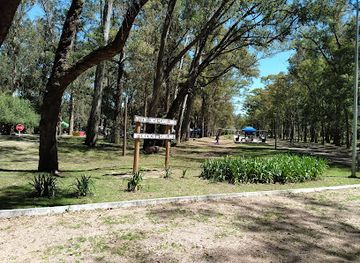
Park
El Jagüel Park
Explore the serene beauty of El Jagüel Park in Punta del Este, a perfect family-friendly destination for relaxation and outdoor activities.
-
Park
Parque Franklin Delano Roosevelt
Explore Parque Franklin Delano Roosevelt: A National Reserve in Ciudad de la Costa Offering Scenic Trails and Tranquil Green Spaces.


Best landmarks in East Coast
The East Coast’s most recognisable landmarks include the distinctive lighthouse and dune landscape of Cabo Polonio, a protected coastal settlement whose isolation is central to its character. Punta del Este’s sculpture commonly known as La Mano, rising from the sand at Playa Brava, has become an emblem of Uruguay’s resort coast, while the harbour and peninsula provide a contrasting maritime landmark. In Piriápolis, the Hotel Argentino and the seafront promenade recall the ambition of the early resort town, and the Cerro San Antonio viewpoint gives the coastline a memorable geographical frame. The lighthouses at José Ignacio, Punta del Este and La Paloma mark different stages of maritime history and remain prominent coastal reference points. Rocha’s lagoons and barrier beaches are natural landmarks in their own right: Laguna de Rocha and Laguna Garzón show how freshwater and marine environments meet, while the broad dunes around Cabo Polonio demonstrate the forces that continue to shape the shoreline.
-
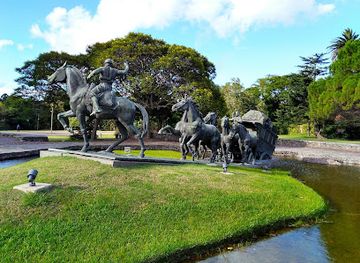
Park
Prado Park
Explore the stunning beauty and tranquility of Prado Park in Montevideo, a perfect urban oasis for relaxation, recreation, and cultural experiences.
-
Sculpture
The Fingers of Punta del Este
Discover the iconic Fingers of Punta del Este, a stunning sculpture symbolizing humanity's struggle against nature, set against a breathtaking beachfront backdrop.
-
Tourist attraction
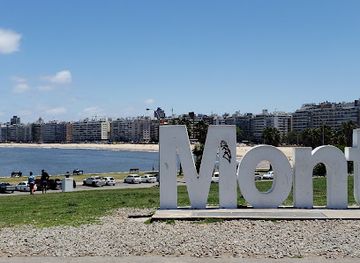
Montevideo Letters
Discover the vibrant Montevideo Letters along the scenic Rambla, a perfect blend of culture, relaxation, and stunning views over the Río de la Plata.
-
Botanical garden
Montevideo Botanical Garden
Explore the Montevideo Botanical Garden, a serene retreat filled with diverse plant species and tranquil landscapes, perfect for nature lovers and families.

Explore East Coast on the map
Plan your trip on one map. See where the top cities, national parks and sights are, and book hotels and experiences in a few clicks.
Best hotels in East Coast
Best restaurants in East Coast
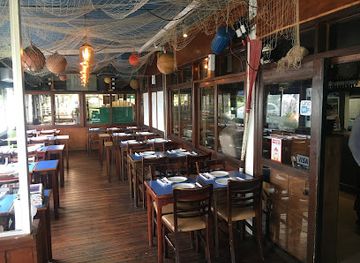
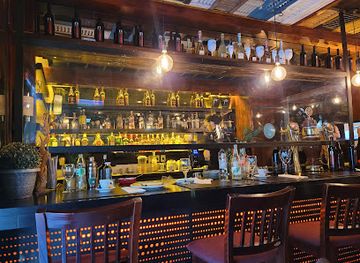
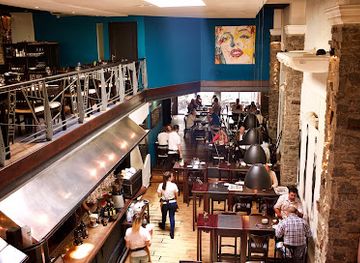
Dining along the East Coast combines Uruguay’s parrilla tradition with a strong maritime influence. Grilled beef, sausages and vegetables remain central, while coastal restaurants commonly prepare fish, prawns and other seafood according to local availability. Punta del Este and José Ignacio contain the widest range of polished restaurants, cafés and international menus, whereas Piriápolis, La Paloma, La Pedrera and Punta del Diablo offer a mixture of family-run dining rooms, pizzerias, beach cafés and informal seafood establishments. Smaller Rocha communities may have limited choice outside summer, so meal planning matters in the quieter months. Local markets and shops are useful for bread, cheese, fruit, preserves and picnic supplies, particularly when visiting lagoons or remote beaches. Uruguay’s customary yerba mate culture is visible throughout the region, while wine from other parts of the country is widely served with meals. Ask about the day’s catch and regional produce rather than assuming every coastal dish is locally landed.
-
Seafood
El Italiano
Discover El Italiano: Montevideo's top seafood restaurant offering fresh flavors and an unforgettable dining experience.
-
Restaurant
Don Andres
Experience authentic Uruguayan cuisine at Don Andres in Montevideo – where every meal tells a story.
-
Uruguayan
La Cocina de Pedro
Savor authentic Uruguayan cuisine at La Cocina de Pedro - where tradition meets flavor in every dish.
-
Restaurant
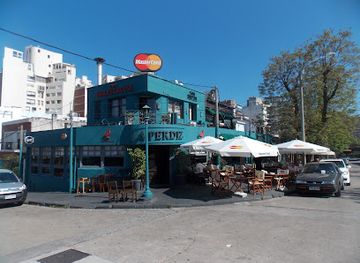
La Perdiz
Discover La Perdiz in Montevideo – where local flavors meet exceptional dining experiences in a vibrant atmosphere.
Best bars in East Coast
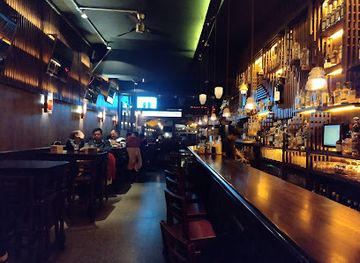
Evening life changes sharply with the seasons and from west to east. Punta del Este has the region’s most expansive choice of cocktail bars, restaurants, live music and late-night venues, especially around the peninsula, port and nearby resort communities. La Barra, Manantiales and José Ignacio develop a more selective summer scene, while Piriápolis centres on bars, restaurants and the seafront rather than a large club circuit. La Paloma, La Pedrera and Punta del Diablo are known for informal bars, music and seasonal gatherings, with activity falling considerably outside the warmer months. In smaller Rocha settlements, traditional bars and simple restaurants are more dependable than nightclubs. Breweries and wine-focused venues appear in the larger resort areas, but opening arrangements can be highly seasonal. Visitors should check locally for current programmes and return transport, particularly when staying away from the main towns.
-
Bar
Parador Imarangatu
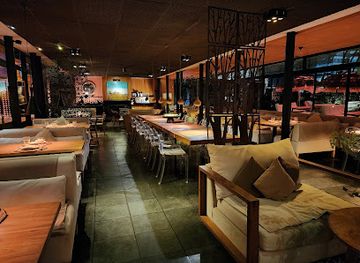
Discover the exquisite flavors and lively atmosphere of Parador Imarangatu, a premier dining destination in Punta del Este, Uruguay.
-
Brewpub
Capi Bar
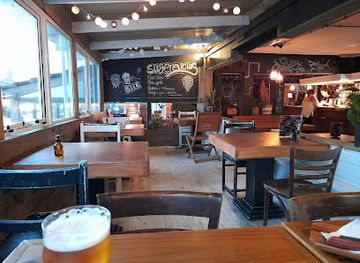
Experience the vibrant atmosphere of Capi Bar in Punta del Este, where craft beers and delicious grilled dishes await in a lively setting.
-
Tourist attraction
Las Grutas
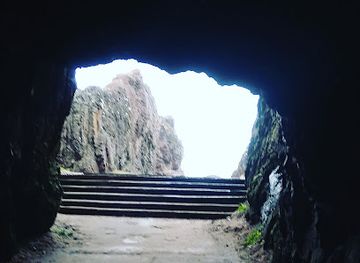
Experience the beauty of Las Grutas, a coastal paradise in Uruguay, renowned for its stunning beaches and delightful culinary experiences.
-
Bar
Burlesque
Discover Burlesque in Montevideo - A vibrant bar offering thrilling performances and a lively atmosphere perfect for nightlife enthusiasts.
Best nightclubs in East Coast
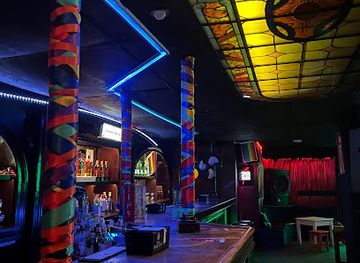
Evening life changes sharply with the seasons and from west to east. Punta del Este has the region’s most expansive choice of cocktail bars, restaurants, live music and late-night venues, especially around the peninsula, port and nearby resort communities. La Barra, Manantiales and José Ignacio develop a more selective summer scene, while Piriápolis centres on bars, restaurants and the seafront rather than a large club circuit. La Paloma, La Pedrera and Punta del Diablo are known for informal bars, music and seasonal gatherings, with activity falling considerably outside the warmer months. In smaller Rocha settlements, traditional bars and simple restaurants are more dependable than nightclubs. Breweries and wine-focused venues appear in the larger resort areas, but opening arrangements can be highly seasonal. Visitors should check locally for current programmes and return transport, particularly when staying away from the main towns.
-
Disco club
Il Tempo
Discover the vibrant nightlife of Montevideo at Il Tempo, where the dance floor comes alive with music and energy every weekend.
-
Restaurant
Restaurante Club de los Balleneros
Discover the exquisite dining experience at Restaurante Club de los Balleneros in Punta Ballena, where culinary excellence meets stunning views.
-
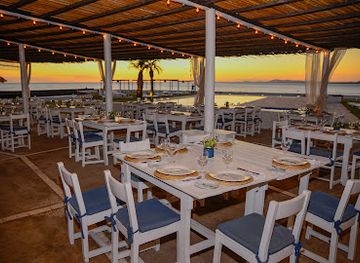
Bar
Ovo Beach
Discover the vibrant nightlife and stunning beach views at Ovo Beach, the ultimate destination for relaxation and entertainment in Punta del Este.
-
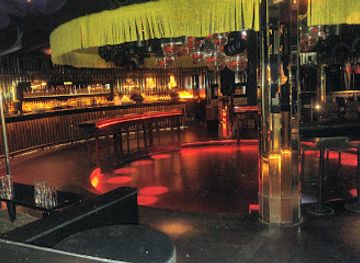
Disco club
Lotus Club
Unleash your energy at Lotus Club, Montevideo's premier disco destination, where the nightlife is vibrant and unforgettable.

Best shops in East Coast
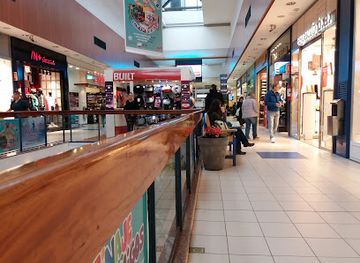
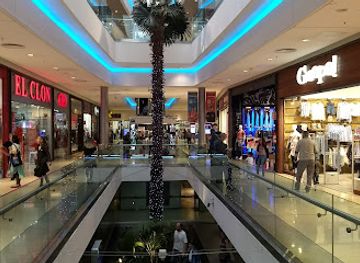
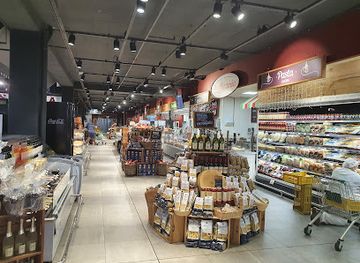
Shopping is most varied in Punta del Este, where the peninsula and surrounding resort areas offer fashion, design, jewellery, art galleries, homeware and seasonal boutiques, alongside practical supermarkets and beach shops. Piriápolis and La Paloma have smaller high streets with craft goods, clothing, books, food products and souvenirs, while La Pedrera and Punta del Diablo develop a more informal summer retail scene. Maldonado is useful for everyday shopping and local services rather than only resort-oriented goods. In Rocha and other inland or rural settlements, shops and markets provide regional food, preserves, cheeses, baked goods and practical supplies for coastal trips. Border shopping is concentrated around Chuy, where commercial activity reflects its position beside Brazil, but prices and regulations can change. For meaningful regional purchases, look for locally made ceramics, textiles, leather goods, artwork and packaged produce, and verify customs allowances before taking food or plant products across an international border.
-
Shopping mall
Tres Cruces Shopping
Discover Tres Cruces Shopping in Montevideo: A vibrant shopping mall featuring diverse stores, dining options, and entertainment for all visitors.
-
Shopping mall
Montevideo Shopping Center
Experience the essence of Montevideo at its premier shopping destination, offering a blend of retail, dining, and entertainment.
-
Shopping mall
Nuevocentro Shopping
Explore the vibrant Nuevocentro Shopping in Montevideo for an unforgettable shopping and dining experience featuring local and international brands.
-
Shopping mall
Punta Carretas Shopping
Discover Punta Carretas Shopping, the ultimate retail and dining destination in Montevideo, Uruguay, where local charm meets international flair.

Get your free copy of our complete guide to East Coast, delivered straight to you.
Everything on this page, from attractions and restaurants to essentials and local phrases, in one PDF you can read offline, print or share.
Already have an account? Sign in
Your East Coast guide is ready.
We'll send it to · Not you? Sign out

Getting your guide ready…
We are putting together a fresh copy of the East Coast guide. This can take up to a minute.
This can take a few moments. If your browser asks, choose Allow so the download can start. You'll find the guide in your Downloads folder.
Nothing happened? Download it again
Sorry, the guide is taking longer than usual. Please try again in a minute, or get it by email instead.
East Coast essentials
Currency and Payment
Safety
Emergency Situations
Do's and Don'ts
Local Tips
From Eve
Local phrases worth knowing
You don't need to get them perfect. A few words go a long way, and locals appreciate the effort.
Basics
| English | Local | Say it |
|---|---|---|
| Hello | Hello | [həˈloʊ] |
| Goodbye | Goodbye | [ɡʊdˈbaɪ] |
| Yes | Yes | [jɛs] |
| No | No | [noʊ] |
| Please/You're welcome | Please/You're welcome | [pliz/jʊr ˈwɛlkəm] |
| Thank you | Thank you | [θæŋk ju] |
| Excuse me/Sorry | Excuse me/Sorry | [ɪkˈskjus mi/ˈsɔri] |
| How are you? | How are you? | [haʊ ɑr ju] |
| Fine. And you? | Fine. And you? | [faɪn. ənd ju] |
| Do you speak English? | Do you speak English? | [du ju spiːk ˈɪŋɡlɪʃ] |
| I don't understand | I don't understand | [aɪ doʊnt ˌʌndərˈstænd] |
Eating & Drinking
| English | Local | Say it |
|---|---|---|
| I'd like to see the menu, please | I'd like to see the menu, please | [aɪd laɪk tu si ðə ˈmɛnju, pliz] |
| I don't eat meat | I don't eat meat | [aɪ doʊnt iːt miːt] |
| Cheers! | Cheers! | [tʃɪrz] |
| I would like to pay, please | I would like to pay, please | [aɪ wʊd laɪk tu peɪ, pliz] |
Emergencies
| English | Local | Say it |
|---|---|---|
| Help! | Help! | [hɛlp] |
| Go away! | Go away! | [ɡoʊ əˈweɪ] |
| Call the Police! | Call the Police! | [kɔl ðə pəˈliːs] |
| Call a doctor! | Call a doctor! | [kɔl ə ˈdɑktər] |
| I'm lost | I'm lost | [aɪm lɔst] |
| I'm ill | I'm ill | [aɪm ɪl] |
Shopping
| English | Local | Say it |
|---|---|---|
| I'd like to buy... | I'd like to buy... | [aɪd laɪk tu baɪ...] |
| I'm just looking | I'm just looking | [aɪm dʒʌst ˈlʊkɪŋ] |
| How much is it? | How much is it? | [haʊ mʌtʃ ɪz ɪt] |
| That's too expensive | That's too expensive | [ðæts tu ɪkˈspɛnsɪv] |
| Can you lower the price? | Can you lower the price? | [kæn ju ˈloʊər ðə praɪs] |
Time & Numbers
| English | Local | Say it |
|---|---|---|
| What time is it? | What time is it? | [wɒt taɪm ɪz ɪt] |
| It's one o'clock | It's one o'clock | [ɪts wʌn əˈklɒk] |
| Half past (10) | Half past (10) | [hæf pæst (10)] |
| Morning | Morning | [ˈmɔrnɪŋ] |
| Afternoon | Afternoon | [ˌæftərˈnuːn] |
| Evening | Evening | [ˈiːvnɪŋ] |
| Yesterday | Yesterday | [ˈjɛstərdeɪ] |
| Today | Today | [təˈdeɪ] |
| Tomorrow | Tomorrow | [təˈmɔroʊ] |
| 1 | 1 | [wʌn] |
| 2 | 2 | [tu] |
| 3 | 3 | [θri] |
| 4 | 4 | [fɔr] |
| 5 | 5 | [faɪv] |
| 6 | 6 | [sɪks] |
| 7 | 7 | [sɛvən] |
| 8 | 8 | [eɪt] |
| 9 | 9 | [naɪn] |
| 10 | 10 | [tɛn] |
Transport & Directions
| English | Local | Say it |
|---|---|---|
| Where's a/the...? | Where's a/the...? | [wɛrz ə/ðə...?] |
| What's the address? | What's the address? | [wʌts ði əˈdrɛs?] |
| Can you show me (on the map)? | Can you show me (on the map)? | [kæn ju ʃoʊ mi (ɑn ðə mæp)?] |
| When's the next (bus)? | When's the next (bus)? | [wɛnʔs ðə nɛkst (bʌs)?] |
| A ticket (to ....) | A ticket (to ....) | [ə ˈtɪkɪt (tu....)] |
History of East Coast
Indigenous Coastal Landscapes before Colonisation
Before European settlement, the eastern shores of present-day Uruguay were used by Indigenous peoples including Charrúa, Chaná and Guaraní-speaking communities, whose movements followed seasonal resources, waterways and coastal environments. Archaeological evidence in Rocha and neighbouring areas includes shell middens, earthen mounds and other traces of long-term occupation. These landscapes were not an empty frontier awaiting settlement: lagoons, dunes, grasslands and river mouths formed part of established patterns of travel and subsistence. Colonial expansion, warfare, displacement and disease later transformed these communities and severely damaged their autonomy.
The Portuguese-Spanish Frontier
The East Coast occupied a strategically important position between the Spanish world centred on Montevideo and the Portuguese territories of Brazil. Control of ports, lagoons and overland routes shifted repeatedly during the colonial period, and the border remained militarised and unsettled for long periods. Fortifications and settlements were established to assert competing claims, while cattle and contraband shaped the frontier economy. The legacy survives in the region’s border culture, bilingual commercial connections and the strategic importance of Chuy, divided by the modern Uruguay-Brazil frontier.
Maldonado and the Organisation of the Coast
Maldonado was founded in the eighteenth century as part of Spain’s effort to strengthen its eastern possessions and protect access to the coast. Its historic centre, churches and civic buildings reflect the development of a colonial and later republican town that served administration, defence and maritime activity. The surrounding department became an important zone between Montevideo, the Atlantic and Brazil. Maldonado’s position eventually helped it become the administrative and service centre behind the modern resort belt around Punta del Este and the smaller coastal communities to its east.
The Rise of Piriápolis and Coastal Tourism
Modern tourism developed gradually in the late nineteenth and early twentieth centuries, influenced by improved roads, rail connections and the growth of leisure travel from Montevideo and Buenos Aires. Francisco Piria promoted Piriápolis as a planned seaside resort, combining a beach, hotel development, a port and avenues leading towards the hills. Its architecture and urban layout preserve an early vision of organised resort life. Punta del Este developed along a different path, becoming increasingly international and urbanised as apartment buildings, marinas and seasonal investment reshaped the peninsula.
Twentieth-Century Resort Expansion
During the twentieth century, the coast became one of Uruguay’s principal tourism regions. Punta del Este expanded from a resort peninsula into a major international destination, while roads and property development connected Maldonado with La Barra, Manantiales and José Ignacio. In Rocha, La Paloma, La Pedrera and Punta del Diablo retained smaller settlements, though they also experienced substantial seasonal growth. This expansion created employment and infrastructure but brought pressure on dunes, wetlands, water supplies and coastal ecosystems, leading to stronger conservation efforts and planning debates.
Conservation and the Contemporary Coast
Late twentieth- and early twenty-first-century coastal policy increasingly recognised the ecological importance of Rocha’s lagoons, dunes, wetlands and marine environments. Cabo Polonio, Laguna de Rocha, Laguna Garzón and Laguna de Castillos are now associated with protected landscapes and conservation initiatives, while broader coastal planning seeks to balance tourism, local livelihoods and habitat protection. The East Coast today therefore contains two overlapping histories: a highly developed resort economy in parts of Maldonado and a more conservation-oriented, dispersed coastal landscape in Rocha.
East Coast in Photos
Browse through our photo collection highlighting the charm and character of the destination.
Neighbouring regions of East Coast
The closest regions to East Coast, if you have time for more than one.
-

-

-

-

-


Swipe for more regions
Explore more

Explore more of Uruguay
Discover Uruguay: Rich culture, stunning beaches, and a warm, welcoming atmosphere await in this hidden gem of South America.
Explore Uruguay