

Free South Coast Travel Guide & Mobile App
Explore South Coast with free travel guides. Discover regional history, expert tips, proposed trips, and audio guides on web or mobile app.


Explore Uruguay’s South Coast for Montevideo culture, sandy resorts, Atlantic villages, coastal wildlife and relaxed summer dining.
Read more about South Coast
When is the best time to visit South Coast?
Best: February–March, November · 24–28°C| Month | High (°C) | Rainfall (mm) |
|---|---|---|
| January | 28 | 100 |
| February (best) | 28 | 90 |
| March (best) | 25 | 100 |
| April | 20 | 90 |
| May | 17 | 80 |
| June | 15 | 80 |
| July | 14 | 80 |
| August | 15 | 80 |
| September | 17 | 90 |
| October | 21 | 100 |
| November (best) | 24 | 100 |
| December | 27 | 100 |
Getting to and around South Coast
How to get there
Transportation
Top city travel guides in South Coast
The cities of South Coast, and the easiest places to base yourself.
-

-


Swipe for more cities
Destinations in South Coast
Resorts, valleys and scenic spots worth a trip of their own.
-

-

-

-

-

-


Swipe for more destinations
Best attractions in South Coast
The South Coast offers a broad progression of attractions rather than a single concentrated sightseeing district. Montevideo contributes Ciudad Vieja, museums, markets, theatres and the long Rambla waterfront, while the Canelones coast is defined by sandy beaches, pine-covered residential areas and the resort architecture of Atlántida and neighbouring towns. In Maldonado, visitors can combine the established seaside life of Punta del Este with Piriápolis’s bay and hills, art spaces, marinas, wineries and rural landscapes. The coast beyond the peninsula becomes lower-key, with beaches, lagoons and dune systems around José Ignacio and nearby communities. Rocha brings the strongest sense of open Atlantic scenery, including La Paloma, La Pedrera, Cabo Polonio, Punta del Diablo and Santa Teresa. Protected dunes, coastal forests, wetlands and lagoons support walking, surfing, birdwatching and wildlife observation, while Santa Teresa adds a significant historic fortress and extensive parkland. Conditions and access vary by season, so the most rewarding itineraries balance resort towns with quieter natural areas rather than attempting to cover the entire coastline in short day trips.
-
Flea market
Feria de Tristan Narvaja
Experience the vibrancy of Montevideo at Feria de Tristan Narvaja, a bustling flea market filled with local crafts, delicious food, and cultural treasures.
-
Park
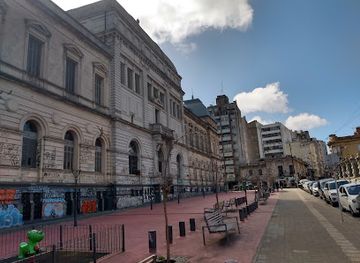
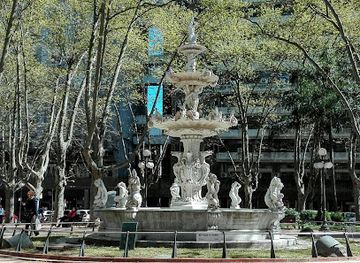
Constitution Plaza
Discover the lush beauty and rich history of Constitution Plaza, a serene park in the heart of Montevideo, perfect for relaxation and exploration.
-
Water park
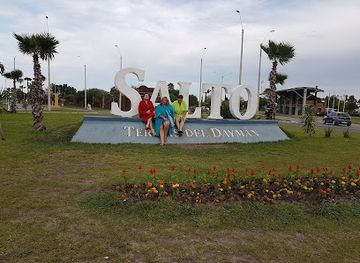
Acuamanía Water Park
Experience the ultimate water adventure at Acuamanía Water Park in Termas del Daymán, where family fun and excitement await under the sun.
-
Castle
Francisco Piria Castle
Explore the historic Francisco Piria Castle in Piriápolis, a stunning blend of architecture, culture, and breathtaking coastal views.

Best landmarks in South Coast
Montevideo’s historic Ciudad Vieja and its surviving colonial and nineteenth-century architecture provide the South Coast’s most substantial urban heritage setting, while the Rambla is a defining civic landscape running beside the Río de la Plata. The Palacio Salvo is an especially recognisable landmark on the capital’s central skyline. In Canelones, Atlántida’s Iglesia de Cristo Obrero, designed by Eladio Dieste and recognised by UNESCO for its cultural significance, is an outstanding example of modern brick architecture. Piriápolis is marked by its curving bay, the Cerro San Antonio and the historic character of a planned resort created by Francisco Piria. Punta del Este’s peninsula, lighthouse and port form the visual centre of Uruguay’s best-known resort. Farther east, the lighthouse at Cabo Polonio stands among shifting dunes and open Atlantic beaches, while the Fortaleza de Santa Teresa is a major eighteenth-century military monument set within a coastal park. Natural landmarks, including Rocha’s dunes, lagoons and forested shoreline, are equally important to the region’s identity.
-
Sculpture
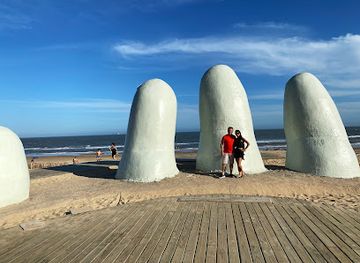
The Fingers of Punta del Este
Discover the awe-inspiring Fingers of Punta del Este, a striking sculpture and iconic landmark on Uruguay's beautiful Brava Beach, blending art and nature.
-
Tourist attraction
Colonia del Sacramento Lighthouse
Explore the Colonia del Sacramento Lighthouse, a historic gem offering stunning views and a glimpse into Uruguay's maritime heritage.
-
Historical landmark
Fortress of Santa Teresa
Discover the captivating history and breathtaking views at the Fortress of Santa Teresa, a stunning military landmark on Uruguay's coast.
-
Water park
Acuamanía Water Park
Experience endless fun and excitement at Acuamanía Water Park, the ultimate summer destination in Termas del Daymán, Uruguay.


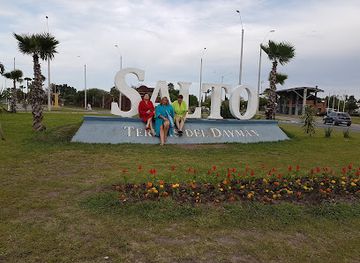
Explore South Coast on the map
Plan your trip on one map. See where the top cities, national parks and sights are, and book hotels and experiences in a few clicks.
Best hotels in South Coast
Best restaurants in South Coast
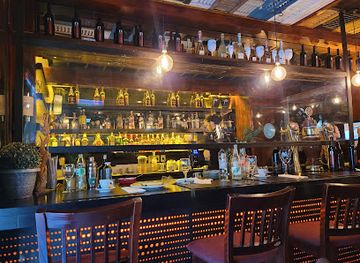
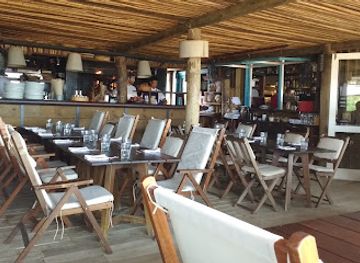
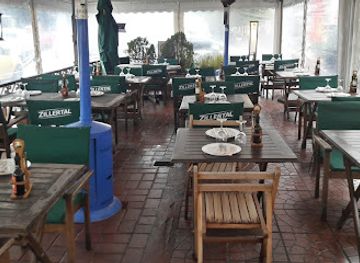
Dining on Uruguay’s South Coast ranges from Montevideo’s international restaurants and traditional grills to seasonal cafés, seafood houses and relaxed beach dining farther east. Beef cooked over a parrilla remains central to the national food culture, while coastal towns commonly serve fish, prawns and other seafood according to local supply. Resort areas around Punta del Este, José Ignacio, La Paloma and La Pedrera offer the widest choice of contemporary restaurants, bakeries, pizzerias and cafés, with many businesses operating more fully during the summer. Inland Maldonado also has vineyards, olive producers and rural establishments where local products feature in tastings and meals. Uruguay’s cheeses, breads, dulce de leche and regional wines are useful additions to a self-catering picnic or market visit. In smaller Rocha communities, dining can be simple and seasonal, so visitors should not assume that every restaurant or food shop operates year-round.
-
Restaurant
Don Andres
Discover authentic Uruguayan cuisine at Don Andres in Montevideo - where tradition meets culinary excellence in every dish.
-
Uruguayan
La Cocina de Pedro
Discover the essence of Uruguayan cuisine at La Cocina de Pedro – a culinary journey through tradition and flavor.
-
Uruguayan
Parador La Huella
Experience exquisite Uruguayan cuisine at Parador La Huella with stunning ocean views in Faro de José Ignacio.
-
Grill
García
Discover the flavors of Uruguay at García - Montevideo's premier grill restaurant serving exquisite meats in a welcoming atmosphere.

Best bars in South Coast
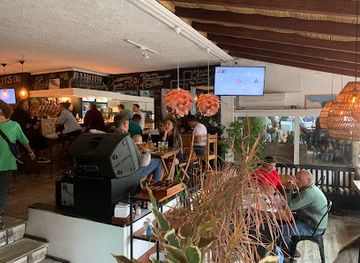
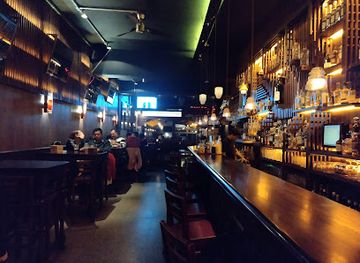
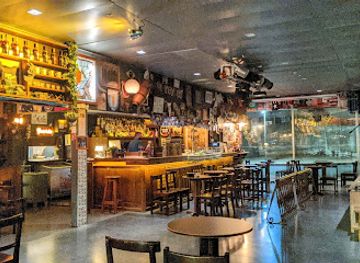
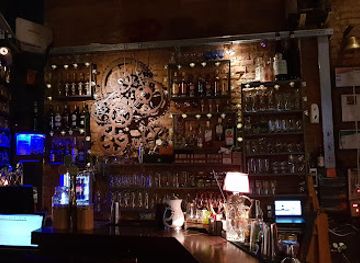
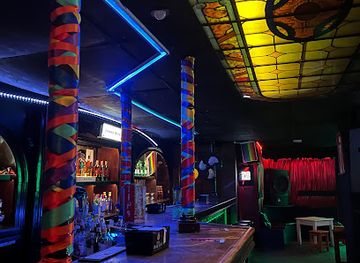
Evening life changes considerably along the South Coast. Montevideo has the region’s broadest choice of traditional bars, craft-beer venues, live music, theatre and late-night restaurants, particularly around central neighbourhoods and the waterfront. Canelones beach towns tend towards informal cafés, bars and seasonal venues where summer visitors gather after the beach. Punta del Este and nearby La Barra have the most concentrated resort nightlife, including cocktail bars, restaurants and clubs that become particularly active during the southern summer, although opening patterns and popularity change frequently. José Ignacio and Manantiales are better known for restaurants, wine and low-key evening socialising than for a large permanent club scene. In La Paloma, La Pedrera and Punta del Diablo, pubs, live music, beach bars and casual restaurants form the main nighttime offer, with a strong seasonal difference. Outside the major resorts, evenings are generally quiet and centred on local restaurants, inns and community events.
-
Brewpub
Capi Bar
Discover the vibrant flavors of craft beer and gourmet cuisine at Capi Bar, a premier brewpub in Punta del Este, Uruguay.
-
Bar
Burlesque
Discover the enchanting nightlife of Montevideo at Burlesque, where captivating performances and exquisite cocktails come together for an unforgettable experience.
-
Bar
Baar Fun Fun
Discover the lively spirit of Baar Fun Fun, a must-visit bar in Montevideo offering delicious drinks and vibrant nightlife.
-
Bar
The Puta Madre Bar
Experience the lively atmosphere and exceptional drinks at The Puta Madre Bar, a highlight of Montevideo's vibrant nightlife scene.
Best nightclubs in South Coast
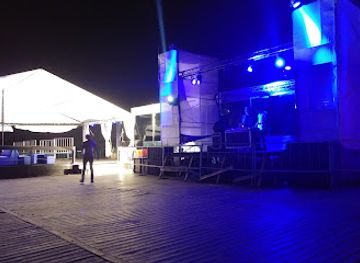
Evening life changes considerably along the South Coast. Montevideo has the region’s broadest choice of traditional bars, craft-beer venues, live music, theatre and late-night restaurants, particularly around central neighbourhoods and the waterfront. Canelones beach towns tend towards informal cafés, bars and seasonal venues where summer visitors gather after the beach. Punta del Este and nearby La Barra have the most concentrated resort nightlife, including cocktail bars, restaurants and clubs that become particularly active during the southern summer, although opening patterns and popularity change frequently. José Ignacio and Manantiales are better known for restaurants, wine and low-key evening socialising than for a large permanent club scene. In La Paloma, La Pedrera and Punta del Diablo, pubs, live music, beach bars and casual restaurants form the main nighttime offer, with a strong seasonal difference. Outside the major resorts, evenings are generally quiet and centred on local restaurants, inns and community events.
-
Disco club
Il Tempo
Experience the vibrant nightlife of Montevideo at Il Tempo, where electrifying music and unforgettable moments await every night.
-
Bar
Ovo Beach
Experience the vibrant nightlife at Ovo Beach, Punta del Este's premier bar and disco club, where ocean views meet unforgettable parties.
-
Disco club
Lotus Club
Discover the essence of Montevideo's nightlife at Lotus Club, an electrifying disco destination perfect for dancing and socializing.
-
Disco club
Ocean Club
Experience the heartbeat of Punta del Este at Ocean Club, where great music, ocean views, and a vibrant crowd create unforgettable nights.


Best shops in South Coast
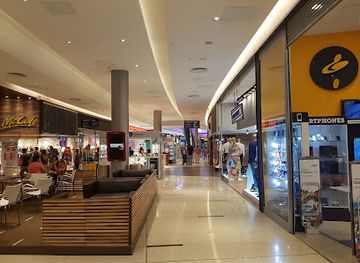
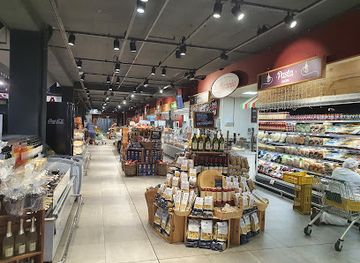
Shopping is most varied in Montevideo, where Ciudad Vieja, Centro and neighbourhood high streets offer books, design, clothing, antiques, crafts and food products, alongside the city’s larger market culture. The coastal towns of Canelones have a more local and seasonal retail character, with independent shops, small galleries, beachwear and souvenirs concentrated around their central streets and promenades. Punta del Este provides the South Coast’s largest concentration of upscale boutiques, art galleries, jewellery shops and design-led retail, while La Barra and Manantiales have a more resort-oriented mix that is strongly affected by the summer season. In Maldonado, everyday shops and local services offer a less intensely touristic alternative to the peninsula. Rocha’s towns are useful places to look for handmade crafts, woven goods, ceramics, artwork and regional foods, although choice is smaller and opening patterns can be seasonal. Good practical purchases include Uruguayan wine, olive oil, cheeses, leather goods, textiles and carefully labelled local foods rather than generic beach souvenirs.
-
Shopping mall
Tres Cruces Shopping
Discover an unparalleled shopping experience at Tres Cruces Shopping in Montevideo, featuring a diverse range of stores, dining, and entertainment.
-
Shopping mall
Montevideo Shopping Center
Discover the Montevideo Shopping Center: a vibrant shopping destination with diverse stores, dining, and entertainment options in the heart of Uruguay's capital.
-
Shopping mall
Nuevocentro Shopping
Discover the dynamic shopping experience at Nuevocentro Shopping in Montevideo, where retail therapy meets culinary delights and family fun.
-
Shopping mall
Punta Carretas Shopping
Discover Punta Carretas Shopping: Montevideo's premier shopping mall with diverse brands, delicious dining, and family-friendly entertainment.


Get your free copy of our complete guide to South Coast, delivered straight to you.
Everything on this page, from attractions and restaurants to essentials and local phrases, in one PDF you can read offline, print or share.
Already have an account? Sign in
Your South Coast guide is ready.
We'll send it to · Not you? Sign out

Getting your guide ready…
We are putting together a fresh copy of the South Coast guide. This can take up to a minute.
This can take a few moments. If your browser asks, choose Allow so the download can start. You'll find the guide in your Downloads folder.
Nothing happened? Download it again
Sorry, the guide is taking longer than usual. Please try again in a minute, or get it by email instead.
South Coast essentials
Currency and Payment
Safety
Emergency Situations
Do's and Don'ts
Local Tips
From Eve
Local phrases worth knowing
You don't need to get them perfect. A few words go a long way, and locals appreciate the effort.
Basics
| English | Local | Say it |
|---|---|---|
| Hello | Howdy | [haʊdi] |
| Goodbye | See ya | [si jə] |
| Yes | Yep | [jɛp] |
| No | Nah | [nɑ] |
| Please/You're welcome | Sure thing | [ʃʊr θɪŋ] |
| Thank you | Thanks | [θæŋks] |
| Excuse me/Sorry | Pardon me | [ˈpɑrdən mi] |
| How are you? | How ya doin'? | [haʊ jə ˈduɪn] |
| Fine. And you? | Good, and you? | [ɡʊd, ənd jə] |
| Do you speak English? | Do ya speak English? | [du jə spiːk ˈɪŋɡlɪʃ] |
| I don't understand | I ain't gettin' it | [aɪ eɪnt ˈɡɛtɪn ɪt] |
Eating & Drinking
| English | Local | Say it |
|---|---|---|
| I'd like to see the menu, please | Can I see the menu? | [kæn aɪ si ðə ˈmɛnju] |
| I don't eat meat | I'm a vegetarian | [aɪm ə ˌvɛdʒəˈtɛriən] |
| Cheers! | Cheers! | [ʧɪrz] |
| I would like to pay, please | Can I get the check? | [kæn aɪ ɡɛt ðə ʧɛk] |
Emergencies
| English | Local | Say it |
|---|---|---|
| Help! | Help! | [hɛlp] |
| Go away! | Get lost! | [ɡɛt lɔst] |
| Call the Police! | Call 911! | [kɔl naɪn wʌn wʌn] |
| Call a doctor! | Get a doctor! | [ɡɛt ə ˈdɑktər] |
| I'm lost | I'm lost | [aɪm lɔst] |
| I'm ill | I'm not feeling well | [aɪm nɑt ˈfilɪŋ wɛl] |
Shopping
| English | Local | Say it |
|---|---|---|
| I'd like to buy... | I wanna buy... | [aɪ ˈwɑnə baɪ] |
| I'm just looking | Just browsing | [dʒʌst ˈbraʊzɪŋ] |
| How much is it? | What’s the price? | [wʌts ðə praɪs] |
| That's too expensive | That costs too much | [ðæt kɔsts tu mʌʧ] |
| Can you lower the price? | Can ya cut the price? | [kæn jə kʌt ðə praɪs] |
Time & Numbers
| English | Local | Say it |
|---|---|---|
| What time is it? | What time is it? | [wʌt taɪm ɪz ɪt] |
| It's one o'clock | It's one o'clock | [ɪts wʌn əˈklɑk] |
| Half past (10) | It's half past ten | [ɪts hæf pæst tɛn] |
| Morning | Morning | [ˈmɔrnɪŋ] |
| Afternoon | Afternoon | [ˌæftərˈnun] |
| Evening | Evening | [ˈivnɪŋ] |
| Yesterday | Yesterday | [ˈjɛstərdeɪ] |
| Today | Today | [təˈdeɪ] |
| Tomorrow | Tomorrow | [təˈmɔroʊ] |
| 1 | One | [wʌn] |
| 2 | Two | [tu] |
| 3 | Three | [θri] |
| 4 | Four | [fɔr] |
| 5 | Five | [faɪv] |
| 6 | Six | [sɪks] |
| 7 | Seven | [ˈsɛvən] |
| 8 | Eight | [eɪt] |
| 9 | Nine | [naɪn] |
| 10 | Ten | [tɛn] |
Transport & Directions
| English | Local | Say it |
|---|---|---|
| Where's a/the...? | Where's the...? | [wɛrz ðə] |
| What's the address? | What's the address? | [wʌts ði əˈdrɛs] |
| Can you show me (on the map)? | Can ya show me on the map? | [kæn jə ʃoʊ mi ɑn ðə mæp] |
| When's the next (bus)? | When's the next bus? | [wɛnʔs ðə nɛkst bʌs] |
| A ticket (to ....) | A ticket to ... | [ə ˈtɪkɪt tu] |
History of South Coast
Indigenous Coastal Landscapes before European Settlement
Before European colonisation, the coast and its inland waterways were used by Indigenous peoples including groups commonly associated with the Charrúa and related populations. Rivers, lagoons, forests and shorelines provided routes, food and seasonal resources. Archaeological evidence across Uruguay includes shell deposits, stone tools and other traces of long-term occupation, although the surviving record is uneven and interpretations continue to develop. European settlement later transformed these landscapes through livestock ranching, ports, roads and urbanisation, but coastal wetlands, dunes and forest still preserve environments that predate the modern resort towns.
Montevideo and the Spanish Atlantic Frontier
Montevideo was founded by the Spanish in the early eighteenth century as part of their effort to strengthen control of the Río de la Plata against Portuguese expansion and other imperial rivals. Its harbour and defensible position established the city as the principal urban and maritime centre of the southern coast. The surrounding shoreline remained relatively rural for much longer, while the bay and port connected the settlement to Atlantic trade. Montevideo’s colonial origins remain visible in Ciudad Vieja, although much of the present-day waterfront reflects later nineteenth- and twentieth-century development.
Independence and the Formation of Uruguay
The Banda Oriental was shaped by conflict involving Spain, Portugal, Brazil and revolutionary forces before the creation of the independent Republic of Uruguay in 1828. Montevideo played a central role in these struggles because of its harbour and strategic location. Independence brought the need to organise a new state, secure its borders and develop trade through coastal ports. The South Coast’s later towns and resorts emerged within this national framework rather than as separate political territories, and the region’s roads, railways and commercial links continued to revolve around Montevideo.
Ports, Railways and Coastal Settlement in the Nineteenth Century
During the nineteenth century, improved transport helped connect Montevideo with agricultural hinterlands and coastal settlements. The expansion of railways and roads encouraged the movement of people and goods, while ranching, fishing and small-scale commerce shaped communities beyond the capital. The coast was gradually settled by migrants and Uruguayans from different parts of the country. These links laid the foundations for the later growth of beach towns, making shores that had once been distant from the capital more accessible for leisure, permanent residence and seasonal trade.
The Rise of the Planned Seaside Resort
Modern coastal tourism developed strongly during the late nineteenth and early twentieth centuries. Francisco Piria promoted Piriápolis as a planned resort, combining a waterfront, hotel development, transport links and the slopes of Cerro San Antonio. Punta del Este also grew from a small coastal settlement into an international resort, helped by improved communications, investment and its position on the peninsula. Atlántida and other Canelones beach towns developed a more accessible holiday culture for residents of Montevideo. Their promenades, villas, hotels and distinctive early architecture remain important evidence of Uruguay’s resort history.
Modern Conservation and the Atlantic Coast
The eastern coast increasingly became valued not only for beaches but also for dunes, lagoons, wetlands, forests and wildlife. Protected areas and environmental initiatives have sought to balance tourism, fishing, settlement and the movement of fragile coastal sands. Cabo Polonio and the surrounding Rocha coastline illustrate this transition particularly clearly: places once associated mainly with fishing and remote seasonal life now attract visitors interested in nature and low-impact travel. Conservation remains an active challenge as infrastructure, climate pressures and demand for coastal property continue to affect the shoreline.
South Coast in Photos
Browse through our photo collection highlighting the charm and character of the destination.
Neighbouring regions of South Coast
The closest regions to South Coast, if you have time for more than one.
-

-

-

-

-


Swipe for more regions
Explore more

Explore more of Uruguay
Discover Uruguay: Rich culture, stunning beaches, and a warm, welcoming atmosphere await in this hidden gem of South America.
Explore Uruguay