

Punta Ballena Travel Guide - Free Web & App
Your ultimate guide to Punta Ballena. Discover top landmarks, proposed trips, and local tips. Free on the web or via the Evendo companion app.


Punta Ballena, Uruguay, pairs Atlantic viewpoints, Casapueblo, Arboretum Lussich and Portezuelo beach with coastal walks near Punta del Este.
A Peninsula on the Maldonado Coast
Punta Ballena is a rocky peninsula on Uruguay’s southern coast, west of Punta del Este and within the department of Maldonado. Its name, meaning “Whale Point”, reflects the rounded outline of the headland as it projects into the Atlantic. The coast alternates between exposed rocks, small coves and broad sandy shores, including Portezuelo Beach on the peninsula’s sheltered northern side. Inland, low hills and leafy residential areas create a quieter contrast with the resort bustle of Punta del Este.Read more about Punta Ballena
Art, Gardens and Coastal Views
Beaches and a Leisurely Coastal Rhythm
When is the best time to visit Punta Ballena?
Best: March, November–December · 24–26°C| Month | High (°C) | Rainfall (mm) |
|---|---|---|
| January | 30 | 90 |
| February | 30 | 86 |
| March (best) | 26 | 77 |
| April | 21 | 67 |
| May | 17 | 55 |
| June | 14 | 44 |
| July | 12 | 48 |
| August | 14 | 52 |
| September | 16 | 60 |
| October | 20 | 69 |
| November (best) | 24 | 78 |
| December (best) | 26 | 85 |
Getting to and around Punta Ballena
How to get there
Transportation
Best attractions in Punta Ballena
-
Tourist attraction
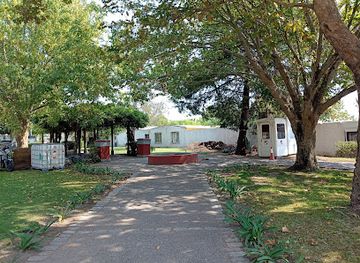
Cachimba del Rey
Experience the breathtaking beauty and rich history of Cachimba del Rey, a must-visit tourist attraction in Maldonado, Uruguay.
Best landmarks in Punta Ballena
Casapueblo is Punta Ballena’s principal built landmark: an irregular white complex of studios, terraces and galleries created by Carlos Páez Vilaró on the Atlantic-facing slope. Its architecture is inseparable from the headland, with curved forms and open platforms oriented towards the sea. The Arboretum Lussich is the area’s major living landmark, representing the long-term transformation of the peninsula through planned plantings and horticultural experimentation. Punta Ballena itself is the defining natural feature, projecting between the open Atlantic and the more sheltered waters near Portezuelo. The rocky point, low coastal hills and broad beach form a landscape of strong contrasts, while neighbouring Solanas and the distant skyline of Punta del Este place the peninsula within Maldonado’s wider resort geography. These landmarks are significant less for monumental scale than for the way art, cultivated landscape and coastal geology have been brought together in one compact area.
-
Tourist attraction
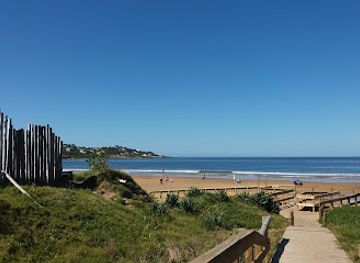
Playa Portezuelo
Experience the tranquil beauty of Playa Portezuelo, a family-friendly beach in Punta Ballena, Uruguay, perfect for relaxation and fun in the sun.
-
Arboretum
Arboretum Lussich
Discover the breathtaking beauty of Arboretum Lussich, a top botanical garden and nature preserve in Maldonado, Uruguay, perfect for nature lovers and explorers.
-
Espresso bar
Punta Ballena Lookout Point
Discover the stunning vistas of Punta Ballena Lookout Point, where breathtaking views meet exquisite coffee in a serene atmosphere.
-
Tourist information center
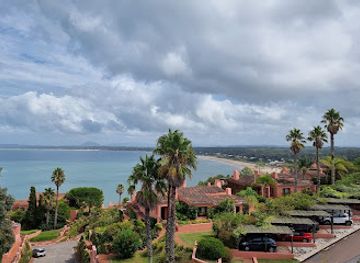
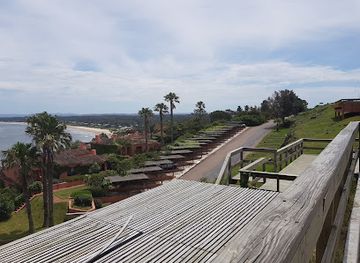
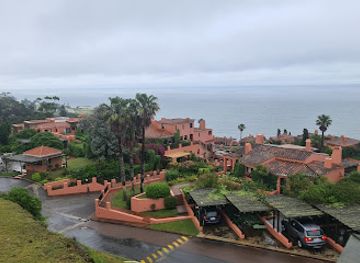
View of Punta Ballena
Discover the stunning coastal views, rich culture, and artistic heritage of Punta Ballena, a must-visit destination in Uruguay.
Explore Punta Ballena on the map
Plan your trip on one map. See where the top attractions, landmarks, restaurants and hotels are, and book hotels and experiences in a few clicks.
Best hotels in Punta Ballena
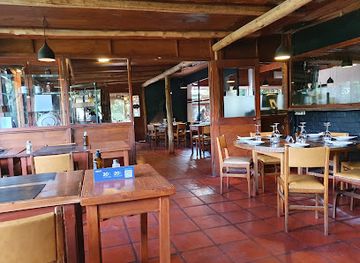
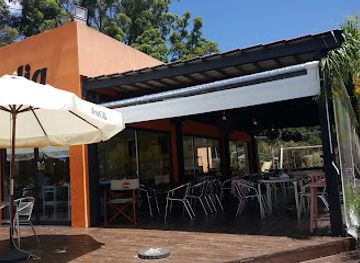
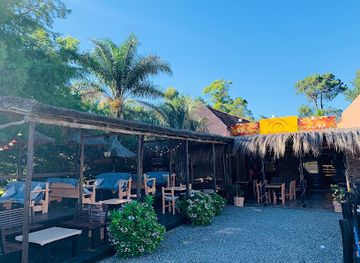
Best restaurants in Punta Ballena
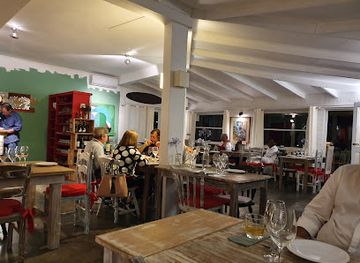
Dining in Punta Ballena and its immediate surroundings is shaped by the summer resort economy, with restaurants, cafés and hotel dining concentrated along the peninsula, in Solanas and in the wider Punta del Este area rather than in a conventional town centre. Menus commonly draw on Uruguay’s broad culinary traditions, including grilled beef, empanadas, pasta, fresh salads and seafood, while cafés and bakeries provide lighter options for beach days and gallery visits. Casapueblo has historically included visitor dining associated with its cultural complex, subject to current arrangements. Punta del Este and Maldonado offer the widest choice, from casual coastal eating to established restaurants, and are practical alternatives when seasonal businesses near the peninsula are closed or busy. Visitors staying in self-catering accommodation can find supplies in the surrounding resort settlements, though smaller local shops may have a narrower range than supermarkets in the main towns.
-
Fine Dining
Medio y Medio
Experience fine dining at its best at Medio y Medio in Punta Ballena - where exquisite cuisine meets stunning views.
-
Restaurant
Raviolandia
Discover the flavors of Italy at Raviolandia in Punta Ballena - where every dish tells a story.
-
Fast Food
Medialunas Calentitas Solanas
Experience authentic Uruguayan flavors at Medialunas Calentitas Solanas - home of the best medialunas on the coast!
-
Spanish
PK2
Discover authentic Spanish cuisine at PK2 in Punta Ballena, where flavor meets stunning coastal views for an unforgettable dining experience.
Best bars in Punta Ballena
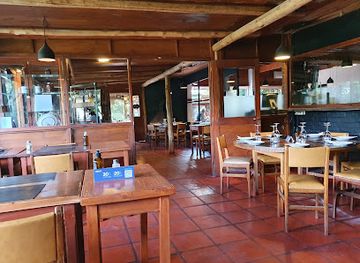
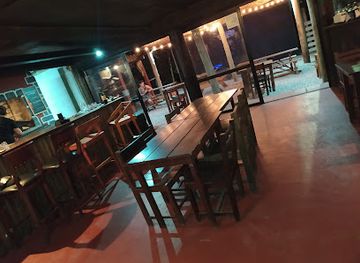
Punta Ballena is not a dedicated nightlife district, and evenings are generally quieter than in central Punta del Este. The peninsula’s atmosphere centres on sunset views, hotel and restaurant dining, and the cultural setting of Casapueblo, while nearby Solanas provides further seasonal hospitality close to the coast. For bars, clubs, live entertainment and a broader late-evening choice, visitors usually travel east to Punta del Este, especially around the port and central resort areas, or to Maldonado. Availability varies considerably between the high summer season and the quieter months, so the local evening scene is best understood as a mixture of relaxed dining, drinks with a sea view and short excursions to busier neighbouring towns rather than a concentrated club circuit.
-
Fine Dining
Medio y Medio
Experience the epitome of fine dining at Medio y Medio in Punta Ballena, where exquisite flavors and stunning views create an unforgettable culinary journey.
-
 Lodge
LodgeHostel Punta Ballena Bar
Discover the tranquil charm of Hostel Punta Ballena Bar, your perfect lodge for adventure and relaxation in the heart of Uruguay's stunning coastline.
-
Restaurant
El Viejo Boliche
Discover El Viejo Boliche in Punta Ballena, a culinary treasure offering authentic Uruguayan flavors and breathtaking views in a charming setting.
Best nightclubs in Punta Ballena
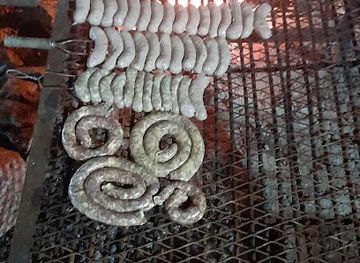
Punta Ballena is not a dedicated nightlife district, and evenings are generally quieter than in central Punta del Este. The peninsula’s atmosphere centres on sunset views, hotel and restaurant dining, and the cultural setting of Casapueblo, while nearby Solanas provides further seasonal hospitality close to the coast. For bars, clubs, live entertainment and a broader late-evening choice, visitors usually travel east to Punta del Este, especially around the port and central resort areas, or to Maldonado. Availability varies considerably between the high summer season and the quieter months, so the local evening scene is best understood as a mixture of relaxed dining, drinks with a sea view and short excursions to busier neighbouring towns rather than a concentrated club circuit.
-
Athletic club
Club social y deportivo Punta Ballena
Discover athleticism and community spirit at Club Social y Deportivo Punta Ballena, where sports meet stunning coastal views.
Best shops in Punta Ballena
Shopping in Punta Ballena is modest and mainly connected with tourism, art, food and beach life rather than a large retail district. Casapueblo’s cultural complex has traditionally offered opportunities to view or purchase artistic work and publications associated with the site, subject to current arrangements. Small shops and seasonal businesses in the surrounding resort settlements may sell beach goods, clothing, souvenirs and everyday provisions, while the wider Punta del Este area provides the greatest choice of galleries, boutiques, supermarkets and independent retailers. Regional food products, Uruguay’s leather goods, woollen textiles and locally made crafts can be found across the Maldonado resort region, although availability varies by business and season. Visitors staying in apartments or houses should obtain substantial supplies in Punta del Este, Maldonado or larger nearby shopping areas rather than relying on the limited retail offer around individual beaches.
-
Observation deck
Punta Ballena Lookout Point
Experience breathtaking ocean views and serene landscapes at Punta Ballena Lookout Point, a premier observation deck in Uruguay.
-
Supermarket
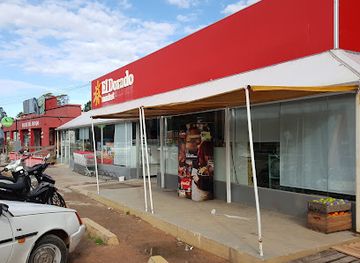
Supermercados El Dorado
Explore local flavors and everyday essentials at Supermercados El Dorado, your go-to supermarket in Punta Ballena, Uruguay.
-
Tool store
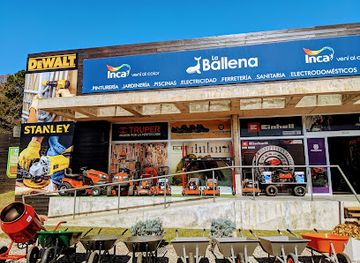
Hardware La Ballena
Discover quality tools and home improvement supplies at Hardware La Ballena, a premier tool store in Punta Ballena, Uruguay.
-
Ice Cream
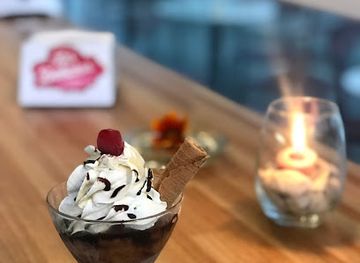
Heladeria las delicias (Solanas)
Discover the ultimate ice cream experience at Heladería Las Delicias in Punta Ballena, where rich flavors meet a charming atmosphere.
Get your free copy of our complete guide to Punta Ballena, delivered straight to you.
Everything on this page, from attractions and restaurants to essentials and local phrases, in one PDF you can read offline, print or share.
Already have an account? Sign in
Your Punta Ballena guide is ready.
We'll send it to · Not you? Sign out

Getting your guide ready…
We are putting together a fresh copy of the Punta Ballena guide. This can take up to a minute.
This can take a few moments. If your browser asks, choose Allow so the download can start. You'll find the guide in your Downloads folder.
Nothing happened? Download it again
Sorry, the guide is taking longer than usual. Please try again in a minute, or get it by email instead.
Punta Ballena essentials
Currency and Payment
Safety
Emergency Situations
Do's and Don'ts
Local Tips
From Eve
Local phrases worth knowing
You don't need to get them perfect. A few words go a long way, and locals appreciate the effort.
Basics
| English | Local | Say it |
|---|---|---|
| Hello | Hola | [oh-lah] |
| Goodbye | Adiós | [ah-dyohs] |
| Yes | Sí | [see] |
| No | No | [no] |
| Please/You're welcome | Por favor/De nada | [por fah-vor/deh nah-dah] |
| Thank you | Gracias | [grah-syahs] |
| Excuse me/Sorry | Perdón/Disculpe | [pehr-dohn/dees-kool-peh] |
| How are you? | ¿Cómo estás? | [coh-moh ehs-tahs] |
| Fine. And you? | Bien. ¿Y tú? | [byen. ee too] |
| Do you speak English? | ¿Hablas inglés? | [ah-blahs een-glehs] |
| I don't understand | No entiendo | [no ehn-tyen-doh] |
Eating & Drinking
| English | Local | Say it |
|---|---|---|
| I'd like to see the menu, please | Me gustaría ver el menú, por favor | [meh goos-tah-ree-ah vehr ehl meh-noo por fah-vor] |
| I don't eat meat | No como carne | [no koh-moh kahr-neh] |
| Cheers! | ¡Salud! | [sah-lood] |
| I would like to pay, please | Me gustaría pagar, por favor | [meh goos-tah-ree-ah pah-gar por fah-vor] |
Emergencies
| English | Local | Say it |
|---|---|---|
| Help! | ¡Ayuda! | [ah-yoo-dah] |
| Go away! | ¡Vete! | [veh-teh] |
| Call the Police! | ¡Llama a la policía! | [yah-mah ah lah poh-lee-see-ah] |
| Call a doctor! | ¡Llama a un médico! | [yah-mah ah oon meh-dee-koh] |
| I'm lost | Estoy perdido | [ehs-toy pehr-dee-doh] |
| I'm ill | Estoy enfermo | [ehs-toy ehn-fehr-moh] |
Shopping
| English | Local | Say it |
|---|---|---|
| I'd like to buy... | Me gustaría comprar... | [meh goos-tah-ree-ah kohm-prahr] |
| I'm just looking | Solo estoy mirando | [soh-loh ehs-toy meer-ahn-doh] |
| How much is it? | ¿Cuánto cuesta? | [kwan-toh kwehs-tah] |
| That's too expensive | Eso es muy caro | [eh-soh ehs mwee kah-ro] |
| Can you lower the price? | ¿Puedes bajar el precio? | [pweh-dehs bah-har ehl pree-syoh] |
Time & Numbers
| English | Local | Say it |
|---|---|---|
| What time is it? | ¿Qué hora es? | [keh oh-rah ehs] |
| It's one o'clock | Es la una | [ehs lah oo-nah] |
| Half past (10) | Media tarde (10) | [meh-dee-ah tahr-deh (diez)] |
| Morning | Mañana | [mah-nyah-nah] |
| Afternoon | Tarde | [tahr-deh] |
| Evening | Noche | [noh-cheh] |
| Yesterday | Ayer | [ah-yehr] |
| Today | Hoy | [oy] |
| Tomorrow | Mañana | [mah-nyah-nah] |
| 1 | Uno | [oo-no] |
| 2 | Dos | [dohs] |
| 3 | Tres | [trehs] |
| 4 | Cuatro | [kwah-tro] |
| 5 | Cinco | [seen-koh] |
| 6 | Seis | [sehs] |
| 7 | Siete | [syeh-teh] |
| 8 | Ocho | [oh-cho] |
| 9 | Nueve | [nweh-veh] |
| 10 | Diez | [dyehs] |
Transport & Directions
| English | Local | Say it |
|---|---|---|
| Where's a/the...? | ¿Dónde está...? | [dohn-deh ehs-tah] |
| What's the address? | ¿Cuál es la dirección? | [kwal ehs lah dee-rehk-syohn] |
| Can you show me (on the map)? | ¿Puedes mostrarme (en el mapa)? | [pweh-dehs mohs-trar-meh (ehn ehl mah-pah)] |
| When's the next (bus)? | ¿Cuándo es el próximo (autobús)? | [kwan-doh ehs ehl proh-ksee-moh (ow-toh-boos)] |
| A ticket (to ....) | Un boleto (para ....) | [oon boh-leh-toh (pah-rah)] |
History of Punta Ballena
A Coast Shaped by Sea and Stone
Punta Ballena’s physical character was formed over geological timescales by coastal erosion, marine processes and the weathering of the rocky headland. Its projecting landform, sea-facing cliffs and sheltered northern bay explain both the name Punta Ballena and the area’s later appeal as a place for viewpoints, bathing and summer homes. The peninsula belongs to the wider Atlantic coast of Maldonado, a region where beaches, low hills and rocky points have long influenced settlement patterns and transport.
Early Coastal Occupation
Before the development of modern resorts, the coast of Maldonado was used by Indigenous peoples whose presence is recorded across the wider region, although the surviving historical record does not establish Punta Ballena as a single, continuously documented settlement. Spanish colonial expansion subsequently brought the area into the orbit of Maldonado and the Río de la Plata’s maritime world. For centuries, the peninsula remained a sparsely developed coastal landscape rather than an urban centre.
The Lussich Family and the Arboretum
Punta Ballena’s modern identity began to change through the work of the Lussich family. In the early twentieth century, Antonio Lussich and his family established an arboretum on the peninsula, introducing and cultivating trees and plants in a landscape that had previously been relatively bare. The garden gradually became one of the area’s important cultural and botanical features. Its winding paths and elevated position also helped make the headland a destination for visitors seeking views across the coast.
Carlos Páez Vilaró and Casapueblo
Artist Carlos Páez Vilaró began developing Casapueblo at Punta Ballena during the 1960s, gradually expanding an artist’s residence and studio into an organically shaped white complex overlooking the sea. Rather than following conventional architectural geometry, the building grew through a series of curved forms, terraces and passages associated with his artistic practice. Casapueblo became both a private creative refuge and a public cultural attraction, anchoring Punta Ballena’s reputation as a meeting point of Uruguayan art, architecture and the Atlantic landscape.
Resort Development and Coastal Conservation
During the twentieth century, improved roads and the growth of Punta del Este transformed nearby parts of Maldonado into a major seasonal leisure region. Punta Ballena developed more quietly, with residential areas, hotels, restaurants and beach facilities distributed around the peninsula rather than concentrated in a traditional town centre. The continuing importance of the arboretum, Casapueblo and the coastal environment has encouraged a form of tourism based on landscape, culture and recreation, while visitors are expected to respect private property, established paths and the sensitivity of planted and coastal areas.
Punta Ballena in Photos
Browse through our photo collection highlighting the charm and character of the destination.
Neighbouring destination travel guides
The closest destinations to Punta Ballena, if you have time for more than one.
-

-

-

-

-


Swipe for more destinations
Explore more

Explore more of East Coast
Discover the East Coast of Uruguay: From Glamorous Resorts to Pristine Beaches and Charming Villages, Experience the Best of South America's Hidden Gems.
Explore East Coast
Explore more of Uruguay
Discover Uruguay: Rich culture, stunning beaches, and a warm, welcoming atmosphere await in this hidden gem of South America.
Explore Uruguay