

Bear Lake Travel Guide - Free Web & App
Your ultimate guide to Bear Lake. Discover top landmarks, proposed trips, and local tips. Free on the web or via the Evendo companion app.


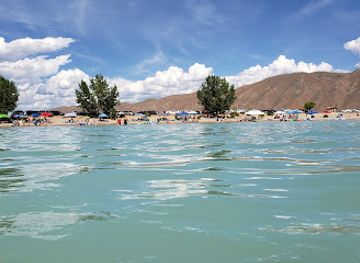
Bear Lake, Utah, USA, pairs turquoise water, sandy beaches, mountain scenery and Garden City’s raspberry traditions with year-round outdoor recreation.
A High-Mountain Lake
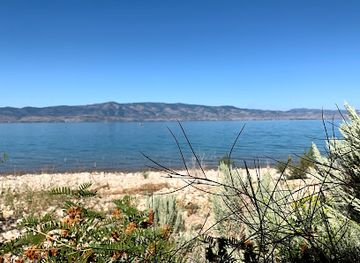
Bear Lake lies on the Utah–Idaho border, a broad natural lake framed by the Bear River Range and reached from Utah through the small communities of Garden City and Laketown. Its intensely blue-green water, created by the interaction of limestone sediments and light, has given it the nickname the “Caribbean of the Rockies”, although the setting is distinctly inland and mountainous. Utah’s portion of the shoreline forms the core of the Bear Lake visitor area, while the northern and eastern shores extend into Idaho.Read more about Bear Lake
Beaches, Water and Open Landscapes
Garden City and Seasonal Character
When is the best time to visit Bear Lake?
Best: June–August · 24–28°C| Month | High (°C) | Rainfall (mm) |
|---|---|---|
| January | 0 | 25 |
| February | 1 | 20 |
| March | 7 | 25 |
| April | 13 | 30 |
| May | 18 | 35 |
| June (best) | 24 | 20 |
| July (best) | 28 | 15 |
| August (best) | 27 | 15 |
| September | 22 | 20 |
| October | 16 | 25 |
| November | 8 | 30 |
| December | 1 | 25 |
Getting to and around Bear Lake
How to get there
Transportation
Best attractions in Bear Lake
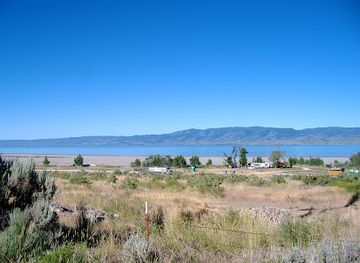
Bear Lake’s main attractions are its changing shoreline landscapes and the recreation areas managed within Bear Lake State Park. On the Utah side, North Beach is known for broad sand and shallow-looking shoreline areas, while Rendezvous Beach occupies the southern end of the lake and provides another base for beach recreation and camping. Garden City offers access to the western shore, boat services and the local raspberry-growing tradition, with seasonal events adding a cultural dimension to the landscape. Roads around the lake lead to open views of the water and the Bear River Range, while Logan Canyon and Bear Lake Summit form the dramatic western approach, although they are outside the lake itself. Visitors can fish, hike, cycle, picnic, observe birds and use permitted boats or paddle craft, subject to conditions and regulations. The Idaho shore, including communities such as St Charles and Fish Haven, gives the lake a broader cross-border character and different perspectives across the water.
-
State park
Bear Lake State Park
Explore Bear Lake State Park: A stunning natural retreat in Utah known for its breathtaking turquoise waters and diverse recreational activities.
-
State park
Bear Lake State Park - North Beach
Explore Bear Lake State Park - North Beach, a stunning Idaho destination with beautiful waters, sandy beaches, and endless outdoor activities for all ages.
-
Ski resort
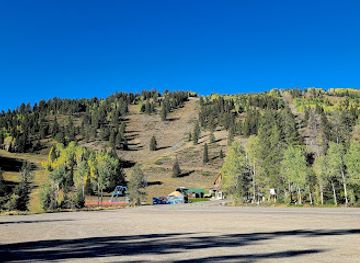
Beaver Mountain Ski Area
Discover the thrilling slopes and serene surroundings of Beaver Mountain Ski Area, a perfect destination for family-friendly winter sports and summer hikes.
-
Tourist attraction
Minnetonka Cave
Explore the stunning geological formations and serene beauty of Minnetonka Cave, a must-see tourist attraction in Idaho's breathtaking wilderness.
Best landmarks in Bear Lake
The defining natural landmark is Bear Lake itself, whose blue-green water fills a broad basin between the Bear River Range and the surrounding high valleys. Bear Lake Summit marks the elevated western approach from Logan and provides a geographical transition between Logan Canyon and the open lake country, although the summit is outside the shoreline destination. The lake’s sandy beaches, including North Beach and Rendezvous Beach, are important recreational landmarks as well as physical expressions of its changing waterline. Garden City is the principal cultural landmark of the Utah shore, representing the community life, farms and seasonal raspberry tradition that developed beside the water. Across the state line, the Idaho shoreline adds communities and public recreation areas that reveal the lake’s shared regional identity. Together, these features make Bear Lake a landscape defined more by water, geology, rural settlement and public access than by historic architecture.
-
Resort hotel
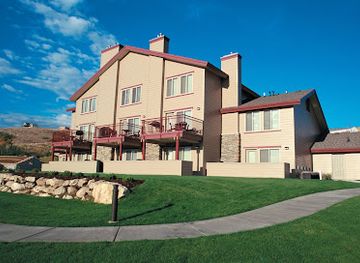
WorldMark Bear Lake
Discover the natural beauty and adventure at WorldMark Bear Lake, a premier resort hotel in Garden City, Utah, perfect for your next getaway.
-
Hiking area
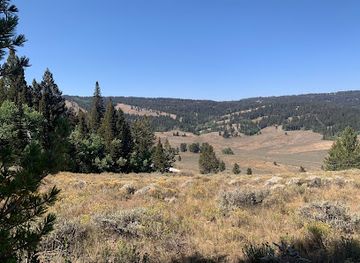
Limber Pine Nature Trail
Explore the breathtaking Limber Pine Nature Trail, a hidden gem in Utah offering stunning views, diverse wildlife, and serene hiking experiences.
-
Go-kart track
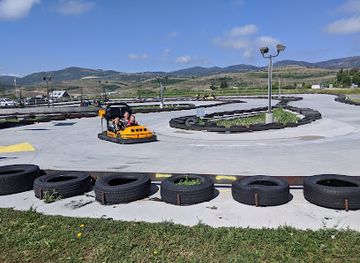
Bear Lake Renegade Raceway Go-Karts
Discover thrilling go-kart racing at Bear Lake Renegade Raceway, surrounded by breathtaking views and endless family fun.
Explore Bear Lake on the map
Plan your trip on one map. See where the top attractions, landmarks, restaurants and hotels are, and book hotels and experiences in a few clicks.
Best hotels in Bear Lake
Best restaurants in Bear Lake
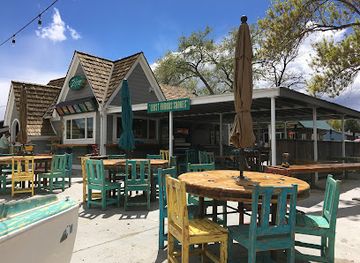
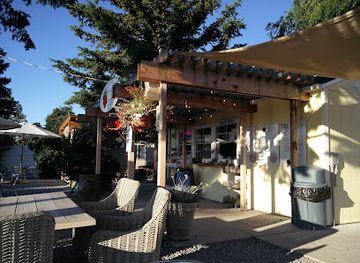
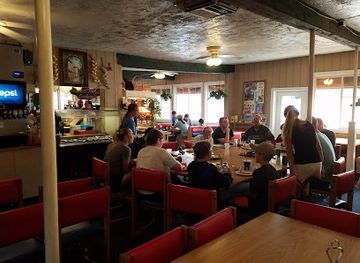
Dining around Bear Lake is concentrated in Garden City, Laketown and the smaller communities along the Utah and Idaho shores rather than distributed through a conventional resort centre. Visitors will find the greatest choice in Garden City, where casual restaurants, cafés, seasonal food stands and places serving visitors cluster near the main road and recreation areas. Local food culture is strongly associated with Bear Lake raspberries, which appear in shakes, desserts, jams and other seasonal products when available, while American comfort food, burgers, pizza and family dining suit the area’s outdoor recreation economy. Picnic supplies are useful for beaches and remote shorelines, and some accommodation provides kitchen facilities for self-catering. Dining hours and seasonal availability can vary considerably, so travellers staying outside Garden City should plan provisions before setting out around the lake.
-
Fast Food
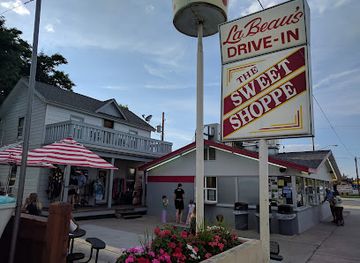
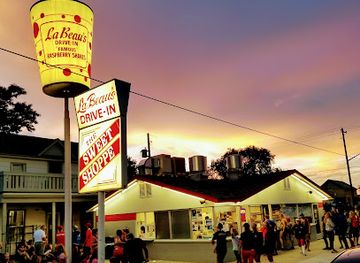
LaBeau's
Experience the taste of LaBeau's in Garden City: Famous for French fries and delicious ice cream amidst stunning Bear Lake views.
-
Restaurant
Zipz Bear Lake
Experience delicious dining at Zipz Bear Lake in Garden City - where local flavors meet stunning views!
-
Cafe
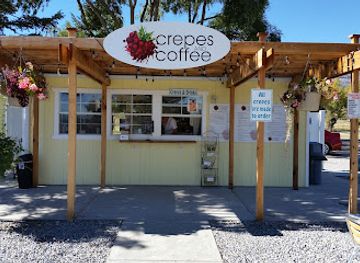
Crepes and Coffee
Discover the perfect blend of sweet and savory at Crepes and Coffee in Garden City – your go-to spot for delicious crepes and aromatic brews.
-
Pizza
Bear Lake Pizza Co
Experience delicious Italian flavors at Bear Lake Pizza Co, where mouthwatering pizzas meet stunning Bear Lake views in Garden City.
Best bars in Bear Lake
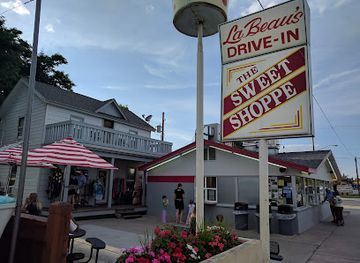
Bear Lake is a quiet, seasonal recreation area rather than a nightlife destination, and there is no concentrated club district. Evening entertainment is generally found in the restaurants, casual bars and accommodation areas of Garden City and nearby settlements, where the atmosphere is oriented towards conversation, families and visitors returning from the lake. Some venues may offer drinks or occasional music, but schedules and opening patterns can change with the season. Outside the main communities, nights are shaped by campfires where permitted, dark mountain skies and the sound of the shoreline rather than organised entertainment. Visitors seeking a broader urban nightlife scene would need to travel beyond the lake to a larger city such as Logan, while those staying locally should arrange transport responsibly and avoid driving after drinking.
-
Fast Food
LaBeau's
Experience the unique tastes of LaBeau's in Garden City, Utah, where fast food meets French culinary delight and ice cream dreams come true.
-
State park
Bear Lake State Park - North Beach
Explore the stunning beauty and recreational delights of Bear Lake State Park - North Beach, a picturesque getaway in Idaho's natural landscape.
-
American
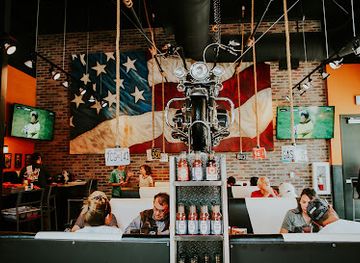
Cody's Gastro Garage
Experience the best of American cuisine at Cody's Gastro Garage, a lively gastropub in Garden City, Utah, known for its gourmet burgers and local charm.
-
Family-friendly
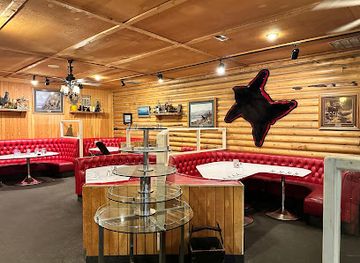
Bear Trapper Restaurant
Discover the charm of Bear Trapper Restaurant in Garden City, where families enjoy delicious local dishes in a warm, welcoming atmosphere.
Best nightclubs in Bear Lake
Bear Lake is a quiet, seasonal recreation area rather than a nightlife destination, and there is no concentrated club district. Evening entertainment is generally found in the restaurants, casual bars and accommodation areas of Garden City and nearby settlements, where the atmosphere is oriented towards conversation, families and visitors returning from the lake. Some venues may offer drinks or occasional music, but schedules and opening patterns can change with the season. Outside the main communities, nights are shaped by campfires where permitted, dark mountain skies and the sound of the shoreline rather than organised entertainment. Visitors seeking a broader urban nightlife scene would need to travel beyond the lake to a larger city such as Logan, while those staying locally should arrange transport responsibly and avoid driving after drinking.
-
Night club
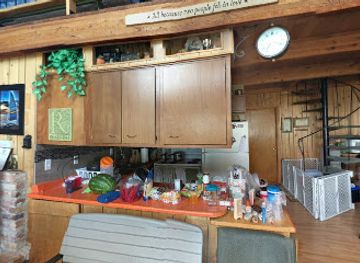
Robbins' Nest, Bear Lake, UT
Experience the vibrant nightlife of Bear Lake at Robbins' Nest, a celebrated spot for dancing and socializing amidst stunning natural beauty.
Best shops in Bear Lake
Shopping at Bear Lake is practical and seasonal, with the greatest concentration in Garden City and other small shoreline communities. Visitors can look for groceries, boating and outdoor supplies, souvenirs, locally produced raspberry goods and casual gifts connected with the lake. Raspberry shakes, jams, syrups and fresh or preserved fruit are especially associated with the Utah shore when seasonal businesses and harvest supplies are operating, while local events may bring additional food and craft stalls. Small shops and seasonal vendors can have limited stock or changing hours, so a larger shopping trip is best completed before travelling to remote beaches or campgrounds. The area is not a major craft or fashion retail centre; its shopping character comes from regional food, recreation equipment and modest visitor services rather than extensive commercial districts.
-
Fast Food
LaBeau's
Experience the blend of fast food and French cuisine at LaBeau's, the quintessential stop for delicious meals and homemade ice cream in Garden City.
-
Cafe
Crepes and Coffee
Discover the delightful flavors of Crepes and Coffee in Garden City, where sweet and savory crepes meet aromatic brews in a cozy setting.
-
Grocery store
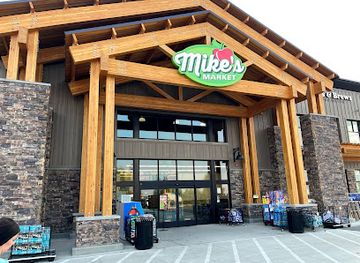
Mikes Market
Experience the best of local shopping at Mikes Market in Garden City, Utah, where fresh produce and friendly service await every visitor.
-
Brunch
Ruca's
Experience delightful brunch at Ruca's in Garden City, a cozy café offering fresh ingredients and a warm atmosphere near beautiful Bear Lake.
Get your free copy of our complete guide to Bear Lake, delivered straight to you.
Everything on this page, from attractions and restaurants to essentials and local phrases, in one PDF you can read offline, print or share.
Already have an account? Sign in
Your Bear Lake guide is ready.
We'll send it to · Not you? Sign out

Getting your guide ready…
We are putting together a fresh copy of the Bear Lake guide. This can take up to a minute.
This can take a few moments. If your browser asks, choose Allow so the download can start. You'll find the guide in your Downloads folder.
Nothing happened? Download it again
Sorry, the guide is taking longer than usual. Please try again in a minute, or get it by email instead.
Bear Lake essentials
Currency and Payment
Safety
Emergency Situations
Do's and Don'ts
Local Tips
From Eve
Local phrases worth knowing
You don't need to get them perfect. A few words go a long way, and locals appreciate the effort.
Basics
| English | Local | Say it |
|---|---|---|
| Hello | Howdy | [haw-dee] |
| Goodbye | See ya | [see yuh] |
| Yes | Yup | [yuhp] |
| No | Nah | [nuh] |
| Please/You're welcome | Please n' thank ya | [pleez n' thangk yuh] |
| Thank you | Much obliged | [muhch uh-blahyjd] |
| Excuse me/Sorry | Pardon me | [pahr-dn mee] |
| How are you? | Howdy do | [haw-dee doo] |
| Fine. And you? | Just dandy. You? | [juhst dan-dee. yoo?] |
| Do you speak English? | Ya speak English? | [yuh speak ing-glish?] |
| I don't understand | I reckon I'm lost | [ahy rek-uhn ahm lost] |
Eating & Drinking
| English | Local | Say it |
|---|---|---|
| I'd like to see the menu, please | Can I take a gander at the bill o' fare, please | [kan ahy teyk uh gan-der at thuh bil uh fair, pleez] |
| I don't eat meat | I ain't no carnivore | [ahy aint noh kahr-nuh-vawr] |
| Cheers! | Bottoms up! | [bot-uhmz uhp] |
| I would like to pay, please | I reckon it's time to settle the tab | [ahy rek-uhn its tahym to set-l thuh tab] |
Emergencies
| English | Local | Say it |
|---|---|---|
| Help! | SOS! | [S-O-S] |
| Go away! | Git! | [git] |
| Call the Police! | Ring up the Sheriff! | [ring uhp thuh sher-if] |
| Call a doctor! | Holler for the Doc! | [hah-ler for thuh dahk] |
| I'm lost | I'm discombobulated | [ahym dis-kuhm-boh-byuh-leyt-uhd] |
| I'm ill | I ain't feelin' right | [ahy aint feel-in rahyt] |
Shopping
| English | Local | Say it |
|---|---|---|
| I'd like to buy... | I reckon I'll take... | [ahy rek-uhn ayl teyk...] |
| I'm just looking | Just browsin' | [juhst brow-zin] |
| How much is it? | What's the damage? | [wuts thuh dam-ij?] |
| That's too expensive | That's a bit steep | [thats uh bit steep] |
| Can you lower the price? | Can ya do me a solid on the price? | [kan yuh doh mee uh sahl-uhd on thuh prahys?] |
Time & Numbers
| English | Local | Say it |
|---|---|---|
| What time is it? | What's the hour? | [wuts thuh ow-er?] |
| It's one o'clock | It's high noon | [its hahy noon] |
| Half past (10) | Ten-thirty | [ten-thur-tee] |
| Morning | Mornin' | [morn-in] |
| Afternoon | Afternoon | [after-noon] |
| Evening | Evenin' | [ee-vnin] |
| Yesterday | Yest'day | [yest-day] |
| Today | Today | [toh-day] |
| Tomorrow | Morrow | [mor-oh] |
| 1 | One | [wuhn] |
| 2 | Two | [too] |
| 3 | Three | [three] |
| 4 | Four | [for] |
| 5 | Five | [fahyv] |
| 6 | Six | [siks] |
| 7 | Seven | [sev-uhn] |
| 8 | Eight | [eyt] |
| 9 | Nine | [nahyn] |
| 10 | Ten | [ten] |
Transport & Directions
| English | Local | Say it |
|---|---|---|
| Where's a/the...? | Where's the... | [wheres thuh] |
| What's the address? | What's the location? | [wuts thuh loh-key-shuhn?] |
| Can you show me (on the map)? | Can ya point it out (on the map)? | [kan yuh point it out (on thuh map)?] |
| When's the next (bus)? | When's the next stagecoach? | [whens thuh nekst stayj-kohch?] |
| A ticket (to ....) | A pass (to ....) | [a pass (to ....)] |
History of Bear Lake
Geological Origins of the Basin
Bear Lake occupies a fault-formed basin in the Bear River Range, a geological setting that shaped the lake’s elongated outline and mountain-framed shoreline. Its unusual blue-green colour is associated with suspended limestone particles that scatter light through the water. The lake sits at roughly 5,900 feet above sea level, giving the surrounding landscape a high-elevation character despite its relatively accessible roads and beaches. Geological processes, changing water levels and the configuration of the Bear River watershed have all influenced the shoreline used by people today.
Indigenous Homelands and Early Settlement
The Bear Lake region has long formed part of the homeland and travel landscape of Indigenous peoples, including Shoshone communities whose historical connections extend across northern Utah and southern Idaho. In the nineteenth century, Euro-American explorers, trappers and settlers entered the wider Bear River country, followed by Mormon colonisation and agricultural settlement in nearby valleys. Garden City, Laketown and other communities developed in relation to farming, ranching, transport routes and the resources of the lake basin rather than as a single concentrated lakeside town.
Farming, Recreation and Local Produce
Agriculture became a defining part of the surrounding economy, with orchards and small farms contributing to the region’s identity. Bear Lake raspberries are particularly associated with the Utah side and remain central to local seasonal food culture and the Raspberry Days celebration in Garden City. Recreation grew alongside these established communities as roads improved and visitors began coming for beaches, fishing, boating and mountain scenery. The result is a landscape where working rural settlements and a summer leisure economy coexist around a largely open shoreline.
State Park Stewardship and Modern Tourism
Bear Lake State Park was established to manage and provide public access to important sections of the Utah shoreline, including beaches, boat-launch areas and camping facilities. Its development reflects the wider transformation of Bear Lake from a locally used natural resource into a major recreation destination shared by Utah and Idaho. Contemporary management must balance boating, shoreline access, camping, wildlife habitat, water quality and the pressures of seasonal visitation. The lake’s identity therefore rests not only on its colour and scenery but also on continuing cooperation between public agencies, communities and visitors.
Bear Lake in Photos
Browse through our photo collection highlighting the charm and character of the destination.
Neighbouring destination travel guides
The closest destinations to Bear Lake, if you have time for more than one.
-

-

-

-
-


Swipe for more destinations
Explore more

Explore more of Bear River Valley
Explore Utah’s Bear River Valley for Logan’s heritage, mountain scenery, productive farmland and internationally important migratory bird wetlands.
Explore Bear River Valley
Explore more of Utah
Explore Utah's stunning national parks, rich cultural heritage, and year-round outdoor adventures. Discover why this diverse state is a top destination for travelers.
Explore Utah