

Free Park City Travel Guide & Mobile App
Plan your Park City trip with Evendo. Get free guides to top attractions, restaurants, hotels, and bars. Web access or download the mobile app.


Park City, Utah combines Olympic heritage, historic Main Street, world-class skiing, independent films, mountain trails, galleries and lively dining year-round.
A Historic Mountain Town
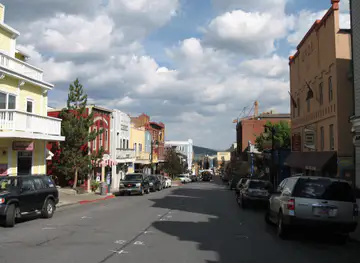
Park City rises in the Wasatch Mountains of northern Utah, its steep valleys and high ridgelines giving the town a strong sense of place in every season. The centrepiece is Main Street, a lively historic thoroughfare lined with colourful former mining buildings, independent shops, galleries, restaurants and bars. Behind the preserved façades, narrow side streets climb towards residential slopes and wooded trails, revealing how the settlement has grown from a silver-mining camp into an internationally known mountain resort.Read more about Park City
From Silver to Snow
Culture, Landscape and Outdoor Life
When is the best time to visit Park City?
Best: June–August · 20–24°C| Month | High (°C) | Rainfall (mm) |
|---|---|---|
| January | 0 | 61 |
| February | 2 | 56 |
| March | 6 | 53 |
| April | 10 | 48 |
| May | 16 | 40 |
| June (best) | 20 | 28 |
| July (best) | 24 | 28 |
| August (best) | 24 | 30 |
| September | 19 | 36 |
| October | 12 | 43 |
| November | 5 | 53 |
| December | 1 | 59 |
Getting to and around Park City
How to get there
Transportation
Best attractions in Park City
Park City’s attractions combine a preserved mining town with a large mountain recreation landscape. Main Street is the natural starting point, with historic façades, galleries, public art and steep side streets leading into Old Town. The Park City Museum occupies the former City Hall and explores mining, community life and the town’s transformation into a resort. Utah Olympic Park, north of the centre, offers insight into the 2002 Winter Olympics through sporting facilities, exhibits and mountain views. During winter, Park City Mountain and Deer Valley Resort provide extensive skiing and snowboarding terrain, while warmer months bring hiking and mountain-biking trails across the slopes. The Kimball Art Center presents exhibitions and community programmes, and the Egyptian Theatre is an important venue for film, performance and festival events. Nearby trails, reservoirs and scenic mountain roads broaden the sightseeing beyond the historic core.
-
Tourist attraction
Park City Mountain
Experience the thrill of skiing and the charm of Park City Mountain, a premier winter getaway in Utah offering adventure, relaxation, and breathtaking views.
13 min drive · 4.4 km from city centre
-
Tourist attraction
Park City Mountain
Experience the ultimate alpine adventure at Park City Mountain, Utah's premier ski destination with breathtaking views and year-round outdoor fun.
13 min drive · 4.4 km from city centre
-
 Tourist attraction
Canyons Village at Park City
Discover Canyons Village at Park City, a stunning year-round destination for adventure, breathtaking views, and vibrant alpine culture.
20 min drive · 6.6 km from city centre
-
Tourist attraction
Deer Valley Resort
Explore the ultimate winter getaway at Deer Valley Resort, where luxury meets adventure in the heart of Utah's stunning mountains.
8 min drive · 2.8 km from city centre


Best landmarks in Park City
Park City’s most significant landmarks preserve the story of a silver-mining settlement that became a mountain resort. Main Street forms the core of the Park City Main Street Historic District, with closely spaced commercial buildings, false-front façades and brick or timber structures reflecting late-nineteenth-century western mining architecture. The Park City Museum, housed in the former City Hall, is itself a historic civic landmark and contains the old City Hall jail beneath the building. McPolin Farm, with its distinctive white barn on the edge of town, represents the agricultural side of Park City’s early development. The Egyptian Theatre, built in 1926, reflects the theatrical fashion of its era and remains a cultural venue. Utah Olympic Park adds a modern sporting landmark through its ski-jump towers and sliding-track facilities, linking the town’s historic landscape to the 2002 Winter Games.
-
Ski resort
Park City Mountain
Experience the thrill of skiing at Park City Mountain, Utah's premier ski resort with breathtaking views and endless winter activities.
13 min drive · 4.4 km from city centre
-
History museum
Park City Museum
Explore the captivating history of Park City at the Park City Museum, where exhibits reveal the town's mining past and ski culture.
3 min walk · 0.2 km from city centre
-
Park
City Park
Discover the beauty and tranquility of City Park in Park City, a perfect destination for relaxation, recreation, and enjoying nature's wonders.
13 min walk · 1.0 km from city centre
-
Mountain cable car
Park City Mountain Cabriolet Ski Lift Base
Explore the stunning vistas and thrilling slopes at Park City Mountain Cabriolet Ski Lift, a gateway to adventure in Utah's breathtaking mountains.
19 min drive · 6.2 km from city centre


Explore Park City on the map
Plan your Park City trip on one map. See where the top attractions, landmarks, restaurants, bars and hotels are, find what's near where you're staying, and book hotels and experiences in a few clicks.
Neighbourhoods in Park City
-

-
-


Swipe for more neighbourhoods
Best hotels in Park City
Best restaurants in Park City
Park City’s dining scene reflects both its mining-town past and its role as a major mountain resort. Main Street and adjacent Old Town contain a broad mix of restaurants, cafés, bakeries and bars in historic buildings, while resort villages offer dining shaped around skiing and après-ski hours. Menus commonly draw on Western and American traditions, with steaks, burgers, trout, seasonal produce and hearty soups appearing alongside contemporary cooking and international influences. Utah staples such as fry sauce and Dutch-oven cooking belong more to the state’s wider food culture than to a narrowly defined Park City cuisine, but local restaurants often interpret regional ingredients in polished ways. Coffee shops and casual breakfast places are useful for early outdoor starts, while farmers’ markets and seasonal food events provide a closer connection to local producers when operating. Reservations can be important during winter weekends and festival periods.
-
Grill
No Name Saloon
Discover the vibrant atmosphere and delicious grill cuisine at No Name Saloon in Park City - a must-visit dining destination.
4 min walk · 0.3 km from city centre
-
Restaurant
Park City Roadhouse Grill
Experience delightful American cuisine at Park City Roadhouse Grill—your go-to spot for breakfast, brunch, and lunch in scenic Park City.
6 min drive · 2.0 km from city centre
-
Grill
Boneyard Saloon
Experience the best of American grilling at Boneyard Saloon in Park City—where flavor meets fun in a vibrant atmosphere.
5 min drive · 1.7 km from city centre
-
Mexican
El Chubasco
Experience authentic Mexican cuisine at El Chubasco in Park City – where every meal is a celebration of flavor.
5 min drive · 1.7 km from city centre


Best bars in Park City
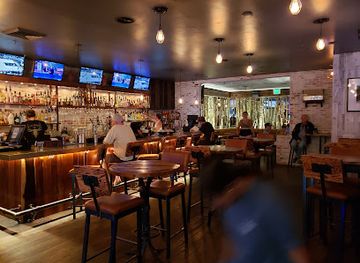
Park City’s evening scene is concentrated around Main Street, where former mining buildings house pubs, cocktail lounges, wine bars and live-music venues. The atmosphere ranges from relaxed après-ski gatherings to late evenings shaped by film events, concerts and seasonal crowds, although the town is not primarily a nightclub destination. The Egyptian Theatre and other performance spaces add cinema, comedy, music and spoken events to the after-dark choices, particularly during the Sundance Film Festival. Resort villages have their own bars and lounges, while quieter neighbourhoods become subdued once restaurants close. Visitors should remember that Utah’s alcohol regulations differ from those in many parts of the United States, and service practices can vary by venue. Winter weekends and festival dates bring the greatest concentration of evening activity, while summer nightlife is generally more dispersed and closely tied to outdoor events.
-
Grill
No Name Saloon
Discover the heart of Park City at No Name Saloon, where vibrant atmosphere meets delicious comfort food and craft drinks in a unique setting.
4 min walk · 0.3 km from city centre
-
Grill
Boneyard Saloon
Discover the vibrant flavors of Boneyard Saloon, Park City's premier bar and grill, where delicious meals meet a lively atmosphere.
5 min drive · 1.7 km from city centre
-
Grill
The Spur Bar & Grill
Discover the perfect blend of mouthwatering grill favorites and a vibrant atmosphere at The Spur Bar & Grill in Park City, Utah.
5 min walk · 0.4 km from city centre
-
Bar
High West Saloon
Discover the charm of High West Saloon, a premier brewery and gastropub in Park City, Utah, renowned for its craft brews and inviting atmosphere.
1 min walk · 0.1 km from city centre


Best nightclubs in Park City
Park City’s evening scene is concentrated around Main Street, where former mining buildings house pubs, cocktail lounges, wine bars and live-music venues. The atmosphere ranges from relaxed après-ski gatherings to late evenings shaped by film events, concerts and seasonal crowds, although the town is not primarily a nightclub destination. The Egyptian Theatre and other performance spaces add cinema, comedy, music and spoken events to the after-dark choices, particularly during the Sundance Film Festival. Resort villages have their own bars and lounges, while quieter neighbourhoods become subdued once restaurants close. Visitors should remember that Utah’s alcohol regulations differ from those in many parts of the United States, and service practices can vary by venue. Winter weekends and festival dates bring the greatest concentration of evening activity, while summer nightlife is generally more dispersed and closely tied to outdoor events.
-
Grill
No Name Saloon
Experience the vibrant spirit of Park City at No Name Saloon, where delicious food and great drinks meet a lively atmosphere.
4 min walk · 0.3 km from city centre
-
Grill
Boneyard Saloon
Discover a vibrant grill experience at Boneyard Saloon, where delicious flavors meet a lively atmosphere in Park City, Utah.
5 min drive · 1.7 km from city centre
-
Grill
The Spur Bar & Grill
Savor the best of American cuisine in Park City at The Spur Bar & Grill, where flavor meets a vibrant atmosphere.
5 min walk · 0.4 km from city centre
-
Night club
The Cabin
Experience the vibrant nightlife at The Cabin, Park City's ultimate destination for live music, great drinks, and unforgettable memories.
4 min walk · 0.3 km from city centre


Best shops in Park City
Shopping in Park City is concentrated along Main Street and in the resort villages, where historic shopfronts accommodate independent boutiques, galleries, jewellers, outdoor-equipment retailers and specialist food businesses. The character is more locally curated than dominated by large shopping centres, with artwork, Western-inspired clothing, handmade jewellery, ski gear and mountain-lifestyle goods among the common finds. Galleries provide an opportunity to browse painting, photography, sculpture and craft connected to Utah and the wider American West, while outdoor shops stock equipment and clothing suited to the surrounding terrain. Park City-branded souvenirs and mining-themed items are widely available, although the most meaningful reminders of the town’s past are often found in museum shops and locally made work rather than generic merchandise. Seasonal markets and community events can add local food products and crafts to the permanent retail scene.
-
Ski resort
Park City Mountain
Experience the excitement of skiing at Park City Mountain, a premier ski resort in Utah, offering breathtaking views and endless winter adventures.
13 min drive · 4.4 km from city centre
-
Souvenir store
Park City Souvenir Co
Explore Park City Souvenir Co for unique gifts and local treasures that capture the spirit of Utah's mountain town.
2 min walk · 0.1 km from city centre
-
Book store
Dolly's Bookstore
Explore the enchanting world of literature at Dolly's Bookstore, Park City’s beloved bookshop offering a unique selection and cozy reading spaces.
3 min walk · 0.2 km from city centre
-
Clothing store
Sitka Fur Gallery
Discover the elegance of high-quality fur and leather at Sitka Fur Gallery in Park City, where craftsmanship meets luxury shopping.
2 min walk · 0.2 km from city centre


Get your free copy of our complete guide to Park City, delivered straight to you.
Everything on this page, from attractions and restaurants to essentials and local phrases, in one PDF you can read offline, print or share.
Already have an account? Sign in
Your Park City guide is ready.
We'll send it to · Not you? Sign out

Getting your guide ready…
We are putting together a fresh copy of the Park City guide. This can take up to a minute.
This can take a few moments. If your browser asks, choose Allow so the download can start. You'll find the guide in your Downloads folder.
Nothing happened? Download it again
Sorry, the guide is taking longer than usual. Please try again in a minute, or get it by email instead.
Park City essentials
Currency and Payment
Safety
Emergency Situations
Do's and Don'ts
Local Tips
From Eve
Local phrases worth knowing
You don't need to get them perfect. A few words go a long way, and locals appreciate the effort.
Basics
| English | Local | Say it |
|---|---|---|
| Hello | Howdy | [haʊ-di] |
| Goodbye | See ya | [siː jɑː] |
| Yes | Yup | [jʌp] |
| No | Nope | [noʊp] |
| Please/You're welcome | Please/No worries | [pliːz/nəʊ ˈwʌriz] |
| Thank you | Thanks | [θæŋks] |
| Excuse me/Sorry | Pardon me/My bad | [ˈpɑːrdn miː/maɪ bæd] |
| How are you? | Howdy do? | [haʊ-di duː] |
| Fine. And you? | Dandy. How 'bout you? | [ˈdændi haʊ 'baʊt juː] |
| Do you speak English? | Ya speak English? | [jə spiːk ˈɪŋɡlɪʃ] |
| I don't understand | I'm lost | [aɪm lɔst] |
Eating & Drinking
| English | Local | Say it |
|---|---|---|
| I'd like to see the menu, please | Can I take a gander at the menu, please | [kæn aɪ teɪk ə ˈɡændər æt ðə ˈmɛnjuː pliːz] |
| I don't eat meat | I ain't no carnivore | [aɪ eɪnt noʊ ˈkɑːrnɪvɔr] |
| Cheers! | Bottoms up! | [ˈbɑtəmz ʌp] |
| I would like to pay, please | I'm ready to settle up, thanks | [aɪm ˈrɛdi tuː ˈsɛtl ʌp θæŋks] |
Emergencies
| English | Local | Say it |
|---|---|---|
| Help! | S.O.S! | [ɛs oʊ ɛs] |
| Go away! | Beat it! | [biːt ɪt] |
| Call the Police! | Get the cops! | [ɡɛt ðə kɑps] |
| Call a doctor! | Fetch a doc! | [fɛtʃ ə dɑk] |
| I'm lost | I'm turned around | [aɪm tɜrnd əˈraʊnd] |
| I'm ill | I'm under the weather | [aɪm ˈʌndər ðə ˈwɛðər] |
Shopping
| English | Local | Say it |
|---|---|---|
| I'd like to buy... | I'm fixin' to purchase... | [aɪm ˈfɪksɪn tuː ˈpɜːrtʃəs] |
| I'm just looking | I'm just browsing around | [aɪm ˈdʒʌst ˈbraʊzɪŋ əˈraʊnd] |
| How much is it? | What's the damage? | [wɑːts ðə ˈdæmɪdʒ] |
| That's too expensive | That's a bit steep | [ðæts ə bɪt stiːp] |
| Can you lower the price? | Ya reckon ya could knock a few bucks off? | [jə ˈrɛkən jə kʊd nɑːk ə fjuː bʌks ɔf] |
Time & Numbers
| English | Local | Say it |
|---|---|---|
| What time is it? | What's the hour? | [wɑːts ðə ˈaʊər] |
| It's one o'clock | It's one on the dot | [ɪts wʌn ɒn ðə dɑt] |
| Half past (10) | Halfway to (10) | [ˈhæfˌweɪ tuː ˈtɛn] |
| Morning | Mornin' | [ˈmɔrnɪn] |
| Afternoon | Arvo | [ɑrˈvoʊ] |
| Evening | Nightfall | [ˈnaɪtfɔːl] |
| Yesterday | Yest'day | [ˈjɛstdeɪ] |
| Today | Today | [təˈdeɪ] |
| Tomorrow | Morrow | [ˈmɔroʊ] |
| 1 | One | [wʌn] |
| 2 | Two | [tuː] |
| 3 | Three | [θriː] |
| 4 | Four | [fɔːr] |
| 5 | Five | [faɪv] |
| 6 | Six | [sɪks] |
| 7 | Seven | [ˈsɛvən] |
| 8 | Eight | [eɪt] |
| 9 | Nine | [naɪn] |
| 10 | Ten | [tɛn] |
Transport & Directions
| English | Local | Say it |
|---|---|---|
| Where's a/the...? | Where's the... | [wɛərz ðə] |
| What's the address? | Where's it at? | [wɛərz ɪt æt] |
| Can you show me (on the map)? | Can you point it out (on the map)? | [kæn jə pɔɪnt ɪt aʊt ɒn ðə mæp] |
| When's the next (bus)? | When's the next (bus) rollin' through? | [wɛnz ðə nɛkst rəʊlɪn θruː] |
| A ticket (to ....) | A pass (to ....) | [ə pæs tuː] |
History of Park City
Ute Homelands and Early Settlement
The valleys and mountains around present-day Park City lie within the broader homeland of the Ute people, whose communities travelled through and used the Wasatch region long before permanent Euro-American settlement. The town’s modern history began in the nineteenth century, after Mormon settlers established communities in northern Utah and prospectors began examining the surrounding mountains. Park City was founded in 1868, when soldiers and prospectors associated with the nearby Camp Douglas area recognised the potential of silver-bearing ore. The settlement developed in a narrow mountain valley, where steep terrain, heavy snow and limited agricultural land made mining rather than farming the basis of the local economy.
The Silver-Mining Boom
Silver mining transformed Park City during the late nineteenth century. Mines including the Ontario produced substantial amounts of ore, attracting investors, labourers, merchants and immigrants from several parts of Europe and North America. The town expanded with hotels, boarding houses, shops, churches and company buildings, many of which were constructed in the narrow blocks now associated with Historic Park City. Rail connections improved the movement of ore and supplies, while fires and rebuilding periodically altered the streetscape. Mining also created a socially diverse community, although work underground was dangerous and economic success was uneven. The surviving buildings along Main Street preserve the scale and commercial character of this period.
Decline and Economic Uncertainty
Park City’s mining economy weakened during the twentieth century as ore production declined and market conditions changed. The town faced population loss and the possibility that many buildings would disappear through neglect or redevelopment. The remaining mining infrastructure, including shafts, tailings and scattered historic structures, became evidence of a former industrial landscape rather than the foundation of prosperity. This period of uncertainty was important in shaping later preservation efforts. Rather than replacing the old commercial core wholesale, the community increasingly recognised that its Victorian-era buildings and mountain setting could support a different economy.
The Arrival of Skiing
Skiing offered Park City a new direction in the 1960s, when Treasure Mountain Resort opened in 1963 with support from local and federal interests involved in regional economic development. The resort used former mining land and infrastructure, linking the town’s industrial past with a new winter recreation economy. Skiing brought visitors, investment and new employment, while improvements to roads, lifts and accommodation gradually expanded Park City’s reach. The transition was not an overnight replacement for mining, but it established the pattern that defines the modern town: a historic commercial centre connected to large-scale mountain recreation.
Preservation and Historic Recognition
As tourism grew, preservation became central to Park City’s identity. Historic Park City’s buildings, including former hotels, shops and residences, reflect the practical vernacular architecture of a mining settlement rather than a single grand architectural style. In 1978, the Park City Main Street Historic District was listed on the National Register of Historic Places, reinforcing efforts to maintain the old centre while adapting it for contemporary businesses. Preservation has allowed restaurants, galleries and shops to occupy historic structures without erasing their relationship to the town’s mining history. The result is a commercial district where adaptive reuse remains visible in the scale, façades and irregular mountain streets.
Olympic Park and a Global Profile
Park City’s international profile expanded further through the 2002 Olympic Winter Games, hosted across Utah. Utah Olympic Park, north of the town centre, staged ski jumping, bobsleigh, luge and skeleton events, and remains a significant sports and visitor complex. The Games strengthened the region’s transport and recreational infrastructure while adding a modern layer to Park City’s mining and skiing story. The Sundance Film Festival, established in Park City in 1985 and later becoming a major annual event, has likewise connected the town with independent cinema. Together, winter sport and film have made Park City recognisable well beyond Utah while keeping its cultural life closely tied to the mountain setting.
Park City in Photos
Browse through our photo collection highlighting the charm and character of the destination.
Cities near Park City
The closest cities to Park City, if you have time for more than one stop.
-

-

-

-
-


Swipe for more cities
Explore more

Explore more of Utah
Explore Utah's stunning national parks, rich cultural heritage, and year-round outdoor adventures. Discover why this diverse state is a top destination for travelers.
Explore Utah