

Free Vernal Travel Guide & Mobile App
Plan your Vernal trip with Evendo. Get free guides to top attractions, restaurants, hotels, and bars. Web access or download the mobile app.


Vernal, Utah brings dinosaur fossils, Uinta Basin landscapes, Western heritage and outdoor adventures together as a gateway to Dinosaur National Monument.
A Gateway to the Uinta Basin
Vernal lies in north-eastern Utah, where the broad Uinta Basin meets the foothills of the Uinta Mountains and the dry country of the Colorado Plateau. The town is the principal service centre for a sparsely populated region shaped by ranching, energy production, paleontology and outdoor recreation. Its streets have a practical Western character, while the surrounding landscape ranges from sagebrush flats and red-rock canyons to forested mountain slopes and reservoirs.Read more about Vernal
Fossils and Western History
Outdoor Country
When is the best time to visit Vernal?
Best: May–June, September · 21–27°C| Month | High (°C) | Rainfall (mm) |
|---|---|---|
| January | 2 | 15 |
| February | 4 | 13 |
| March | 9 | 16 |
| April | 15 | 18 |
| May (best) | 21 | 13 |
| June (best) | 27 | 8 |
| July | 30 | 11 |
| August | 29 | 12 |
| September (best) | 23 | 13 |
| October | 17 | 12 |
| November | 7 | 13 |
| December | 2 | 16 |
Getting to and around Vernal
How to get there
Transportation
Best attractions in Vernal
Vernal's principal attractions connect natural history with the landscapes of north-eastern Utah. The Utah Field House of Natural History State Park Museum presents dinosaur skeletons, fossils and geological interpretation in a town-based setting, making it a useful introduction to the Uinta Basin's prehistoric record. East of Vernal near Jensen, Dinosaur National Monument's Quarry Visitor Centre protects a dramatic wall of fossilised dinosaur bones, while the monument's river canyons and petroglyph sites extend the experience beyond the quarry. Steinaker State Park, just outside town, offers a reservoir setting for boating, fishing, picnicking and walking. Downtown Vernal adds a more contemporary form of local character through dinosaur murals, public art and historic commercial buildings. For longer excursions, Ashley National Forest leads into high mountain country, while Flaming Gorge lies farther north-east and is best treated as a separate regional outing rather than a town attraction.
-
Tourist attraction
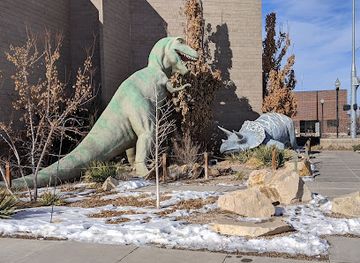
Utah Field House of Natural History State Park Museum
Explore the magnificent Utah Field House of Natural History Museum, where dinosaurs, fossils, and geological wonders await in Vernal, Utah.
5 min drive · 1.6 km from city centre
-
Campground
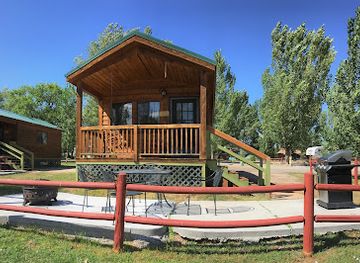
Vernal / Dinosaurland KOA Holiday
Experience the thrill of outdoor adventures at Vernal's Dinosaurland KOA Holiday, where comfort meets nature in the heart of Utah's stunning landscapes.
6 min drive · 2.1 km from city centre
-
Church of Jesus Christ of Latter-day Saints
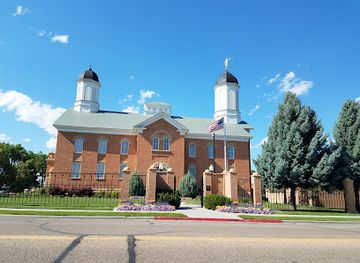
Vernal Utah Temple
Explore the peaceful Vernal Utah Temple, a beautiful landmark offering spiritual insights and serene gardens in the heart of Utah.
3 min walk · 0.2 km from city centre
-
Park
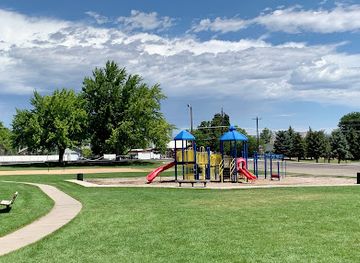
Ashley Valley Community Park
Experience the natural beauty and recreational charm of Ashley Valley Community Park in Vernal, Utah, a perfect retreat for families and nature lovers.
17 min walk · 1.4 km from city centre

Best landmarks in Vernal
The Utah Field House of Natural History State Park Museum is Vernal's defining civic landmark, presenting the geological and palaeontological story that underpins the town's public identity. In the surrounding landscape, Dinosaur National Monument's Quarry Exhibit Hall near Jensen is both a protected fossil site and a monument to the scientific importance of the Uinta Basin. Vernal's historic downtown buildings offer a quieter record of early twentieth-century commercial life, while dinosaur murals and the town's dinosaur-themed streetscape express a modern civic symbol rooted in local geology. The Uintah County Heritage Museum adds regional historical context, including the area's settlement and community development. These places represent different meanings of the region: scientific discovery, rural commerce, public memory and the continuing presence of a landscape formed over geological time.
-
Museum
Utah Field House of Natural History State Park Museum
Discover the wonders of Utah's prehistoric past at the Utah Field House of Natural History State Park Museum, where history comes to life.
5 min drive · 1.6 km from city centre
-
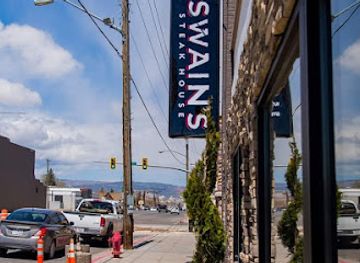
Steak
Swain Brothers
Discover Vernal's best-kept secret at Swain Brothers, where succulent steaks and a welcoming atmosphere await every visitor.
11 min walk · 0.9 km from city centre
-
Pizza
Antica Forma
Discover the authentic taste of Italian pizza at Antica Forma in Vernal, Utah - a culinary delight for every pizza lover.
16 min walk · 1.3 km from city centre
-
Restaurant
7-11 Ranch Restaurant
Discover the delicious offerings of 7-11 Ranch Restaurant in Vernal, UT, where American comfort food meets local charm and hospitality.
13 min walk · 1.0 km from city centre
Explore Vernal on the map
Plan your Vernal trip on one map. See where the top attractions, landmarks, restaurants, bars and hotels are, find what's near where you're staying, and book hotels and experiences in a few clicks.
Best hotels in Vernal
Best restaurants in Vernal
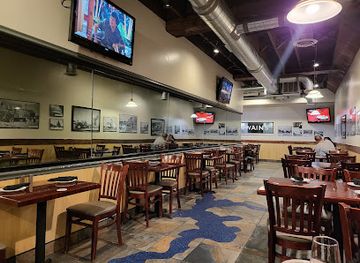
Vernal's dining scene reflects its role as a working regional centre rather than a destination built around fine dining. American comfort food, burgers, steaks, Mexican-influenced dishes, sandwiches and café breakfasts are common, with independent restaurants and practical family eateries serving residents, road travellers and outdoor visitors. Local supermarkets and everyday food outlets are useful for assembling provisions before heading towards Dinosaur National Monument, Steinaker State Park or the mountains. The area's ranching and agricultural background gives beef, seasonal produce and hearty portions a natural place in the local food culture, while Utah's wider Western and Mexican-American influences appear across casual menus. Dining is concentrated around central Vernal and the main commercial roads, and options may become sparse beyond town, making an early meal or packed supplies sensible for longer excursions.
-
Steak
Swain Brothers
Discover the ultimate steak experience at Swain Brothers in Vernal—where every bite is a celebration of flavor.
11 min walk · 0.9 km from city centre
-
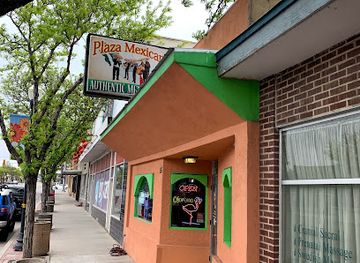
Mexican
Plaza Mexicana
Experience authentic Mexican cuisine at Plaza Mexicana in Vernal - a vibrant dining destination celebrating flavors and culture.
13 min walk · 1.0 km from city centre
-
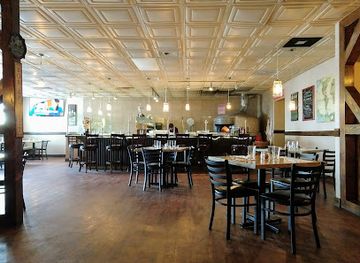
Pizza
Antica Forma
Discover Antica Forma in Vernal: A must-visit pizzeria offering innovative flavors and warm hospitality.
16 min walk · 1.3 km from city centre
-
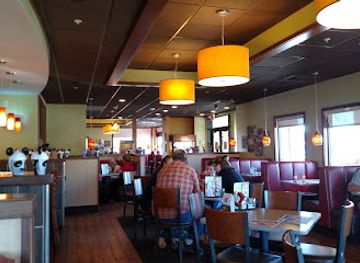
Breakfast
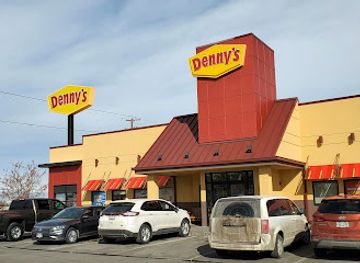
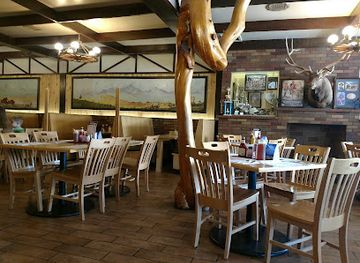
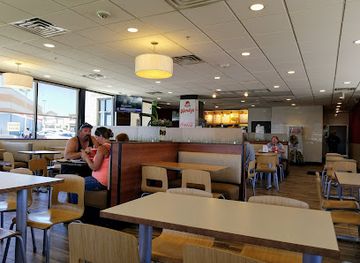
Denny's
Experience the classic American diner atmosphere at Denny's in Vernal with delicious breakfasts served all day long.
9 min drive · 3.1 km from city centre
Best bars in Vernal
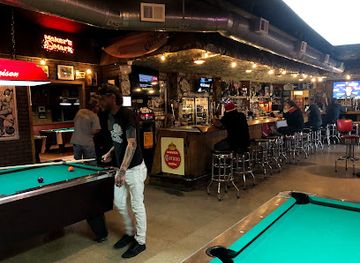
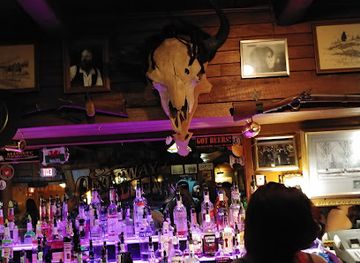
Vernal's evening scene is modest and locally oriented, with a handful of casual bars, taverns and restaurant lounges rather than a concentrated club district. Social life is shaped by the town's small-community character, outdoor economy and distance from Utah's larger urban centres; evenings may involve a relaxed drink, televised sport, live local music or conversation rather than late-night dancing. Alcohol service follows Utah law, including age and licensing requirements, and venues can have different rules. After dark, the town's quiet streets contrast sharply with the remote darkness beyond the basin, where there are few services and limited phone coverage. Cultural evenings may also centre on community events, performances or seasonal activities rather than nightlife venues, so entertainment schedules should be checked locally rather than assumed.
-
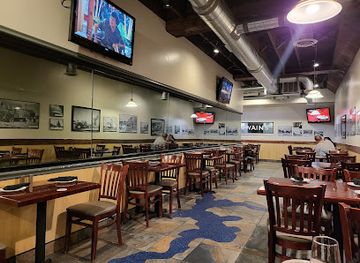
Steak
Swain Brothers
Experience the best of Utah's culinary scene at Swain Brothers, a top-rated steakhouse offering prime cuts and a welcoming atmosphere.
11 min walk · 0.9 km from city centre
-
Breakfast
Denny's
Enjoy all-day breakfast at Denny's in Vernal, where classic American comfort food meets a welcoming atmosphere.
9 min drive · 3.1 km from city centre
-
Restaurant
7-11 Ranch Restaurant
Experience the heart of American dining at 7-11 Ranch Restaurant in Vernal, Utah, where delicious flavors and warm hospitality await every visitor.
13 min walk · 1.0 km from city centre
-
Fast Food
Wendy's
Experience the taste of fresh, quality fast food at Wendy's in Vernal, where deliciousness meets convenience for every traveler.
13 min walk · 1.0 km from city centre
Best nightclubs in Vernal
Vernal's evening scene is modest and locally oriented, with a handful of casual bars, taverns and restaurant lounges rather than a concentrated club district. Social life is shaped by the town's small-community character, outdoor economy and distance from Utah's larger urban centres; evenings may involve a relaxed drink, televised sport, live local music or conversation rather than late-night dancing. Alcohol service follows Utah law, including age and licensing requirements, and venues can have different rules. After dark, the town's quiet streets contrast sharply with the remote darkness beyond the basin, where there are few services and limited phone coverage. Cultural evenings may also centre on community events, performances or seasonal activities rather than nightlife venues, so entertainment schedules should be checked locally rather than assumed.
-
Restaurant
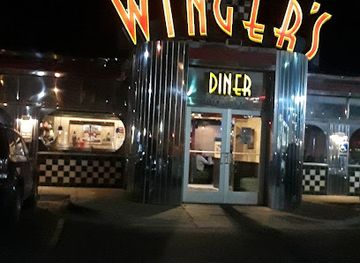
WINGERS Restaurant & Alehouse
Discover a culinary gem in Vernal, UT at WINGERS Restaurant & Alehouse, offering mouthwatering American classics in a vibrant atmosphere.
9 min drive · 3.0 km from city centre
-
Bar
Little B's
Discover the charm of Vernal at Little B's, a welcoming bar offering signature drinks and a vibrant atmosphere perfect for unwinding.
11 min walk · 0.9 km from city centre
-
Bar
Gateway Saloon & Cafe
Discover the vibrant atmosphere of Gateway Saloon & Cafe in Vernal, Utah, where delicious food and a lively bar scene await every visitor.
6 min drive · 2.1 km from city centre
-
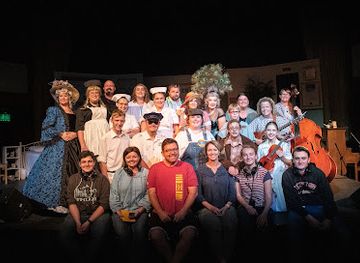
Performing arts theater
Vernal Theatre: LIVE
Discover the heart of Vernal's arts scene at Vernal Theatre, where live performances create unforgettable memories for every visitor.
12 min walk · 1.0 km from city centre
Best shops in Vernal
Shopping in Vernal is practical and regional, with everyday stores, outdoor suppliers, independent businesses and small gift shops serving both residents and visitors travelling through the Uinta Basin. Downtown streets provide the most distinctive browsing, including local artwork, Western-style goods, books, souvenirs and dinosaur-themed products linked to the area's palaeontological identity. Visitors may also find locally made crafts, regional food products and items suited to camping, fishing and mountain travel. Larger everyday purchases are concentrated along the town's commercial corridors rather than in a single luxury or fashion district. The best souvenirs are generally tied to place: fossil interpretations and dinosaur designs, Uinta Basin artwork, Western goods and products reflecting Utah's outdoor culture. Fossils found on public land should not be removed unless collection is expressly permitted by the relevant land manager.
-
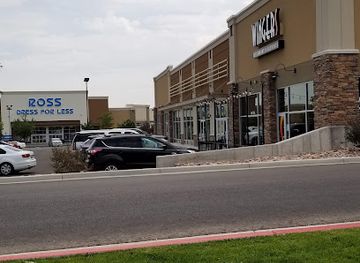
Shopping mall
Vernal Towne Center
Explore Vernal Towne Center, a dynamic shopping mall in Utah featuring diverse stores, delicious dining, and exciting local events.
9 min drive · 2.9 km from city centre
-
Grocery store
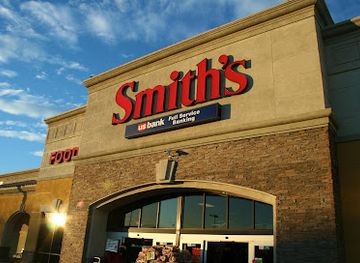
Smith's
Smith's Grocery Store in Vernal, Utah offers fresh produce, gourmet products, and local specialties, perfect for tourists and locals alike.
11 min walk · 0.9 km from city centre
-
Clothing store
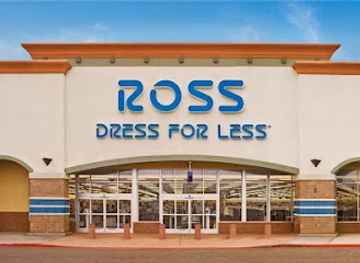
Ross Dress for Less
Uncover stylish clothing and accessories at affordable prices in Vernal, UT, at Ross Dress for Less, the ultimate budget shopping destination.
9 min drive · 3.0 km from city centre
-
Department store
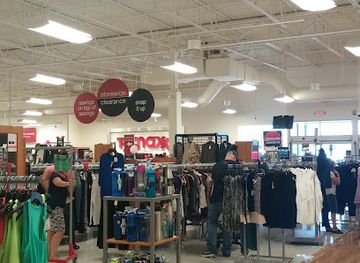
T.J. Maxx
Explore T.J. Maxx in Vernal for unbeatable deals on fashion, home goods, and more, all at prices that won't break the bank.
9 min drive · 2.9 km from city centre
Get your free copy of our complete guide to Vernal, delivered straight to you.
Everything on this page, from attractions and restaurants to essentials and local phrases, in one PDF you can read offline, print or share.
Already have an account? Sign in
Your Vernal guide is ready.
We'll send it to · Not you? Sign out

Getting your guide ready…
We are putting together a fresh copy of the Vernal guide. This can take up to a minute.
This can take a few moments. If your browser asks, choose Allow so the download can start. You'll find the guide in your Downloads folder.
Nothing happened? Download it again
Sorry, the guide is taking longer than usual. Please try again in a minute, or get it by email instead.
Vernal essentials
Currency and Payment
Safety
Emergency Situations
Do's and Don'ts
Local Tips
From Eve
Local phrases worth knowing
You don't need to get them perfect. A few words go a long way, and locals appreciate the effort.
Basics
| English | Local | Say it |
|---|---|---|
| Hello | Howdy | [haw-dee] |
| Goodbye | See ya | [see yuh] |
| Yes | Yup | [yuhp] |
| No | Nope | [nohp] |
| Please/You're welcome | Please/No problem | [pleez/no problem] |
| Thank you | Thanks | [thanks] |
| Excuse me/Sorry | Pardon me/My bad | [par-dun me/my bad] |
| How are you? | Howdy | [haw-dee] |
| Fine. And you? | Just dandy. How 'bout you? | [just dan-dee. how 'bout yuh?] |
| Do you speak English? | Ya speak English? | [yuh speak ing-glish?] |
| I don't understand | I ain't catchin' on | [I aint ketch-in' on] |
Eating & Drinking
| English | Local | Say it |
|---|---|---|
| I'd like to see the menu, please | I wanna peek at the grub, please | [I wun-nuh peek at the gruhb, please] |
| I don't eat meat | I don't do meat | [I don't do meat] |
| Cheers! | Bottoms up! | [bot-ums up!] |
| I would like to pay, please | I reckon I'll settle up, please | [I reckon I'll settle up, please] |
Emergencies
| English | Local | Say it |
|---|---|---|
| Help! | SOS! | [SOS!] |
| Go away! | Git! | [git!] |
| Call the Police! | Ring up the sheriff! | [ring up the sheriff!] |
| Call a doctor! | Get me a sawbones! | [get me a saw-bones!] |
| I'm lost | I'm plum disoriented | [I'm plum dis-or-ien-ted] |
| I'm ill | I'm feelin' poorly | [I'm feel-in' poor-lee] |
Shopping
| English | Local | Say it |
|---|---|---|
| I'd like to buy... | I'm fixin' to buy... | [I'm fixin' to buy...] |
| I'm just looking | Just browsin' | [just brow-sin'] |
| How much is it? | What's the damage? | [what's the dam-ij?] |
| That's too expensive | That's a mite pricey | [that's a mite pricey] |
| Can you lower the price? | Can ya cut me a deal? | [can yuh cut me a deal?] |
Time & Numbers
| English | Local | Say it |
|---|---|---|
| What time is it? | What's the hour? | [what's the hour?] |
| It's one o'clock | It's one on the nose | [It's one on the nohs] |
| Half past (10) | Ten-thirty | [ten-thur-tee] |
| Morning | Mornin' | [morn-in'] |
| Afternoon | Afternoon | [after-noon] |
| Evening | Evenin' | [even-in'] |
| Yesterday | Yest'day | [yest'day] |
| Today | Today | [today] |
| Tomorrow | Tomorra | [tom-or-rah] |
| 1 | One | [wun] |
| 2 | Two | [too] |
| 3 | Three | [three] |
| 4 | Four | [four] |
| 5 | Five | [five] |
| 6 | Six | [six] |
| 7 | Seven | [seven] |
| 8 | Eight | [ate] |
| 9 | Nine | [nine] |
| 10 | Ten | [ten] |
Transport & Directions
| English | Local | Say it |
|---|---|---|
| Where's a/the...? | Where's the...? | [Where's the...?] |
| What's the address? | What's the addy? | [What's the addy?] |
| Can you show me (on the map)? | Can ya point it out (on the map)? | [Can yuh point it out (on the map)?] |
| When's the next (bus)? | When's the next (bus)? | [When's the next (bus)?] |
| A ticket (to ....) | A ticket (to ....) | [A ticket (to ....)] |
History of Vernal
Ute Homelands and Early Encounters
The Uinta Basin is part of the ancestral homeland of the Ute people, whose communities developed distinctive relationships with the basin's rivers, plateaus and mountain corridors long before American settlement. The region was encountered by non-Indigenous travellers during the nineteenth century, including expeditions associated with the exploration of the American West. In 1861, the United States established the Uintah Valley Reservation in the basin; its boundaries and administration changed over time, and the history of the reservation is closely tied to federal policy, land dispossession and the continuing presence of the Ute Indian Tribe. Any account of Vernal therefore begins with Indigenous history rather than with the town's later founding.
Settlement in the Uintah Valley
Permanent Euro-American settlement expanded in the Uintah Basin during the late nineteenth century, encouraged by farming, livestock raising and the development of local administrative centres. Vernal emerged as an important community in the valley and was incorporated in 1904. Its position made it a trading and service centre for scattered ranches, farms and mining interests. The town's early civic and commercial life reflected the practical demands of a remote frontier district, where roads, mail services and access to supplies were as significant as formal architecture. The surrounding basin remained culturally and economically connected to the Ute community, whose lands and political history shaped the region's development.
The Dinosaur Rush
Scientific interest in the Uinta Basin grew during the late nineteenth and early twentieth centuries as palaeontologists documented its fossil-bearing formations. The discovery and excavation of dinosaur remains helped establish the region as an important centre of vertebrate palaeontology. At the Carnegie Dinosaur Quarry, now within Dinosaur National Monument near Jensen, hundreds of fossilised bones were exposed in the rock face and became the basis for major scientific study. The quarry also influenced Vernal's identity, giving the town a dinosaur emblem and a public culture in which prehistoric life is interpreted through museums, murals and roadside references rather than treated solely as an academic subject.
Oil, Roads and Regional Growth
Petroleum exploration and production became increasingly important to the Uinta Basin during the twentieth century, adding energy work to the older foundations of agriculture, ranching and local trade. Improved roads strengthened Vernal's position as the basin's main commercial centre and connected it with communities across north-eastern Utah and western Colorado. The construction of modern highways changed the scale of travel through the region, while the town's businesses and public institutions adapted to a population spread across a large rural area. Energy development also brought economic opportunity alongside the environmental and land-use debates common to resource-producing regions.
A Modern Paleontological Gateway
Vernal's contemporary identity draws together several layers of regional history: Ute cultural continuity, agricultural and ranching settlement, energy production and the scientific importance of local fossils. The opening of Dinosaur National Monument in 1915 gave federal recognition to the area's geological and palaeontological value, while the Utah Field House of Natural History State Park Museum later provided a town-based setting for interpreting the basin's prehistoric record. Today, Vernal remains a small regional centre rather than a heavily urbanised destination. Its museums, civic buildings and outdoor connections reveal a community shaped by the unusual meeting of deep geological time and modern rural life.
Vernal in Photos
Browse through our photo collection highlighting the charm and character of the destination.
Cities near Vernal
The closest cities to Vernal, if you have time for more than one stop.
-

-

-

-

-


Swipe for more cities
Explore more

Explore more of Utah
Explore Utah's stunning national parks, rich cultural heritage, and year-round outdoor adventures. Discover why this diverse state is a top destination for travelers.
Explore Utah