

Free Southern Virginia Travel Guide & Mobile App
Explore Southern Virginia with free travel guides. Discover regional history, expert tips, proposed trips, and audio guides on web or mobile app.


Southern Virginia combines tobacco-country heritage, Civil War history, lake recreation, small-town culture and scenic rural roads across the Commonwealth’s southern counties.
Read more about Southern Virginia
Getting to and around Southern Virginia
How to get there
Transportation
Top city travel guides in Southern Virginia
The cities of Southern Virginia, and the easiest places to base yourself.
-

-

-


Swipe for more cities
Best attractions in Southern Virginia
Southern Virginia’s attractions are distributed across a large rural landscape rather than concentrated in one resort or city. In Danville, former tobacco warehouses, local museums, galleries and the Dan River waterfront explain the city’s commercial and industrial past. Appomattox Court House National Historical Park is the region’s major historical destination, preserving the village and fields associated with the 1865 surrender. High Bridge Trail State Park offers walking and cycling along a former railway route, with elevated views over the Appomattox River. Lakes provide a different focus: Staunton River State Park and Occoneechee State Park support boating, fishing, camping and shoreline walks, while Kerr Lake’s broad waters are especially suited to summer recreation. Martinsville Speedway brings a highly distinctive motorsport tradition, particularly during major race weekends. Smaller museums, historic courthouses, community arts spaces, farm stands and heritage districts reward slower touring through Danville, Halifax, South Boston, Farmville and Appomattox. The region’s appeal lies in the relationship between its sites: agricultural landscapes, transport corridors, industrial buildings, waterways and contested histories form a coherent, if widely scattered, visitor experience.
-
Tourist attraction
Luray Caverns
Explore the stunning natural formations of Luray Caverns, a must-visit tourist attraction in Virginia's scenic Shenandoah Valley.
-
 National park
Shenandoah National Park
Experience the breathtaking beauty of Shenandoah National Park, Virginia's gem for hiking, camping, and awe-inspiring landscapes.
-
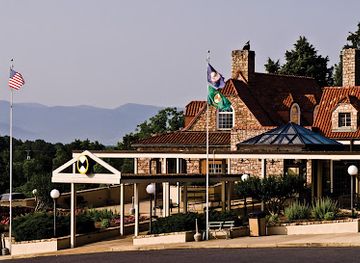
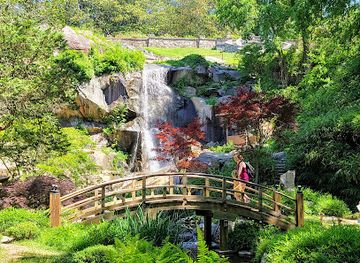
Park
Maymont
Experience the beauty of Maymont, a stunning park in Richmond, Virginia, featuring exquisite gardens, wildlife exhibits, and rich history for all ages.
-
History museum
Colonial Williamsburg
Discover America's colonial past at Colonial Williamsburg, a captivating living history museum filled with restored buildings and engaging reenactments.
Best landmarks in Southern Virginia
Appomattox Court House National Historical Park is Southern Virginia’s most consequential landmark, preserving the village buildings, roads and open countryside associated with Lee’s surrender to Grant in April 1865. In Danville, the Tobacco Warehouse District is a defining architectural landscape of brick industrial buildings that testifies to the city’s former position in the tobacco trade; some structures now accommodate cultural, commercial and residential uses. The Dan River forms a natural and civic landmark through the city, linking industrial memory with contemporary walking and public spaces. Martinsville Speedway is both a sporting venue and a symbol of the region’s modern leisure economy, recognisable for its compact oval and long association with stock-car racing. High Bridge, spanning the Appomattox River within High Bridge Trail State Park, is a major engineering and landscape feature on the former railway line. Farther east, Kerr Lake’s wide reservoir shoreline and the wooded setting of Occoneechee State Park provide a geographical landmark rather than a single monument, expressing the region’s close relationship with managed waterways.
-
National park
Shenandoah National Park
Explore Shenandoah National Park in Virginia, where stunning vistas, abundant wildlife, and endless outdoor adventures await every traveler.
-
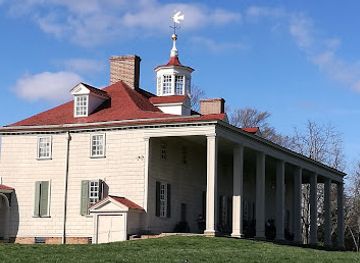
Historical landmark
George Washington's Mount Vernon
Experience the historical significance and scenic beauty of George Washington's Mount Vernon, a landmark that encapsulates the essence of America's founding.
-
Historical landmark
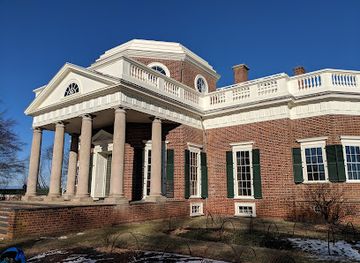
Monticello
Discover Monticello, the historic estate of Thomas Jefferson, where stunning architecture and rich American history converge in beautiful Virginia.
-
History museum
Colonial Williamsburg
Experience the rich tapestry of American history at Colonial Williamsburg, a living museum showcasing life in the 18th century.
Explore Southern Virginia on the map
Plan your trip on one map. See where the top cities, national parks and sights are, and book hotels and experiences in a few clicks.
Best hotels in Southern Virginia
Best restaurants in Southern Virginia
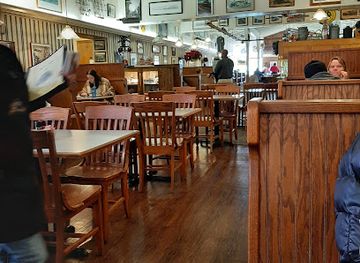
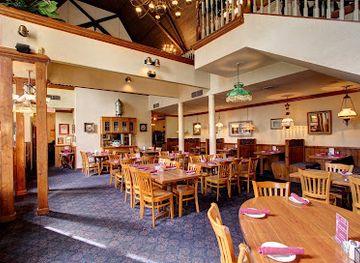
Dining in Southern Virginia reflects the region’s agricultural setting and its links with the wider food culture of the American South. Barbecue, fried chicken, biscuits, seasonal vegetables, country ham and locally made cakes appear in cafés, diners, family restaurants and traditional barbecue establishments, while Brunswick stew is associated with Virginia and neighbouring Southern states. Danville and Martinsville offer the broadest choice of contemporary restaurants, international food and coffee shops, with smaller towns providing diners, independent cafés and locally oriented menus. Farm stands and seasonal markets are useful places to find produce, eggs, preserves, baked goods and peanuts, particularly in the southern counties. Near Kerr Lake and other waterways, casual summer dining may include fish and grilled dishes, although the region is not defined solely by lake cuisine. Craft breweries and small producers have added variety in larger towns, but opening arrangements change, so confirm current hours before making a special journey. Tipping follows standard United States practice, and restaurant bills normally exclude gratuity.
-
Steak
The Great 611 Steak Company
Discover Roanoke's finest steakhouse at The Great 611 Steak Company - where quality meets flavor in every bite.
-
American
Freemason Abbey Restaurant
Discover culinary excellence at Freemason Abbey Restaurant in Norfolk - where historic charm meets modern American cuisine.
-
American
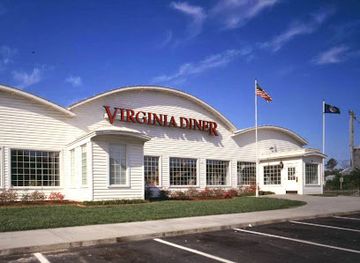
Virginia Diner
Discover authentic Southern cuisine at Virginia Diner in Wakefield - where every meal feels like home.
-
Seafood
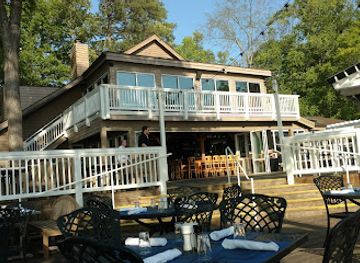
The Boathouse at Sunday Park
Experience exquisite seafood dining with stunning lakeside views at The Boathouse at Sunday Park in Midlothian, Virginia.
Best bars in Southern Virginia
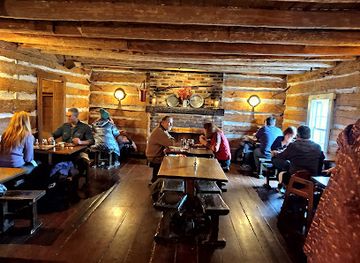
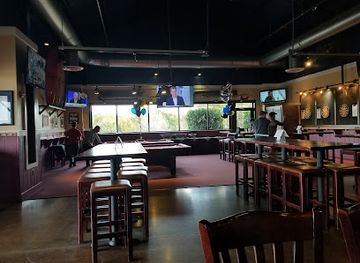
Evening life in Southern Virginia is generally centred on pubs, breweries, restaurants, live music and community events rather than a large nightclub scene. Danville has the widest range of bars and evening venues, including establishments occupying or near adapted tobacco warehouses and the city’s revitalised downtown areas. Martinsville and the surrounding towns offer locally focused bars, casual restaurants and occasional music connected with the motorsport calendar. Around Clarksville and Kerr Lake, summer evenings may be busier, particularly where waterfront restaurants and seasonal visitors create a holiday atmosphere. In smaller communities, a traditional bar or restaurant may be the main late-evening option, and closing times can be earlier than international visitors expect. Alcohol is not necessary to engage with local evening culture: theatres, civic programmes, concerts, heritage events and seasonal festivals provide alternatives. Check transport arrangements in advance, especially outside the main towns, and never drive after drinking on rural roads.
-
Bar
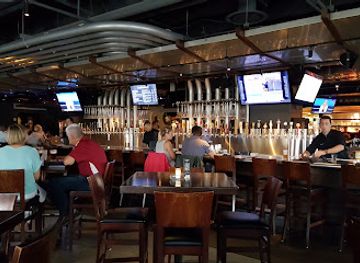
Yard House
Experience vibrant dining at Yard House, Virginia Beach's premier gastropub with a vast beer selection and mouthwatering New American cuisine.
-
Bar
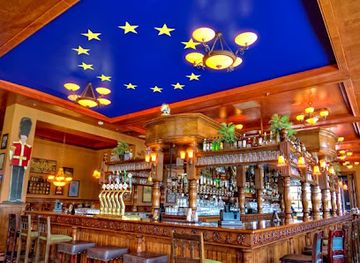
Park Lane Tavern of Hampton
Experience the vibrant atmosphere and delicious cuisine at Park Lane Tavern, a must-visit bar and restaurant in Hampton, Virginia.
-
Restaurant
Michie Tavern ca. 1784
Discover the rich history and delightful cuisine at Michie Tavern, a must-visit restaurant and landmark in Charlottesville, Virginia, since 1784.
-
American
The Bungalow Lakehouse
Explore The Bungalow Lakehouse in Sterling, VA for a delightful blend of American cuisine and a vibrant lakeside atmosphere, perfect for all occasions.
Best nightclubs in Southern Virginia
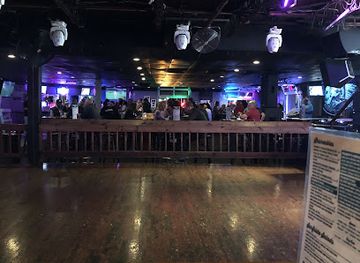
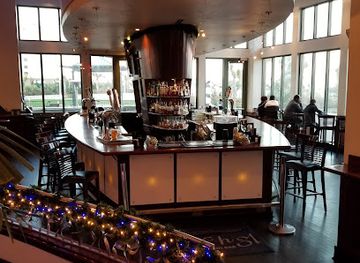
Evening life in Southern Virginia is generally centred on pubs, breweries, restaurants, live music and community events rather than a large nightclub scene. Danville has the widest range of bars and evening venues, including establishments occupying or near adapted tobacco warehouses and the city’s revitalised downtown areas. Martinsville and the surrounding towns offer locally focused bars, casual restaurants and occasional music connected with the motorsport calendar. Around Clarksville and Kerr Lake, summer evenings may be busier, particularly where waterfront restaurants and seasonal visitors create a holiday atmosphere. In smaller communities, a traditional bar or restaurant may be the main late-evening option, and closing times can be earlier than international visitors expect. Alcohol is not necessary to engage with local evening culture: theatres, civic programmes, concerts, heritage events and seasonal festivals provide alternatives. Check transport arrangements in advance, especially outside the main towns, and never drive after drinking on rural roads.
-
Night club
Allure 30/30
Dive into the vibrant nightlife at Allure 30/30, a premier night club and bar in Virginia Beach, offering unforgettable music and a lively atmosphere.
-
Night club
Peabody's Nightclub
Discover the essence of nightlife at Peabody's Nightclub – a hub for live music, great drinks, and unforgettable fun in Virginia Beach.
-
Night club
Sky Bar
Experience the vibrant nightlife at Sky Bar in Virginia Beach, where ocean views meet energetic beats and refreshing cocktails.
-
Night club
Broadway Nightclub
Discover the electrifying nightlife of Norfolk at Broadway Nightclub, where music, dancing, and fun come together for an unforgettable experience.

Best shops in Southern Virginia
Shopping in Southern Virginia is led by practical town centres, independent businesses, antiques, local food and craft rather than large luxury retail districts. Danville’s historic downtown and revitalised warehouse areas contain independent shops, galleries, cafés and creative businesses, while Martinsville combines everyday retail with a long association with furniture manufacturing and design. South Boston, Halifax, Farmville and Appomattox provide smaller main-street shopping environments where antiques, books, gifts, clothing and locally made items can be found. Seasonal farmers’ markets and farm stands are the best places to look for regional produce, peanuts, preserves, baked goods and other provisions, although their days and locations vary. Visitors interested in Virginia history may find locally produced books and heritage merchandise at museums and historic sites. Rural shopping requires planning: businesses can be spread out, opening patterns may be limited outside weekdays, and some roadside sellers accept cash only. Local galleries and community craft shops offer more distinctive souvenirs than generic roadside merchandise.
-
Metaphysical supply store
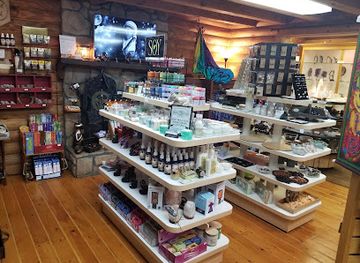
At The Cabin
Explore At The Cabin in Danville, VA: A magical haven for metaphysical supplies, holistic wellness, and spiritual discovery.
Get your free copy of our complete guide to Southern Virginia, delivered straight to you.
Everything on this page, from attractions and restaurants to essentials and local phrases, in one PDF you can read offline, print or share.
Already have an account? Sign in
Your Southern Virginia guide is ready.
We'll send it to · Not you? Sign out

Getting your guide ready…
We are putting together a fresh copy of the Southern Virginia guide. This can take up to a minute.
This can take a few moments. If your browser asks, choose Allow so the download can start. You'll find the guide in your Downloads folder.
Nothing happened? Download it again
Sorry, the guide is taking longer than usual. Please try again in a minute, or get it by email instead.
Southern Virginia essentials
Currency and Payment
Safety
Emergency Situations
Do's and Don'ts
Local Tips
From Eve
Local phrases worth knowing
You don't need to get them perfect. A few words go a long way, and locals appreciate the effort.
Basics
| English | Local | Say it |
|---|---|---|
| Hello | Hey there | [Hey thur] |
| Goodbye | See ya later | [See ya lay-tur] |
| Yes | Yup | [Yup] |
| No | Nope | [Nope] |
| Please/You're welcome | Thank ya | [Thank ya] |
| Thank you | Thanks a bunch | [Thanks a bunch] |
| Excuse me/Sorry | Pardon me | [Pardon me] |
| How are you? | How ya doin'? | [How ya doin'?] |
| Fine. And you? | I’m doin’ good, and you? | [I’m doin’ good, and you?] |
| Do you speak English? | Can ya speak English? | [Can ya speak English?] |
| I don't understand | I don’t get it | [I don’t git it] |
Eating & Drinking
| English | Local | Say it |
|---|---|---|
| I'd like to see the menu, please | Can I see the menu, please? | [Can I see the menu, please?] |
| I don't eat meat | I don’t eat no meat | [I don’t eat no meat] |
| Cheers! | Cheers! | [Cheers!] |
| I would like to pay, please | Can I pay my bill, please? | [Can I pay my bill, please?] |
Emergencies
| English | Local | Say it |
|---|---|---|
| Help! | Help! | [Help!] |
| Go away! | Get outta here! | [Get outta here!] |
| Call the Police! | Call the cops! | [Call the cops!] |
| Call a doctor! | Get a doctor! | [Get a doctor!] |
| I'm lost | I’m all turned around | [I’m all turned around] |
| I'm ill | I ain't feelin' good | [I ain't feelin' good] |
Shopping
| English | Local | Say it |
|---|---|---|
| I'd like to buy... | I wanna buy... | [I wanna buy...] |
| I'm just looking | Just lookin’ around | [Just lookin’ around] |
| How much is it? | What’s the price? | [What’s the price?] |
| That's too expensive | That’s a bit pricey | [That’s a bit pricey] |
| Can you lower the price? | Can ya bring down the price? | [Can ya bring down the price?] |
Time & Numbers
| English | Local | Say it |
|---|---|---|
| What time is it? | What time ya got? | [What time ya got?] |
| It's one o'clock | It's one o'clock | [It's one o'clock] |
| Half past (10) | Half past ten | [Half past ten] |
| Morning | Mornin’ | [Mornin’] |
| Afternoon | Afternoon | [Afternoon] |
| Evening | Evenin’ | [Evenin’] |
| Yesterday | Yesterday | [Yesterday] |
| Today | Today | [Today] |
| Tomorrow | Tomorrow | [Tomorrow] |
| 1 | One | [One] |
| 2 | Two | [Two] |
| 3 | Three | [Three] |
| 4 | Four | [Four] |
| 5 | Five | [Five] |
| 6 | Six | [Six] |
| 7 | Seven | [Seven] |
| 8 | Eight | [Eight] |
| 9 | Nine | [Nine] |
| 10 | Ten | [Ten] |
Transport & Directions
| English | Local | Say it |
|---|---|---|
| Where's a/the...? | Where's a...? | [Where's a...?] |
| What's the address? | What’s the address? | [What’s the address?] |
| Can you show me (on the map)? | Can ya show me on the map? | [Can ya show me on the map?] |
| When's the next (bus)? | When’s the next bus? | [When’s the next bus?] |
| A ticket (to ....) | A ticket to... | [A ticket to...] |
History of Southern Virginia
Indigenous Homelands and Early Settlement
Long before European colonisation, the rivers, woodlands and fertile valleys of Southern Virginia were inhabited and used by Indigenous peoples, including communities connected with the Siouan-speaking societies of the Piedmont and groups living along the Roanoke and Dan river systems. Archaeological evidence records fishing, hunting, cultivation and established settlement. From the seventeenth century, English colonisation brought land grants, displacement, new political boundaries and a plantation economy. The region’s waterways and overland routes helped connect inland settlements with the Tidewater and the North Carolina border.
Tobacco, Plantations and the Colonial Economy
Tobacco became one of the defining commercial crops of Virginia, and Southern Virginia developed farms, warehouses and market towns linked to its production and sale. Enslaved African labour underpinned much of the plantation economy, while smaller farms and trades also shaped the countryside. Danville grew into an important tobacco centre, and Halifax, South Boston and other communities developed around courts, transport routes and agricultural commerce. The legacy survives in former warehouses, farm landscapes, historic houses and the unequal social structures that shaped the region for generations.
Roads, Railways and Market Towns
Improved roads and nineteenth-century railways transformed Southern Virginia from a collection of agricultural districts into a more integrated commercial region. Rail links moved tobacco, timber, textiles and other goods towards larger markets, while towns acquired depots, warehouses, banks and civic buildings. The railway corridor later used by High Bridge Trail State Park illustrates this change: a route built for commerce is now a recreational landscape. Industrial development remained uneven, but transport encouraged the growth of Danville, Martinsville, Farmville and smaller market centres.
The Civil War and Appomattox, 1861–1865
Southern Virginia was affected by mobilisation, supply routes, military movement and the disruption of the Confederate economy during the American Civil War. The region’s most consequential event occurred at Appomattox Court House on 9 April 1865, when General Robert E. Lee surrendered the Army of Northern Virginia to Lieutenant General Ulysses S. Grant. The surrender did not immediately end all fighting, but it marked the decisive collapse of the Confederacy. Appomattox Court House National Historical Park preserves the village, roads and surrounding fields associated with this turning point.
Reconstruction and the Expansion of Industry
After the Civil War, Southern Virginia faced emancipation, political upheaval and the difficult reconstruction of agriculture and local government. Tobacco continued to dominate parts of the economy, but textile production, furniture making, tobacco processing and other manufacturing gradually expanded. Danville became particularly associated with tobacco and textiles, while Martinsville developed a major furniture industry. These sectors created employment and civic investment but were also vulnerable to national and international competition. Their later contraction left former factories and warehouses as important reminders of the region’s industrial past.
Civil-Rights Struggles in Danville, 1963
Danville became a significant site in the civil-rights movement during demonstrations in May and June 1963. African American residents and activists protested segregation and discrimination in public facilities, employment and civic life. The response included arrests and the use of force, drawing national attention and contributing to wider pressure for federal civil-rights legislation. The events remain an important part of Danville’s history and are interpreted through local historic sites and public memory. They also show how Southern Virginia’s story extends beyond plantation and Civil War narratives.
Economic Change and Heritage Renewal
Late twentieth-century global competition led to the closure or reduction of many tobacco, textile and furniture operations across Southern Virginia. Towns responded through industrial diversification, education, heritage conservation, outdoor recreation and the conversion of historic buildings for new uses. Former warehouses in Danville, railway corridors such as High Bridge Trail and motorsport at Martinsville illustrate different approaches to reusing the region’s industrial and transport inheritance. Today, agriculture, manufacturing, healthcare, education, tourism and reservoir-based recreation contribute to a more varied economy.
Southern Virginia in Photos
Browse through our photo collection highlighting the charm and character of the destination.
Neighbouring regions of Southern Virginia
The closest regions to Southern Virginia, if you have time for more than one.
-
 Roanoke Valley
 pairs Blue Ridge trails, railway heritage, Appalachian food and lively Virginia towns with easy access to scenic mountain drives.
Roanoke Valley
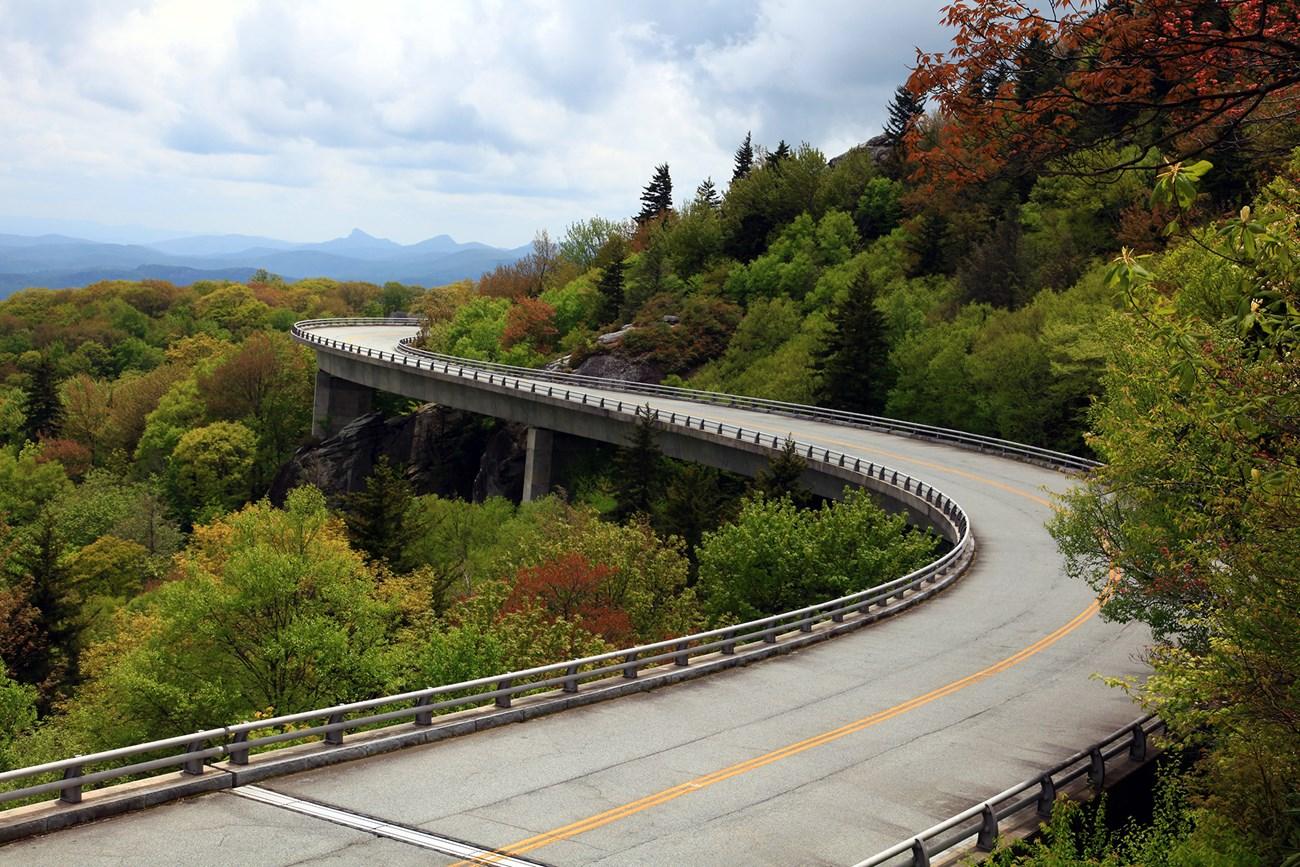
Roanoke Valley pairs Blue Ridge trails, railway heritage, Appalachian food and lively Virginia towns with easy access to scenic mountain drives.
-

-

-

-


Swipe for more regions
Explore more

Explore more of Virginia
Discover Virginia: A blend of historic landmarks, natural beauty, and vibrant culture perfect for history buffs, nature lovers, and culture seekers.
Explore Virginia