
Roanoke Valley, Virginia Travel Guide
Discover the Roanoke Valley: A harmonious blend of natural beauty, cultural richness, and culinary delight in the heart of Virginia's Blue Ridge Mountains.
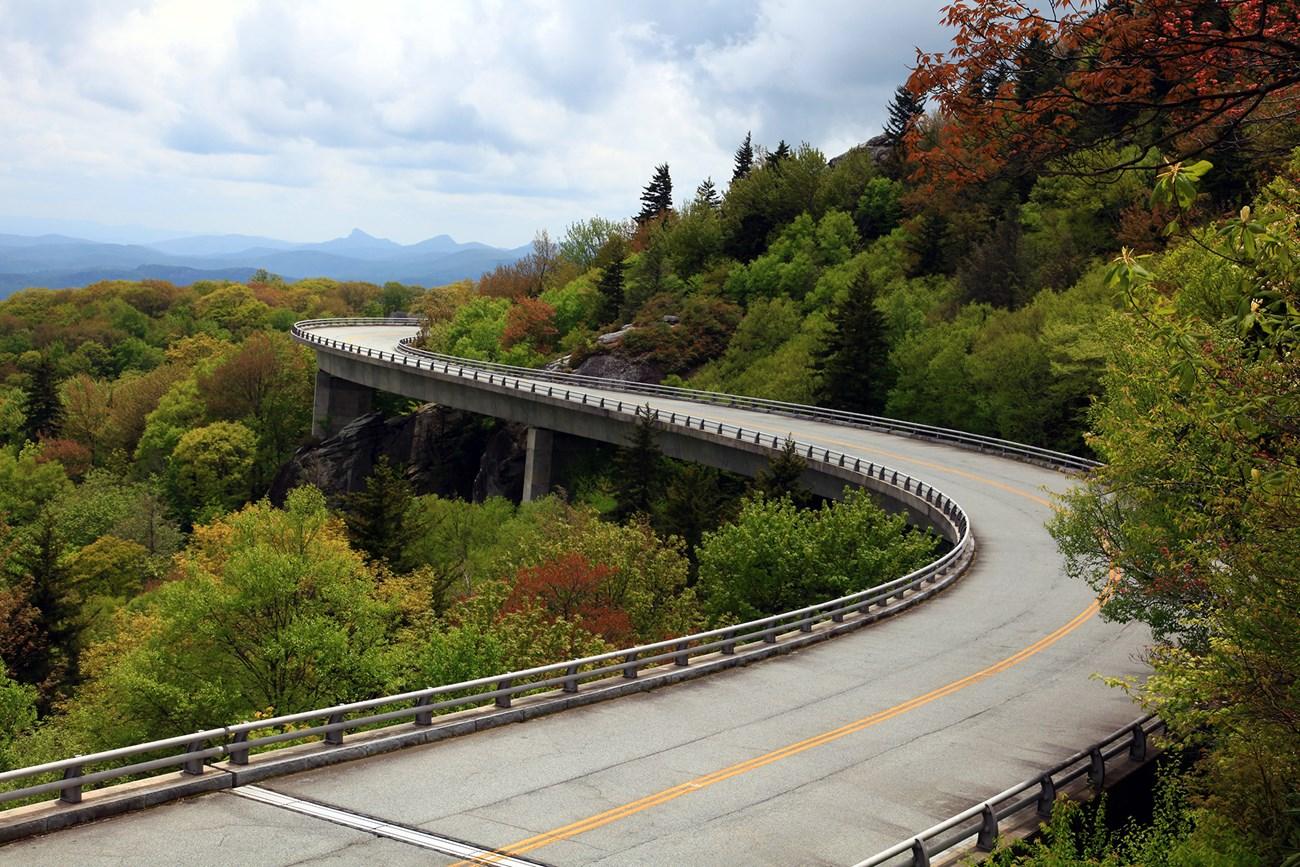
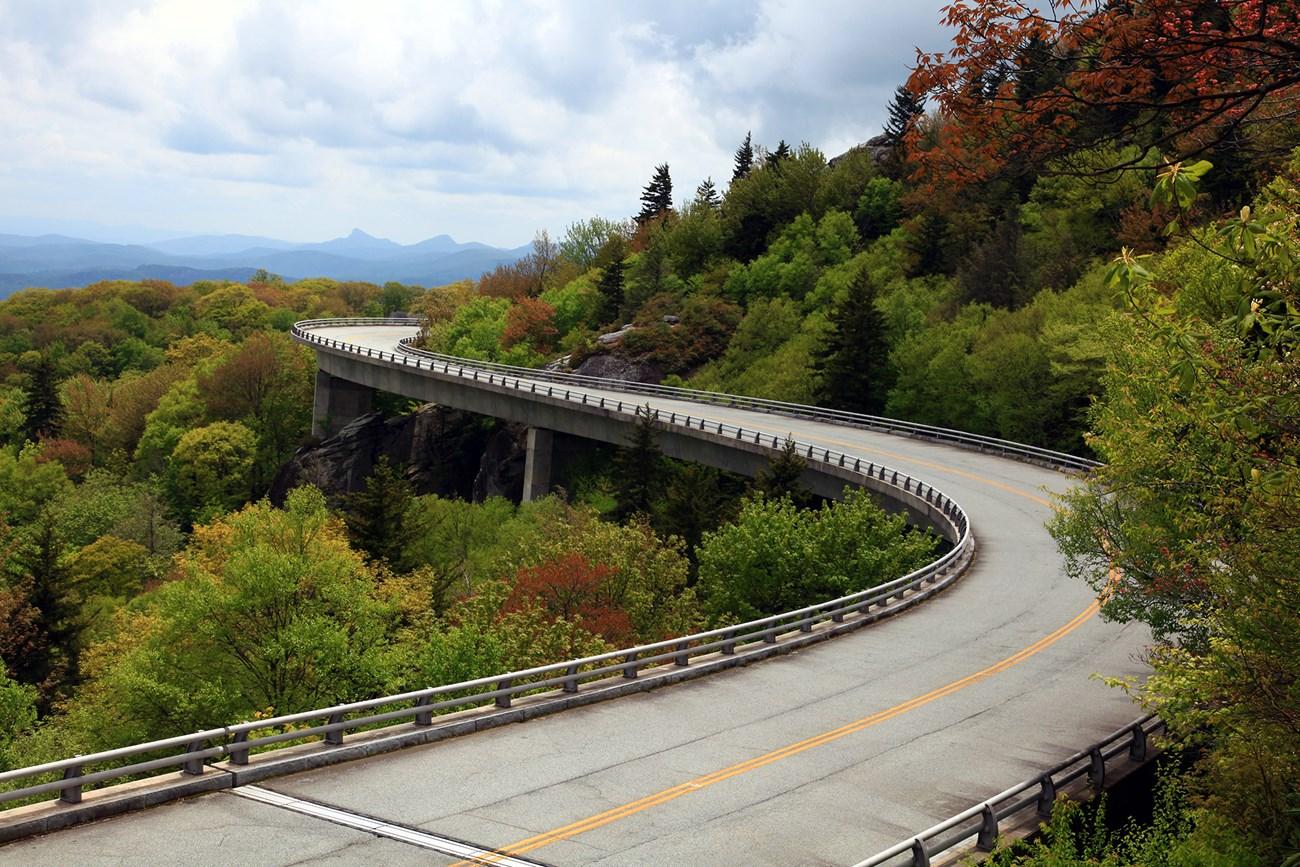
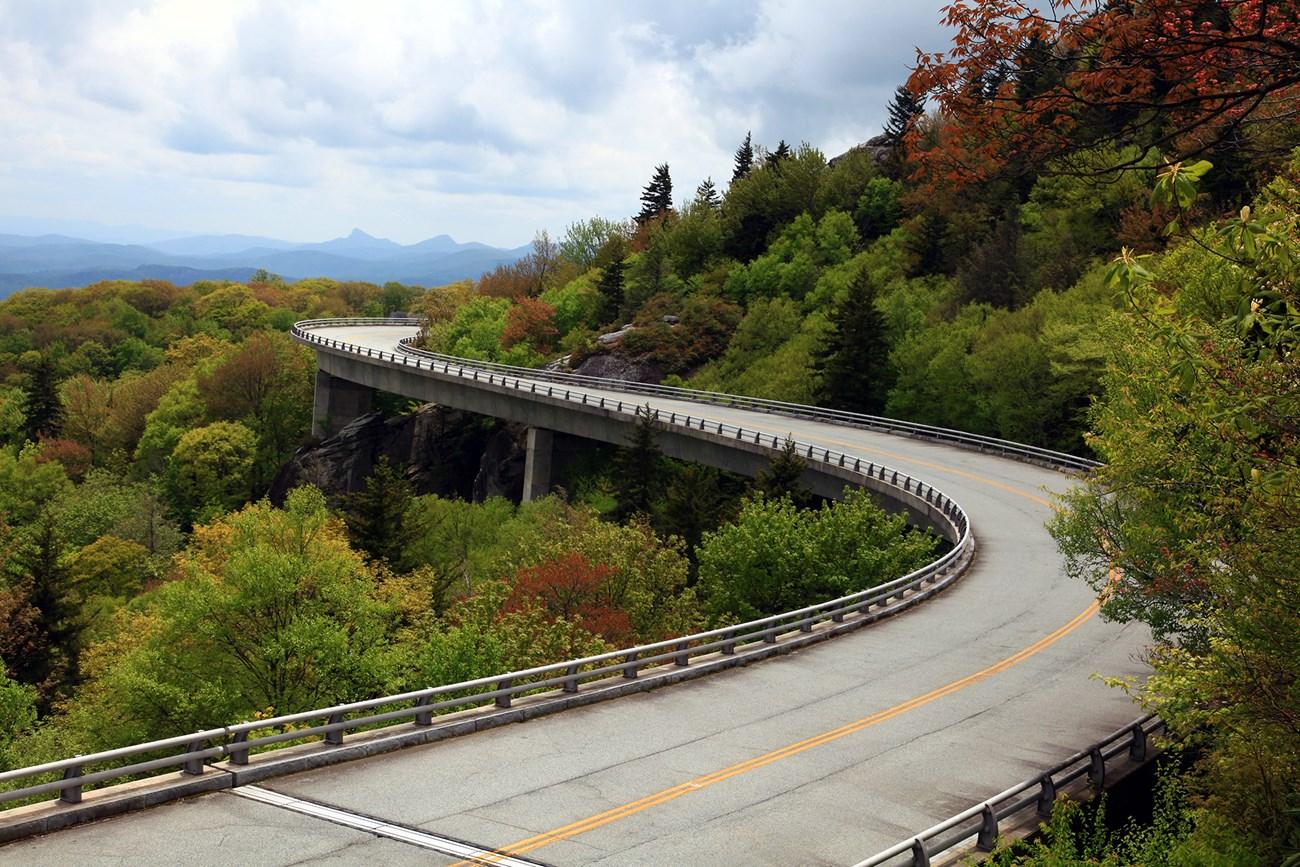
Nestled in the heart of the Blue Ridge Mountains, the Roanoke Valley is a captivating region that offers a perfect blend of natural beauty, outdoor adventures, and rich cultural heritage. The valley is renowned for its scenic landscapes, including the famous Blue Ridge Parkway, which provides breathtaking views and numerous opportunities for hiking, biking, and wildlife spotting. The lush forests and rolling hills make it a paradise for nature lovers and outdoor enthusiasts alike. Roanoke Valley is not just about nature; it's also a hub of history and culture. The city of Roanoke, often referred to as the 'Star City of the South,' boasts a vibrant arts scene, with numerous galleries, theaters, and music venues. The iconic Mill Mountain Star, the world's largest man-made star, overlooks the city and offers panoramic views that are especially stunning at sunset. The Taubman Museum of Art and the Roanoke Pinball Museum are must-visit attractions that provide a unique glimpse into the local culture. Foodies will find a delightful culinary landscape in Roanoke Valley. The region is known for its farm-to-table dining experiences, with many restaurants sourcing ingredients from local farms. The historic Roanoke City Market, one of the oldest continuously operating open-air markets in the country, is a great place to sample fresh produce, artisanal foods, and handmade crafts. Whether you're looking to explore the great outdoors, delve into history, or simply relax and enjoy the local flavors, Roanoke Valley has something for everyone.

Know before you go
Hi, I'm Eve. Here are a few practical things to know before exploring Roanoke Valley.
- Visit the Blue Ridge Parkway early in the morning to avoid crowds and enjoy the peaceful scenery.
- Check out the local farmers' markets for fresh produce and unique handmade crafts.
- Wear comfortable shoes if you plan to explore the many hiking trails in the area.
- Don't miss the Mill Mountain Star at night for a spectacular view of the city lights.
- Sample local craft beers at one of the many breweries in the Roanoke Valley.
Top City Travel Guides in Roanoke Valley
The cities of Roanoke Valley, and the easiest places to base yourself.


Explore Roanoke Valley: Things to Do, Places to Eat, Hotels & More
Handpicked recommendations for top attractions, local dining, accommodations, and more

Top Attractions & Sightseeing in Roanoke Valley
Top-rated picks
Best Attractions

Natural Bridge State Park
Discover the breathtaking Natural Bridge State Park in Virginia, a historical landmark where nature's beauty meets rich heritage.

Virginia Safari Park
Experience the thrill of a wildlife safari in Virginia at the Virginia Safari Park, where exotic animals roam free and adventure awaits.

Mill Mountain Star
Discover the breathtaking beauty and rich history of Mill Mountain Star, Roanoke's iconic landmark with stunning views and scenic trails.

Mill Mountain Park
Immerse yourself in the natural beauty of Mill Mountain Park, Roanoke's premier outdoor destination with stunning views and diverse wildlife.

Best landmarks in Roanoke Valley
Top-rated picks
Best Landmarks

Mill Mountain Star
Explore the Mill Mountain Star in Roanoke, VA—an iconic cultural landmark with stunning views, hiking trails, and rich history.

George Washington & Jefferson National Forest
Discover the beauty of the George Washington & Jefferson National Forests, a perfect destination for outdoor adventures and nature exploration in Virginia.

Thomas Jefferson's Poplar Forest
Explore Thomas Jefferson's Poplar Forest - a historical gem showcasing the architectural brilliance and serene landscapes of a founding father.

Blue Ridge Parkway Visitor Center
Explore the Blue Ridge Parkway Visitor Center, your gateway to scenic drives, hiking trails, and the natural beauty of Virginia's Blue Ridge Mountains.

Best restaurants in Roanoke Valley
Top-rated picks
Best Restaurants

The Great 611 Steak Company
Discover mouthwatering steaks and warm hospitality at The Great 611 Steak Company in Roanoke, Virginia - perfect for any meat lover!

Cheddar's Scratch Kitchen
Experience authentic Southern flavors at Cheddar's Scratch Kitchen in Roanoke – where every dish is made from scratch with love.

George Washington & Jefferson National Forest
Explore the stunning landscapes and diverse wildlife of George Washington & Jefferson National Forest - a true gem in Virginia's natural beauty.

Cracker Barrel Old Country Store
Discover the heart of Southern dining at Cracker Barrel Old Country Store in Lynchburg - where comfort food meets charming retail delights.

Best bars in Roanoke Valley
Top-rated picks
Best Bars

Jack Brown's Beer & Burger Joint Roanoke
Experience gourmet burgers and craft beers in a vibrant atmosphere at Jack Brown's Beer & Burger Joint in Roanoke, VA.
Martin's Downtown
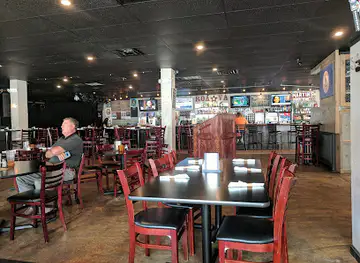
Discover the flavors of Roanoke at Martin's Downtown, a premier grill offering a delightful culinary experience in the heart of Virginia.

Peaks of Otter Lodge
Discover the tranquility of Peaks of Otter Lodge, where stunning mountain views meet warm hospitality in Virginia's Blue Ridge region.

Cucci's Pizzeria
Experience the flavors of Covington at Cucci's Pizzeria, where every slice is crafted with love and fresh ingredients.

Best nightclubs in Roanoke Valley
Top-rated picks
Best Nightclubs

The Park Dance Club
Discover the vibrant nightlife at The Park Dance Club in Roanoke, where every night promises fun, music, and an inclusive atmosphere for all.

Shenandoah Club
Experience elegance and charm at the Shenandoah Club, Roanoke's premier social destination with stunning views and exquisite dining.

Day and Night
Discover the lively atmosphere at Day and Night Bar in Lynchburg, where vibrant decor meets an unforgettable drink and dining experience.

Tajzmahs Lounge
Experience the vibrant atmosphere and exquisite flavors at Tajzmahs Lounge, a top destination in Downtown Roanoke for relaxation and socializing.

Best shops in Roanoke Valley
Top-rated picks
Best Shops
Valley View Mall
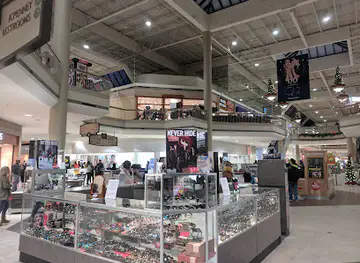
Explore the vibrant Valley View Mall in Roanoke, VA – your go-to destination for shopping, dining, and family fun in the heart of Virginia.

Towers Shopping Center
Explore the Towers Shopping Center in Roanoke, Virginia, where shopping, dining, and entertainment merge for an unforgettable experience.

George Washington & Jefferson National Forest
Discover the breathtaking landscapes and outdoor adventures awaiting you at George Washington & Jefferson National Forest in Virginia.

Tanglewood Mall
Discover the ultimate shopping experience at Tanglewood Mall in Roanoke, Virginia, featuring a variety of stores, dining options, and family-friendly entertainment.

Explore Roanoke Valley on the Map
A handpicked selection of must-see spots in Roanoke Valley, mapped for you.
Roanoke Valley Essentials
-
Roanoke Valley is accessible via multiple modes of transportation. The nearest major airport is Roanoke-Blacksburg Regional Airport (ROA), which offers flights from several major cities. From the airport, you can rent a car, take a taxi, or use ride-sharing services to get to your final destination in the valley. Alternatively, Amtrak offers train service to Roanoke from various locations along the Northeast Corridor. For those driving, Roanoke Valley is conveniently located off Interstate 81, making it easily reachable by car.
-
Once in Roanoke Valley, you can get around using a combination of public transportation and private options. Valley Metro operates a network of buses throughout the Roanoke area, and there are also several taxi services and ride-sharing options like Uber and Lyft available. Renting a car can be a practical choice for exploring the more remote parts of the valley. For a more scenic experience, consider biking or walking along the area's extensive greenway system.
-
The official currency in Roanoke Valley is the US Dollar (USD). Credit and debit cards are widely accepted, including in most hotels, restaurants, and retail stores. However, it's always a good idea to carry some cash for smaller establishments or rural areas where card payments might not be available. ATMs are plentiful, and you can easily withdraw cash if needed.
-
Roanoke Valley is generally a safe destination for tourists. However, like any urban area, it's important to take standard safety precautions. Some neighborhoods in Roanoke City, such as parts of Northwest Roanoke, have higher crime rates and should be avoided, especially at night. Always stay aware of your surroundings, keep your belongings secure, and avoid walking alone in poorly lit areas.
-
In case of emergency, dial 911 for immediate assistance. Roanoke Valley has several hospitals and urgent care centers, including Carilion Roanoke Memorial Hospital, which offers comprehensive medical services. For non-emergencies, there are numerous pharmacies available where you can purchase over-the-counter medications. It’s also advisable to have travel insurance that covers medical emergencies.
-
Fashion: Do dress in layers, as the weather can vary. Casual wear is generally acceptable, but consider more formal attire for fine dining or special events. Religion: Do respect local customs and traditions, especially when visiting religious sites. Public Transport: Do be courteous and offer your seat to elderly or disabled passengers. Don’t eat or drink on public transportation. Greetings: Do greet people with a friendly 'Hello' or handshake. Southern hospitality is prevalent, so don’t be surprised by the warm interactions. Eating & Drinking: Do try local specialties like Virginia ham and regional wines. Don’t rush through meals; take the time to enjoy the Southern dining experience.
-
To experience Roanoke Valley like a local, visit the Roanoke City Market, one of the oldest continuously operating open-air markets in the country. Engage with local vendors and artisans. Don’t miss the chance to explore the Blue Ridge Parkway for breathtaking views and outdoor activities. For a unique cultural experience, check out the Taubman Museum of Art and the Virginia Museum of Transportation. Engaging with locals, especially in smaller communities, can provide you with insights and stories about the area’s rich history and culture.
When is the best time to visit Roanoke Valley?
Useful Local Phrases for Roanoke Valley
You don't need to speak the language perfectly. Even learning a few simple words can make conversations warmer—and locals usually appreciate the effort.
— Eve

Here are the phrases I use most often in Roanoke Valley. Try a few—you'll be surprised how far they go! 😊
❤️
-
- HelloHowdy
[Ha-dee] - GoodbyeSee ya
[See ya] - YesYep
[Yep] - NoNah
[Nah] - Please/You're welcomeNo problem
[No prob-lem] - Thank youThanks
[Thanks] - Excuse me/SorryExcuse me
[Ex-cuse me] - How are you?How ya doin'?
[How ya doin'?] - Fine. And you?I’m good, you?
[I'm good, you?] - Do you speak English?You speakin' English?
[You speakin' English?] - I don't understandI don’t get it
[I don’t get it]
- HelloHowdy
-
- I'd like to see the menu, pleaseCan I see the menu?
[Can I see the menu?] - I don't eat meatI’m vegetarian
[I’m ve-ge-ta-rian] - Cheers!Cheers!
[Cheers!] - I would like to pay, pleaseCan I get the check?
[Can I get the check?]
- I'd like to see the menu, pleaseCan I see the menu?
-
- Help!Help!
[Help!] - Go away!Leave me alone!
[Leave me a-lone!] - Call the Police!Call the cops!
[Call the cops!] - Call a doctor!Get a doctor!
[Get a doc-tor!] - I'm lostI’m lost
[I’m lost] - I'm illI’m not feelin’ well
[I’m not feelin’ well]
- Help!Help!
-
- I'd like to buy...I want to buy...
[I want to buy...] - I'm just lookingJust browsin'
[Just browsin'] - How much is it?How much's this?
[How much's this?] - That's too expensiveThat’s pricey
[That’s pricey] - Can you lower the price?Can you drop the price?
[Can you drop the price?]
- I'd like to buy...I want to buy...
-
- What time is it?What time is it?
[What time is it?] - It's one o'clockIt's one
[It's one] - Half past (10)Half past ten
[Half past ten] - MorningMornin'
[Mornin'] - AfternoonAfternoon
[Afternoon] - EveningEvenin'
[Evenin'] - YesterdayYestiddy
[Yes-tid-dy] - TodayToday
[Today] - TomorrowTomorra
[To-mor-ra] - 1One
[One] - 2Two
[Two] - 3Three
[Three] - 4Four
[Four] - 5Five
[Five] - 6Six
[Six] - 7Seven
[Seven] - 8Eight
[Eight] - 9Nine
[Nine] - 10Ten
[Ten]
- What time is it?What time is it?
-
- Where's a/the...?Where's a...?
[Where's a...?] - What's the address?What’s the address?
[What’s the address?] - Can you show me (on the map)?Can you point it out?
[Can you point it out?] - When's the next (bus)?When's the next bus?
[When's the next bus?] - A ticket (to ....)A ticket to ...
[A tick-et to ...]
- Where's a/the...?Where's a...?
History of Roanoke Valley
-
Long before European settlers arrived, the Roanoke Valley was inhabited by Native American tribes, including the Tutelo, Saponi, and Monacan. These tribes thrived on the region's rich natural resources, practicing agriculture, hunting, and fishing. The valley's rivers and forests provided ample sustenance, and the tribes developed a complex social structure and spiritual connection to the land.
-
In the late 17th century, European settlers began to explore and settle in the Roanoke Valley. The fertile land and strategic location along trade routes attracted farmers, traders, and adventurers. By the 1740s, permanent settlements were established, and the valley became an important agricultural hub, producing tobacco, corn, and wheat.
-
Roanoke City was officially founded in 1882 when the Shenandoah Valley Railroad and Norfolk & Western Railway intersected in the area. This strategic location transformed Roanoke into a major transportation and commercial center, earning it the nickname 'Magic City' due to its rapid growth and development during the late 19th century.
-
The late 19th and early 20th centuries saw Roanoke Valley flourish as an industrial powerhouse. The establishment of the Norfolk & Western Railway's headquarters in Roanoke brought significant economic growth. The railway industry spurred the development of manufacturing plants, coal mines, and other industrial facilities, making Roanoke a vital link in the nation's transportation network.
-
Throughout the 20th century, Roanoke Valley experienced a cultural and artistic renaissance. Institutions like the Taubman Museum of Art, the Roanoke Symphony Orchestra, and the Mill Mountain Theatre became cornerstones of the local arts scene. Festivals, galleries, and cultural events flourished, reflecting the valley's rich artistic heritage and diverse community.
-
Roanoke Valley played a significant role in the Civil Rights Movement during the 1960s. Local activists and community leaders organized protests, sit-ins, and marches to challenge segregation and discrimination. Their efforts led to the desegregation of public spaces and schools, marking a pivotal moment in the valley's history and contributing to the broader struggle for civil rights in the United States.
-
Today, Roanoke Valley is a vibrant and diverse community that honors its rich history while embracing modernity. The region is known for its scenic beauty, outdoor recreational opportunities, and thriving cultural scene. Historic landmarks, such as the Hotel Roanoke and the O. Winston Link Museum, attract visitors from around the world, while the Blue Ridge Parkway offers breathtaking views and outdoor adventures.
Neighbouring Regions of Roanoke Valley
The closest regions to Roanoke Valley, if you have time for more than one.



Your all‑in‑one travel companion app
Explore expert travel guides, compare and book tours, experiences, hotels, and more—all from the palm of your hand. Download now for seamless trip planning wherever your wanderlust takes you.


Explore More of Virginia

Looking beyond Roanoke Valley? Discover Virginia for broader travel guides, local hot-spots, and regional highlights.
Explore VirginiaRoanoke Valley in Photos
Browse through our photo collection highlighting the charm and character of the destination.


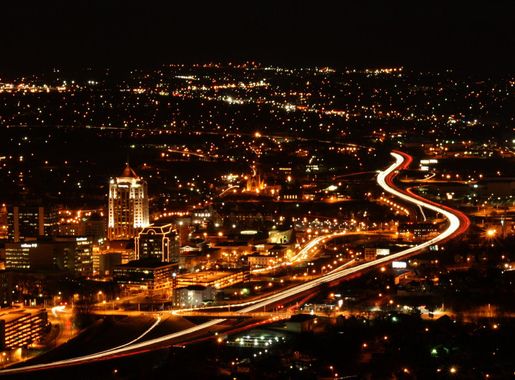


The Enchanting Roanoke Valley: A Hidden Gem in Virginia
Nestled in the heart of the Blue Ridge Mountains, the Roanoke Valley is a captivating region that offers a perfect blend of natural beauty, outdoor adventures, and rich cultural heritage. The valley is renowned for its scenic landscapes, including the famous Blue Ridge Parkway, which provides breathtaking views and numerous opportunities for hiking, biking, and wildlife spotting. The lush forests and rolling hills make it a paradise for nature lovers and outdoor enthusiasts alike. Roanoke Valley is not just about nature; it's also a hub of history and culture. The city of Roanoke, often referred to as the 'Star City of the South,' boasts a vibrant arts scene, with numerous galleries, theaters, and music venues. The iconic Mill Mountain Star, the world's largest man-made star, overlooks the city and offers panoramic views that are especially stunning at sunset. The Taubman Museum of Art and the Roanoke Pinball Museum are must-visit attractions that provide a unique glimpse into the local culture. Foodies will find a delightful culinary landscape in Roanoke Valley. The region is known for its farm-to-table dining experiences, with many restaurants sourcing ingredients from local farms. The historic Roanoke City Market, one of the oldest continuously operating open-air markets in the country, is a great place to sample fresh produce, artisanal foods, and handmade crafts. Whether you're looking to explore the great outdoors, delve into history, or simply relax and enjoy the local flavors, Roanoke Valley has something for everyone.