

Free Central Virginia Travel Guide & Mobile App
Explore Central Virginia with free travel guides. Discover regional history, expert tips, proposed trips, and audio guides on web or mobile app.


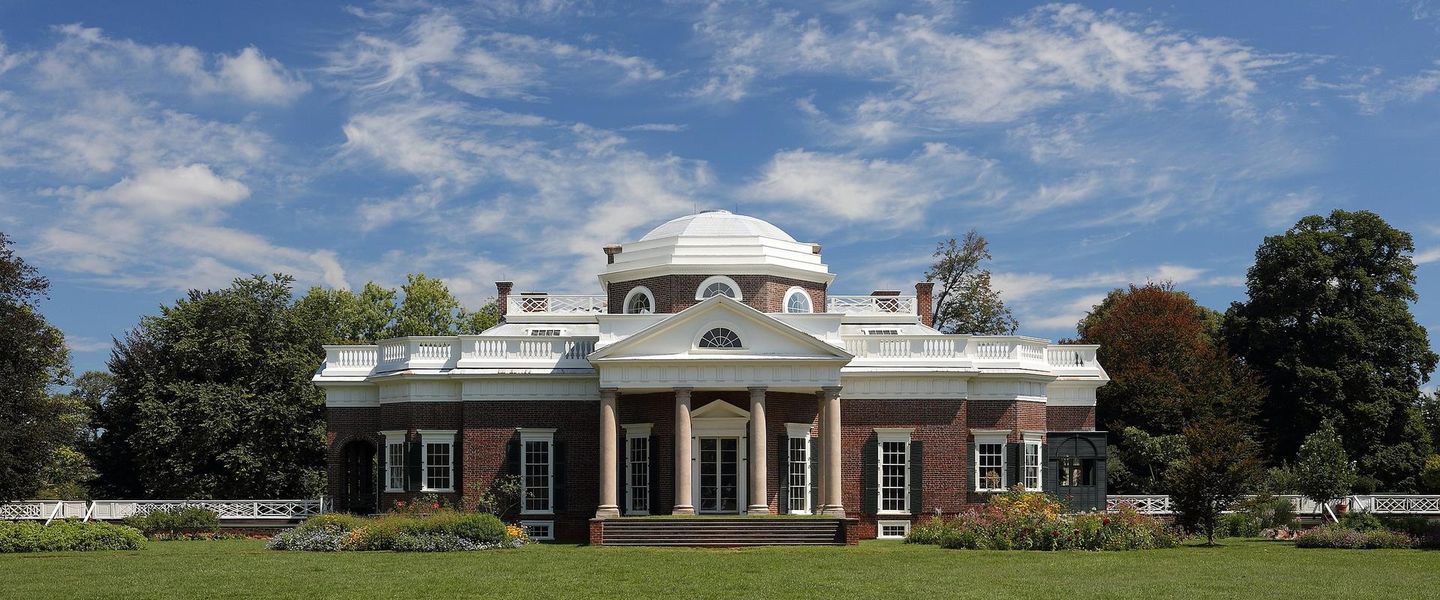


Central Virginia combines Richmond’s museums and James River, Charlottesville’s historic estates, Blue Ridge foothills, vineyards and Piedmont food culture.
Read more about Central Virginia
Getting to and around Central Virginia
How to get there
Transportation
Top city travel guides in Central Virginia
The cities of Central Virginia, and the easiest places to base yourself.
-
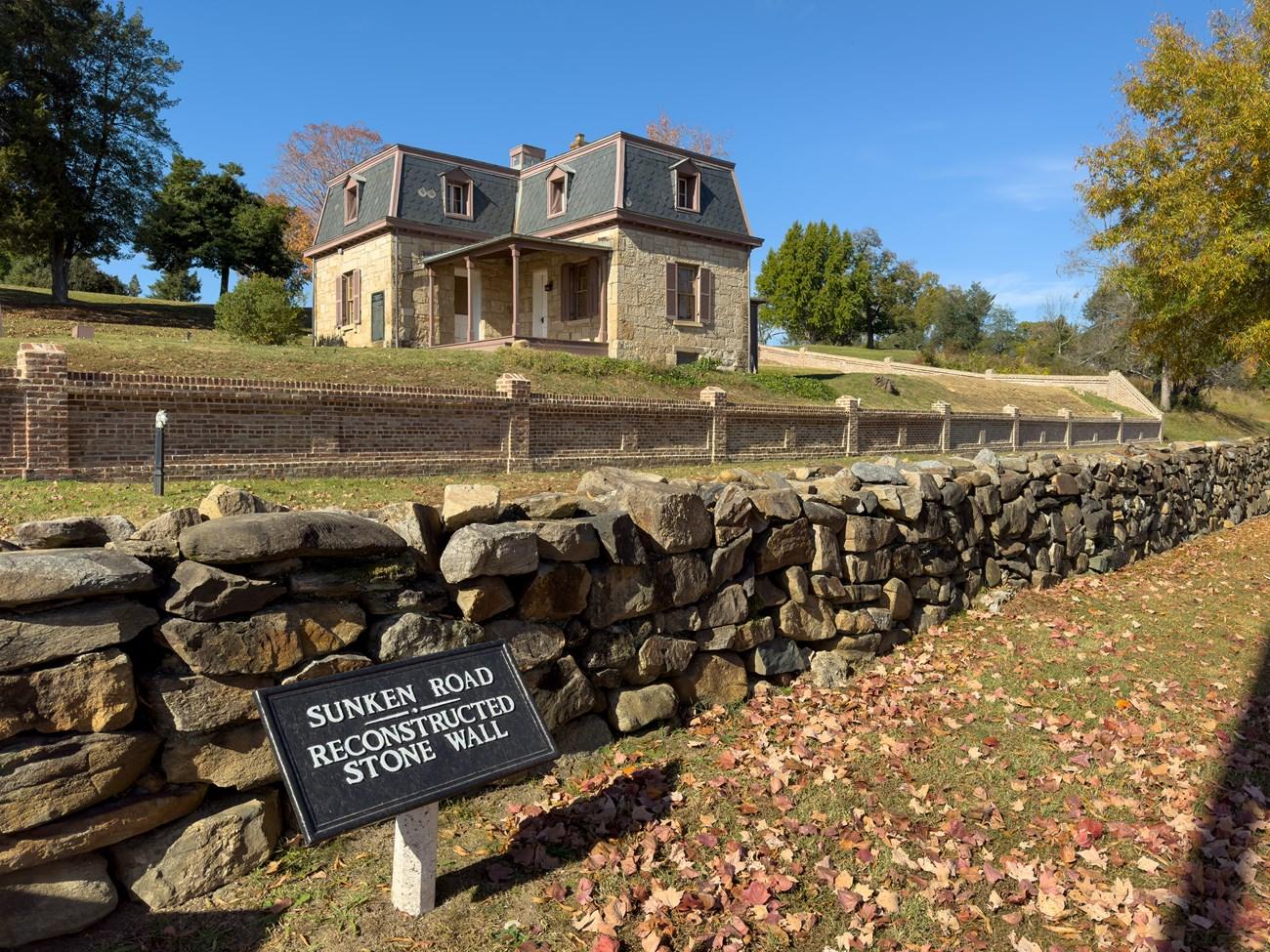 Fredericksburg
Discover Fredericksburg, Virginia: A historic gem with charming streets, vibrant arts, delicious cuisine, and natural beauty, perfect for history buffs, foodies, and nature lovers.
-

-

-


Swipe for more cities
Destinations in Central Virginia
Resorts, valleys and scenic spots worth a trip of their own.
-

-

-


Swipe for more destinations
Best attractions in Central Virginia
Central Virginia’s attractions range from major museums and historic neighbourhoods in Richmond to presidential estates, university architecture and rural tasting rooms around Charlottesville. Richmond’s James River Park System brings wooded islands, trails, overlooks and rapids close to the capital, while the Virginia Museum of Fine Arts and the American Civil War Museum provide substantial cultural and historical interpretation. Monticello is the region’s best-known historic estate, but Montpelier and smaller county museums broaden the story of Virginia’s political and plantation past. Lynchburg offers historic districts, riverfront trails and access to a landscape of wooded hills. Elsewhere, visitors can explore gardens, orchards, vineyards, breweries, farm shops, rail trails and country roads across the Piedmont. The western edge of the region leads towards the Blue Ridge, where hiking and scenic drives become more prominent. Attractions are widely distributed, so combining cultural visits with outdoor stops produces a more representative itinerary than concentrating solely on presidential history or urban museums.
-
Aquarium
Virginia Aquarium & Marine Science Center
Discover the Virginia Aquarium & Marine Science Center, a captivating journey through marine life, perfect for families and ocean enthusiasts in Virginia Beach.
-
Escape room center
Breakout Games
Experience the thrill of teamwork and adventure at Breakout Games in Richmond, Virginia, an unforgettable escape room attraction for all ages.
-
Miniature golf course
Pirate's Cove Adventure Golf of Williamsburg Virginia
Immerse yourself in an adventurous pirate-themed miniature golf experience at Pirate's Cove in Williamsburg, Virginia, perfect for families and friends!
-
 Historical landmark
Virginia State Capitol
Discover the architectural beauty and historical significance of the Virginia State Capitol, a must-see landmark in Richmond, Virginia.


Best landmarks in Central Virginia
The Virginia State Capitol in Richmond, designed in part by Thomas Jefferson, is a defining civic landmark and a reminder of the city’s long role as Virginia’s political centre. Nearby Monument Avenue has been reshaped by the removal of Confederate statues, and its changing appearance reflects current debates about public memory. The James River falls and Belle Isle form a significant natural and industrial landscape within Richmond, combining exposed rock, bridges, historic infrastructure and wooded riverbanks. Monticello, Thomas Jefferson’s hilltop home near Charlottesville, is both an architectural landmark and a place where the contradictions of American liberty and slavery are examined. The Rotunda and Lawn of the University of Virginia form one of the United States’ most influential early academic ensembles. Montpelier’s house and grounds in Orange County recall James and Dolley Madison, while Lynchburg’s historic Church Hill and Daniel’s Hill areas preserve the city’s distinctive hillside streetscape. Across the Piedmont, courthouse squares, brick tobacco warehouses, railway structures and Blue Ridge foothills provide a less monumental but equally characteristic visual record of Central Virginia.
-
National park
Shenandoah National Park
Explore the majestic Shenandoah National Park, where adventure meets serenity amidst breathtaking landscapes and abundant wildlife in Virginia.
-
Historical landmark
Monticello
Discover the architectural brilliance and historical significance of Monticello, Thomas Jefferson's iconic estate in Virginia, a must-visit for history lovers.
-
History museum
Colonial Williamsburg
Explore the rich history of America at Colonial Williamsburg, a living museum showcasing the vibrant life and culture of the 18th century.
-
History museum
Jamestown Settlement
Discover the origins of America at Jamestown Settlement, where history comes alive in a fascinating exploration of colonial life and culture.


Explore Central Virginia on the map
Plan your trip on one map. See where the top cities, national parks and sights are, and book hotels and experiences in a few clicks.
Best hotels in Central Virginia
Best restaurants in Central Virginia
Dining in Central Virginia reflects the region’s agricultural Piedmont setting and its three principal urban centres. Richmond has the broadest choice, from neighbourhood cafés and bakeries to restaurants drawing on Southern, international and contemporary American traditions. Charlottesville combines university-influenced dining with farm-focused restaurants, wine-country venues and independent coffee shops, while Lynchburg has a growing choice of casual restaurants, bakeries and locally minded dining rooms. Regional menus may feature Virginia peanuts, ham, oysters from the wider state, seasonal vegetables, apples, berries and stone fruit, though not every item is exclusive to Central Virginia. Farmers’ markets and farm shops are useful for discovering produce, cider, preserves and baked goods. Rural inns, breweries, wineries and cideries often provide food as well as drinks, but opening arrangements can be seasonal. Tipping follows United States norms for table service, and reservations are sensible at popular restaurants and estate-area venues.
-
Seafood
The Boathouse at Rocketts Landing
Discover exquisite seafood and stunning river views at The Boathouse at Rocketts Landing—Richmond's finest dining destination.
-
Seafood
The Boathouse at Short Pump Town Center
Experience exquisite seafood dining at The Boathouse in Richmond's Short Pump Town Center – where freshness meets flavor in a vibrant setting.
-
American
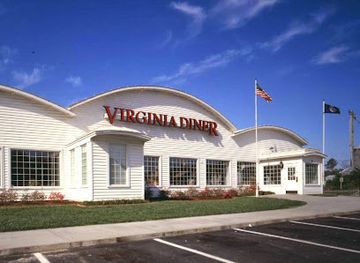
Virginia Diner
Savor authentic American comfort food at Virginia Diner – where every meal feels like home.
-
Southern
LUNCH.SUPPER!
Experience Richmond's finest Southern cuisine at LUNCH.SUPPER!, where tradition meets innovation in every delicious dish.



Best bars in Central Virginia
Evening life in Central Virginia is concentrated in Richmond, Charlottesville and, on a smaller scale, Lynchburg. Richmond offers the widest range of breweries, cocktail bars, traditional pubs, live-music rooms and late-evening venues, particularly in established commercial and entertainment areas, though the exact mix changes over time. Charlottesville’s nightlife is influenced by the University of Virginia, with bars, music venues, restaurants and cinemas serving both students and year-round residents. Lynchburg’s evenings are generally quieter, centred on restaurants, breweries, pubs and cultural events rather than a large nightclub scene. Across the countryside, wineries, cideries and breweries may host tastings or music at selected times, but visitors should check arrangements in advance and plan a safe journey back to their accommodation. Alcohol is not the only focus: theatres, galleries, concerts and seasonal festivals also contribute to the region’s evening culture.
-
Restaurant
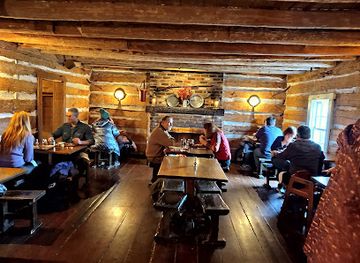
Michie Tavern ca. 1784
Discover the rich history and Southern flavors at Michie Tavern ca. 1784, a historic dining experience in Charlottesville, Virginia.
-
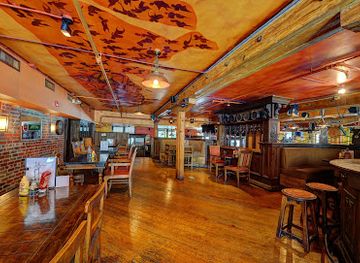
Bar
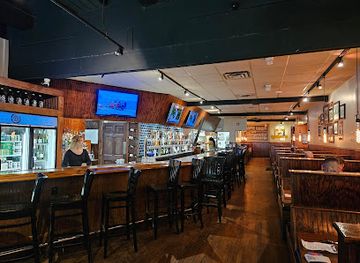
Capital Ale House
Discover Richmond's best local brews and German-inspired cuisine at Capital Ale House, a must-visit bar and restaurant in the heart of the city.
-
Pub
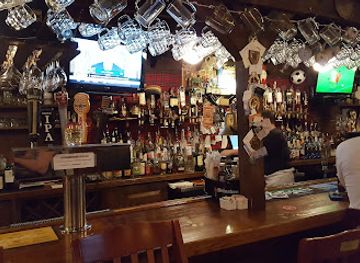
Penny Lane Pub
Discover Penny Lane Pub in Richmond, a lively destination offering a taste of Europe with delicious meals, unique drinks, and a welcoming atmosphere.
-
Irish pub
Siné Irish Pub
Discover the lively spirit of Ireland at Siné Irish Pub, where great food, craft beers, and live music create an unforgettable experience in Richmond.
Best nightclubs in Central Virginia
Evening life in Central Virginia is concentrated in Richmond, Charlottesville and, on a smaller scale, Lynchburg. Richmond offers the widest range of breweries, cocktail bars, traditional pubs, live-music rooms and late-evening venues, particularly in established commercial and entertainment areas, though the exact mix changes over time. Charlottesville’s nightlife is influenced by the University of Virginia, with bars, music venues, restaurants and cinemas serving both students and year-round residents. Lynchburg’s evenings are generally quieter, centred on restaurants, breweries, pubs and cultural events rather than a large nightclub scene. Across the countryside, wineries, cideries and breweries may host tastings or music at selected times, but visitors should check arrangements in advance and plan a safe journey back to their accommodation. Alcohol is not the only focus: theatres, galleries, concerts and seasonal festivals also contribute to the region’s evening culture.
-
Fusion restaurant
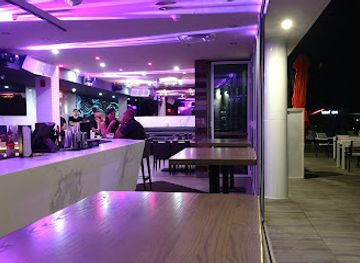
Kabana Rooftop
Experience the best of fusion cuisine with stunning views at Kabana Rooftop, Richmond's premier dining and nightlife destination.
-
Bar
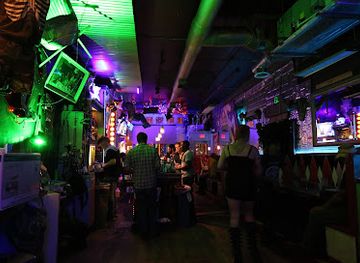
Wonderland
Experience the lively ambiance and eclectic charm of Wonderland, a premier bar in Richmond, VA, perfect for unforgettable nights.
-
Night club
Tropicabana
Discover the vibrant nightlife at Tropicabana, Richmond's premier night club, offering electrifying music, themed events, and a lively atmosphere for everyone.
-
Night club
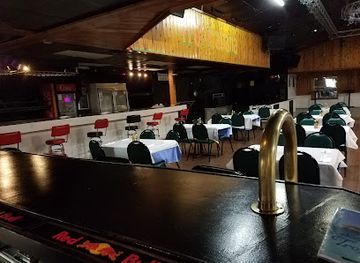
Fallout
Fallout is Richmond's top nightlife destination, offering a vibrant atmosphere, live music, and delicious food for an unforgettable night out.

Best shops in Central Virginia
Shopping in Central Virginia is strongest in the historic and commercial districts of Richmond, Charlottesville and Lynchburg, where independent bookshops, galleries, clothing stores, homeware shops and cafés occupy a mix of modern premises and reused historic buildings. Richmond has the region’s broadest urban retail choice, while Charlottesville’s Downtown Mall is a pedestrian-oriented centre with independent businesses, restaurants and cultural venues. Lynchburg’s historic downtown provides smaller-scale shopping alongside galleries and local services. Farmers’ markets across the region are good places to find Virginia produce, flowers, honey, preserves, baked goods, cider and locally made crafts, with availability varying by season and market day. Around Charlottesville and the Piedmont, winery and farm shops sell bottles, food products and gift items, while rural makers offer pottery, textiles, woodwork and artwork. Visitors should distinguish locally produced goods from generic souvenirs, and remember that Virginia sales tax is normally added at the till rather than included in displayed prices.
-
Outlet mall
Williamsburg Premium Outlets
Discover unbeatable deals at Williamsburg Premium Outlets, where shopping meets savings in a charming Virginia setting.
-
Shopping mall
Short Pump Town Center
Explore Short Pump Town Center: Richmond's premier shopping and dining destination with a vibrant atmosphere and diverse offerings.
-
Outlet mall
Norfolk Premium Outlets
Explore the Norfolk Premium Outlets for unbeatable deals on high-end brands in a vibrant outdoor shopping environment.
-
Outlet mall
Leesburg Premium Outlets
Explore unbeatable deals on your favorite brands at Leesburg Premium Outlets in Virginia, where shopping meets charm and savings.



Get your free copy of our complete guide to Central Virginia, delivered straight to you.
Everything on this page, from attractions and restaurants to essentials and local phrases, in one PDF you can read offline, print or share.
Already have an account? Sign in
Your Central Virginia guide is ready.
We'll send it to · Not you? Sign out

Getting your guide ready…
We are putting together a fresh copy of the Central Virginia guide. This can take up to a minute.
This can take a few moments. If your browser asks, choose Allow so the download can start. You'll find the guide in your Downloads folder.
Nothing happened? Download it again
Sorry, the guide is taking longer than usual. Please try again in a minute, or get it by email instead.
Central Virginia essentials
Currency and Payment
Safety
Emergency Situations
Do's and Don'ts
Local Tips
From Eve
Local phrases worth knowing
You don't need to get them perfect. A few words go a long way, and locals appreciate the effort.
Basics
| English | Local | Say it |
|---|---|---|
| Hello | Howdy | [Hau-dee] |
| Goodbye | See ya later | [See ya lay-ter] |
| Yes | Uh-huh | [Uh-huh] |
| No | Nah | [Nah] |
| Please/You're welcome | Sure thing | [Shur thing] |
| Thank you | Thanks a bunch | [Thanks a bunch] |
| Excuse me/Sorry | Pardon me | [Pardon me] |
| How are you? | How ya doin'? | [How ya doin'?] |
| Fine. And you? | I'm good. And you? | [I'm good. And you?] |
| Do you speak English? | Do ya speak English? | [Do ya speak English?] |
| I don't understand | I don't get it | [I don't get it] |
Eating & Drinking
| English | Local | Say it |
|---|---|---|
| I'd like to see the menu, please | Can I see the menu, please? | [Can I see the menu, please?] |
| I don't eat meat | I don't do meat | [I don't do meat] |
| Cheers! | Cheers! | [Cheers!] |
| I would like to pay, please | Can I get the check, please? | [Can I get the check, please?] |
Emergencies
| English | Local | Say it |
|---|---|---|
| Help! | Help! | [Help!] |
| Go away! | Leave me alone! | [Leave me alone!] |
| Call the Police! | Call the cops! | [Call the cops!] |
| Call a doctor! | Get a doctor! | [Get a doctor!] |
| I'm lost | I'm turned around | [I'm turned around] |
| I'm ill | I'm not feelin' well | [I'm not feelin' well] |
Shopping
| English | Local | Say it |
|---|---|---|
| I'd like to buy... | I wanna buy... | [I wanna buy...] |
| I'm just looking | I'm just browsin' | [I'm just browsin'] |
| How much is it? | What’s the price? | [What’s the price?] |
| That's too expensive | That's too pricey | [That's too pricey] |
| Can you lower the price? | Can ya bring the price down? | [Can ya bring the price down?] |
Time & Numbers
| English | Local | Say it |
|---|---|---|
| What time is it? | What time ya got? | [What time ya got?] |
| It's one o'clock | It's one o'clock | [It's one o'clock] |
| Half past (10) | Half past ten | [Half past ten] |
| Morning | Mornin' | [Mornin'] |
| Afternoon | Afternoon | [Afternoon] |
| Evening | Evenin' | [Evenin'] |
| Yesterday | Yesterday | [Yesterday] |
| Today | Today | [Today] |
| Tomorrow | Tomorrow | [Tomorrow] |
| 1 | One | [One] |
| 2 | Two | [Two] |
| 3 | Three | [Three] |
| 4 | Four | [Four] |
| 5 | Five | [Five] |
| 6 | Six | [Six] |
| 7 | Seven | [Seven] |
| 8 | Eight | [Eight] |
| 9 | Nine | [Nine] |
| 10 | Ten | [Ten] |
Transport & Directions
| English | Local | Say it |
|---|---|---|
| Where's a/the...? | Where's the closest...? | [Where's the closest...?] |
| What's the address? | What's the address? | [What's the address?] |
| Can you show me (on the map)? | Can ya show me on the map? | [Can ya show me on the map?] |
| When's the next (bus)? | When's the next bus? | [When's the next bus?] |
| A ticket (to ....) | A ticket to... | [A ticket to...] |
History of Central Virginia
Indigenous Homelands and Monacan Heritage
Central Virginia has long been home to Indigenous peoples, including the Monacan Indian Nation, whose historic territory centres on the upper James River and the region around present-day Amherst and Lynchburg. Indigenous communities developed sophisticated relationships with the river valleys, forests and cultivated landscapes before European colonisation. Later settlement, dispossession and disease profoundly altered those societies, but Indigenous history did not end with colonisation. The Monacan Indian Nation remains a federally recognised community, and museums, cultural programmes and archaeological interpretation provide important context for understanding the region beyond its colonial landmarks.
Colonial Settlement and the Piedmont
During the seventeenth and eighteenth centuries, English settlement expanded westwards from Virginia’s tidewater into the Piedmont. Tobacco cultivation, land speculation and plantation agriculture reshaped river valleys and brought enslaved Africans into the region in large numbers. Charlottesville and surrounding Albemarle County developed in this period, while Richmond grew at the falls of the James, a strategic location for mills, trade and transport. The colonial landscape was not simply a story of wealthy planters: it also included small farmers, enslaved workers, craftspeople, merchants and Indigenous communities whose lives were affected by expanding settlement.
Revolutionary Virginia and the Early Republic
Central Virginia was closely associated with the political and intellectual formation of the United States. Thomas Jefferson’s Monticello overlooks Charlottesville, while James Madison’s Montpelier lies in nearby Orange County. Jefferson, Madison and other Virginia politicians shaped the new republic’s institutions, although their ideals of liberty coexisted with slaveholding and racial exclusion. The University of Virginia, founded in Charlottesville in the early nineteenth century, extended this political and educational legacy. Its design and academic ambitions helped establish Charlottesville as one of the state’s principal intellectual centres.
Richmond as Capital and Commercial Centre
Richmond became Virginia’s capital in 1780 and grew around the falls of the James River. Its river power, mills, warehouses, tobacco commerce and transport links supported rapid economic development. Banks, foundries, railways and factories later strengthened the city’s position as a commercial and industrial centre. This prosperity depended heavily on enslaved labour and the domestic slave trade, and Richmond became one of the most important slave-trading markets in the American South. The city’s historic districts, river infrastructure, museums and archaeological sites reflect both commercial expansion and the human cost of that economy.
The Civil War and Its Regional Legacy
Central Virginia was a major theatre of the American Civil War because Richmond served as the capital of the Confederacy. The city’s wartime manufacturing, hospitals, railways and defensive earthworks linked it to campaigns across the surrounding countryside. Battles occurred in and around Richmond, while Charlottesville and Lynchburg were affected by military movement, supply networks and wartime hospitals. Emancipation transformed the region during and after the conflict, but Reconstruction and the following decades brought political violence, segregation and contested memories. Civil War sites and museums remain important, but interpretation increasingly places military history alongside slavery, emancipation and civilian experience.
Railways, Manufacturing and Urban Growth
Nineteenth-century railways connected Richmond and Lynchburg with the wider South and Atlantic economy, encouraging manufacturing, warehousing and population growth. Lynchburg prospered as a transport junction and tobacco and manufacturing centre, while Richmond expanded its industrial districts along the James. Rail access also helped agricultural producers in the Piedmont reach urban markets. The resulting warehouses, viaducts, railway corridors and factory buildings are now prominent elements of the region’s built heritage. In the twentieth century, changes in manufacturing and transport altered these cities, leaving former industrial areas available for adaptive reuse and cultural development.
Civil Rights and Changing Public Memory
The civil-rights era brought sustained challenges to segregation in Central Virginia. Richmond, Charlottesville and Lynchburg were shaped by school desegregation battles, Black educational institutions, community organising and legal challenges to discriminatory systems. Sites associated with this history include museums, churches, schools and neighbourhoods as well as formal monuments. In recent decades, the region has also reconsidered Confederate memorials and the interpretation of plantation landscapes. This continuing process has changed the visitor experience: historic places increasingly address the lives of enslaved people, African Americans, Indigenous communities, women and working families alongside prominent political figures.
Central Virginia in Photos
Browse through our photo collection highlighting the charm and character of the destination.
Neighbouring regions of Central Virginia
The closest regions to Central Virginia, if you have time for more than one.
-

-

-

-

-


Swipe for more regions
Explore more

Explore more of Virginia
Discover Virginia: A blend of historic landmarks, natural beauty, and vibrant culture perfect for history buffs, nature lovers, and culture seekers.
Explore Virginia