

Free Piedmont Travel Guide & Mobile App
Explore Piedmont with free travel guides. Discover regional history, expert tips, proposed trips, and audio guides on web or mobile app.


Piedmont Virginia combines presidential estates, Civil War history, rolling farmland, river landscapes, vineyards and cultural cities between Richmond and the Blue Ridge.
Read more about Piedmont
Getting to and around Piedmont
How to get there
Transportation
Top city travel guides in Piedmont
The cities of Piedmont, and the easiest places to base yourself.
-
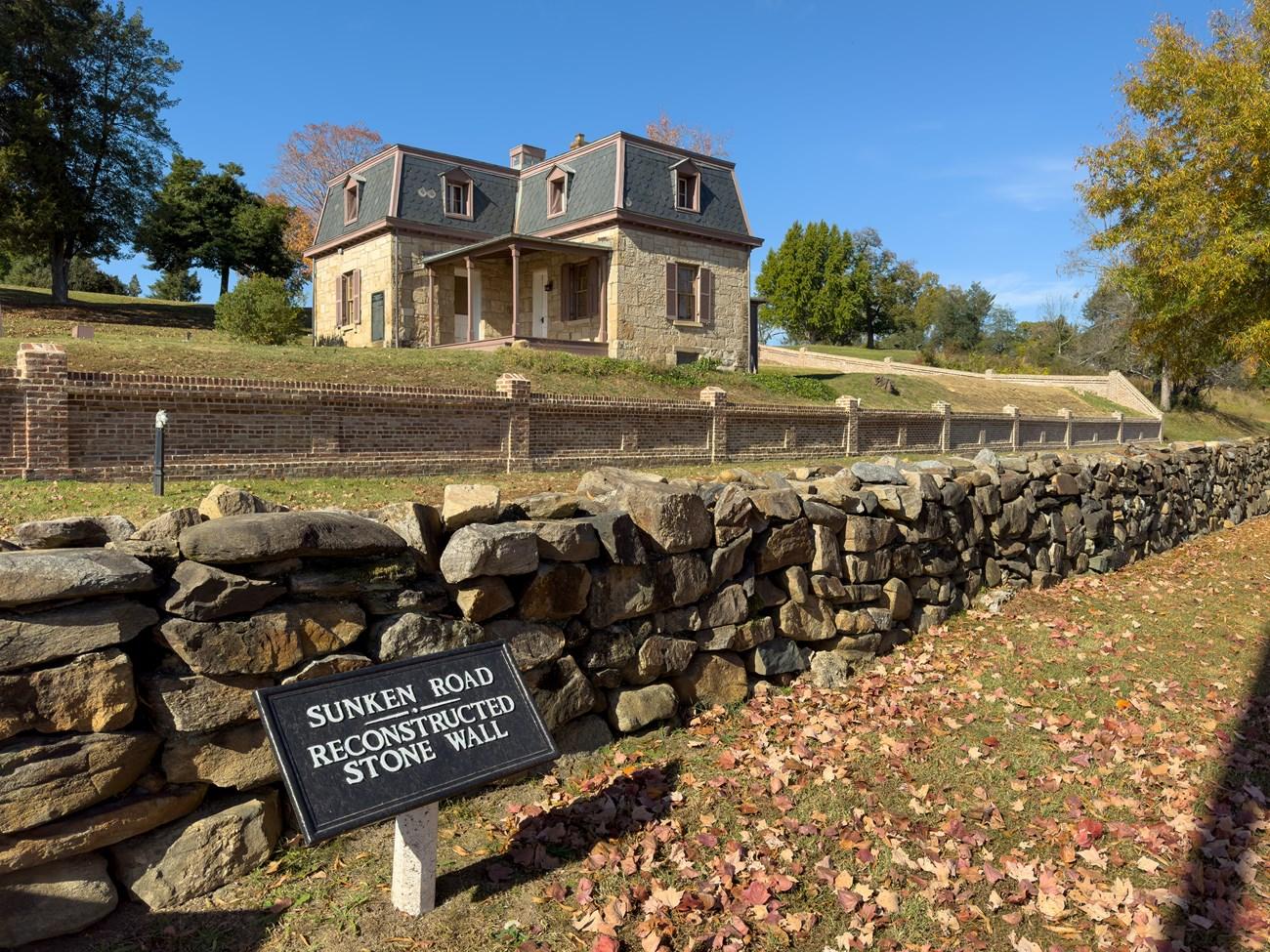 Fredericksburg
Discover Fredericksburg, Virginia: A historic gem with charming streets, vibrant arts, delicious cuisine, and natural beauty, perfect for history buffs, foodies, and nature lovers.
Fredericksburg
Discover Fredericksburg, Virginia: A historic gem with charming streets, vibrant arts, delicious cuisine, and natural beauty, perfect for history buffs, foodies, and nature lovers.
-

-

-


Swipe for more cities
Destinations in Piedmont
Resorts, valleys and scenic spots worth a trip of their own.
-

-

-

-


Swipe for more destinations
Best attractions in Piedmont
Piedmont Virginia’s attractions are spread across a landscape where historic estates, battlefields, rivers and working countryside sit alongside substantial urban cultural institutions. Around Charlottesville, Monticello, James Monroe’s Highland and the University of Virginia offer different perspectives on the early republic, while nearby vineyards, farms and scenic roads make it easy to combine heritage with food and landscape. Orange County is home to Montpelier, James Madison’s estate, and the surrounding countryside has a strong agricultural and equestrian character. Richmond contributes major museums, galleries, historic neighbourhoods and James River parks, while Fredericksburg and the surrounding battlefields illuminate the region’s colonial and Civil War past. Farther west and south, visitors find smaller museums, historic courthouses, rail and industrial remnants, canoeing on sections of the James and Rivanna, and trails through woods and open farmland. The region is better suited to several focused excursions than a checklist of isolated sights: a presidential estate, a local town, a riverside walk and a farm or vineyard often provide a more balanced day than travelling between distant headline attractions.
-
National park
Shenandoah National Park
Discover the breathtaking scenery and diverse wildlife of Shenandoah National Park, a must-visit destination in Virginia for outdoor enthusiasts.
-
Visitor center
Harry F. Byrd, Sr. Visitor Center
Explore the scenic beauty and rich history of Shenandoah National Park at the Harry F. Byrd, Sr. Visitor Center, your gateway to adventure.
-
Historical landmark
James Madison's Montpelier
Experience the rich history of James Madison's Montpelier, a historical landmark that combines education, hiking, and breathtaking Virginia landscapes.
-
Mountain peak
Old Rag Mountain
Explore Old Rag Mountain, a stunning peak in Virginia offering breathtaking views and thrilling hiking trails for all adventure seekers.



Best landmarks in Piedmont
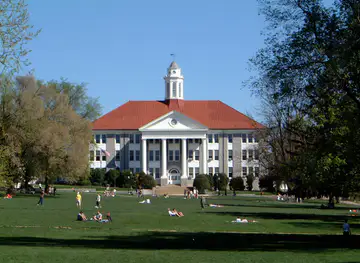
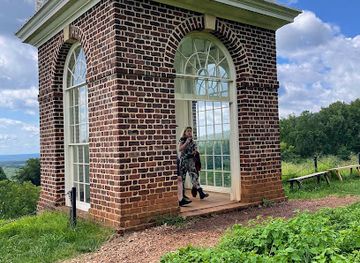
Monticello is Piedmont Virginia’s most recognisable architectural landmark, its neoclassical house and hilltop setting expressing Thomas Jefferson’s interests in design, agriculture and the early republic while also documenting the lives of enslaved people at the estate. Nearby, the University of Virginia’s Rotunda and Lawn form one of the country’s most influential early academic landscapes and remain central to Charlottesville’s identity. Montpelier in Orange County is a major presidential and architectural landmark associated with James Madison, with restored spaces and grounds that place the house within a wider plantation and enslaved-community history. Richmond’s Virginia State Capitol, designed in part by Jefferson, marks the eastern urban edge of the region, while the James River provides an important natural landmark through the city and its surrounding countryside. In the Fredericksburg area, Chatham Manor and the historic core of Fredericksburg connect domestic architecture, colonial development and Civil War memory. Across the region, courthouse squares, country churches, historic cemeteries and long views over Piedmont farmland provide a less monumental but equally revealing sense of place.
-
Tourist attraction
Luray Caverns
Explore Luray Caverns, Virginia's magnificent underground wonder, featuring stunning formations and rich geological history in a breathtaking setting.
-
 National park
Shenandoah National Park
Experience the breathtaking beauty of Shenandoah National Park in Virginia, where stunning landscapes and outdoor adventures await every visitor.
-
Historical landmark
George Washington's Mount Vernon
Explore George Washington's Mount Vernon, a historical landmark that immerses you in the life and legacy of America's first president amidst breathtaking scenery.
-
Historical landmark
Monticello
Explore Monticello, the historic estate of Thomas Jefferson, a UNESCO World Heritage site rich in history, architecture, and stunning landscapes.

Explore Piedmont on the map
Plan your trip on one map. See where the top cities, national parks and sights are, and book hotels and experiences in a few clicks.
Best hotels in Piedmont
Best restaurants in Piedmont
Dining in Piedmont Virginia reflects both its agricultural base and the influence of nearby Richmond and Charlottesville. Menus commonly feature locally raised beef and pork, Virginia ham, poultry, seasonal vegetables, apples, peanuts, corn and berries, while trout and other river or regional products appear alongside broader Southern and American cooking. Charlottesville and Richmond have the widest choice of contemporary restaurants, cafés, bakeries, breweries and chef-led kitchens, whereas smaller towns and rural districts are more likely to centre on independent restaurants, diners, farm shops and traditional inns. Vineyard tasting rooms often pair local wines with cheese, cured meats or seasonal plates, and farmers’ markets provide a direct route to produce and prepared foods. Virginia wine, cider, craft beer and spirits are prominent parts of the modern food scene, but the region’s culinary identity also rests on everyday agricultural ingredients and longstanding traditions rather than on formal fine dining alone.
-
Seafood
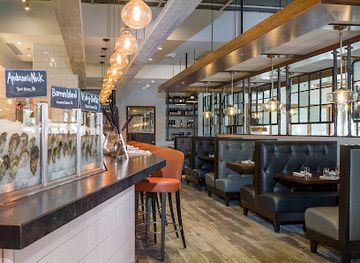
The Boathouse at Short Pump Town Center
Discover exceptional seafood dining at The Boathouse at Short Pump Town Center—where fresh flavors meet elegant surroundings.
-
American
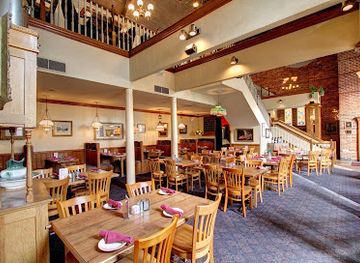
Freemason Abbey Restaurant
Experience exquisite American cuisine and seafood in a historic church setting at Freemason Abbey Restaurant in Norfolk.
-
Restaurant
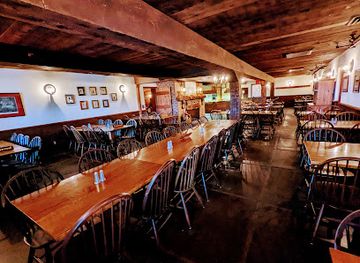
Michie Tavern ca. 1784
Experience authentic Southern cuisine and rich Virginia history at Michie Tavern ca. 1784 – a charming restaurant and historical landmark.
-
Breakfast
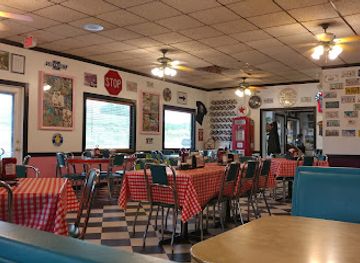
The Pink Cadillac Diner
Experience retro charm and delicious breakfasts at The Pink Cadillac Diner in Natural Bridge, Virginia - where nostalgia meets flavor.
Best bars in Piedmont
Evening life varies sharply across Piedmont Virginia. Richmond has the region’s broadest urban choice, including neighbourhood bars, breweries, cocktail rooms, live music venues and late-night entertainment, while Charlottesville has a concentrated scene shaped by university life, restaurants, breweries and performances. Fredericksburg also offers bars, restaurants and music venues in and around its historic centre. Outside these cities, nightlife is generally quieter and more social than club-oriented: traditional pubs, brewpubs, wine-tasting rooms, cideries, rural restaurants and occasional live-music events provide the main evening options. Tasting-room hours and entertainment programmes can be seasonal, so checking directly is sensible. Rural accommodation may be some distance from the nearest venue, making a planned driver or taxi arrangement important when alcohol is involved.
-
Restaurant
Michie Tavern ca. 1784
Discover the rich history and delicious Southern cuisine at Michie Tavern, a historic landmark in Charlottesville, Virginia.
-
Seafood
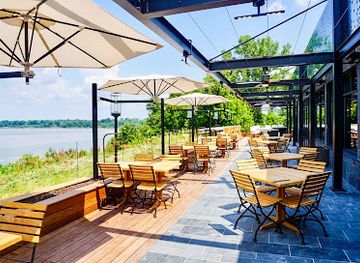
The Boathouse at City Point
Experience exquisite seafood dining with stunning waterfront views at The Boathouse at City Point, Hopewell's premier seafood destination.
-
Southern
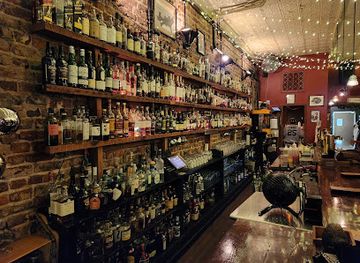
The Whiskey Jar
Discover the rich flavors of Southern cuisine and an extensive whiskey selection at The Whiskey Jar in Charlottesville, VA.
-
American
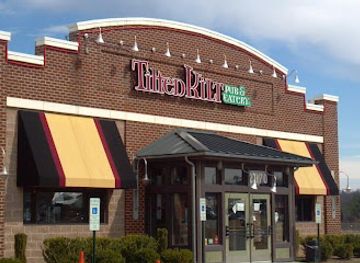
Tilted Kilt
Experience the vibrant spirit of American dining at Tilted Kilt, where hearty meals and lively entertainment come together in Prince George.

Best nightclubs in Piedmont
-
Grill
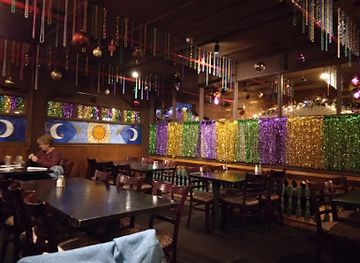
Mill Street Grill
Discover the flavors of Virginia at Mill Street Grill, Staunton's top destination for barbecue, seafood, and gluten-free dining.
-
Bar
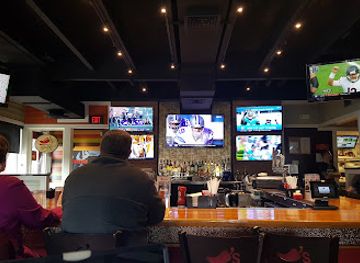
Chili's Grill & Bar
Experience a delicious blend of American and Tex-Mex flavors at Chili's Grill & Bar in Staunton, a perfect dining spot for families and friends.
-
Bar
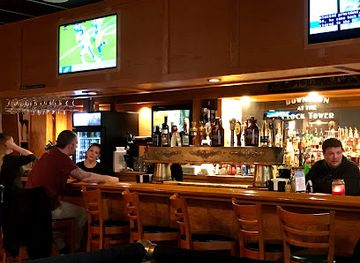
Clocktower Eats & Sweets
Discover the perfect blend of family dining and vibrant bar atmosphere at Clocktower Eats & Sweets in Staunton, Virginia.
-
Bar
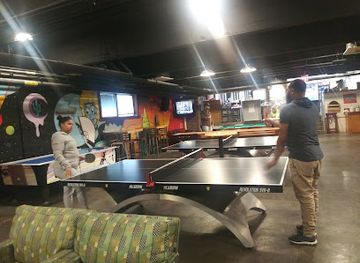
Ruby's Arcade
Experience the thrill of gaming and delicious barbecue at Ruby's Arcade in Harrisonburg, VA - the ultimate destination for fun and food.
Best shops in Piedmont
-
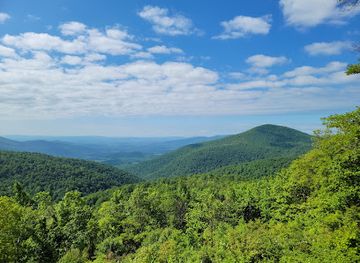
National park
Shenandoah National Park
Explore the stunning wilderness of Shenandoah National Park in Virginia, a haven for hikers, campers, and nature lovers.
-
Shopping mall
Central Park
Discover a vibrant shopping haven at Central Park in Fredericksburg, where big names meet charming boutiques and delightful dining options.
-
Shopping mall
Spotsylvania Towne Centre
Discover the vibrant retail and entertainment hub at Spotsylvania Towne Centre, a must-visit shopping destination in Fredericksburg, Virginia.
-
Shopping mall
Valley Mall
Explore Valley Mall in Harrisonburg, Virginia - your go-to destination for shopping, dining, and entertainment.
Get your free copy of our complete guide to Piedmont, delivered straight to you.
Everything on this page, from attractions and restaurants to essentials and local phrases, in one PDF you can read offline, print or share.
Already have an account? Sign in
Your Piedmont guide is ready.
We'll send it to · Not you? Sign out

Getting your guide ready…
We are putting together a fresh copy of the Piedmont guide. This can take up to a minute.
This can take a few moments. If your browser asks, choose Allow so the download can start. You'll find the guide in your Downloads folder.
Nothing happened? Download it again
Sorry, the guide is taking longer than usual. Please try again in a minute, or get it by email instead.
Piedmont essentials
Currency and Payment
Safety
Emergency Situations
Do's and Don'ts
Local Tips
From Eve
Local phrases worth knowing
You don't need to get them perfect. A few words go a long way, and locals appreciate the effort.
Basics
| English | Local | Say it |
|---|---|---|
| Hello | Howdy | [How-dee] |
| Goodbye | See ya | [See yah] |
| Yes | Yep | [Yep] |
| No | Nope | [Nope] |
| Please/You're welcome | Please/You bet | [Pleez/You bet] |
| Thank you | Thanks a lot | [Thangs a lot] |
| Excuse me/Sorry | Pardon me/Sorry | [Par-don me/Sor-ree] |
| How are you? | How ya doin'? | [How ya doin'?] |
| Fine. And you? | I'm good. How 'bout you? | [I'm good. How 'bout you?] |
| Do you speak English? | Ya speakin' English? | [Ya speakin' English?] |
| I don't understand | I ain't gettin' it | [I ain't gettin' it] |
Eating & Drinking
| English | Local | Say it |
|---|---|---|
| I'd like to see the menu, please | Can I see the menu, please? | [Can I see the menu, pleez?] |
| I don't eat meat | I don’t eat meat | [I don’t eat meat] |
| Cheers! | Cheers! | [Cheers!] |
| I would like to pay, please | Can I pay, please? | [Can I pay, pleez?] |
Emergencies
| English | Local | Say it |
|---|---|---|
| Help! | Help! | [Help!] |
| Go away! | Get outta here! | [Get outta here!] |
| Call the Police! | Call the cops! | [Call the cops!] |
| Call a doctor! | Get a doctor! | [Get a doctor!] |
| I'm lost | I’m lost | [I’m lost] |
| I'm ill | I’m sick | [I’m sick] |
Shopping
| English | Local | Say it |
|---|---|---|
| I'd like to buy... | I wanna buy... | [I wanna buy...] |
| I'm just looking | Just lookin' | [Just lookin'] |
| How much is it? | What’s the price? | [What’s the price?] |
| That's too expensive | That’s too pricey | [That’s too pricey] |
| Can you lower the price? | Can ya drop the price? | [Can ya drop the price?] |
Time & Numbers
| English | Local | Say it |
|---|---|---|
| What time is it? | What time is it? | [What time is it?] |
| It's one o'clock | It's one o'clock | [It's one o'clock] |
| Half past (10) | Half past ten | [Half past ten] |
| Morning | Mornin' | [Mornin'] |
| Afternoon | Afternoon | [Afternoon] |
| Evening | Evenin' | [Evenin'] |
| Yesterday | Yesterday | [Yesterday] |
| Today | Today | [Today] |
| Tomorrow | Tomorrow | [Tomorrow] |
| 1 | One | [One] |
| 2 | Two | [Two] |
| 3 | Three | [Three] |
| 4 | Four | [Four] |
| 5 | Five | [Five] |
| 6 | Six | [Six] |
| 7 | Seven | [Seven] |
| 8 | Eight | [Eight] |
| 9 | Nine | [Nine] |
| 10 | Ten | [Ten] |
Transport & Directions
| English | Local | Say it |
|---|---|---|
| Where's a/the...? | Where's a...? | [Where's a...?] |
| What's the address? | What’s the address? | [What’s the address?] |
| Can you show me (on the map)? | Can ya show me on the map? | [Can ya show me on the map?] |
| When's the next (bus)? | When’s the next bus? | [When’s the next bus?] |
| A ticket (to ....) | A ticket to ... | [A ticket to ...] |
History of Piedmont
Indigenous Piedmont and Monacan Homelands
Long before English settlement, central Virginia was inhabited and shaped by Indigenous peoples, including the Monacan people whose historic homeland centred on the upper James and Rivanna valleys. Other communities connected to the wider Powhatan and Siouan-speaking worlds also used the region for settlement, hunting, cultivation and exchange. European colonisation brought disease, dispossession and profound political change, but Indigenous presence did not disappear. The Monacan Indian Nation remains based in Amherst County, on the western side of the Piedmont, and contemporary history, cultural education and archaeology continue to challenge accounts that once treated the region as an empty frontier.
Colonial Agriculture and the Tobacco Economy
From the seventeenth century, English settlement expanded westward from the Tidewater into the Piedmont along navigable rivers and developing roads. Tobacco became a major cash crop, and plantations, small farms and trading communities grew around its production and export. The labour system depended increasingly on the enslavement of Africans and African Americans, whose agricultural knowledge, labour and family lives shaped the region even while the law denied their freedom. Courthouses, churches, estate landscapes and surviving archaeological sites reflect this colonial order, as do the later civic and economic institutions established in towns such as Charlottesville, Orange and Culpeper.
Revolution and the Early Republic
Piedmont Virginia became closely associated with the political and intellectual formation of the United States. Thomas Jefferson’s Monticello near Charlottesville, James Madison’s Montpelier in Orange County and James Monroe’s Highland all reveal different aspects of the early republic, from constitutional debate and religious liberty to diplomacy and presidential politics. Jefferson also founded the University of Virginia, whose original academical village opened in 1825. These achievements were made possible within a society still marked by slavery, and the estates’ current interpretation increasingly examines the enslaved communities and labour systems that supported their owners.
Canals, Railways and Expanding Towns
During the nineteenth century, transport improvements altered the Piedmont’s relationship with markets. The James River and Kanawha Canal connected the interior to Richmond, while railways later linked agricultural districts with larger towns and ports. Charlottesville, Lynchburg, Richmond and smaller county seats gained commercial importance, and flour, tobacco, grain, livestock and other goods moved through increasingly organised networks. The railway also carried people, mail and military supplies, helping towns grow beyond their courthouse and market functions. Industrial development was stronger in Richmond and Lynchburg than in the rural interior, but transport infrastructure influenced the whole region.
Civil War in Central Virginia
Piedmont Virginia was a major theatre of the American Civil War because its roads, railways, farms and river crossings connected Richmond with the Shenandoah Valley and the wider Confederacy. Battles at Fredericksburg, Chancellorsville and the Wilderness took place in or near the region, while the Confederate capital at Richmond became the focus of military and political power. The conflict devastated communities, disrupted agriculture and led to emancipation. Battlefield landscapes and museums now preserve parts of this history, but the war is also remembered through African American freedom narratives, refugee movements, military hospitals and the difficult post-war rebuilding of local society.
Emancipation, Reconstruction and the Black Community
After emancipation, African Americans in Piedmont Virginia built churches, schools, businesses, farms and political organisations despite violence, segregation and the loss or restriction of economic opportunity. Freedpeople’s communities became central to local life, and institutions such as historically Black schools and churches provided education, worship and mutual support. The twentieth century brought the Great Migration, desegregation struggles and changing rural economies. Historic Black neighbourhoods, cemeteries, school buildings and oral histories remain important reminders that the region’s story is not limited to presidential estates, plantation owners or battlefield commanders.
Modern Agriculture, Conservation and Wine Country
The rise of mechanised agriculture, improved roads and suburban growth transformed Piedmont Virginia during the twentieth century. Tobacco declined, while cattle, poultry, orchards, speciality crops and equestrian enterprises became more prominent in different districts. Since the late twentieth century, vineyards and tasting rooms have expanded, particularly around Charlottesville and the foothills, supported by the state’s developing wine industry and the region’s varied elevations. Historic preservation, river conservation and farmland protection have also become important parts of the modern landscape, balancing tourism and residential growth with the continuing needs of working farms and rural communities.
Piedmont in Photos
Browse through our photo collection highlighting the charm and character of the destination.
Neighbouring regions of Piedmont
The closest regions to Piedmont, if you have time for more than one.
-

-

-

-

-


Swipe for more regions
Explore more

Explore more of Virginia
Discover Virginia: A blend of historic landmarks, natural beauty, and vibrant culture perfect for history buffs, nature lovers, and culture seekers.
Explore Virginia