

Spokane River Travel Guide - Free Web & App
Your ultimate guide to Spokane River. Discover top landmarks, proposed trips, and local tips. Free on the web or via the Evendo companion app.


Explore the Spokane River in Washington for dramatic falls, riverside parks, cycling trails, wildlife, reservoirs and Inland Northwest history.
A River Across Eastern Washington
The Spokane River is one of eastern Washington’s defining waterways, flowing west from Lake Coeur d’Alene in Idaho through Post Falls and Spokane before reaching the Columbia River at Lake Roosevelt. Within Washington, its course links forested shorelines, basalt landscapes, urban parks, historic industrial sites and reservoirs shaped by hydroelectric development. The river is not a single compact park or tourism district, but a broad corridor best explored through several gateway communities, including Spokane Valley, Spokane, Nine Mile Falls and places around Lake Spokane.Read more about Spokane River
Falls, Parks and River Communities
History and Outdoor Life
When is the best time to visit Spokane River?
Best: July–September · 22–27°C| Month | High (°C) | Rainfall (mm) |
|---|---|---|
| January | 2 | 51 |
| February | 4 | 39 |
| March | 9 | 39 |
| April | 14 | 36 |
| May | 18 | 39 |
| June | 22 | 33 |
| July (best) | 27 | 13 |
| August (best) | 27 | 15 |
| September (best) | 22 | 20 |
| October | 15 | 41 |
| November | 9 | 54 |
| December | 2 | 54 |
Getting to and around Spokane River
How to get there
Transportation
Best attractions in Spokane River
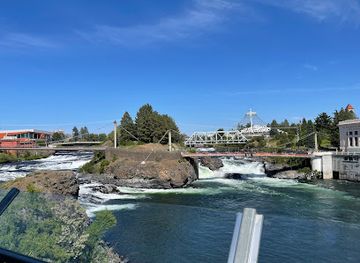
The most accessible introduction to the Spokane River is Spokane Falls, where moving water passes through the city beside Riverfront Park, bridges, public art and former industrial land. West of downtown, Riverside State Park follows the river through pine-covered hills and basalt terrain, with trails and recreation areas near sections such as Bowl and Pitcher. The Centennial Trail links riverside landscapes through Spokane and Spokane Valley before continuing towards the Idaho border, making it suitable for walking and cycling on selected sections. Upstream, the river descends dramatically at Post Falls in Idaho, outside Washington but closely connected to the river’s regional identity. Downstream from Spokane, the broad waters of Lake Spokane offer a reservoir setting for boating, fishing and lakeside recreation, while Nine Mile Recreation Area provides access to another distinct section of the river. Urban museums, historic districts and cultural institutions in Spokane add context to the waterway’s Indigenous, industrial and environmental history.
-
Tourist attraction
Riverfront Park
Experience the natural beauty and cultural richness of Riverfront Park, Spokane's centerpiece for outdoor adventure and relaxation.
-
Tourist attraction
Manito Park
Explore the natural beauty and tranquility of Manito Park in Spokane, a stunning urban oasis featuring diverse gardens and serene landscapes.
-
Tourist attraction
Northwest Museum of Arts & Culture
Explore the Northwest Museum of Arts & Culture for a unique blend of local history, stunning art exhibitions, and delightful café experiences in Spokane.
-
State park
Riverside State Park
Discover the beauty of Riverside State Park, a natural gem in Washington offering outdoor adventures, stunning landscapes, and diverse wildlife.
Best landmarks in Spokane River
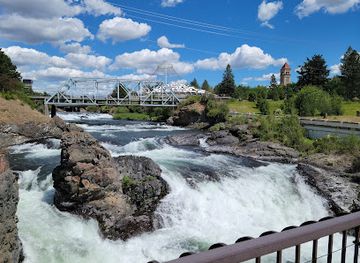
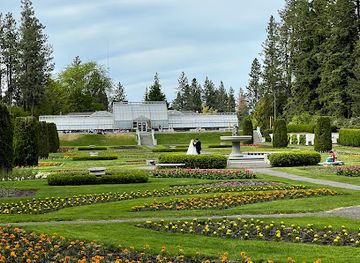
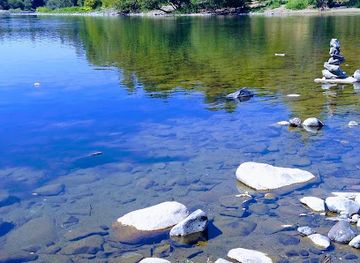
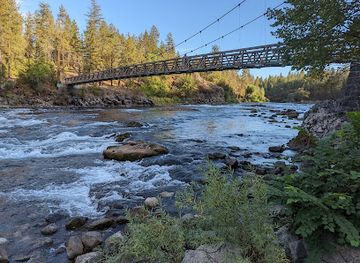
Spokane Falls is the river’s defining urban landmark, with powerful cascades and rapids visible from Riverfront Park, bridges and viewpoints around downtown Spokane. The falls also express the relationship between the city’s growth and the river’s long-used water power. Farther west, the Bowl and Pitcher area in Riverside State Park is recognised for its dark basalt formations, wooded banks and a footbridge crossing a narrower, more turbulent section of the river. Nine Mile Falls and Long Lake Dam are major human-made landmarks of the river’s hydroelectric history, with the latter creating the broad reservoir known as Lake Spokane. At the eastern end of the regional corridor, Post Falls in Idaho marks the river’s descent from Lake Coeur d’Alene, while the surrounding basalt country and extensive reservoir shorelines reveal the geological and engineered forces that have shaped the waterway.
-
Hotel
The Historic Davenport, Autograph Collection
Experience the timeless elegance of The Historic Davenport, a luxurious hotel in Spokane, blending rich history with modern amenities for an unforgettable stay.
-
Campground
Riverside State Park - Bowl and Pitcher Area
Discover Riverside State Park - Bowl and Pitcher Area, a stunning outdoor haven in Spokane, offering hiking trails, breathtaking views, and serene picnic spots.
-
History museum
Northwest Museum of Arts & Culture
Explore the Northwest Museum of Arts & Culture in Spokane, where art, history, and local heritage come alive through engaging exhibits and programs.
-
State park
Little Spokane River Natural Area
Discover the natural beauty of Little Spokane River Natural Area, a tranquil state park perfect for hiking, wildlife viewing, and enjoying the outdoors.
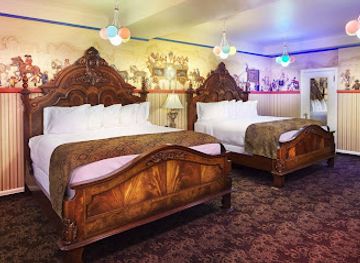
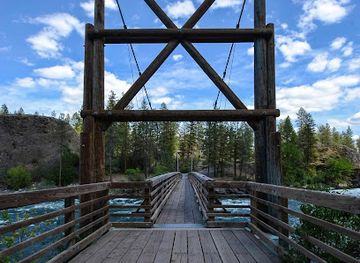
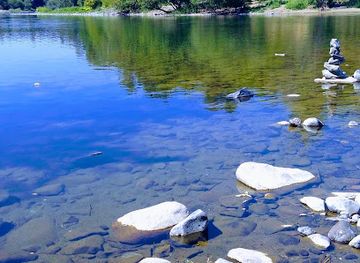
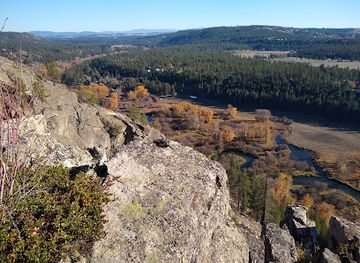
Explore Spokane River on the map
Plan your trip on one map. See where the top attractions, landmarks, restaurants and hotels are, and book hotels and experiences in a few clicks.
Best hotels in Spokane River
Best restaurants in Spokane River
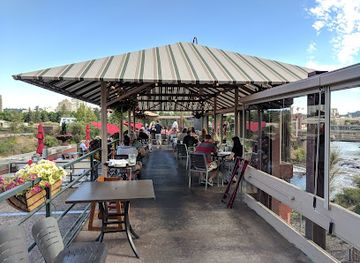
Dining opportunities are concentrated in Spokane, Spokane Valley and the gateway communities along the river rather than at the more remote parks and reservoirs. Spokane’s central districts provide the broadest choice, from cafés and independent restaurants to breweries and establishments drawing on Inland Northwest produce, wheat, apples, berries and locally raised meats. Around Spokane Valley and Liberty Lake, visitors will find neighbourhood restaurants and everyday dining convenient for trail and river excursions. Near Riverside State Park and Lake Spokane, supplies and prepared food may be limited, so a picnic or provisions from Spokane can be practical, provided visitors follow park rules and remove waste. Post Falls and Coeur d’Alene, in Idaho, add further dining options near the river’s upper course but are outside the Washington destination. Regional wine, craft beer and coffee are prominent parts of the wider eastern Washington food culture.
-
American
Clinkerdagger
Experience exquisite American cuisine at Clinkerdagger with stunning river views in Spokane.
-
Seafood
Anthony's at Spokane Falls
Experience exquisite seafood dining with stunning river views at Anthony's at Spokane Falls in Downtown Spokane.
-
Restaurant
The Onion Bar & Grill Downtown Spokane
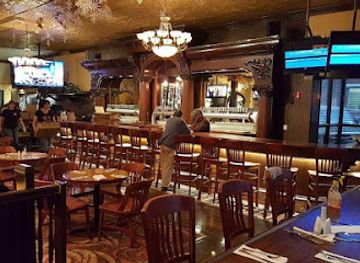
Discover the heart of Spokane at The Onion Bar & Grill – where delicious food meets exceptional craft beers in a lively setting.
-
American
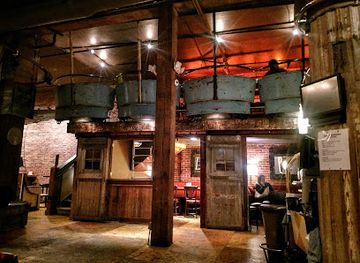
Steam Plant Restaurant & Brew Pub
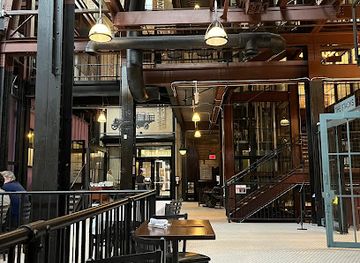
Discover Spokane's historic dining gem at Steam Plant Restaurant & Brew Pub – where great food meets craft beer in a stunning industrial setting.
Best bars in Spokane River
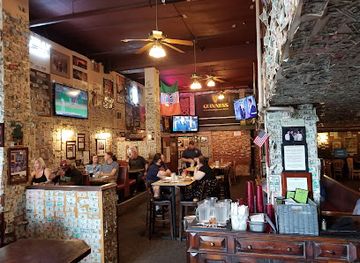
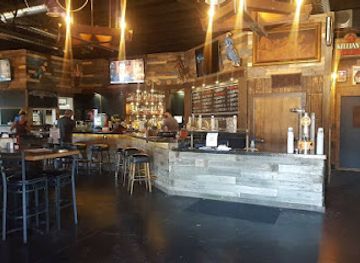
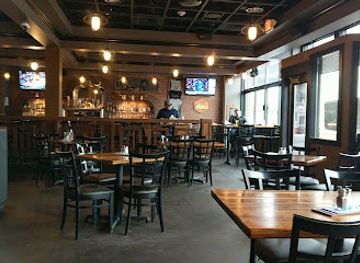
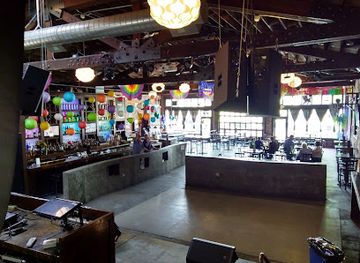
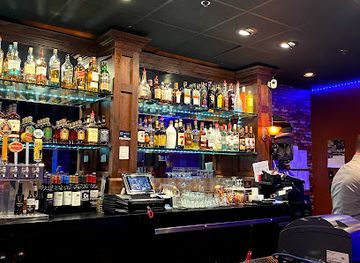
Evening entertainment is centred on Spokane rather than the quieter stretches of the river. Downtown and adjacent districts offer established pubs, breweries, cocktail bars, restaurants with evening service and occasional live music, with the riverfront and historic commercial areas providing the strongest concentration of options. Spokane Valley has additional neighbourhood bars and dining venues, while smaller communities and lakeside areas tend to close earlier and offer a more local, low-key atmosphere. Riverside State Park, Lake Spokane and other outdoor sections have no continuous nightlife infrastructure, so visitors staying there should plan evening transport and supplies in advance. Cultural performances, seasonal events and sporting fixtures may add to Spokane’s evening calendar, but schedules vary. Post Falls and Coeur d’Alene provide further nightlife in Idaho, not within Washington’s section of the river.
-
Irish pub
O'Doherty's Irish Grille
Discover the heart of Irish culture and cuisine at O'Doherty's Irish Grille in Spokane, where every meal is a celebration.
-
Grill
The Viking
Experience the best of Spokane's grill and pub scene at The Viking, where delicious food and a lively atmosphere await every visitor.
-
Pub
Saranac Public House
Discover the vibrant atmosphere and delicious American cuisine at Saranac Public House in Downtown Spokane, a perfect spot for food lovers and social gatherings.
-
Bar
Twigs Bistro and Martini Bar
Experience the vibrant flavors and atmosphere of Twigs Bistro and Martini Bar, a premier destination for American cuisine and signature cocktails in Downtown Spokane.
Best nightclubs in Spokane River
Evening entertainment is centred on Spokane rather than the quieter stretches of the river. Downtown and adjacent districts offer established pubs, breweries, cocktail bars, restaurants with evening service and occasional live music, with the riverfront and historic commercial areas providing the strongest concentration of options. Spokane Valley has additional neighbourhood bars and dining venues, while smaller communities and lakeside areas tend to close earlier and offer a more local, low-key atmosphere. Riverside State Park, Lake Spokane and other outdoor sections have no continuous nightlife infrastructure, so visitors staying there should plan evening transport and supplies in advance. Cultural performances, seasonal events and sporting fixtures may add to Spokane’s evening calendar, but schedules vary. Post Falls and Coeur d’Alene provide further nightlife in Idaho, not within Washington’s section of the river.
-
Comedy club
Spokane Comedy Club
Experience the best of Spokane's nightlife with a side of laughter at Spokane Comedy Club, featuring top comedians and a vibrant atmosphere.
-
Lounge
ZOLA
Discover ZOLA in Downtown Spokane: A chic lounge offering exquisite dining, creative cocktails, and an unforgettable nightlife experience.
-
Gay night club
nYne Bar & Bistro
Experience the vibrant nightlife at nYne Bar & Bistro, Spokane's premier gay night club, where inclusivity meets entertainment in a lively atmosphere.
-
Piano bar
The Ridler Piano Bar
Experience the vibrant nightlife of Spokane at The Ridler Piano Bar, where live music and expertly crafted cocktails create an unforgettable atmosphere.

Best shops in Spokane River
Shopping connected with the Spokane River is concentrated in Spokane, Spokane Valley and nearby gateway communities rather than along isolated shorelines. Downtown Spokane offers independent retailers, galleries, bookshops and craft-oriented businesses, while the city’s public markets and food shops can provide regional produce and locally made goods when operating. Spokane Valley and Liberty Lake have larger commercial areas useful for outdoor supplies, provisions and practical equipment before visiting trails or reservoirs. Visitors seeking Inland Northwest products may find Washington wine, craft beer, roasted coffee, regional foods, outdoor clothing, artwork and locally made craft items, although availability varies between businesses. Riverside State Park and Lake Spokane have limited retail facilities, so plan to buy food, fuel and specialist equipment in town. Coeur d’Alene and Post Falls offer additional shopping near the upper river in Idaho, but they are separate from Washington’s retail scene.
-
Shopping mall
NorthTown Mall
Discover NorthTown Mall in Spokane, a shopping paradise with diverse stores, delightful dining, and vibrant community events.
-
Shopping mall
Spokane Valley Mall
Explore Spokane Valley Mall: A vibrant shopping destination with diverse stores, tasty dining options, and family-friendly entertainment in Spokane Valley, WA.
-
Shopping mall
River Park Square
Discover River Park Square, Spokane's premier shopping mall with diverse stores, delightful dining, and entertainment experiences for all ages.
-
 Cannabis store
Piece of Mind Cannabis - North Spokane Dispensary
Explore the finest cannabis selection at Piece of Mind Cannabis in North Spokane – where quality meets community in a friendly atmosphere.
Get your free copy of our complete guide to Spokane River, delivered straight to you.
Everything on this page, from attractions and restaurants to essentials and local phrases, in one PDF you can read offline, print or share.
Already have an account? Sign in
Your Spokane River guide is ready.
We'll send it to · Not you? Sign out

Getting your guide ready…
We are putting together a fresh copy of the Spokane River guide. This can take up to a minute.
This can take a few moments. If your browser asks, choose Allow so the download can start. You'll find the guide in your Downloads folder.
Nothing happened? Download it again
Sorry, the guide is taking longer than usual. Please try again in a minute, or get it by email instead.
Spokane River essentials
Currency and Payment
Safety
Emergency Situations
Do's and Don'ts
Local Tips
From Eve
Local phrases worth knowing
You don't need to get them perfect. A few words go a long way, and locals appreciate the effort.
Basics
| English | Local | Say it |
|---|---|---|
| Hello | Howdy | [haw-dee] |
| Goodbye | See ya | [see yah] |
| Yes | Yup | [yuhp] |
| No | Nah | [nuh] |
| Please/You're welcome | Please/No problem | [pleez/no pro-blem] |
| Thank you | Thanks | [thanks] |
| Excuse me/Sorry | Pardon me/My bad | [par-dn me/my bad] |
| How are you? | How ya doin'? | [how yuh do-in] |
| Fine. And you? | Good. How 'bout you? | [good. how 'bout yuh] |
| Do you speak English? | Ya speak English? | [yah speak ing-lish] |
| I don't understand | I'm lost | [ahm lost] |
Eating & Drinking
| English | Local | Say it |
|---|---|---|
| I'd like to see the menu, please | Menu, please | [men-yoo, please] |
| I don't eat meat | I'm veggie | [ahm vej-ee] |
| Cheers! | Cheers! | [cheers] |
| I would like to pay, please | Check, please | [chek, please] |
Emergencies
| English | Local | Say it |
|---|---|---|
| Help! | Help! | [help] |
| Go away! | Go away! | [go a-way] |
| Call the Police! | Call the cops! | [call the cops] |
| Call a doctor! | Need a doc! | [need a doc] |
| I'm lost | I'm lost | [ahm lost] |
| I'm ill | I'm sick | [ahm sik] |
Shopping
| English | Local | Say it |
|---|---|---|
| I'd like to buy... | Gotta get... | [got-ta get] |
| I'm just looking | Just browsing | [just brows-ing] |
| How much is it? | How much? | [how much] |
| That's too expensive | Too pricey | [too prye-see] |
| Can you lower the price? | Can you do better? | [can yuh do bet-ter] |
Time & Numbers
| English | Local | Say it |
|---|---|---|
| What time is it? | What time is it? | [what time is it] |
| It's one o'clock | It's one | [its one] |
| Half past (10) | Half ten | [half ten] |
| Morning | Morning | [mor-ning] |
| Afternoon | Afternoon | [after-noon] |
| Evening | Evening | [ee-ven-ing] |
| Yesterday | Yesterday | [yes-ter-day] |
| Today | Today | [to-day] |
| Tomorrow | Tomorrow | [to-mor-row] |
| 1 | One | [wun] |
| 2 | Two | [too] |
| 3 | Three | [three] |
| 4 | Four | [for] |
| 5 | Five | [fiv] |
| 6 | Six | [siks] |
| 7 | Seven | [sev-en] |
| 8 | Eight | [ate] |
| 9 | Nine | [nine] |
| 10 | Ten | [ten] |
Transport & Directions
| English | Local | Say it |
|---|---|---|
| Where's a/the...? | Where's the...? | [wheres the] |
| What's the address? | What's the addy? | [whats the add-ee] |
| Can you show me (on the map)? | Show me on the map | [show me on the map] |
| When's the next (bus)? | When's the next bus? | [whens the next bus] |
| A ticket (to ....) | Ticket to... | [ticket to] |
History of Spokane River
A River Shaped by Ice and Basalt
The Spokane River occupies a landscape influenced by ancient volcanic rock and the powerful floods associated with the late Ice Age. The Channeled Scablands of eastern Washington were carved and reshaped by enormous glacial outburst floods, leaving basalt channels, exposed rock and uneven terrain across the wider region. Although the river’s modern course is much smaller than those prehistoric floodwaters, its falls, rapids and gorge-like sections reflect the underlying geology. This physical setting helps explain the river’s changing character as it moves from the relatively high lake country around Idaho into the Columbia Basin.
Indigenous River Homelands
Long before American settlement, the Spokane River was part of the homelands and seasonal travel networks of the Spokane people, whose name is commonly associated with the river and the city. The wider watershed also connects with the traditional territories of the Coeur d’Alene and other Indigenous peoples. Fishing, gathering, travel and cultural relationships with the water shaped life along the river. Indigenous history remains part of the region’s identity, although colonial expansion, land cessions, resource extraction and the construction of dams profoundly altered access to river environments and traditional fisheries.
Fur Trade, Missions and Settlement
In the nineteenth century, the Spokane River corridor became increasingly connected to fur trading, missionary activity and expanding networks of American settlement. Fort Spokane, established in 1880 near the confluence of the Spokane and Columbia rivers, served as a military post during a period of intensified federal control over Indigenous communities. Towns and farms grew around transport routes, while the river’s falls offered water power for emerging industries. Spokane developed into the principal urban centre of the inland Northwest, drawing much of its early economic strength from railways, timber, mining connections and manufacturing.
Industry and Hydroelectric Power
The river’s falls and rapids encouraged mills and other industries, but they also created obstacles to navigation. Dams later altered the flow, fish passage and appearance of substantial sections of the river. Washington Water Power, now Avista, developed hydroelectric facilities including Nine Mile Falls Dam, while Long Lake Dam created the extensive reservoir now known as Lake Spokane. These projects supplied electricity and supported regional growth, yet their effects on ecosystems, fisheries and Indigenous relationships with the river remain important parts of the watershed’s modern history.
Parks, Restoration and Urban Renewal
During the twentieth century, parts of the Spokane River corridor were affected by industrial waste, altered shorelines and urban development. Public investment gradually expanded riverfront parks, trails and environmental management. Spokane’s Riverfront Park, created for Expo ’74, reoriented the city towards its central falls and waterway, while Riverside State Park and the Centennial Trail protected and connected other stretches of the corridor. Contemporary river management balances hydropower, recreation, municipal needs, habitat protection and efforts to improve water quality, making conservation and responsible access central to the river’s present identity.
Spokane River in Photos
Browse through our photo collection highlighting the charm and character of the destination.
Cities in Spokane River
The towns and cities of Spokane River, and the easiest places to base yourself.

Swipe for more cities
Neighbouring destination travel guides
The closest destinations to Spokane River, if you have time for more than one.
-
-

-

-
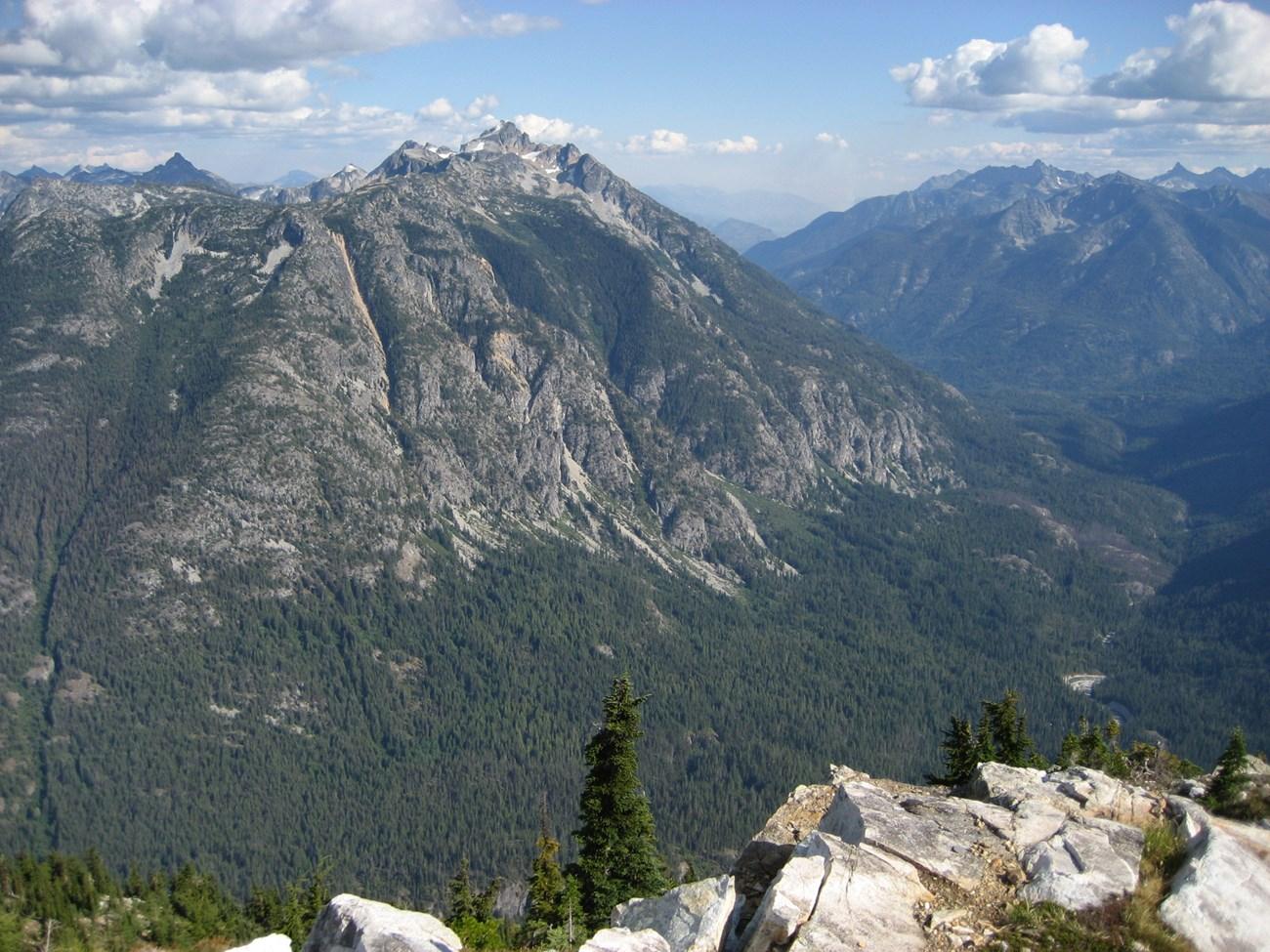 North Cascades National Park
 in Washington offers glaciers, alpine lakes, jagged peaks, wilderness trails and scenic drives through the American mountains.
North Cascades National Park
North Cascades National Park in Washington offers glaciers, alpine lakes, jagged peaks, wilderness trails and scenic drives through the American mountains.
-


Swipe for more destinations
Explore more

Explore more of Eastern Washington
Discover Eastern Washington: A blend of scenic landscapes, charming small towns, and rich history, perfect for a serene getaway or an adventurous escape.
Explore Eastern Washington
Explore more of Washington
Explore Washington State: From the vibrant streets of Seattle to the tranquil beauty of the Olympic Peninsula, discover the diverse landscapes, culture, and adventures awaiting you.
Explore Washington