

Flaming Gorge National Recreation Area, Wyoming Travel Guide
Explore the stunning landscapes and vibrant waters of Flaming Gorge National Recreation Area, a haven for outdoor enthusiasts and nature lovers in Wyoming.
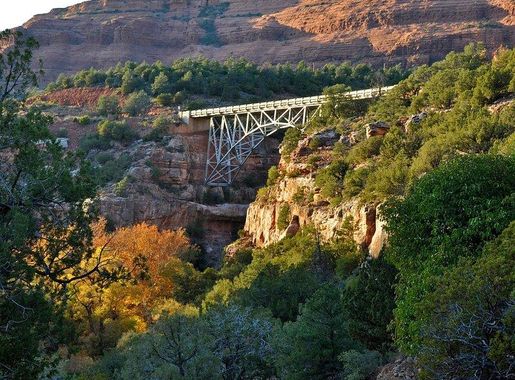
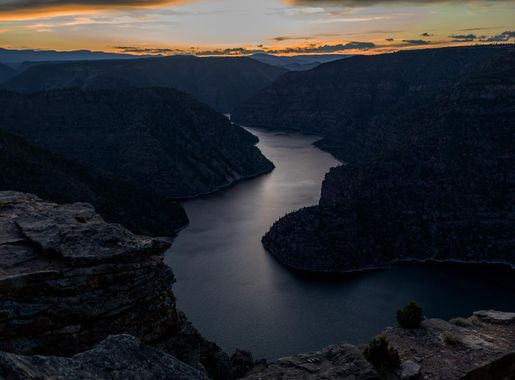
Flaming Gorge National Recreation Area is a captivating destination located in Wyoming, United States. This stunning area is known for its deep red canyon walls, which contrast beautifully with the sparkling blue waters of the reservoir. The scenery here is breathtaking, with panoramic vistas that are perfect for photography enthusiasts and nature lovers alike. The area offers a wide variety of recreational activities. Visitors can enjoy boating, fishing, and swimming in the pristine waters of the Flaming Gorge Reservoir. The reservoir is home to a diverse range of fish species, making it a popular spot for anglers. Hiking and biking trails wind through the rugged terrain, providing opportunities to explore the unique geology and wildlife of the region. Wildlife viewing is another highlight of Flaming Gorge. The area is home to a variety of animals, including deer, elk, and bighorn sheep. Birdwatchers will also find plenty to see, with numerous species of birds inhabiting the area. Whether you're seeking adventure or relaxation, Flaming Gorge National Recreation Area promises an unforgettable experience in the heart of nature.

Know before you go
Hi, I'm Eve. Here are a few practical things to know before exploring Flaming Gorge National Recreation Area.
- Visit in the late spring or early fall for the best weather and fewer crowds.
- Bring plenty of water and sun protection, as the sun can be intense in the open areas.
- Check the local fishing regulations before you go, as they can vary throughout the year.
- Consider renting a boat to fully explore the reservoir and its hidden coves.
- Don't forget your binoculars for a chance to spot wildlife and birds.
- Explore the visitor center for maps, information, and educational exhibits about the area.
Explore Flaming Gorge National Recreation Area: Things to Do, Places to Eat, Hotels & More
Handpicked recommendations for top attractions, local dining, accommodations, and more

Best attractions in Flaming Gorge National Recreation Area
Top-rated picks
Best Attractions

Flaming Gorge Dam Visitor Center
Discover the Flaming Gorge Dam Visitor Center, where engineering marvel meets breathtaking natural beauty in the heart of Utah's wilderness.

Flaming Gorge Reservoir
Experience the breathtaking landscapes and endless outdoor activities at Flaming Gorge Reservoir, a remarkable destination for nature lovers and adventurers.

Flaming Gorge-Uintas National Scenic Byway
Discover the stunning vistas and outdoor adventures along the Flaming Gorge-Uintas National Scenic Byway, a top scenic spot in Utah.

Best restaurants in Flaming Gorge National Recreation Area


Best bars in Flaming Gorge National Recreation Area
Top-rated picks
Best Bars

Flaming Gorge National Recreation Area
Explore Flaming Gorge National Recreation Area: A stunning blend of natural beauty, outdoor adventure, and rich wildlife awaits in Utah's scenic haven.

Flaming Gorge Reservoir
Explore the breathtaking Flaming Gorge Reservoir, where adventure meets stunning natural beauty in the heart of the American West.

Flaming Gorge Restaurant
Experience delicious American cuisine surrounded by breathtaking views at Flaming Gorge Restaurant in Utah's stunning landscape.

Best shops in Flaming Gorge National Recreation Area
Top-rated picks
Best Shops

Flaming Gorge National Recreation Area
Explore the scenic beauty and outdoor adventures at Flaming Gorge National Recreation Area in Utah, a paradise for nature lovers and outdoor enthusiasts.

Flaming Gorge Reservoir
Explore the breathtaking Flaming Gorge Reservoir, a natural paradise for boating, fishing, and outdoor adventures in the heart of Utah and Wyoming.

Explore Flaming Gorge National Recreation Area on the Map
A handpicked selection of must-see spots in Flaming Gorge National Recreation Area, mapped for you.
Flaming Gorge National Recreation Area Essentials
-
The Flaming Gorge National Recreation Area is located in southwestern Wyoming and northeastern Utah. The nearest major airport is Salt Lake City International Airport (SLC), about 150 miles away. From the airport, you can rent a car and drive to Flaming Gorge. The most common routes are via US-40 E and UT-44 E, which takes approximately 3 hours. Alternatively, you can fly into Rock Springs-Sweetwater County Airport (RKS) in Wyoming, which is closer but has fewer flight options. Greyhound buses operate to nearby towns, but renting a car is highly recommended for exploring the area.
-
Once at Flaming Gorge, the most convenient way to get around is by car. There are no public transportation options within the recreation area itself. Several car rental agencies are available at the major airports. For those without a car, guided tours and shuttle services are available, but these need to be booked in advance. Biking and hiking are also popular ways to explore the area, though distances can be vast.
-
The official currency is the United States Dollar (USD). Credit and debit cards are widely accepted at most lodges, restaurants, and shops within the recreation area. However, it is advisable to carry some cash for smaller establishments, entry fees, and tipping. ATMs are available in nearby towns like Green River, WY, and Vernal, UT, but not within the recreation area itself.
-
Flaming Gorge National Recreation Area is generally safe for tourists. However, standard safety precautions should be taken. There are no specific high-crime areas targeting tourists, but it is always wise to lock your vehicle and not leave valuables in plain sight. Wildlife encounters are common, so maintaining a safe distance from animals and following park guidelines is crucial. Always carry a map, sufficient water, and inform someone about your plans if you’re going hiking or exploring remote areas.
-
In case of emergency, dial 911 for immediate assistance. The nearest hospitals are in Rock Springs, WY, and Vernal, UT. There are ranger stations and visitor centers throughout the recreation area where you can seek help or report emergencies. It is also recommended to carry a first-aid kit and have travel insurance that covers medical emergencies. For minor health issues, there are pharmacies in the surrounding towns.
-
Fashion: Do wear comfortable, weather-appropriate clothing and sturdy shoes for hiking. Don't wear flip-flops or sandals on rugged trails. Religion: There are no specific religious customs to be aware of, but always show respect in any cultural or historical sites. Public Transport: Do be prepared for limited public transport options. Renting a car is advisable. Greetings: Do greet others with a friendly hello or wave. Local communities appreciate courteous behavior. Eating & Drinking: Do try the local cuisine and freshwater fish specialties. Don’t litter; always pack out what you pack in.
-
To experience Flaming Gorge like a local, consider visiting during the shoulder seasons of spring and fall when the weather is pleasant, and the area is less crowded. Fishing is a popular activity, and locals recommend trying to catch the renowned trout in the Green River or the reservoir. Attend local events and festivals in surrounding towns. Engage with the rangers and staff at visitor centers for insider tips and hidden gems.
When is the best time to visit Flaming Gorge National Recreation Area?
Useful Local Phrases for Flaming Gorge National Recreation Area
You don't need to speak the language perfectly. Even learning a few simple words can make conversations warmer—and locals usually appreciate the effort.
— Eve

Here are the phrases I use most often in Flaming Gorge National Recreation Area. Try a few—you'll be surprised how far they go! 😊
❤️
-
- HelloHowdy
[haʊ-di] - GoodbyeSee ya
[siː jə] - YesYup
[jʌp] - NoNah
[nɑː] - Please/You're welcomePlease 'n thank ya
[pliːz ən θæŋk jə] - Thank youMuch obliged
[mʌtʃ əˈblaɪdʒd] - Excuse me/SorryPardon me
[ˈpɑːrdn miː] - How are you?Howdy partner?
[haʊ-di pɑːrtnər] - Fine. And you?Doin' alright. You?
[ˈdoʊɪn ɔːlˈraɪt juː] - Do you speak English?Y'all speak English?
[jɔːl spiːk ˈɪŋɡlɪʃ] - I don't understandI reckon I'm lost on ya
[aɪ ˈrɛkən aɪm lɔːst ɒn jə]
- HelloHowdy
-
- I'd like to see the menu, pleaseMind if I take a gander at the grub?
[maɪnd ɪf aɪ teɪk ə ˈɡændər ət ðə ɡrʌb] - I don't eat meatNo meat for me, thanks
[noʊ mit fɔr miː θæŋks] - Cheers!Bottoms up!
[ˈbɑːtəmz ʌp] - I would like to pay, pleaseI reckon it's time to settle the bill
[aɪ ˈrɛkən ɪts taɪm tu ˈsɛtl ðə bɪl]
- I'd like to see the menu, pleaseMind if I take a gander at the grub?
-
- Help!I'm in a pickle!
[aɪm ɪn ə ˈpɪkəl] - Go away!Skedaddle!
[skɪˈdædəl] - Call the Police!Fetch the Sheriff!
[fɛtʃ ðə ˈʃɛrɪf] - Call a doctor!Get the Doc!
[ɡɛt ðə dɑk] - I'm lostI'm turned around
[aɪm tɜrnd əˈraʊnd] - I'm illI'm feelin' poorly
[aɪm ˈfiːlɪn ˈpʊrli]
- Help!I'm in a pickle!
-
- I'd like to buy...I'm fixin' to purchase...
[aɪm ˈfɪksɪn tu ˈpɜːrtʃəs] - I'm just lookingJust browsin'
[dʒʌst ˈbraʊzɪn] - How much is it?What's the damage?
[wɑːts ðə ˈdæmɪdʒ] - That's too expensiveThat's a mite pricey
[ðæts ə maɪt ˈpraɪsi] - Can you lower the price?Can ya knock a bit off?
[kæn jə nɑk ə bɪt ɔf]
- I'd like to buy...I'm fixin' to purchase...
-
- What time is it?What's the hour?
[wɑːts ðə ˈaʊər] - It's one o'clockIt's high noon
[ɪts haɪ nun] - Half past (10)Ten 'til the half
[tɛn tɪl ðə hæf] - MorningMornin'
[ˈmɔːrnɪn] - AfternoonArvo
[ˈɑːrvoʊ] - EveningEvenin'
[ˈiːvnɪn] - YesterdayYest'day
[ˈjɛstdeɪ] - TodayToday
[təˈdeɪ] - TomorrowTomorra
[təˈmɑːrə] - 1One
[wʌn] - 2Two
[tuː] - 3Three
[θriː] - 4Four
[fɔːr] - 5Five
[faɪv] - 6Six
[sɪks] - 7Seven
[ˈsɛvən] - 8Eight
[eɪt] - 9Nine
[naɪn] - 10Ten
[tɛn]
- What time is it?What's the hour?
-
- Where's a/the...?Where's the...
[wɛərz ðə] - What's the address?What's the addy?
[wɑːts ðə ˈædi] - Can you show me (on the map)?Can ya point it out?
[kæn jə pɔɪnt ɪt aʊt] - When's the next (bus)?When's the next ride?
[wɛnz ðə nɛkst raɪd] - A ticket (to ....)A pass (t'...)
[ə pæs tə]
- Where's a/the...?Where's the...
History of Flaming Gorge National Recreation Area
-
Long before modern visitors explored Flaming Gorge, the area was home to Paleo-Indian cultures. Archaeological evidence suggests that these early inhabitants hunted large game and gathered plants along the Green River, which runs through what is now the Flaming Gorge National Recreation Area. Petroglyphs and artifacts found in the area provide a glimpse into their daily lives and spiritual beliefs.
-
In 1869, John Wesley Powell, a one-armed Civil War veteran and geologist, led an expedition down the Green and Colorado Rivers. His journey included the first recorded passage through Flaming Gorge. Powell named the gorge after noticing the vibrant red sandstone cliffs that appear to be aflame in the setting sun. His voyage provided valuable geological and geographical information about the region.
-
In the early 1960s, the U.S. Bureau of Reclamation constructed the Flaming Gorge Dam as part of the Colorado River Storage Project. Completed in 1964, the dam created the Flaming Gorge Reservoir, which spans parts of Wyoming and Utah. The dam provides hydroelectric power, irrigation water, and recreational opportunities. Its construction dramatically altered the landscape and ecology of the region.
-
The Flaming Gorge area has long been significant to various Native American tribes, including the Shoshone, Ute, and Fremont peoples. These groups utilized the river and surrounding lands for fishing, hunting, and gathering. Today, the region's cultural heritage is preserved through various interpretive sites and trails, offering insights into the traditional ways of life and spiritual practices of these tribes.
-
During the late 19th and early 20th centuries, the Flaming Gorge region was part of the American Wild West. The area saw trappers, miners, and settlers passing through, drawn by the promise of resources and land. Stories of outlaws, such as Butch Cassidy and the Sundance Kid, add a layer of intrigue and adventure to the region's history. Historical markers and preserved sites allow visitors to step back in time.
-
In 1968, the Flaming Gorge National Recreation Area was officially designated to protect the natural beauty and recreational potential of the region. Spanning over 200,000 acres, the area offers a wide range of activities, including fishing, boating, hiking, and wildlife viewing. The designation helped to ensure the preservation of the unique landscapes and cultural heritage of Flaming Gorge for future generations.
Neighbouring destination travel guides
Browse our curated selection of top destinations, scenic points, and must-visit spots in the area.



Your all‑in‑one travel companion app
Explore expert travel guides, compare and book tours, experiences, hotels, and more—all from the palm of your hand. Download now for seamless trip planning wherever your wanderlust takes you.


Explore More of Sweetwater County

Looking beyond Flaming Gorge National Recreation Area? Discover Sweetwater County for broader travel guides, local hot-spots, and regional highlights.
Explore Sweetwater CountyExplore More of Wyoming

Looking beyond Flaming Gorge National Recreation Area? Discover Wyoming for broader travel guides, local hot-spots, and regional highlights.
Explore WyomingFlaming Gorge National Recreation Area in Photos
Browse through our photo collection highlighting the charm and character of the destination.






The Majestic Beauty of Flaming Gorge National Recreation Area
Flaming Gorge National Recreation Area is a captivating destination located in Wyoming, United States. This stunning area is known for its deep red canyon walls, which contrast beautifully with the sparkling blue waters of the reservoir. The scenery here is breathtaking, with panoramic vistas that are perfect for photography enthusiasts and nature lovers alike. The area offers a wide variety of recreational activities. Visitors can enjoy boating, fishing, and swimming in the pristine waters of the Flaming Gorge Reservoir. The reservoir is home to a diverse range of fish species, making it a popular spot for anglers. Hiking and biking trails wind through the rugged terrain, providing opportunities to explore the unique geology and wildlife of the region. Wildlife viewing is another highlight of Flaming Gorge. The area is home to a variety of animals, including deer, elk, and bighorn sheep. Birdwatchers will also find plenty to see, with numerous species of birds inhabiting the area. Whether you're seeking adventure or relaxation, Flaming Gorge National Recreation Area promises an unforgettable experience in the heart of nature.