The aviation industry is undergoing a monumental transformation, driven by the urgent need for sustainability and a desire to elevate the passenger experience. From revolutionary aircraft designs to artificial intelligence-powered flight optimization, the skies are set to witness a wave of innovations that promise to reshape how we travel.
This article delves into the cutting-edge technologies and cultural shifts that are poised to define the future of aviation, exploring how the industry is striving to minimize its environmental impact while simultaneously creating more seamless, personalized, and enriching journeys for travelers.
Soaring Towards Net Zero: Aviation's Green Transformation
The aviation industry has committed to achieving net-zero carbon emissions by 2050, aligning with the goals of the Paris Agreement. This ambitious target requires a multifaceted approach, encompassing sustainable aviation fuels (SAF), the development of new aircraft technologies, and improvements in infrastructure and operational efficiency. The International Air Transport Association (IATA) is providing detailed roadmaps with critical actions for aviation to achieve net zero CO2 emissions by 2050. These roadmaps address aircraft technology, energy infrastructure, operations, finance, and policy.
Sustainable aviation fuel is estimated to contribute 65% of the reduction in emissions needed by aviation to reach net-zero in 2050. New technology, such as electric and hydrogen powered aircraft, will contribute 13%, while infrastructure and operational efficiencies will contribute 3%. Offsets and carbon capture are expected to make up the remaining 19%.
The Airport Carbon Accreditation (ACA) program provides a framework for airports to reduce their carbon footprint through measures such as energy efficiency, renewable energy adoption, and waste management. These measures, combined with the broader industry efforts, are crucial steps toward a more sustainable future for air travel.
Sustainable Aviation Fuels: The Cornerstone of Decarbonization
Sustainable Aviation Fuels (SAF) are poised to play a pivotal role in decarbonizing the aviation industry. SAF can reduce carbon emissions by up to 80% over its lifecycle compared to conventional jet fuel. Unlike traditional jet fuel, SAF is produced from renewable resources and waste streams, such as agricultural waste, algae, used cooking oil, and carbon dioxide captured directly from the air.
Several initiatives are underway to promote the development and adoption of SAF. The U.S. Department of Energy's SAFFiRE initiative is focused on developing cost-effective technologies for producing SAF from agricultural residues. Neste, a leading renewable fuel producer, is collaborating with airlines to supply SAF and accelerate its deployment.
Despite its immense potential, SAF faces challenges such as high production costs and limited feedstock availability. However, the ReFuelEU Aviation regulation, which mandates increasing levels of SAF blending in the European Union, is expected to drive demand and stimulate production. This regulation requires aviation fuel suppliers to blend increasing amounts of SAF with kerosene, starting with a 2% minimum blend in 2025, and rising to 70% in 2050.
Revolutionary Aircraft Technologies: Blended Wings and Hydrogen Power
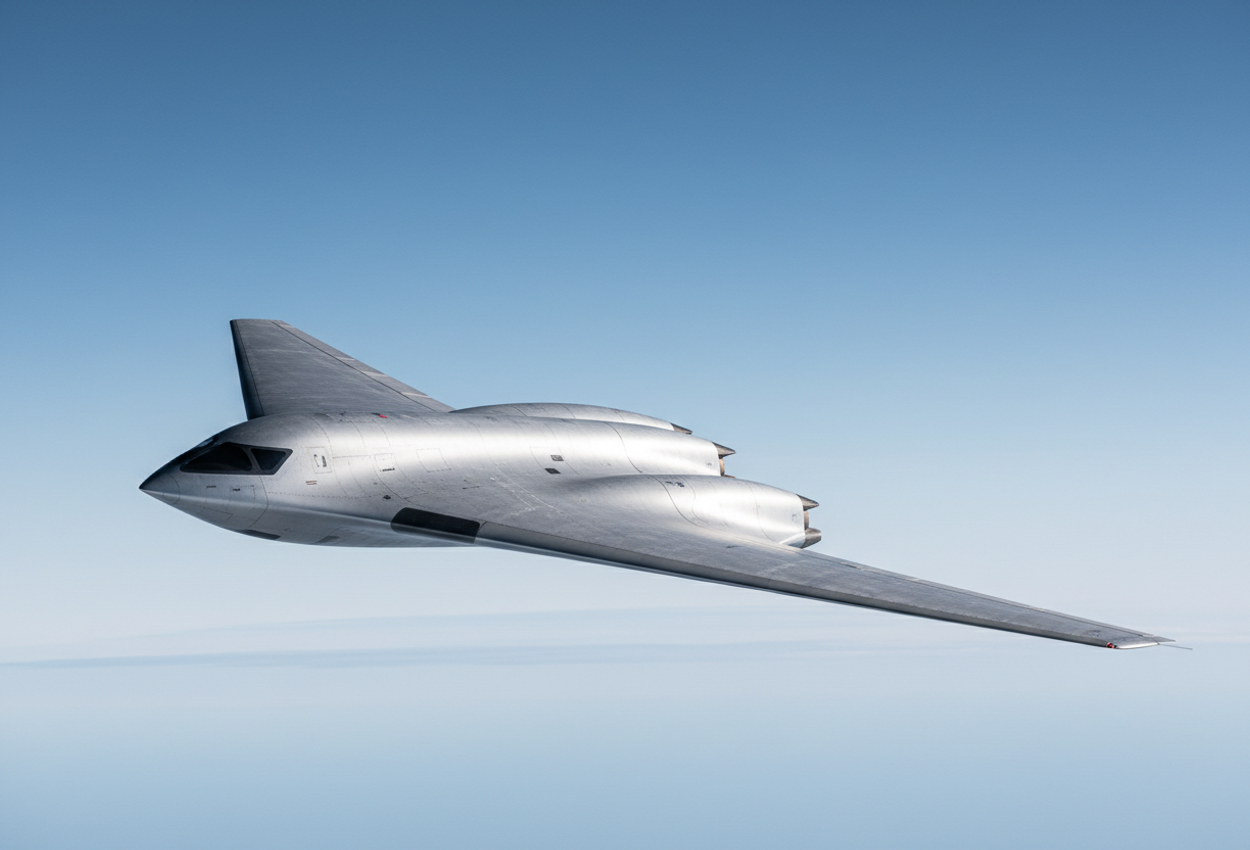
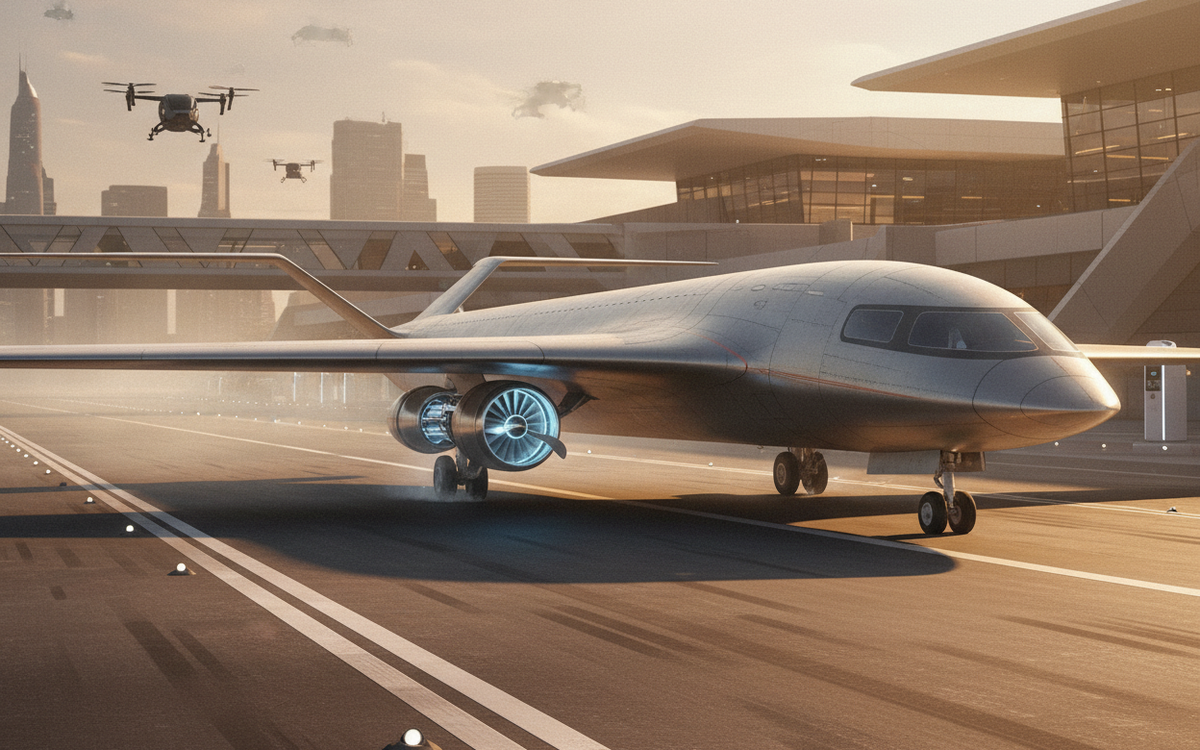
Advancements in aircraft design and propulsion technologies are paving the way for a new generation of fuel-efficient and environmentally friendly aircraft. The blended-wing body (BWB) design, which integrates the wings and fuselage into a single, seamless structure, offers significant fuel efficiency benefits. NASA and Boeing are jointly developing the X-66A prototype to test and validate the BWB concept. JetZero is also developing a blended wing-body aircraft and was selected by the US Air Force to develop a full-scale demonstrator.
Hydrogen-powered aircraft represent another promising avenue for reducing emissions. Airbus's ZEROe program is exploring various hydrogen propulsion technologies, including hydrogen combustion and hydrogen fuel cells. ZeroAvia is also developing hydrogen fuel cell technology for aviation applications.
Storing liquid hydrogen on aircraft presents a significant engineering challenge due to its low density and cryogenic temperatures. However, ongoing research and development efforts are focused on addressing these challenges and making hydrogen-powered flight a reality.
Electric Vertical Takeoff: Urban Air Mobility Takes Flight
Electric vertical takeoff and landing (eVTOL) vehicles are emerging as a transformative solution for urban air mobility, offering the potential to alleviate traffic congestion and provide rapid, on-demand transportation. Hyundai's Supernal S-A2 is an eVTOL aircraft designed for safe, quiet, and sustainable urban air mobility operations. It is designed to cruise at speeds exceeding 120mph, with a range of 60 miles. Supernal plans to commence commercial operations of the S-A2 by 2028.
The FAA's Innovate28 initiative is working to streamline regulations and infrastructure development for air taxi corridors, paving the way for the widespread adoption of urban air mobility. However, challenges remain in terms of battery technology, limited range, and noise reduction.
As battery technology advances and infrastructure matures, eVTOLs are poised to become an increasingly common sight in urban skies, revolutionizing the way people move within cities.
AI in the Cockpit: Optimizing Routes and Reducing Fuel Burn
Artificial intelligence (AI) is revolutionizing aviation fuel management by optimizing routes in real-time, predicting maintenance needs, and identifying optimal traffic patterns. AI systems analyze vast amounts of data, including weather conditions, air traffic, and aircraft performance, to determine the most fuel-efficient flight paths. SkyBreathe On Board, for example, provides contextual guidance directly to pilots, reducing workload while enhancing operational performance.
Airlines are leveraging AI to optimize flight paths and reduce fuel consumption, resulting in significant cost savings and reduced emissions. AI-powered predictive maintenance helps airlines detect signs of wear, degradation, or malfunction before they escalate into major issues, which enhances fuel efficiency and avoids costly unscheduled downtime.
By harnessing the power of AI, airlines can make data-driven decisions that optimize fuel usage, minimize environmental impact, and enhance operational efficiency.
The Passenger Experience Reimagined: Wellness and Personalization
Airlines are increasingly focused on enhancing the passenger experience through technology and personalized services. AI and GenAI are being used to create hyper-personalized travel experiences, tailoring services and offerings to individual passenger preferences.
Biometric authentication is streamlining check-ins and security screenings, providing a seamless and touchless travel experience. Digital travel assistants are providing passengers with real-time information and support, enhancing convenience and reducing stress.
Efforts are also underway to improve cabin wellness by reducing noise and light, providing areas for stretching, and offering health and wellness content. These initiatives aim to create a more comfortable and enjoyable flying experience for passengers.
Sustainability in the Skies: Passenger Expectations and Airline Initiatives
Modern travelers are increasingly aware of their environmental impact and are actively seeking sustainable travel options. Airlines are responding to this demand by offering carbon-neutral options, using recycled amenities, and providing vegetarian food choices.
Airline initiatives to reduce emissions include investing in SAF and carbon offset programs. These efforts demonstrate a commitment to environmental responsibility and resonate with conscious travelers who prioritize sustainability.
As passenger expectations for sustainable travel continue to rise, airlines are under increasing pressure to adopt eco-friendly practices and transparently communicate their environmental performance.
Airports as Experience Hubs: Technology and Customer-Centric Design
Airports are evolving into high-tech, customer-centric hubs, leveraging digital solutions to optimize passenger flows and enhance the overall travel experience. Self-service kiosks and biometric screening are expediting check-in and security processes, reducing wait times and improving efficiency.
Employee engagement and motivation are recognized as critical factors in delivering exceptional customer service. Airports are investing in training and development programs to empower employees and foster a culture of customer-centricity.
Airports are also integrating services to reduce delays and increase efficiency, such as real-time flight tracking, baggage handling optimization, and proactive communication with passengers.
The Rise of Biometrics: Seamless and Secure Travel
Facial recognition technology is transforming air travel by automating identity verification, check-in, and bag tag printing. Biometrics make it nearly impossible for someone to use a fake passport or assume another person's identity at checkpoints. The European Union's Entry/Exit System (EES) utilizes biometric checks to enhance border security and streamline passenger processing.
While biometrics offer numerous benefits, concerns about privacy and data security must be addressed. Robust data protection measures and transparent policies are essential to ensure public trust and confidence in biometric technologies.
As biometric technology continues to advance, it is poised to become an integral part of the air travel experience, providing a seamless and secure journey for passengers.
Adapting to the Conscious Traveler: Purpose-Driven Journeys
The rise of the 'enlightened traveler' is driving demand for meaningful experiences that connect them to new cultures and communities. Airlines are responding by incorporating cultural elements into their service offerings, such as local cuisine, entertainment, and language options.
Airlines are also partnering with local communities to promote cultural exchanges and support sustainable tourism initiatives. These collaborations create authentic and enriching experiences for travelers while contributing to the well-being of local communities.
By embracing purpose-driven journeys, airlines can cater to the evolving needs of conscious travelers and foster a deeper appreciation for the world's diverse cultures.

The future of aviation is bright, driven by a commitment to sustainability, technological innovation, and a passion for creating exceptional passenger experiences. As the industry continues to evolve, it is poised to transform the way we travel, connecting people and cultures in a more responsible and enriching manner.