

Downtown Mobile (Mobile) Travel Guide - Free
Explore Downtown Mobile in Mobile with Evendo's free guide. Find the best shops, historic streets, restaurants, and gems on web or mobile.


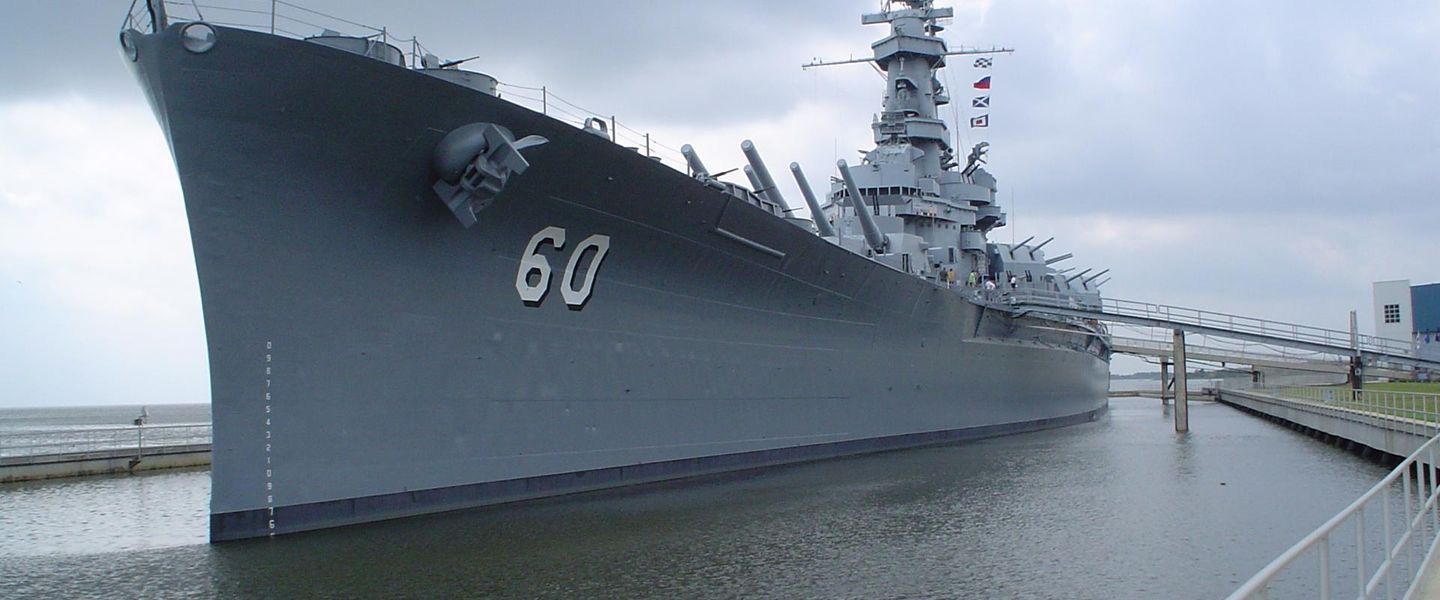


Downtown Mobile blends Gulf Coast history, Mardi Gras traditions, historic architecture, museums, riverfront walks, independent dining and nightlife in Alabama.
Historic Core and Riverfront Setting
Downtown Mobile occupies the compact historic centre of Alabama’s oldest incorporated city, between the Mobile River and the streets that rise gently westward towards De Tonti Square. Its grid brings together grand civic buildings, nineteenth-century commercial blocks, converted warehouses, shaded squares and residential enclaves. Dauphin Street is the principal social axis, while Royal, St Francis, Conti and Government streets reveal different layers of the city’s architectural and commercial past. Along the eastern edge, Cooper Riverside Park and the Mobile Riverwalk open broad views towards the working river and the opposite shore.Read more about Downtown Mobile
Museums, Carnival and Civic Memory
Street Life After Dark
Best attractions in Downtown Mobile
Downtown Mobile’s attractions are concentrated within an unusually walkable historic grid. The History Museum of Mobile, housed in the former city hall and Southern Market, introduces the area’s colonial, port and civic history, while the Mobile Carnival Museum explores the costumes, societies and ceremonies behind the city’s famous Carnival tradition. The Cathedral-Basilica of the Immaculate Conception and Cathedral Square provide a dignified architectural pause, and Bienville Square offers a shaded centre for observing downtown life. The Phoenix Fire Museum occupies a former fire station and interprets local firefighting history, while the Richards-DAR House Museum and other historic homes reveal domestic life from earlier eras. At the eastern edge, Cooper Riverside Park and the Mobile Riverwalk provide open views across the river and towards port activity, complementing the restaurants, galleries and bars along Dauphin Street.
-
Museum
Oakleigh House Museum
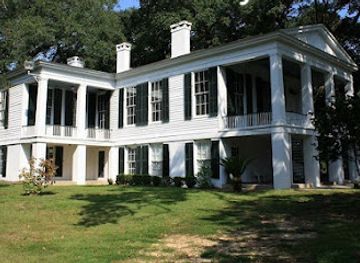
Explore Mobile's captivating history at Oakleigh House Museum, a beautifully preserved Greek Revival mansion in the Oakleigh Garden Historic District.
7 min drive · 2.5 km from neighbourhood centre
-
Park
British Park
A downtown Mobile park commemorating the War of 1812, offering a tranquil escape with historical significance.
17 min walk · 1.4 km from neighbourhood centre
-
Park
Spanish Plaza Park
Discover Mobile's Spanish roots in this downtown park featuring statues, a fountain, and historical tributes to its sister city, Malaga.
13 min walk · 1.0 km from neighbourhood centre


Best landmarks in Downtown Mobile
Downtown Mobile’s landmarks express its history as a colonial settlement, Gulf port and civic centre. The Cathedral-Basilica of the Immaculate Conception anchors Cathedral Square and remains one of the defining religious buildings in the central grid, while Bienville Square provides a historic public garden framed by commercial and civic architecture. The restored Saenger Theatre is an important cultural and architectural presence on Dauphin Street, and the Phoenix Fire Museum preserves a former fire station as a reminder of municipal services and urban growth. The History Museum occupies the Old City Hall and Southern Market complex, linking civic administration with the city’s public history. Along the eastern side, Cooper Riverside Park and the riverfront promenade mark the continuing importance of shipping, trade and the Mobile River to the neighbourhood’s identity.
-
 Park
Bienville Square
Discover Mobile's historic heart at Bienville Square: a vibrant downtown park offering a tranquil escape and year-round community events.
5 min walk · 0.4 km from neighbourhood centre
-
Museum
Mobile Carnival Museum
Experience the history and splendor of Mardi Gras at the Mobile Carnival Museum, the birthplace of America's oldest Carnival celebration.
12 min walk · 0.9 km from neighbourhood centre
-
History museum
History Museum of Mobile
Discover 300 years of history in Mobile's historic Old City Hall. Explore captivating exhibits and uncover the stories of the Port City.
8 min walk · 0.7 km from neighbourhood centre
-
History museum
Colonial Fort Condé
Discover Mobile's colonial history at this partially reconstructed 18th-century French fort with interactive exhibits and living history.
9 min walk · 0.7 km from neighbourhood centre


Explore Downtown Mobile on the map
A handpicked selection of must-see spots in Downtown Mobile, mapped for you.
Best hotels in Downtown Mobile
Best restaurants in Downtown Mobile
Downtown Mobile’s dining scene follows the city’s Gulf Coast setting and its long relationship with the port. Dauphin Street and the Lower Dauphin, or LoDa, district contain the greatest concentration of restaurants, cafés and bars, with menus ranging from oysters, shrimp and other seafood to Southern cooking, steaks, sandwiches and contemporary small plates. Wintzell’s Oyster House is a long-established downtown name, while places such as The Noble South have represented a more modern, produce-led approach to regional cooking; availability and formats can change, so current details should be checked directly. Coffee shops, bakeries and casual lunch venues fill out the daytime scene, and the central grid makes it practical to pair a museum visit with a meal. Dining is generally more concentrated around Dauphin and nearby commercial streets than in the quieter residential blocks.
-
Restaurant
Loda Bier Garten
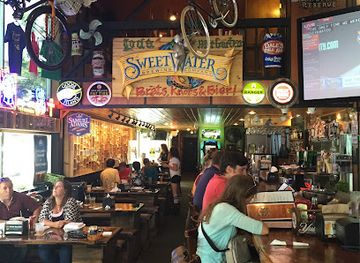
Experience Loda Bier Garten in Mobile: Delicious gourmet burgers and refreshing drinks await at this vibrant bar and restaurant.
8 min walk · 0.6 km from neighbourhood centre
-
American
Spot of Tea
Discover Spot of Tea: A delightful American eatery serving scrumptious breakfast and brunch in Mobile's vibrant downtown.
9 min walk · 0.7 km from neighbourhood centre
-
Breakfast
Bob's Downtown Restaurant
Experience Southern hospitality at Bob's Downtown Restaurant—Mobile's favorite breakfast spot serving delicious dishes in a vibrant atmosphere.
8 min walk · 0.6 km from neighbourhood centre
-
Gastropub
Squid Ink Eclectic Eats and Drinks
Discover unique flavors in Mobile at Squid Ink Eclectic Eats and Drinks - where every dish tells a story.
5 min walk · 0.4 km from neighbourhood centre


Best bars in Downtown Mobile
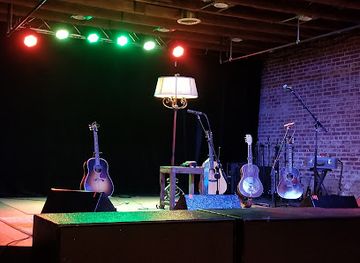
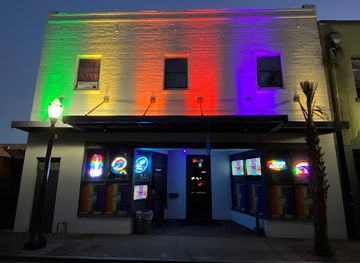
After dark, Lower Dauphin is downtown Mobile’s clearest focus for bars, live music and evening socialising. The district’s restored commercial buildings accommodate traditional bars, cocktail-led venues, casual beer spots and establishments associated with dancing or local performances, while Dauphin Street remains the main route between them. The Haberdasher is a recognised cocktail-bar presence, and B-Bob’s forms part of the city’s LGBTQ+ nightlife landscape; venues and programming can change, so visitors should verify current arrangements. Elsewhere, hotel bars, restaurant lounges and occasional theatre or cultural events create a quieter alternative. Mardi Gras parades, festivals and sporting occasions can change the night-time rhythm considerably, with crowds and road closures extending beyond the usual entertainment blocks.
-
Gastropub
Squid Ink Eclectic Eats and Drinks
Experience the vibrant flavors and welcoming atmosphere at Squid Ink Eclectic Eats and Drinks, a top gastropub in Mobile, Alabama.
5 min walk · 0.4 km from neighbourhood centre
-
Bar
Wet Willie's
Experience the vibrant nightlife at Wet Willie's, Mobile's premier bar known for its refreshing frozen drinks and lively atmosphere.
6 min walk · 0.5 km from neighbourhood centre
-
Bar
The Haberdasher
Experience the vibrant atmosphere and exquisite cocktails at The Haberdasher, Mobile's top bar for locals and tourists alike.
5 min walk · 0.4 km from neighbourhood centre
-
Bar
Kazoola Eatery & Entertainment
Discover the vibrant nightlife and delicious flavors at Kazoola Eatery & Entertainment in Mobile, Alabama, your go-to bar for fun and relaxation.
14 min walk · 1.1 km from neighbourhood centre


Best nightclubs in Downtown Mobile
After dark, Lower Dauphin is downtown Mobile’s clearest focus for bars, live music and evening socialising. The district’s restored commercial buildings accommodate traditional bars, cocktail-led venues, casual beer spots and establishments associated with dancing or local performances, while Dauphin Street remains the main route between them. The Haberdasher is a recognised cocktail-bar presence, and B-Bob’s forms part of the city’s LGBTQ+ nightlife landscape; venues and programming can change, so visitors should verify current arrangements. Elsewhere, hotel bars, restaurant lounges and occasional theatre or cultural events create a quieter alternative. Mardi Gras parades, festivals and sporting occasions can change the night-time rhythm considerably, with crowds and road closures extending beyond the usual entertainment blocks.
-
Bar
Lit Cigar Lounge
Discover the charm of Lit Cigar Lounge in Mobile, a perfect blend of relaxation, premium cigars, and a lively bar atmosphere.
8 min walk · 0.6 km from neighbourhood centre
-
Lounge
Cedar Street Social
Discover Cedar Street Social, the heart of Mobile's nightlife, where great drinks and live music create unforgettable experiences for every visitor.
13 min walk · 1.0 km from neighbourhood centre
-
Gay night club
B-Bob's Downtown
Discover the vibrant nightlife at B-Bob's Downtown, Mobile's premier gay night club and restaurant, where fun, food, and community come together.
8 min walk · 0.6 km from neighbourhood centre
-
Bar
Flip Side Bar & Patio
Experience the lively atmosphere and delicious offerings at Mobile's Flip Side Bar & Patio, a perfect stop for food and fun.
8 min walk · 0.6 km from neighbourhood centre


Best shops in Downtown Mobile
Shopping downtown Mobile is largely independent and street-based rather than concentrated in a large enclosed centre. Dauphin Street and adjoining blocks offer boutiques, gift shops, galleries, books, clothing, locally themed goods and specialist retail mixed with restaurants and historic façades. The area’s strongest cultural purchases include Mardi Gras-related items, regional art, Gulf Coast souvenirs and products connected with Mobile’s Carnival traditions, although stock varies by shop and season. The market and commercial history interpreted at the History Museum helps explain why downtown developed as a place of exchange, while the present retail scene reflects smaller-scale revitalisation around the LoDa district. Visitors should also look along Royal, Conti and St Francis streets for businesses away from the busiest entertainment strip; the neighbourhood is not a substitute for suburban malls or a large destination market.
-
Gift shop
Urban Emporium LLC
Explore Urban Emporium LLC, a charming gift shop in Mobile offering unique treasures, boutique fashion, and stylish accessories for every taste.
8 min walk · 0.6 km from neighbourhood centre
-
Souvenir store
Bienville Souvenir & Gifts
Discover a unique blend of culture and creativity at Bienville Souvenir & Gifts in Mobile, Alabama, where local treasures await every traveler.
9 min walk · 0.7 km from neighbourhood centre
-
Gift shop
Mardi Gras and More Gift Shop
Discover a unique blend of local culture and festive spirit at Mardi Gras and More Gift Shop, Mobile's premier destination for authentic souvenirs.
12 min walk · 1.0 km from neighbourhood centre
-
Gift shop
Mariposa Boutique LLC
Explore Mariposa Boutique LLC: A unique gift shop in Mobile, AL offering stylish women's clothing and accessories that capture Southern charm.
11 min walk · 0.9 km from neighbourhood centre


Downtown Mobile essentials
Getting There
Getting Around
Safety
Emergency Situations
Do's and Don'ts
Local Tips

From Eve
Local phrases worth knowing
You don't need to get them perfect. A few words go a long way, and locals appreciate the effort.
Basics
| English | Local | Say it |
|---|---|---|
| Hello | Hey y'all | [Hey y'all] |
| Goodbye | See ya later | [See ya later] |
| Yes | Yep | [Yep] |
| No | Nah | [Nah] |
| Please/You're welcome | Please/You're welcome | [Please/You're welcome] |
| Thank you | Thank ya | [Thank ya] |
| Excuse me/Sorry | Pardon me | [Pardon me] |
| How are you? | How y'alls doin'? | [How y'alls doin'?] |
| Fine. And you? | Fine. And you? | [Fine. And you?] |
| Do you speak English? | Y'all speak English? | [Y'all speak English?] |
| I don't understand | I don't reckon | [I don't reckon] |
Eating & Drinking
| English | Local | Say it |
|---|---|---|
| I'd like to see the menu, please | Can I check out the menu, please | [Can I check out the menu, please] |
| I don't eat meat | I don't eat meat | [I don't eat meat] |
| Cheers! | Cheers! | [Cheers!] |
| I would like to pay, please | I'd like to settle up, please | [I'd like to settle up, please] |
Emergencies
| English | Local | Say it |
|---|---|---|
| Help! | Help! | [Help!] |
| Go away! | Get on outta here! | [Get on outta here!] |
| Call the Police! | Call the Po-lice! | [Call the Po-lice!] |
| Call a doctor! | Call a doc! | [Call a doc!] |
| I'm lost | I'm lost | [I'm lost] |
| I'm ill | I'm feelin' poorly | [I'm feelin' poorly] |
Shopping
| English | Local | Say it |
|---|---|---|
| I'd like to buy... | I wanna buy... | [I wanna buy...] |
| I'm just looking | I'm just lookin' | [I'm just lookin'] |
| How much is it? | How much is it? | [How much is it?] |
| That's too expensive | That's too pricey | [That's too pricey] |
| Can you lower the price? | Can you knock somethin' off? | [Can you knock somethin' off?] |
Time & Numbers
| English | Local | Say it |
|---|---|---|
| What time is it? | What time is it? | [What time is it?] |
| It's one o'clock | It's one o'clock | [It's one o'clock] |
| Half past (10) | Half past ten | [Half past ten] |
| Morning | Mornin' | [Mornin'] |
| Afternoon | Afternoon | [Afternoon] |
| Evening | Evenin' | [Evenin'] |
| Yesterday | Yest'day | [Yest'day] |
| Today | Today | [Today] |
| Tomorrow | Tomorrow | [Tomorrow] |
| 1 | One | [One] |
| 2 | Two | [Two] |
| 3 | Three | [Three] |
| 4 | Four | [Four] |
| 5 | Five | [Five] |
| 6 | Six | [Six] |
| 7 | Seven | [Seven] |
| 8 | Eight | [Eight] |
| 9 | Nine | [Nine] |
| 10 | Ten | [Ten] |
Transport & Directions
| English | Local | Say it |
|---|---|---|
| Where's a/the...? | Where's a/the...? | [Where's a/the...?] |
| What's the address? | What's the address? | [What's the address?] |
| Can you show me (on the map)? | Can you show me (on the map)? | [Can you show me (on the map)?] |
| When's the next (bus)? | When's the next (bus)? | [When's the next (bus)?] |
| A ticket (to ....) | A ticket (to ....) | [A ticket (to ....)] |
History of Downtown Mobile
French Foundations on Mobile Bay
Mobile’s colonial story began in 1702, when French settlers established Fort Louis de la Mobile farther north on the Mobile River. In 1711 the settlement moved to the present Mobile site, where its position near Mobile Bay supported administration, trade and communication along the Gulf Coast. The early town’s French origins remain visible in the city’s name and in the layered cultural history later shaped by Spanish and American rule. Downtown Mobile developed from this colonial core, although much of the surviving built environment dates from later periods rather than the first settlement.
A Port Town Takes Shape
After Mobile became part of the United States in 1813 and Alabama was admitted to the Union in 1819, the central town expanded as a port and commercial centre. Warehouses, offices, shops, churches and residences filled the street grid, linking the river landing with inland roads and plantations. Cotton exports made Mobile an important Gulf port during the nineteenth century, while immigration and trade brought new languages, customs and religious institutions to the district. Bienville Square, laid out in the nineteenth century, became one of the principal green spaces within this growing urban core.
Civil War, Commerce and Civic Buildings
Mobile’s harbour and commercial importance made the city strategically significant during the American Civil War. Union forces captured Mobile in April 1865, near the end of the conflict, and the port subsequently resumed its role in regional commerce. Late-nineteenth- and early-twentieth-century prosperity produced substantial civic, religious and commercial buildings downtown, including structures associated with banking, shipping, retail and municipal administration. The surviving concentration of these buildings, together with historic homes in areas such as Church Street East, gives downtown much of its architectural character.
Carnival and Urban Renewal
Mobile’s long-standing Carnival tradition became an especially visible expression of local civic life during the nineteenth century, with social organisations developing elaborate parades, balls and ceremonial customs. In the twentieth century, suburban growth and changing retail patterns weakened the traditional downtown commercial role, leaving some historic buildings underused. Later preservation and redevelopment efforts brought renewed attention to Dauphin Street, the LoDa entertainment district, the restored theatre and museum landscape, and the riverfront. Contemporary downtown therefore combines active cultural celebration with an ongoing mix of offices, homes, hospitality businesses and heritage conservation.
Downtown Mobile in Photos
Browse through our photo collection highlighting the charm and character of the destination.
Neighbourhoods near Downtown Mobile
The closest neighbourhoods to Downtown Mobile, if you have time for more than one stop.
-

-

-

-


Swipe for more neighbourhoods
Explore more

Explore more of Mobile
Mobile, Alabama blends Gulf Coast history, Mardi Gras tradition, Creole seafood, historic architecture and museums with easy access to bay and delta.
Explore Mobile