

Free Wiregrass Region Travel Guide & Mobile App
Explore Wiregrass Region with free travel guides. Discover regional history, expert tips, proposed trips, and audio guides on web or mobile app.


Explore Alabama’s Wiregrass Region for peanut-country heritage, small-town museums, Southern food, aviation history and open rural landscapes.
Read more about Wiregrass Region
Getting to and around Wiregrass Region
How to get there
Transportation
Top city travel guides in Wiregrass Region
The cities of Wiregrass Region, and the easiest places to base yourself.
-

-

-

-

-


Swipe for more cities
Destinations in Wiregrass Region
Resorts, valleys and scenic spots worth a trip of their own.
-

-

-

-
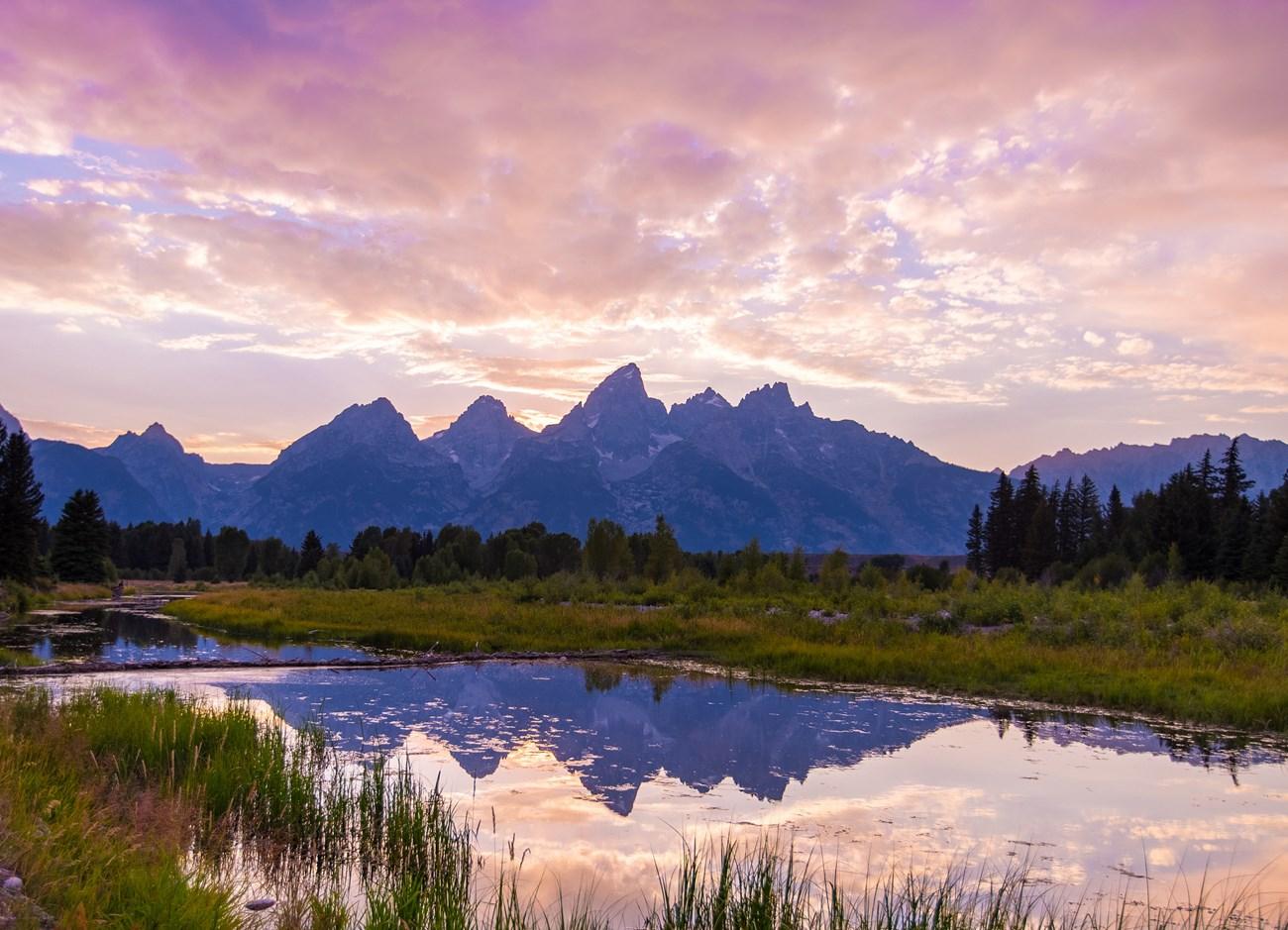 Tuskegee National Forest
 in Alabama offers pine woods, quiet trails, wildlife, fishing and nearby Tuskegee African American heritage sites.
Tuskegee National Forest
Tuskegee National Forest in Alabama offers pine woods, quiet trails, wildlife, fishing and nearby Tuskegee African American heritage sites.


Swipe for more destinations
Best attractions in Wiregrass Region
The Wiregrass offers a varied but geographically dispersed collection of attractions rooted in agriculture, local history, military aviation and outdoor landscapes. In Dothan, Landmark Park interprets rural life through historic buildings, a working farm setting, nature trails and educational facilities, while the Wiregrass Museum of Art provides a more contemporary view of regional creativity. Enterprise’s Boll Weevil Monument is an unusual and significant piece of agricultural history, and Ozark offers access to civic heritage and the Pea River environment. The United States Army Aviation Museum at Fort Novosel, subject to installation access requirements, presents an extensive history of Army flight. Smaller communities contribute courthouses, historic districts, local museums and seasonal events rather than large formal attractions. Around the towns, pine woods, creeks, fields and river corridors support fishing, birdwatching, walking and photographic excursions. The region’s appeal lies in the connections between these experiences: a farm landscape explains the peanut economy, a monument explains agricultural change, and aviation history reveals the modern importance of the military presence. Travellers should plan by area, as public transport is limited and individual sites may have different opening arrangements.
-
Tourist attraction
U.S. Space & Rocket Center
Discover the U.S. Space & Rocket Center: A premier destination for space exploration enthusiasts and families in Huntsville, Alabama.
-
Tourist attraction
Alabama Gulf Coast Zoo
Explore the Alabama Gulf Coast Zoo - a family-friendly attraction featuring diverse wildlife and engaging experiences on the beautiful Alabama coast.
-
Tourist attraction
Bankhead National Forest
Experience the beauty of Bankhead National Forest in Alabama - a lush paradise for outdoor enthusiasts and nature lovers with breathtaking landscapes and diverse wildlife.
-
Tourist attraction
Little River Canyon National Preserve
Explore the breathtaking landscapes and diverse ecosystems of Little River Canyon National Preserve in Alabama, a paradise for nature lovers and outdoor adventurers.
Best landmarks in Wiregrass Region
The Boll Weevil Monument in Enterprise is the Wiregrass’s most distinctive civic landmark, commemorating the insect that disrupted cotton farming and encouraged the region’s shift towards peanuts and other crops. In Dothan, the Houston County Courthouse and the city’s historic civic core reflect the importance of local government and commerce in a region built around agricultural trade. Landmark Park’s historic structures provide a tangible interpretation of the nineteenth-century rural landscape, while Dothan’s Peanut Monument and related public symbols express the crop’s continuing importance. Ozark’s courthouse and town centre represent the civic architecture of a longstanding county seat, and the Pea River valley supplies a natural counterpoint to the built environment. Fort Novosel’s aviation heritage is also a defining regional presence, although military access is controlled and should never be assumed. Together, these landmarks trace the Wiregrass from Indigenous and agrarian landscapes through cotton, agricultural crisis, peanut production and modern military aviation, rather than presenting the region as a collection of isolated historic buildings.
-
Tourist attraction
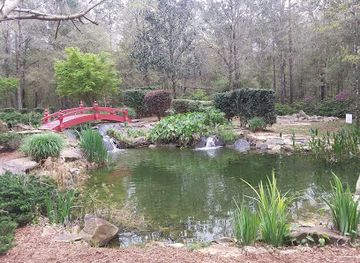
Dothan Area Botanical Gardens
Explore nature's beauty at the Dothan Area Botanical Gardens, a must-visit destination for tourists in Alabama with stunning flora and serene landscapes.
-
Tourist attraction
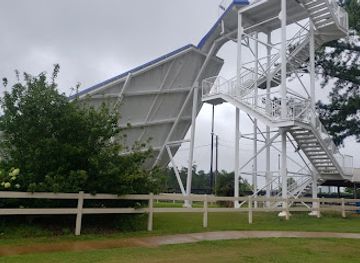
Water World
Dive into fun at Water World Dothan! Thrilling slides, relaxing pools, and family-friendly activities await in Alabama's favorite water park.
-
Historical place museum
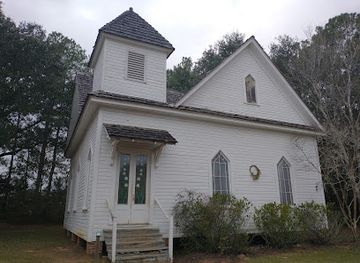
Landmark Park
Explore the fascinating history and natural beauty of Landmark Park in Dothan, Alabama, a must-visit destination for history buffs and families alike.
-
Historical place museum
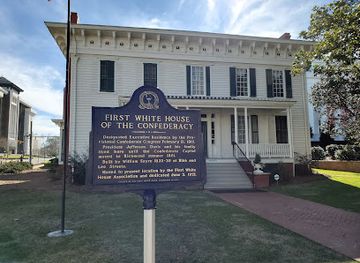
The First White House of the Confederacy
Discover the rich history of the Confederacy at The First White House of the Confederacy in Montgomery, Alabama, a unique historical museum experience.
Explore Wiregrass Region on the map
Plan your trip on one map. See where the top cities, national parks and sights are, and book hotels and experiences in a few clicks.
Best hotels in Wiregrass Region
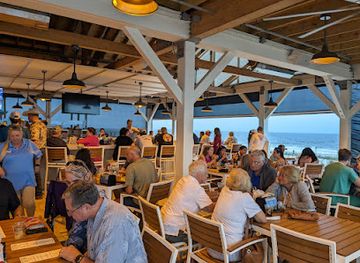
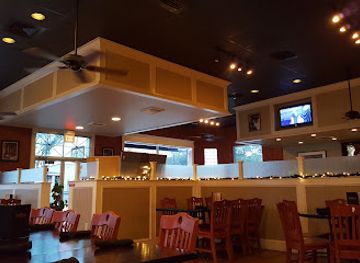
Best restaurants in Wiregrass Region
Wiregrass dining reflects southeastern Alabama’s agricultural setting and broader Southern food traditions. Barbecue, fried chicken, catfish, shrimp, collard greens, fried okra, biscuits, cornbread and fruit pies are common reference points, while peanuts appear in snacks, confectionery and regional products. Dothan has the widest selection of independent restaurants, cafés and familiar American dining formats, with Enterprise and Ozark offering further choices in smaller-town settings. Rural roads may lead to family-run restaurants, farm stands and casual eateries, but opening days can vary, so planning is useful. Seafood is available despite the region’s inland position, reflecting the wider Gulf South rather than a specifically Wiregrass origin. Visitors will also find steakhouses, diners, bakeries and contemporary restaurants alongside traditional cooking. Farmers’ markets and seasonal produce stalls provide opportunities to sample local ingredients, particularly where growers sell directly to the public. Tipping follows standard United States practice, with gratuities expected for table service.
-
Seafood
The Juicy Crab - Dothan
Experience an unforgettable seafood feast at The Juicy Crab in Dothan, where fresh flavors meet family-friendly dining.
-
Restaurant
Coastal Orange Beach
Experience Coastal Orange Beach: where exquisite dining meets breathtaking ocean views in Alabama's paradise.
-
Grill
Fire Stone Wood Fired Grill
Experience the art of wood-fired cooking at Fire Stone Wood Fired Grill in Dothan - where flavor meets warmth.
-
Seafood
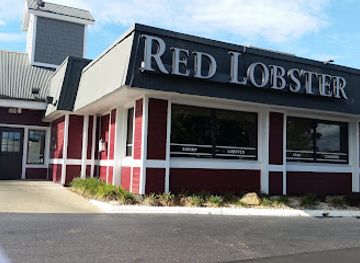
Red Lobster
Savor fresh seafood at Red Lobster in Dothan - where ocean flavors meet family-friendly dining in Alabama.

Best bars in Wiregrass Region
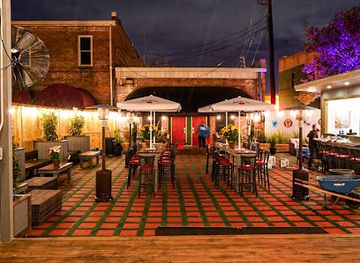
Evening life in the Wiregrass is centred more on restaurants, neighbourhood bars, breweries, live music and traditional pubs than on a large club scene. Dothan has the broadest choice of places to meet after dark, including casual bars and venues associated with music or events, while Enterprise and Ozark offer a smaller selection shaped by their local populations, military connections and student or professional communities. In rural areas, evenings are typically quieter and may revolve around dining, community events or socialising in established local venues. Alcohol service, age requirements and closing arrangements follow Alabama law and individual venue policies. Visitors should not assume that a venue operates late every night, particularly outside Dothan, and should arrange transport before drinking. Seasonal festivals and college or military-related events can temporarily increase activity, but they should be checked locally rather than treated as permanent features of the nightlife calendar.
-
Seafood
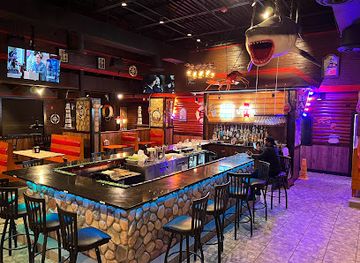
The Juicy Crab - Dothan
Discover the ultimate seafood experience at The Juicy Crab in Dothan, where fresh flavors and a family-friendly atmosphere await!
-
Restaurant
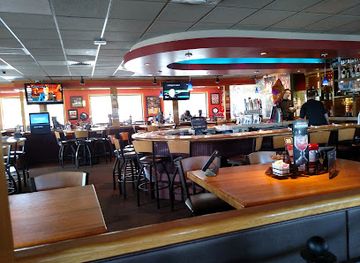
Applebee's Grill + Bar
Experience the best of American cuisine at Applebee's Grill + Bar in Dothan, Alabama - where delicious food meets a friendly atmosphere.
-
Grill
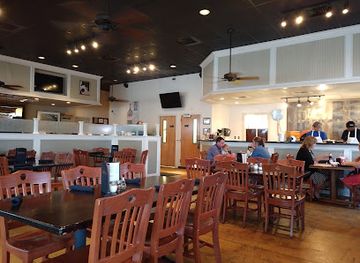
Fire Stone Wood Fired Grill
Discover the delicious offerings at Fire Stone Wood Fired Grill, where wood-fired pizzas and American favorites await in Dothan, Alabama.
-
Steak
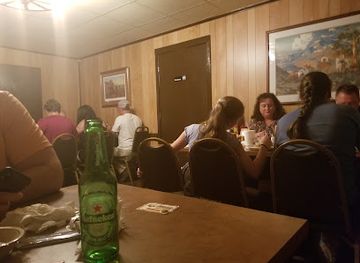
Conestoga Steak House
Indulge in mouthwatering steaks and a cozy atmosphere at Conestoga Steak House in Dothan, Alabama.
Best nightclubs in Wiregrass Region
Evening life in the Wiregrass is centred more on restaurants, neighbourhood bars, breweries, live music and traditional pubs than on a large club scene. Dothan has the broadest choice of places to meet after dark, including casual bars and venues associated with music or events, while Enterprise and Ozark offer a smaller selection shaped by their local populations, military connections and student or professional communities. In rural areas, evenings are typically quieter and may revolve around dining, community events or socialising in established local venues. Alcohol service, age requirements and closing arrangements follow Alabama law and individual venue policies. Visitors should not assume that a venue operates late every night, particularly outside Dothan, and should arrange transport before drinking. Seasonal festivals and college or military-related events can temporarily increase activity, but they should be checked locally rather than treated as permanent features of the nightlife calendar.
-
Bar
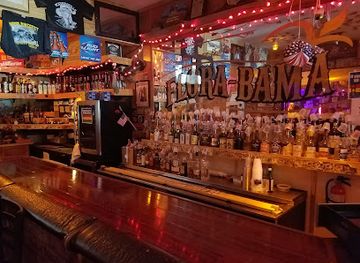
Flora-Bama
Discover the lively Flora-Bama bar, a unique coastal venue offering live music, delicious food, and unforgettable beach experiences in Pensacola, Florida.
-
Bar
Rain Dothan
Discover the lively atmosphere and live music at Rain Dothan, a premier bar and event venue in Alabama's hidden gem.
-
Lounge
Plum's Lounge
Discover Dothan's vibrant nightlife at Plum's Lounge, where friendly vibes and affordable drinks create the perfect evening retreat.
-
Gay night club
The Quest Club
Explore Birmingham's nightlife at The Quest Club, a lively gay nightclub offering an inclusive atmosphere, themed events, and vibrant entertainment.
Best shops in Wiregrass Region
Shopping in the Wiregrass is concentrated in Dothan, whose commercial areas provide the region’s largest selection of national retailers, independent shops, antiques, books, clothing and everyday supplies. Enterprise, Ozark and smaller towns offer traditional high streets, local businesses and practical services rather than extensive luxury retail. Visitors looking for regional products should seek reputable farmers’ markets, speciality food shops, seasonal produce stands and craft sellers, where peanuts, peanut sweets, preserves, baked goods and other Alabama-made items may be available. Antique stores and art galleries can provide more individual souvenirs than standard gift shops, while museum shops may carry locally themed books and educational items. Market schedules and vendor availability change with the season, so it is wise to confirm arrangements before making a special journey. The most meaningful purchases are generally food products, local artwork, books about Wiregrass history and small craft items rather than mass-produced souvenirs.
-
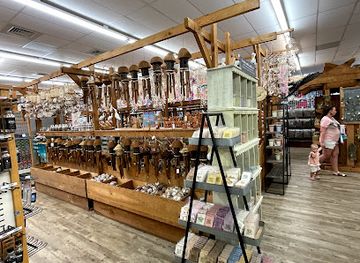
Gift shop
Souvenir City
Explore Souvenir City in Gulf Shores for unique gifts, local crafts, and unforgettable mementos from your beach vacation.
-
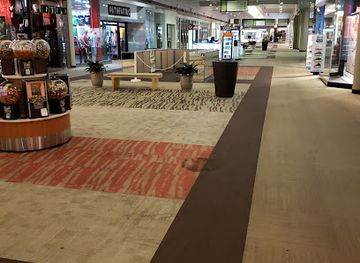
Shopping mall
Wiregrass Commons Mall
Explore Wiregrass Commons Mall: A Premier Shopping and Dining Destination in Dothan, Alabama.
-
Shopping mall
Northside Plaza
Discover the vibrant Northside Plaza, Dothan's top shopping mall featuring diverse stores and delicious dining options for every taste.
-
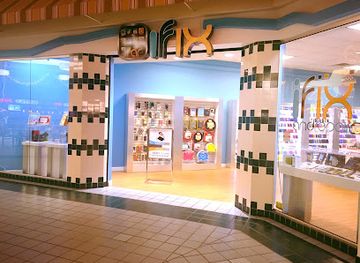
Mobile phone repair shop
iFixandRepair - Wiregrass Commons Mall Dothan
Explore Dothan while keeping your devices in top shape at iFixandRepair in Wiregrass Commons Mall, your trusted mobile repair destination.
Get your free copy of our complete guide to Wiregrass Region, delivered straight to you.
Everything on this page, from attractions and restaurants to essentials and local phrases, in one PDF you can read offline, print or share.
Already have an account? Sign in
Your Wiregrass Region guide is ready.
We'll send it to · Not you? Sign out

Getting your guide ready…
We are putting together a fresh copy of the Wiregrass Region guide. This can take up to a minute.
This can take a few moments. If your browser asks, choose Allow so the download can start. You'll find the guide in your Downloads folder.
Nothing happened? Download it again
Sorry, the guide is taking longer than usual. Please try again in a minute, or get it by email instead.
Wiregrass Region essentials
Currency and Payment
Safety
Emergency Situations
Do's and Don'ts
Local Tips
From Eve
Local phrases worth knowing
You don't need to get them perfect. A few words go a long way, and locals appreciate the effort.
Basics
| English | Local | Say it |
|---|---|---|
| Hello | Howdy | [Haw-dee] |
| Goodbye | See ya later | [See ya lay-ter] |
| Yes | Yep | [Yep] |
| No | Nope | [Nope] |
| Please/You're welcome | Please/No problem | [Please/No pro-blem] |
| Thank you | Thank ya | [Thank ya] |
| Excuse me/Sorry | Pardon me/Sorry 'bout that | [Par-don me/Sorry 'bout that] |
| How are you? | How ya doin'? | [How ya doin'?] |
| Fine. And you? | I’m good. How 'bout you? | [I’m good. How 'bout you?] |
| Do you speak English? | Ya speakin' English? | [Ya speakin' English?] |
| I don't understand | I ain't followin' | [I ain't followin'] |
Eating & Drinking
| English | Local | Say it |
|---|---|---|
| I'd like to see the menu, please | Can I see the menu, please? | [Can I see the menu, please?] |
| I don't eat meat | I don't eat no meat | [I don't eat no meat] |
| Cheers! | Cheers! | [Cheers!] |
| I would like to pay, please | Can I get the check, please? | [Can I get the check, please?] |
Emergencies
| English | Local | Say it |
|---|---|---|
| Help! | Help! | [Help!] |
| Go away! | Leave me alone! | [Leave me alone!] |
| Call the Police! | Call the cops! | [Call the cops!] |
| Call a doctor! | Call a doc! | [Call a doc!] |
| I'm lost | I’m lost | [I’m lost] |
| I'm ill | I ain't feelin' good | [I ain't feelin' good] |
Shopping
| English | Local | Say it |
|---|---|---|
| I'd like to buy... | I wanna buy... | [I wanna buy...] |
| I'm just looking | Just lookin' around | [Just lookin' around] |
| How much is it? | How much's that? | [How much's that?] |
| That's too expensive | That’s way too high | [That’s way too high] |
| Can you lower the price? | Can ya bring down the price? | [Can ya bring down the price?] |
Time & Numbers
| English | Local | Say it |
|---|---|---|
| What time is it? | What time's it? | [What time's it?] |
| It's one o'clock | It's one o'clock | [It's one o'clock] |
| Half past (10) | Half past ten | [Half past ten] |
| Morning | Mornin' | [Mornin'] |
| Afternoon | Afternoon | [Afternoon] |
| Evening | Evenin' | [Evenin'] |
| Yesterday | Yesterday | [Yesterday] |
| Today | Today | [Today] |
| Tomorrow | Tomorrow | [Tomorrow] |
| 1 | One | [One] |
| 2 | Two | [Two] |
| 3 | Three | [Three] |
| 4 | Four | [Four] |
| 5 | Five | [Five] |
| 6 | Six | [Six] |
| 7 | Seven | [Seven] |
| 8 | Eight | [Eight] |
| 9 | Nine | [Nine] |
| 10 | Ten | [Ten] |
Transport & Directions
| English | Local | Say it |
|---|---|---|
| Where's a/the...? | Where's a...? | [Where's a...?] |
| What's the address? | What's the address? | [What's the address?] |
| Can you show me (on the map)? | Can ya show me on the map? | [Can ya show me on the map?] |
| When's the next (bus)? | When's the next bus? | [When's the next bus?] |
| A ticket (to ....) | A ticket to ... | [A ticket to ...] |
History of Wiregrass Region
Indigenous Homelands and Early Exchange
The Wiregrass lies within lands long inhabited and used by Indigenous peoples, including communities associated with the Muscogee, or Creek, world. Rivers, wetlands and upland forests supported hunting, farming and movement across southeastern Alabama. European colonisation altered these systems through disease, trade, warfare and land pressure. By the early nineteenth century, the region had become part of the contested frontier of the United States, and the forced removal of many Indigenous people during the era of Indian Removal profoundly changed its population and political geography.
Cotton, Timber and Settlement
During the nineteenth century, American settlement expanded across the Wiregrass through a combination of cotton cultivation, livestock raising, timber cutting and small-scale farming. Towns developed around roads, river crossings and later railway connections, linking the interior to markets beyond southeastern Alabama. Cotton brought wealth to some landowners but depended on enslaved labour before the Civil War and left a legacy of racial inequality after emancipation. Pine forests and sawmills also became important, encouraging further settlement and shaping the region’s rural economy.
Civil War and Reconstruction
The Wiregrass was less heavily industrialised than Alabama’s major river and manufacturing centres, but the Civil War and Reconstruction still transformed local life. Men, farms and transport networks were drawn into the Confederate war effort, while emancipation ended slavery and created a difficult struggle over land, labour and political rights. After the war, cotton remained dominant in many districts, often through tenant farming and sharecropping. Churches, schools, courthouses and growing towns became important institutions in the region’s post-war social order.
Railways and the Rise of Cotton Towns
Railway construction and improved roads accelerated the growth of Wiregrass towns in the late nineteenth and early twentieth centuries. Dothan became a significant commercial centre, while Enterprise, Ozark and other communities served surrounding farms and timber operations. Rail connections allowed cotton, lumber and agricultural supplies to move more efficiently, encouraged merchants and banks, and helped establish the settlement pattern still visible today. The period also strengthened the region’s links with neighbouring Georgia and Florida, making the Wiregrass an interstate commercial crossroads.
The Boll Weevil and Agricultural Change
The arrival of the boll weevil in the early twentieth century damaged the cotton economy throughout the South and reached the Wiregrass with serious consequences. Enterprise responded by commemorating the insect in the Boll Weevil Monument, unveiled in 1919 as a symbol of the forced agricultural changes that followed. Farmers diversified into peanuts, livestock and other crops, and peanuts became especially important to the local economy. The episode remains one of the region’s clearest examples of environmental disruption influencing business, culture and civic identity.
Military Aviation in the Wiregrass
Military aviation became a major modern influence through the establishment and expansion of the United States Army aviation installation now known as Fort Novosel near Ozark. The base, formerly named Fort Rucker, helped make the area an international centre for Army helicopter training and brought military personnel, families and institutions to southeastern Alabama. Its presence affected housing, commerce and cultural exchange across the region. The United States Army Aviation Museum, located on the installation, preserves aircraft and stories connected with this important chapter.
Modern Regional Identity
Since the mid-twentieth century, the Wiregrass has combined agriculture with healthcare, education, retail, military activity, light industry and service-sector employment. Dothan has developed as the region’s principal medical and commercial centre, while smaller towns have maintained civic traditions and local institutions. Peanut production remains highly visible, but the contemporary economy is more varied than the historic cotton system. Museums, festivals, arts organisations and heritage sites now interpret the region’s past while communities continue to adapt to changing rural and urban conditions.
Wiregrass Region in Photos
Browse through our photo collection highlighting the charm and character of the destination.
Neighbouring regions of Wiregrass Region
The closest regions to Wiregrass Region, if you have time for more than one.
-

-

-

-
-


Swipe for more regions
Explore more

Explore more of Alabama
Discover Alabama: A Southern state rich in history, culture, and natural beauty, offering unforgettable experiences from vibrant cities to serene beaches and majestic mountains.
Explore Alabama