

Kelmendi, Albania Travel Guide
Explore the unspoiled beauty and rich cultural heritage of Kelmendi, Albania, a hidden gem in the northern Albanian Alps perfect for nature lovers and adventure seekers.
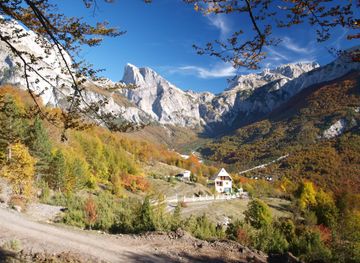
Nestled in the rugged northern Albanian Alps, Kelmendi is a hidden gem waiting to be discovered by adventurous travelers. Known for its breathtaking landscapes, the area offers a serene escape from bustling city life. The region is characterized by its lush valleys, towering peaks, and crystal-clear rivers, making it a paradise for nature lovers and outdoor enthusiasts. One of the highlights of Kelmendi is the village of Vermosh, the northernmost village in Albania. Here, you can experience traditional Albanian hospitality, with local families offering cozy guesthouses and hearty homemade meals. The village is an excellent base for exploring the surrounding mountains, whether you're hiking, biking, or simply taking in the stunning views. Kelmendi is also rich in history and culture. The region has a unique blend of influences from its neighboring countries, reflected in its architecture, folklore, and cuisine. Don't miss the chance to try local specialties such as 'flija,' a delicious layered pastry, and 'rakia,' a traditional Albanian brandy. With its unspoiled beauty and warm local charm, Kelmendi promises an unforgettable travel experience.

Know before you go
Hi, I'm Eve. Here are a few practical things to know before exploring Kelmendi.
- Visit in late spring or early autumn for the best weather and fewer tourists.
- Bring cash, as ATMs and card facilities are rare in the region.
- Hire a local guide for hiking to gain insights into the area's history and hidden trails.
- Try to learn a few basic Albanian phrases; locals appreciate the effort.
Destinations in Kelmendi
Resorts, valleys and scenic spots worth a trip of their own.


Explore Kelmendi: Things to Do, Places to Eat, Hotels & More
Handpicked recommendations for top attractions, local dining, accommodations, and more

Top Attractions & Sightseeing in Kelmendi
Top-rated picks
Best Attractions

Rana e Hedhun
Discover the unique beauty of Rana e Hedhun, a breathtaking natural attraction in Shëngjin, Albania, featuring stunning sand dunes and picturesque coastal views.

Online Tourist Information - Xhiro n'Shkoder
Explore Shkodra and the Albanian Alps with Xhiro n'Shkoder, your essential travel hub for rentals and local insights.

Komani Lake i Shala river
Discover the breathtaking beauty of Komani Lake and the Shala River, Albania's hidden paradise, offering fjord-like scenery and turquoise waters.

Lumi i Shales
Discover Lumi i Shales: Albania's hidden paradise with turquoise waters, stunning mountain views, and authentic Albanian hospitality.

Best landmarks in Kelmendi
Top-rated picks
Best Landmarks

Theth National Park
Explore the stunning landscapes and rich cultural heritage of Theth National Park, a natural gem in the heart of Albania's Albanian Alps.

Afrim Cenaj/Kukës Underground
Discover the unique Kukës Underground, a war museum that unveils the rich military history of Albania in an immersive underground setting.

Tyrbja e Kapllan Pashës
Discover the captivating history and architectural beauty of Tyrbja e Kapllan Pashës, a must-visit historical landmark in Tirana, Albania.

Lapidari
Discover the historical landmark of Lapidari in Sauk, Albania, where rich heritage and stunning architecture await your exploration.

Best restaurants in Kelmendi
Top-rated picks
Best Restaurants

Mrizi i Zanave - Restorant Agroturizëm
Discover authentic Albanian cuisine at Mrizi i Zanave - a culinary gem set amidst stunning natural beauty.

Odas Garden
Discover authentic Albanian flavors at Odas Garden in Tirana - where tradition meets taste in a charming setting.

Restaurant Piceri Era "Blloku"
Discover authentic Albanian cuisine at Restaurant Piceri Era 'Blloku', where tradition meets modern dining in the heart of Tirana.

Restorant Tymi
Discover the authentic flavors of Greece and the Mediterranean at Restorant Tymi in Tirana—where tradition meets taste.

Best bars in Kelmendi
Top-rated picks
Best Bars

Jericho Cocktail Bar
Experience the vibrant nightlife at Jericho Cocktail Bar in Saranda, Albania, offering delicious cocktails and stunning sea views.

Radio bar Tirana
Immerse yourself in the lively atmosphere of Radio Bar Tirana, where creative cocktails and eclectic decor meet local charm.

New Irish Pub
Discover the vibrant atmosphere and delicious offerings at New Irish Pub, a must-visit destination in Tirana for food and fun lovers.

Hemingway Bar Tirana
Discover the vibrant atmosphere of Hemingway Bar Tirana, where jazz meets social elegance in the heart of Albania's capital.

Best nightclubs in Kelmendi
Top-rated picks
Best Nightclubs

Cinco Cavalli Premium Club
Discover the vibrant nightlife at Cinco Cavalli Premium Club, the top destination for unforgettable parties in Sauk, Albania.

Sky Club
Experience the vibrant nightlife of Tirana at Sky Club, where stunning views and electrifying ambiance create unforgettable memories.

Lust Night Club ( Strip )
Experience the vibrant nightlife of Tirana at Lust Night Club, where captivating performances meet an electrifying atmosphere.

Venue Dance Club
Dive into the electrifying nightlife of Tirana at Venue Dance Club, the ultimate destination for music, dancing, and unforgettable memories.

Best shops in Kelmendi
Top-rated picks
Best Shops

Toptani
Experience the heart of shopping and dining at Toptani, the ultimate shopping mall in Tirana, Albania, where style meets culture.

QTU - Qendra Tregtare Univers
Discover the vibrant shopping and entertainment experience at QTU - Qendra Tregtare Univers, a must-visit destination in Tirana, Albania.

Souvenir Albania RETAIL & WHOLESALE
Explore the essence of Albania with unique handcrafted gifts and souvenirs at Souvenir Albania, a gem in Shkodër.

Elbasani Store
Discover the vibrant shopping scene at Elbasani Store in Elbasan, offering a blend of local charm and international brands for every visitor.

Explore Kelmendi on the Map
A handpicked selection of must-see spots in Kelmendi, mapped for you.
Kelmendi Essentials
-
Kelmendi is located in the northern part of Albania, near the border with Montenegro. The nearest international airport is Tirana International Airport (Nënë Tereza), approximately 150 kilometers away. From Tirana, you can take a bus or hire a taxi to reach Shkodra, the nearest major city to Kelmendi. From Shkodra, local minibuses (furgons) or private taxis can take you directly to Kelmendi. The entire journey from Tirana typically takes around 4 to 5 hours by road.
-
Transportation within Kelmendi is limited due to its remote and mountainous terrain. The best way to explore the area is by renting a car or hiring a local guide who can provide transportation and insights into the region. Public transport options are minimal, but local minibuses (furgons) operate between major villages. For short distances, walking and hiking are common and offer a great way to enjoy the stunning landscapes.
-
The official currency in Albania is the Albanian Lek (ALL). Credit cards are accepted in some hotels and restaurants, but it is advisable to carry cash, especially in smaller establishments and rural areas like Kelmendi. ATMs are available in Shkodra, so it is wise to withdraw sufficient cash before heading into the mountains. It is also a good idea to carry small denominations for easier transactions in local markets and shops.
-
Kelmendi is generally a safe destination for tourists. However, like any travel destination, it is advisable to take standard precautions. Avoid walking alone at night in unfamiliar areas and keep an eye on your belongings in crowded places. There are no specific high-crime areas targeting tourists, but it is always best to stay vigilant and aware of your surroundings. The local community is known for its hospitality and friendliness towards visitors.
-
In case of emergency, dial 112 for immediate assistance. The local police station and medical facilities are available in Shkodra, so it is recommended to head there for serious emergencies. It is advisable to have travel insurance that covers medical emergencies. For minor health issues, there are pharmacies in Shkodra where you can purchase over-the-counter medications. Keep a basic first aid kit with you when exploring remote areas.
-
Fashion: Do dress modestly, especially when visiting religious sites. Avoid wearing revealing clothing. Religion: Do respect local customs and traditions. Always ask for permission before photographing people, especially in remote villages. Public Transport: Do be respectful and give up your seat to elderly passengers. Don't eat or drink on public transport. Greetings: Do greet people with a handshake or a friendly 'hello.' A smile goes a long way in building rapport. Eating & Drinking: Do try local delicacies and accept food offerings graciously. Don’t refuse hospitality, as it is considered impolite.
-
To experience Kelmendi like a local, engage with the local community and participate in traditional events and festivals. Try homemade Raki and local dishes such as Flija and Pite. Visit the local markets where you can buy fresh produce and traditional Albanian goods. Take the time to hike the scenic trails and explore hidden gems such as the Grunas Waterfall and the Blue Eye of Kelmendi. Engaging with locals can offer unique insights into the region's history and culture.
When is the best time to visit Kelmendi?
Useful Local Phrases for Kelmendi
You don't need to speak the language perfectly. Even learning a few simple words can make conversations warmer—and locals usually appreciate the effort.
— Eve

Here are the phrases I use most often in Kelmendi. Try a few—you'll be surprised how far they go! 😊
❤️
-
- HelloPërshëndetje
[Per-shen-de-te] - GoodbyeMirupafshim
[Mi-ru-paf-shim] - YesPo
[Po] - NoJo
[Yo] - Please/You're welcomeTë lutem/Je mirëpritur
[Te lu-tem/Ye mir-pri-tur] - Thank youFaleminderit
[Fa-le-min-de-rit] - Excuse me/SorryMë falni
[Me fal-ni] - How are you?Si jeni?
[Si ye-ni] - Fine. And you?Mirë. Edhe ti?
[Mir-e. Edhe ti] - Do you speak English?A flisni anglisht?
[A flis-ni an-glisht] - I don't understandNuk kuptoj
[Nuk kup-toj]
- HelloPërshëndetje
-
- I'd like to see the menu, pleaseDo doja të shihja menunë, të lutem
[Do do-ja te shi-hja me-nu-ne, te lu-tem] - I don't eat meatNuk ha mish
[Nuk ha mish] - Cheers!Gëzuar!
[Ge-zu-ar] - I would like to pay, pleaseDo doja të paguaja, të lutem
[Do do-ja te pa-gu-a-ja, te lu-tem]
- I'd like to see the menu, pleaseDo doja të shihja menunë, të lutem
-
- Help!Ndihmë!
[Ndi-hme] - Go away!Shiko larg!
[Shi-ko larg] - Call the Police!Thirrni policinë!
[Thir-rni po-li-ci-ne] - Call a doctor!Thirrni një doktor!
[Thir-rni nje dok-tor] - I'm lostJam i humbur
[Jam i hum-bur] - I'm illJam i sëmurë
[Jam i se-mur]
- Help!Ndihmë!
-
- I'd like to buy...Do doja të bleja...
[Do do-ja te ble-ja] - I'm just lookingPo shikoj
[Po shi-koy] - How much is it?Sa kushton?
[Sa kushton] - That's too expensiveKjo është shumë e shtrenjtë
[Kjo esht shume e shtrenj-te] - Can you lower the price?A mund të ulni çmimin?
[A mund te ul-ni chmi-nin]
- I'd like to buy...Do doja të bleja...
-
- What time is it?Çfarë ore është?
[Chfar-e o-re esht] - It's one o'clockËshtë një orë
[Esht nje o-re] - Half past (10)Pjesë pas (10)
[Pje-se pas] - MorningMëngjes
[Men-gjes] - AfternoonPasdite
[Pas-di-te] - EveningMbrëmje
[Mbrëm-je] - YesterdayDje
[Dje] - TodaySot
[Sot] - TomorrowNesër
[Ne-sër] - 11
[1] - 22
[2] - 33
[3] - 44
[4] - 55
[5] - 66
[6] - 77
[7] - 88
[8] - 99
[9] - 1010
[10]
- What time is it?Çfarë ore është?
-
- Where's a/the...?Ku është një ...?
[Ku esht nje] - What's the address?Cila është adresa?
[Cila esht a-dre-sa] - Can you show me (on the map)?A mund të më tregoni (në hartë)?
[A mund te me tre-go-ni] - When's the next (bus)?Kur është autobusi tjetër?
[Kur esht au-to-bu-si tjeter] - A ticket (to ....)Një biletë (për ....)
[Nje bi-le-te]
- Where's a/the...?Ku është një ...?
History of Kelmendi
-
The history of Kelmendi in Albania dates back to ancient times. The region was originally inhabited by the Illyrians, an Indo-European people who were known for their warrior culture. Archaeological findings, including pottery and tools, suggest that the area was an important trade and cultural center during the Illyrian period.
-
During the Ottoman Empire's reign, Kelmendi became a crucial part of the resistance against Ottoman rule. The Kelmendi tribe was known for its fierce independence and played a significant role in various uprisings. Despite numerous attempts by the Ottomans to subjugate the region, the Kelmendi people maintained a high degree of autonomy, often engaging in guerrilla warfare to protect their land and culture.
-
In 1878, Kelmendi was part of the League of Prizren, an Albanian political organization that sought to resist the partition of Albanian-inhabited lands by the Great Powers. The League aimed to unite all Albanian territories and preserve their autonomy within the Ottoman Empire. Kelmendi's participation in the League highlights its longstanding tradition of resistance and desire for self-determination.
-
During the Balkan Wars and World War I, Kelmendi found itself at the crossroads of conflict. The region was contested by various factions, including the newly formed Albanian state, Montenegro, and Serbia. Despite these challenges, the people of Kelmendi continued to defend their homes and maintain their cultural identity, often allying with other Albanian tribes.
-
Following World War II, Albania became a communist state under the leadership of Enver Hoxha. The communist regime sought to modernize the country, but this often came at the expense of traditional ways of life. In Kelmendi, collectivization and state control disrupted the local economy and social structures. However, the region's remote location allowed some traditional practices to endure despite the government's efforts.
-
With the fall of communism in the early 1990s, Kelmendi, like much of Albania, faced significant economic and social challenges. The transition to a market economy was difficult, and many people emigrated in search of better opportunities. However, the region has also seen a revival of cultural practices and a growing interest in tourism, as visitors are drawn to its stunning landscapes and rich history.
-
Kelmendi is renowned for its rich cultural heritage and traditions. The region is known for its unique folk music, dance, and traditional clothing. The Kelmendi people have preserved many aspects of their cultural identity, including the use of the Albanian language and the practice of customary law, known as Kanun. Festivals and celebrations, such as weddings and religious holidays, are vital parts of community life and offer a glimpse into the area's vibrant cultural landscape.
Neighbouring Regions of Kelmendi
The closest regions to Kelmendi, if you have time for more than one.




Your all‑in‑one travel companion app
Explore expert travel guides, compare and book tours, experiences, hotels, and more—all from the palm of your hand. Download now for seamless trip planning wherever your wanderlust takes you.


Explore More of Albania

Looking beyond Kelmendi? Discover Albania for broader travel guides, local hot-spots, and regional highlights.
Explore AlbaniaKelmendi in Photos
Browse through our photo collection highlighting the charm and character of the destination.

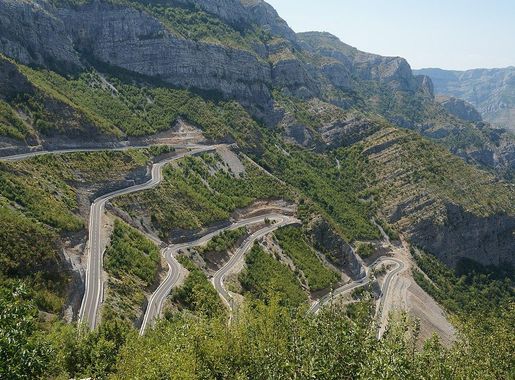


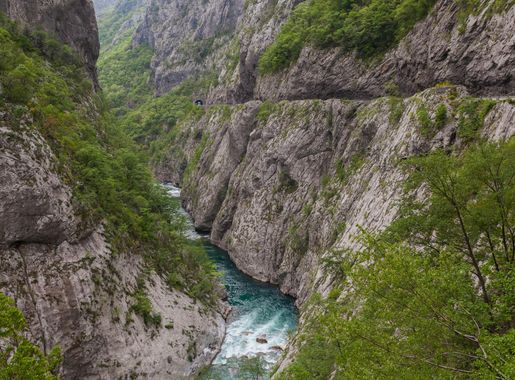
The Enchanted Valleys of Kelmendi, Albania
Nestled in the rugged northern Albanian Alps, Kelmendi is a hidden gem waiting to be discovered by adventurous travelers. Known for its breathtaking landscapes, the area offers a serene escape from bustling city life. The region is characterized by its lush valleys, towering peaks, and crystal-clear rivers, making it a paradise for nature lovers and outdoor enthusiasts. One of the highlights of Kelmendi is the village of Vermosh, the northernmost village in Albania. Here, you can experience traditional Albanian hospitality, with local families offering cozy guesthouses and hearty homemade meals. The village is an excellent base for exploring the surrounding mountains, whether you're hiking, biking, or simply taking in the stunning views. Kelmendi is also rich in history and culture. The region has a unique blend of influences from its neighboring countries, reflected in its architecture, folklore, and cuisine. Don't miss the chance to try local specialties such as 'flija,' a delicious layered pastry, and 'rakia,' a traditional Albanian brandy. With its unspoiled beauty and warm local charm, Kelmendi promises an unforgettable travel experience.