

Shkodra Highlands, Albania Travel Guide
Discover the unspoiled beauty and rich cultural heritage of Albania's Shkodra Highlands, a paradise for nature lovers and adventure seekers.
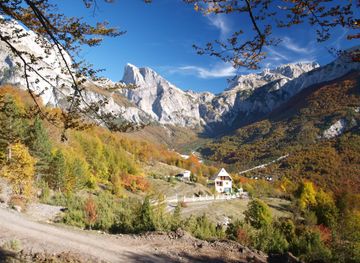
Nestled in northern Albania, the Shkodra Highlands are a hidden gem waiting to be explored. This mountainous region is known for its breathtaking landscapes, where jagged peaks meet lush valleys and crystal-clear rivers. The Shkodra Highlands offer a serene escape from the bustling city life, making it a perfect destination for nature lovers and adventure seekers alike. The region is rich in history and culture, with ancient ruins and traditional villages dotting the landscape. Visitors can explore the remnants of Illyrian fortresses or wander through charming hamlets where time seems to stand still. The locals are known for their warm hospitality, often welcoming tourists with open arms and a taste of traditional Albanian cuisine. Outdoor enthusiasts will find plenty to keep them occupied, from hiking and trekking to bird watching and fishing. The Shkodra Highlands are also home to the majestic Lake Shkodra, the largest lake in the Balkans, which offers opportunities for swimming, boating, and even kayaking. For those seeking a more relaxed experience, simply soaking in the breathtaking views and enjoying the tranquility of the highlands is a reward in itself.

Know before you go
Hi, I'm Eve. Here are a few practical things to know before exploring Shkodra Highlands.
- Visit during spring or early autumn for the best weather and fewer crowds.
- Pack sturdy hiking boots and comfortable clothing for exploring the rugged terrain.
- Learn a few basic phrases in Albanian to connect with the friendly locals.
- Don't miss tasting local dishes like Fërgesë and Tave Kosi.
- Consider hiring a local guide to get the most out of your visit and discover hidden gems.
Destinations in Shkodra Highlands
Resorts, valleys and scenic spots worth a trip of their own.



Explore Shkodra Highlands: Things to Do, Places to Eat, Hotels & More
Handpicked recommendations for top attractions, local dining, accommodations, and more

Top Attractions & Sightseeing in Shkodra Highlands
Top-rated picks
Best Attractions

Кalaja e Shkodrёs
Explore Rozafa Fortress in Shkodër: A legendary castle with breathtaking views, rich history, and a poignant tale of sacrifice.

Arqipeshkëvia Metropolitane Shkodër Katedralja e Shën Shtjefnit
Discover Shkodër's grand cathedral, a symbol of faith and resilience, reflecting Albania's rich religious history and cultural heritage.

Xhamia e Plumbit
Discover Xhamia e Plumbit in Shkodër: A historical mosque showcasing Ottoman architecture and Albania's rich cultural heritage.

Shkodra
Discover Shkodra: A blend of ancient history, vibrant culture, and stunning nature in the heart of Albania, the gateway to the Alps.

Best landmarks in Shkodra Highlands
Top-rated picks
Best Landmarks

Rozafa Castle
Explore Rozafa Castle in Shkodër: A historic fortress with stunning views, ancient ruins, and the captivating legend of Rozafa.
Кalaja e Shkodrёs
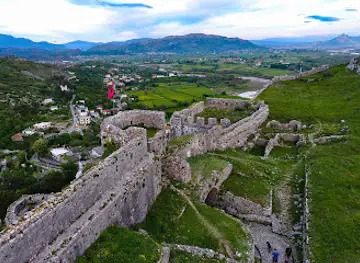
Explore the ancient Rozafa Fortress in Shkodër: where history, legend, and stunning views converge. A must-see Albanian landmark!

Arqipeshkëvia Metropolitane Shkodër Katedralja e Shën Shtjefnit
Discover Shkodër's architectural gem: a historic Catholic cathedral with stunning neo-Gothic design, echoing centuries of devotion and Albanian resilience.

Kole Idromeno Street
Experience the vibrant culture and historical charm of Shkodër on Kole Idromeno Street, a pedestrian paradise in the heart of the city.

Best restaurants in Shkodra Highlands
Top-rated picks
Best Restaurants

Fisi Restaurant - Traditional Food
Experience the rich flavors of traditional Albanian cuisine at Fisi Restaurant in Shkodër – where every meal is a cultural journey.

PURI
Experience authentic Albanian flavors at Puri - your go-to restaurant in Shkodër for traditional and vegetarian halal cuisine.

Vila Bekteshi Restorant
Experience the rich flavors of Albanian cuisine at Vila Bekteshi Restaurant in Shkodër - a culinary gem for every food lover.

Restaurant Arbri
Experience authentic Albanian seafood at Restaurant Arbri by Lake Shkodra – where every meal comes with stunning views.

Best bars in Shkodra Highlands
Top-rated picks
Best Bars

Fisi Restaurant - Traditional Food
Discover the authentic flavors of Albania at Fisi Restaurant in Shkodër, offering traditional dishes in a charming setting.

Vila Bekteshi Restorant
Experience the authentic taste of Albania at Vila Bekteshi Restaurant in Shkodër, where local flavors meet exceptional service.

Restaurant Arbri
Discover the flavors of Albania at Restaurant Arbri, where fresh seafood meets stunning views in Shiroke, Shkoder.

Bar Restaurant Shqiponja
Experience the authentic flavors of Albania at Bar Restaurant Shqiponja in Shkodër, where culinary tradition meets modern dining.

Best nightclubs in Shkodra Highlands
Top-rated picks
Best Nightclubs

Lust Night Club ( Strip )
Experience electrifying adult entertainment and vibrant nightlife at Lust Night Club in Tirana, where unforgettable performances await.

EKO CLUB
Discover the vibrant atmosphere and exceptional espresso at EKO CLUB, a must-visit café in Shkodër, Albania.

Kultura Pub & Bistro
Discover the rich flavors and vibrant atmosphere at Kultura Pub & Bistro in Shkodër, where local traditions meet modern dining.

Minimal
Experience the perfect blend of relaxation and social vibes at Minimal, Shkodër's ultimate lounge for breakfast, cocktails, and coffee.

Best shops in Shkodra Highlands
Top-rated picks
Best Shops

Rozafa Castle
Explore the majestic Rozafa Castle in Shkodër, a historical fortress with breathtaking views and rich Albanian legends.

Camping Legjenda
Discover the beauty of Camping Legjenda in Shkodër, Albania - a perfect blend of nature, comfort, and adventure awaits you.

Hotel Tradita
Experience the rich cultural heritage of Albania at Hotel Tradita, where tradition meets comfort in the heart of Shkodër.

Vila Bekteshi Restorant
Experience the authentic taste of Albania at Vila Bekteshi Restaurant in Shkodër, where tradition meets modern culinary excellence.

Explore Shkodra Highlands on the Map
A handpicked selection of must-see spots in Shkodra Highlands, mapped for you.
Shkodra Highlands Essentials
-
The Shkodra Highlands are located in northern Albania, close to the city of Shkodra. The nearest international airport is Tirana International Airport (TIA), approximately 95 kilometers away. From Tirana, you can take a bus, taxi, or rent a car to reach Shkodra. The journey typically takes around 2 to 3 hours by road. Alternatively, Shkodra can be reached via bus services from major cities in Albania and Montenegro.
-
Within the Shkodra Highlands, the most common mode of transportation is by car. Renting a car is highly recommended for exploring the region at your own pace. Local buses and minibuses (furgons) are available but may not cover all the remote areas. Taxis are also available in Shkodra city, but it's advisable to negotiate the fare beforehand. For a more authentic experience, consider renting a bicycle or even hiking to explore the scenic landscapes.
-
The official currency in Albania is the Albanian Lek (ALL). Credit cards are accepted in some hotels, restaurants, and shops in Shkodra city, but it is advisable to carry cash, especially when traveling to rural areas. ATMs are available in Shkodra, but it is wise to withdraw sufficient cash before heading into the highlands. Euros are also accepted in some places, but it's best to use the local currency.
-
The Shkodra Highlands are generally safe for tourists. However, like any travel destination, it is advisable to take standard precautions. Avoid walking alone at night in unfamiliar areas and keep an eye on your belongings in crowded places. While there are no specific high-crime areas targeting tourists, it is always best to stay vigilant and aware of your surroundings. Avoid isolated areas and always inform someone of your travel plans if you're venturing into remote regions.
-
In case of emergency, dial 112 for immediate assistance. The local police station and medical facilities are available in Shkodra city. It is recommended to have travel insurance that covers medical emergencies. For minor health issues, there are pharmacies in Shkodra where you can purchase over-the-counter medications. In remote areas, emergency services may take longer to reach, so always carry a basic first aid kit.
-
Fashion: Do dress modestly, especially when visiting religious sites. Avoid wearing revealing clothing. Religion: Do respect local customs and traditions. Always cover your head when entering churches and other religious sites. Public Transport: Do be respectful and give up your seat to elderly passengers. Don't eat or drink on public transport. Greetings: Do greet people with a handshake and a smile. A slight bow of the head is also a sign of respect. Eating & Drinking: Do try local delicacies and accept food offerings graciously. Don't refuse hospitality, as it is considered impolite.
-
To experience the Shkodra Highlands like a local, visit the local markets where you can buy fresh produce and traditional Albanian goods. Engage with locals, as they are often friendly and willing to share stories about their history and culture. Don't miss visiting the Rozafa Castle for its historical significance and panoramic views. For a unique experience, consider staying in a traditional guesthouse (kulla) and participating in local festivals and events.
When is the best time to visit Shkodra Highlands?
Useful Local Phrases for Shkodra Highlands
You don't need to speak the language perfectly. Even learning a few simple words can make conversations warmer—and locals usually appreciate the effort.
— Eve

Here are the phrases I use most often in Shkodra Highlands. Try a few—you'll be surprised how far they go! 😊
❤️
-
- HelloPërshëndetje
[Për-shen-de-tye] - GoodbyeMirupafshim
[Mee-roo-paf-sheem] - YesPo
[Po] - NoJo
[Yo] - Please/You’re welcomeTë lutem/Asht kënaqësi
[Te loo-tem/Asht kë-nak-see] - Thank youFaleminderit
[Fa-le-min-de-rit] - Excuse me/SorryMë falni/Më vjen keq
[Me fal-nee/Me vyen kech] - How are you?Si jeni?
[See ye-nee] - Fine. And you?Mirë. Edhe ti?
[Meer. Edhe tee] - Do you speak English?A flisni anglisht?
[A flee-snee an-glesh-t] - I don't understandNuk kuptoj
[Nook koop-toy]
- HelloPërshëndetje
-
- I’d like to see the menu, pleaseDo doja të shoh menun, ju lutem
[Do do-ya te sho men-un, yoo loo-tem] - I don't eat meatNuk ha mish
[Nook ha meesh] - Cheers!Gëzuar!
[Gë-zuar] - I would like to pay, pleaseDo doja të paguaj, ju lutem
[Do do-ya te pa-goo-ay, yoo loo-tem]
- I’d like to see the menu, pleaseDo doja të shoh menun, ju lutem
-
- Help!Ndihmë!
[Ndee-m] - Go away!Shko larg!
[Shko larg] - Call the Police!Thirrni policinë!
[Theer-nee po-lee-chi-nay] - Call a doctor!Thirrni një doktor!
[Theer-nee n-yeh dok-tor] - I’m lostKam humbur
[Kam hoom-bur] - I’m illJam i sëmurë
[Yam ee s-eh-moor-e]
- Help!Ndihmë!
-
- I’d like to buy...Do doja të blej...
[Do do-ya te bleh] - I’m just lookingPo shikoj vetëm
[Po shee-koy vet-em] - How much is it?Sa kushton?
[Sa koosh-ton] - That’s too expensiveKjo është shumë e shtrenjtë
[Kyo esht shoom e shtrenjt] - Can you lower the price?A mund të ulni çmimin?
[A moond te ool-nee chmee-min]
- I’d like to buy...Do doja të blej...
-
- What time is it?Sa është ora?
[Sa esht or-a] - It’s one o'clockËshtë një orë
[Esht n-ye or-e] - Half past (10)Gjysmë pas (10)
[Ghee-s-mah pas (10)] - MorningMëngjes
[Mëng-jes] - AfternoonPasdite
[Pas-dee-te] - EveningMbrëmje
[M-brem-ye] - YesterdayDje
[D-ye] - TodaySot
[Sot] - TomorrowNesër
[Nes-er] - 1Një
[N-ye] - 2Dy
[D-ee] - 3Tre
[Tre] - 4Katër
[Kah-t-er] - 5Pesë
[Pe-s-e] - 6Gjashtë
[Gjahs-te] - 7Shtatë
[Shta-te] - 8Tetë
[Te-te] - 9Nëntë
[Nën-te] - 10Dhjetë
[Dhee-te]
- What time is it?Sa është ora?
-
- Where's a/the...?Ku është një...?
[Koo esht n-ye] - What's the address?Cila është adresa?
[Cee-la esht a-dre-sa] - Can you show me (on the map)?A mund të më tregoni (në hartë)?
[A moond te me tre-go-nee (ne har-te)] - When's the next (bus)?Kur është autobusi tjetër?
[Koorr esht au-to-boo-see tee-t-er] - A ticket (to ....)Një biletë (për ....)
[N-ye bee-let-e (pur)]
- Where's a/the...?Ku është një...?
History of Shkodra Highlands
-
The Shkodra Highlands have been inhabited since ancient times, with the Illyrians being the earliest known settlers in the region. The Illyrians established powerful tribes and kingdoms, some of which played significant roles in the ancient world. The highlands provided a strategic defense against invaders and allowed the Illyrians to maintain their independence for centuries.
-
In 168 BC, the Romans conquered the Illyrian Kingdom of Shkodra, integrating the region into the Roman Empire. The area became an important center for trade and military operations. Roman roads and fortifications were built, some remnants of which can still be seen today. The Shkodra Highlands provided a natural barrier, helping the Romans to control and protect their new territory.
-
During the medieval period, the Shkodra Highlands were a contested region between various powers, including the Byzantine Empire, Slavic tribes, and later, the Venetians. The strategic importance of the highlands meant that control over the area was crucial for any power wishing to dominate the region. The highlanders maintained a degree of autonomy, preserving their unique culture and traditions.
-
In the 15th century, the Ottoman Empire extended its reach into the Shkodra Highlands. Despite fierce resistance from local tribes, the Ottomans established control over the region. The highlanders, known for their warrior spirit, often rebelled and resisted Ottoman rule. The Ottomans implemented their administrative system and left a lasting impact on the region's culture, architecture, and traditions.
-
The Shkodra Highlands played a significant role in the Albanian national awakening in the late 19th century. In 1878, the League of Prizren was formed to resist the decisions of the Congress of Berlin, which threatened to divide Albanian territories. The highlanders were active participants in the league, advocating for the preservation of Albanian lands and culture. This period marked a crucial step towards Albanian independence.
-
Throughout the 20th century, the Shkodra Highlands witnessed numerous conflicts, including the Balkan Wars and both World Wars. The region's strategic importance meant it was often at the center of military campaigns. The highlanders' resilience and strong sense of identity helped them endure these turbulent times. Post-World War II, the region became part of communist Albania, further shaping its modern history.
-
The Shkodra Highlands are rich in cultural heritage, with traditions passed down through generations. The highlanders are known for their distinctive clothing, music, dance, and oral traditions. The Kanun of Lekë Dukagjini, a traditional code of law, has governed social behavior in the highlands for centuries. This cultural code emphasizes honor, hospitality, and family, values that still resonate strongly in the region today.
Neighbouring Regions of Shkodra Highlands
The closest regions to Shkodra Highlands, if you have time for more than one.



Your all‑in‑one travel companion app
Explore expert travel guides, compare and book tours, experiences, hotels, and more—all from the palm of your hand. Download now for seamless trip planning wherever your wanderlust takes you.


Explore More of Albania

Looking beyond Shkodra Highlands? Discover Albania for broader travel guides, local hot-spots, and regional highlights.
Explore AlbaniaShkodra Highlands in Photos
Browse through our photo collection highlighting the charm and character of the destination.


Shkodra Highlands: Albania's Untouched Beauty
Nestled in northern Albania, the Shkodra Highlands are a hidden gem waiting to be explored. This mountainous region is known for its breathtaking landscapes, where jagged peaks meet lush valleys and crystal-clear rivers. The Shkodra Highlands offer a serene escape from the bustling city life, making it a perfect destination for nature lovers and adventure seekers alike. The region is rich in history and culture, with ancient ruins and traditional villages dotting the landscape. Visitors can explore the remnants of Illyrian fortresses or wander through charming hamlets where time seems to stand still. The locals are known for their warm hospitality, often welcoming tourists with open arms and a taste of traditional Albanian cuisine. Outdoor enthusiasts will find plenty to keep them occupied, from hiking and trekking to bird watching and fishing. The Shkodra Highlands are also home to the majestic Lake Shkodra, the largest lake in the Balkans, which offers opportunities for swimming, boating, and even kayaking. For those seeking a more relaxed experience, simply soaking in the breathtaking views and enjoying the tranquility of the highlands is a reward in itself.