

Grau Roig Travel Guide - Free Web & App
Your ultimate guide to Grau Roig. Discover top landmarks, proposed trips, and local tips. Free on the web or via the Evendo companion app.


Discover Grau Roig in Andorra, a year-round mountain retreat offering thrilling winter sports, scenic hikes, and rich cultural experiences amidst breathtaking landscapes.
Read more about Grau Roig
When is the best time to visit Grau Roig?
Best: June–August · 14–18°C| Month | High (°C) | Rainfall (mm) |
|---|---|---|
| January | 1 | 55 |
| February | 2 | 48 |
| March | 4 | 48 |
| April | 6 | 52 |
| May | 9 | 71 |
| June (best) | 14 | 60 |
| July (best) | 18 | 48 |
| August (best) | 17 | 45 |
| September | 13 | 60 |
| October | 8 | 73 |
| November | 4 | 69 |
| December | 1 | 63 |
Getting to and around Grau Roig
How to get there
Transportation
Best attractions in Grau Roig
Grau Roig in Andorra offers visitors a picturesque landscape of pristine snow-covered mountains, perfect for skiing and snowboarding in the winter months. The area is also home to charming mountain villages, where visitors can explore local culture and cuisine. Additionally, history buffs will be fascinated by the ancient Romanesque churches and ruins scattered throughout the region. Outdoor enthusiasts can enjoy hiking, mountain biking, and horseback riding in the summer, all while taking in breathtaking views of the surrounding valleys and lakes. Whether you're seeking adventure or relaxation, Grau Roig has something for every type of traveler.
-
Ski resort
Estació de muntanya Vall de Núria
Discover Vall de Núria, a car-free Pyrenean valley offering a historic shrine, stunning scenery, and year-round outdoor adventures, accessible only by rack railway.
-
Department store
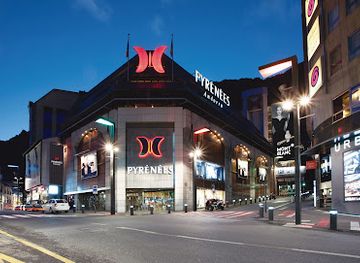
Pyrénées Andorra
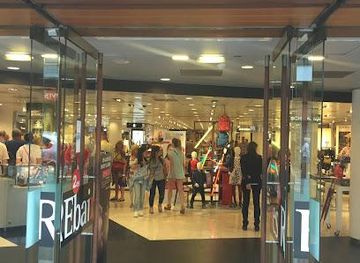
A premier department store in Andorra la Vella offering a wide selection of fashion, electronics, home goods, and gourmet foods.
-
Castle
Château de Montségur
Explore Château de Montségur, a medieval fortress with a poignant history, offering panoramic views and a glimpse into the Cathar past.
-
Railway services
Queralbs - Cremallera de Núria
Ascend to the heart of the Pyrenees on the Cremallera de Núria, a scenic rack railway offering breathtaking views and access to a mountain paradise.



Best landmarks in Grau Roig
Grau Roig in Andorra offers visitors a stunning array of landmarks that showcase the area's rich history and natural beauty. From the iconic Pic de Percanela to the charming Church of Sant Esteve, visitors can immerse themselves in the unique culture and landscapes of this picturesque destination. The historic Montmalus Castle provides a glimpse into the region's medieval past, while the breathtaking Lake Pessons offers a tranquil spot for relaxation and reflection. Whether exploring ancient ruins or hiking through snow-capped mountains, Grau Roig promises an unforgettable experience for travelers seeking adventure and discovery.
-
Thermal baths
Caldea Spa
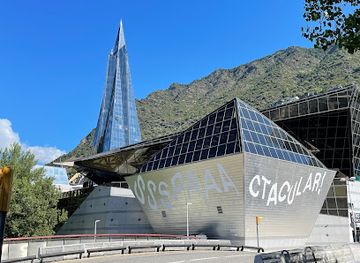
Experience Europe's largest thermal spa in Andorra. Relax in mineral-rich waters surrounded by stunning Pyrenean scenery.
-
Department store
Pyrénées Andorra
Experience diverse shopping, dining, and more at Pyrénées Andorra, the premier department store in Andorra la Vella.
-
Observation deck
Mirador Roc Del Quer | Canillo
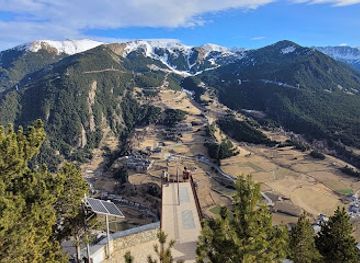
Experience breathtaking panoramic views from a suspended platform in the Andorran Pyrenees. A unique blend of nature and art.
-
Ski resort
Grandvalira
Experience the best of the Pyrenees at Grandvalira, the largest ski resort in the region, offering endless snow sports and activities.
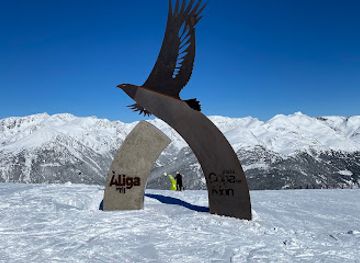
Explore Grau Roig on the map
Plan your trip on one map. See where the top attractions, landmarks, restaurants and hotels are, and book hotels and experiences in a few clicks.
Best hotels in Grau Roig
Best restaurants in Grau Roig
The dining scene in Grau Roig offers a unique culinary experience for visitors, with a variety of traditional Andorran dishes and international cuisine to choose from. From cozy mountain cafes serving hearty stews to upscale restaurants offering gourmet meals with stunning views of the surrounding mountains, there is something for every taste. Visitors can expect fresh local ingredients, warm hospitality, and a cozy atmosphere that adds to the charm of dining in this picturesque mountain village.
-
Seafood
Marisqueria Don Denis
Discover the exquisite flavors of fresh seafood at Marisqueria Don Denis in Les Escaldes - where culinary tradition meets modern flair.
-
Restaurant
El Refugi Alpí
Savor authentic fondue delights in the heart of Andorra la Vella at El Refugi Alpí, where alpine charm meets exquisite cuisine.
-
Restaurant
RESTAURANT BORDA L' ERA DEL ROSSELL
Discover authentic Andorran flavors at Restaurant Borda L' Era Del Rossell near Santuario de Meritxell - A must-visit dining destination.
-
Restaurant
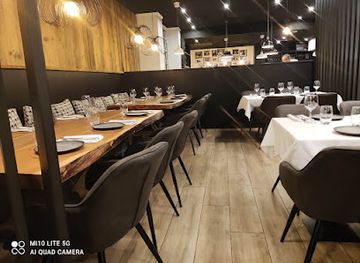
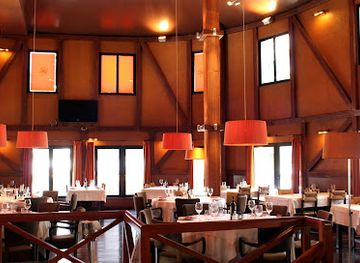
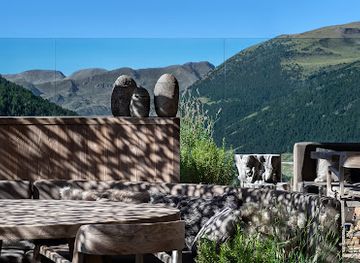
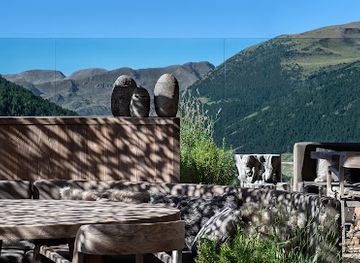
Grau Roig Andorra Boutique Hotel & Spa
Experience luxury at Grau Roig Andorra Boutique Hotel & Spa with stunning mountain views, fine dining, and world-class spa services.

Best bars in Grau Roig
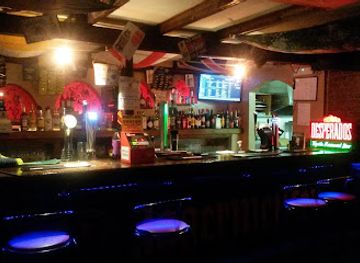
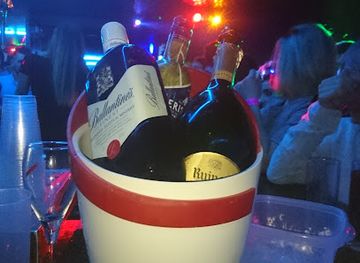
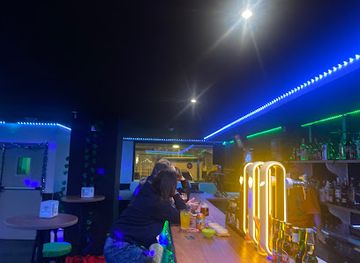
Grau Roig offers a unique nightlife experience for visitors, with cozy mountain bars and lively nightclubs to choose from. Enjoy après-ski drinks at the rustic chalet-style bars, where you can unwind by the fireplace and mingle with fellow travelers. For those looking to dance the night away, head to the vibrant nightclubs with top DJs and energetic atmospheres. Whether you prefer a laid-back evening or a wild night out, Grau Roig has something for everyone to enjoy after a day on the slopes.
-
Cocktail bar
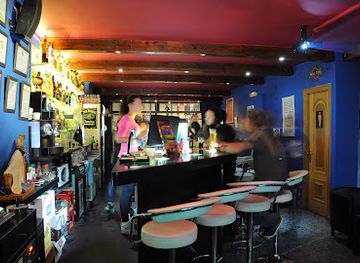
EL RANA Bar Cocktail
Discover the vibrant nightlife of Andorra la Vella at El Rana Bar Cocktail, where expertly crafted cocktails and a lively atmosphere await.
-
Bar
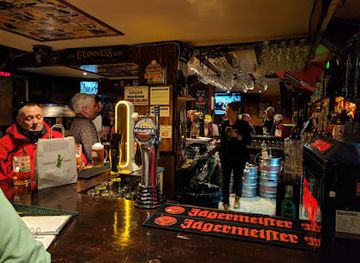
Paddy's Irish Bar
Experience the warmth and cheer of Paddy's Irish Bar in El Pas de la Casa, a cozy spot for drinks and merriment in the heart of the mountains.
-
Wine bar
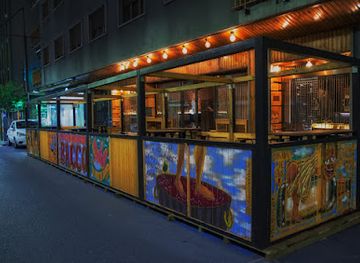
Bacco wine bar andorra
Discover the artistry of wine at Bacco Wine Bar in Andorra la Vella, where exquisite flavors meet a cozy atmosphere for an unforgettable experience.
-
Bar
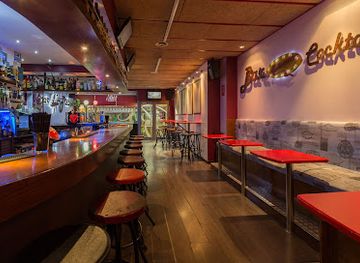
Bar 4 i Tres Cockteleria
Discover the vibrant cocktail culture at Bar 4 i Tres, Andorra la Vella's premier cocktail bar with innovative drinks and lively ambiance.
Best nightclubs in Grau Roig
Grau Roig offers a unique nightlife experience for visitors, with cozy mountain bars and lively nightclubs to choose from. Enjoy après-ski drinks at the rustic chalet-style bars, where you can unwind by the fireplace and mingle with fellow travelers. For those looking to dance the night away, head to the vibrant nightclubs with top DJs and energetic atmospheres. Whether you prefer a laid-back evening or a wild night out, Grau Roig has something for everyone to enjoy after a day on the slopes.
-
Bar
Red Lion Pub
Discover the lively atmosphere of Red Lion Pub in El Pas de la Casa, where great drinks and a welcoming vibe await you.
-
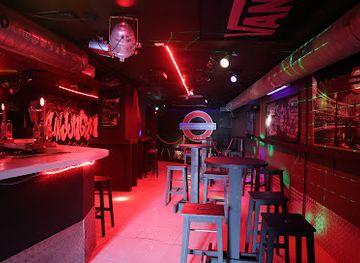
Bar
The Underground Bar
Experience the vibrant nightlife at The Underground Bar in El Pas de la Casa, where good drinks and great atmosphere await every visitor.
-
Disco club
BILBORD NIGHTCLUB
Discover the vibrant atmosphere of Bilbord Nightclub, a premier disco club in El Pas de la Casa offering unforgettable nights of dancing and music.
-
Pub
SOULMATES, Shisha Bar
Discover the ultimate shisha experience at SOULMATES in Pas de la Casa, where vibrant ambiance meets flavorful indulgence.
Best shops in Grau Roig
The shopping scene in Grau Roig offers a unique experience for visitors, with a variety of boutique shops and local crafts to explore. From handmade jewelry to traditional Andorran souvenirs, visitors can find one-of-a-kind treasures to bring home. The charming streets are lined with quaint shops and cozy cafes, creating a perfect atmosphere for a leisurely shopping day. Whether looking for a special gift or simply browsing for keepsakes, Grau Roig's shopping scene is sure to delight tourists and offer a memorable shopping experience.
-
Department store
Pyrénées Andorra
Discover Pyrénées Andorra: Your ultimate shopping and dining destination in the heart of Andorra la Vella, offering a unique blend of local and international experiences.
-
Hotel
Grau Roig Andorra Boutique Hotel & Spa
Experience luxury and adventure at Grau Roig Andorra Boutique Hotel & Spa, nestled in the stunning Pyrenees with skiing and fine dining.
-
Boutique
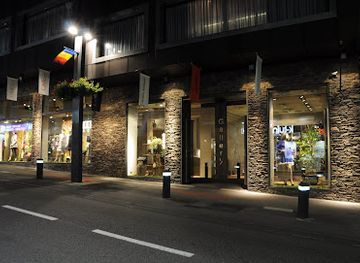
Gallery Andorra
Discover exquisite designer fashion at Gallery Andorra, the ultimate boutique experience in Andorra la Vella.
-
Clothing store
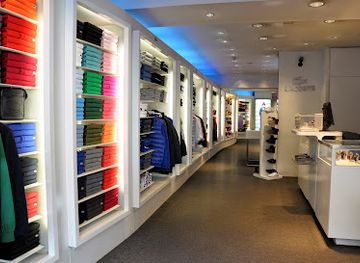
Lacoste Andorra
Explore the stylish offerings at Lacoste Andorra, where French elegance meets the vibrant spirit of the Pyrenees.
Get your free copy of our complete guide to Grau Roig, delivered straight to you.
Everything on this page, from attractions and restaurants to essentials and local phrases, in one PDF you can read offline, print or share.
Already have an account? Sign in
Your Grau Roig guide is ready.
We'll send it to · Not you? Sign out

Getting your guide ready…
We are putting together a fresh copy of the Grau Roig guide. This can take up to a minute.
This can take a few moments. If your browser asks, choose Allow so the download can start. You'll find the guide in your Downloads folder.
Nothing happened? Download it again
Sorry, the guide is taking longer than usual. Please try again in a minute, or get it by email instead.
Grau Roig essentials
Currency and Payment
Safety
Emergency Situations
Do's and Don'ts
Local Tips
From Eve
Local phrases worth knowing
You don't need to get them perfect. A few words go a long way, and locals appreciate the effort.
Basics
| English | Local | Say it |
|---|---|---|
| Hello | Hola | [oh-lah] |
| Goodbye | Adéu | [ah-deh-oo] |
| Yes | Sí | [see] |
| No | No | [noh] |
| Please/You're welcome | Si us plau | [see oos plow] |
| Thank you | Gràcies | [grah-syehs] |
| Excuse me/Sorry | Perdoni | [pehr-doh-nee] |
| How are you? | Com estàs? | [kohm ehs-tahs] |
| Fine. And you? | Bé. I tu? | [beh. ee too] |
| Do you speak English? | Parles anglès? | [pahr-lehs ahng-lehs] |
| I don't understand | No entenc | [noh ehn-tehnk] |
Eating & Drinking
| English | Local | Say it |
|---|---|---|
| I'd like to see the menu, please | Vull veure la carta, si us plau | [vool vuh-reh lah kahr-tah, see oos plow] |
| I don't eat meat | No menjo carn | [noh mehn-joh kahrn] |
| Cheers! | Salut! | [sah-loot] |
| I would like to pay, please | Vull pagar, si us plau | [vool pah-gahr, see oos plow] |
Emergencies
| English | Local | Say it |
|---|---|---|
| Help! | Ajuda! | [ah-hoo-dah] |
| Go away! | Vés-te'n! | [vehs-tehn] |
| Call the Police! | Truca la policia! | [troo-kah lah poh-lee-syah] |
| Call a doctor! | Truca un metge! | [troo-kah oon meht-geh] |
| I'm lost | Estic perdut | [ehs-teek pehr-dooh] |
| I'm ill | Estic malalt | [ehs-teek mah-lahlt] |
Shopping
| English | Local | Say it |
|---|---|---|
| I'd like to buy... | Vull comprar... | [vool kohm-prahr] |
| I'm just looking | Només estic mirant | [noh-mehs ehs-teek mee-rahn] |
| How much is it? | Quant val? | [kwahnt vahl] |
| That's too expensive | Això és massa car | [eye-shoh ehs mah-sah kahr] |
| Can you lower the price? | Pots baixar el preu? | [pohts by-shahr ehl preh-oo] |
Time & Numbers
| English | Local | Say it |
|---|---|---|
| What time is it? | Quina hora és? | [kee-nah oh-rah ehs] |
| It's one o'clock | És la una | [ehs lah oo-nah] |
| Half past (10) | Mitja deu | [mee-jah deh-oo] |
| Morning | Matí | [mah-tee] |
| Afternoon | Tarda | [tahr-dah] |
| Evening | Vespre | [vehs-preh] |
| Yesterday | Ahir | [ah-eer] |
| Today | Avui | [ah-voo-ee] |
| Tomorrow | Demà | [deh-mah] |
| 1 | Un | [oon] |
| 2 | Dos | [dohs] |
| 3 | Tres | [trehs] |
| 4 | Quatre | [kwah-treh] |
| 5 | Cinc | [seengk] |
| 6 | Sis | [sees] |
| 7 | Set | [seht] |
| 8 | Vuit | [vweet] |
| 9 | Nou | [noh] |
| 10 | Deu | [deh-oo] |
Transport & Directions
| English | Local | Say it |
|---|---|---|
| Where's a/the...? | On és un/el...? | [ohn ehs oon/ehl] |
| What's the address? | Quina és l'adreça? | [kee-nah ehs lahd-reh-sah] |
| Can you show me (on the map)? | Em pots ensenyar (al mapa)? | [ehm pohts ehn-sehn-yahr (ahl mah-pah)] |
| When's the next (bus)? | Quan passa el proper (autobús)? | [kwahn pah-sah ehl proh-pehr (ow-toh-boos)] |
| A ticket (to ....) | Un bitllet (a ....) | [oon bee-yet (ah)] |
History of Grau Roig
The Origins of Grau Roig
Grau Roig, nestled in the heart of the Pyrenees, has a history that stretches back to ancient times. The region was originally inhabited by pastoral communities who were drawn to its fertile valleys and abundant water sources. Archaeological evidence suggests that these early settlers engaged in rudimentary forms of agriculture and livestock farming.
Medieval Times and Strategic Importance
During the medieval period, Grau Roig's strategic location made it a key site for controlling trade routes through the Pyrenees. The area witnessed the construction of fortifications and watchtowers to protect against invading forces. This period also saw the growth of small hamlets and villages, which laid the foundation for the modern-day settlements.
The Influence of the Counts of Foix
In the late Middle Ages, the Counts of Foix, a powerful noble family, exerted significant influence over Grau Roig. Their rule brought relative stability and prosperity to the region. They initiated various agricultural and infrastructural projects, which helped in the development of the local economy. Their legacy is still evident in some of the architectural features and historical landmarks that dot the landscape.
The 20th Century: Development of Ski Tourism
The 20th century marked a turning point for Grau Roig with the advent of ski tourism. The establishment of ski resorts and the development of modern infrastructure transformed the area into a popular tourist destination. This era saw an influx of visitors and significant economic growth, as well as the modernization of local facilities to cater to international tourists.
Cultural Heritage and Traditions
Despite its modernization, Grau Roig has retained much of its cultural heritage. Traditional festivals, such as the Festa Major, celebrate the area's rich history and community spirit. Local cuisine, which includes hearty stews and mountain cheeses, reflects the region's pastoral roots. Artisanal crafts, often passed down through generations, continue to be a vital part of Grau Roig's cultural identity.
Grau Roig in Photos
Browse through our photo collection highlighting the charm and character of the destination.
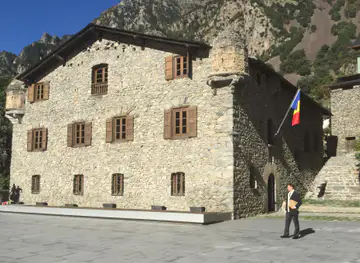
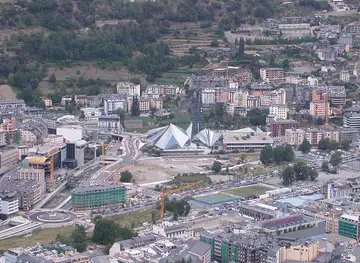
Cities in Grau Roig
The towns and cities of Grau Roig, and the easiest places to base yourself.
-
-

-

-

-
-


Swipe for more cities
Neighbouring destination travel guides
The closest destinations to Grau Roig, if you have time for more than one.
-

-

-

-

-


Swipe for more destinations
Explore more

Explore more of Valira d'Orient Valley
Discover the enchanting Valira d'Orient Valley in Andorra, where natural beauty meets traditional charm, offering a perfect blend of relaxation and adventure.
Explore Valira d'Orient Valley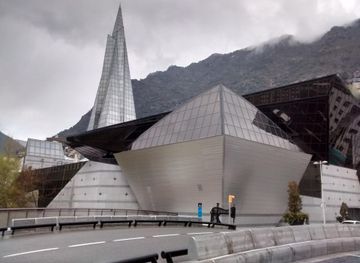
Explore more of Andorra
Explore Andorra: A mountain paradise offering stunning landscapes, world-class skiing, tax-free shopping, and rich cultural experiences in the heart of the Pyrenees.
Explore Andorra