

Free Palm Desert Travel Guide & Mobile App
Plan your Palm Desert trip with Evendo. Get free guides to top attractions, restaurants, hotels, and bars. Web access or download the mobile app.


Palm Desert blends Coachella Valley scenery, El Paseo shopping, Cahuilla heritage, art, golf and family attractions beneath California’s desert mountains.
Desert Setting and Contemporary Character
Palm Desert lies in California’s Coachella Valley, east of Palm Springs and beneath the rugged Santa Rosa Mountains. Its broad streets, palms and irrigated gardens contrast with the stark desert slopes rising to the south, creating a landscape shaped as much by careful landscaping as by geology. The city is known for resort living, golf and warm-weather recreation, yet its identity extends beyond leisure: El Paseo provides an elegant shopping and dining corridor, while public art, theatres and cultural institutions give the community a lively civic dimension.Read more about Palm Desert
Culture, Nature and Open Space
When is the best time to visit Palm Desert?
Best: March–April, October · 22–28°C| Month | High (°C) | Rainfall (mm) |
|---|---|---|
| January | 18 | 9 |
| February | 19 | 9 |
| March (best) | 22 | 8 |
| April (best) | 26 | 4 |
| May | 29 | 2 |
| June | 33 | 1 |
| July | 37 | 2 |
| August | 36 | 3 |
| September | 33 | 6 |
| October (best) | 28 | 6 |
| November | 22 | 7 |
| December | 17 | 8 |
Getting to and around Palm Desert
How to get there
Transportation
Best attractions in Palm Desert
Palm Desert’s sightseeing combines curated desert landscapes, culture and open-air recreation. The Living Desert Zoo and Gardens is the city’s leading family attraction, presenting North American and African desert habitats alongside botanical displays and conservation interpretation. At the McCallum Theatre, visitors can encounter touring music, dance, comedy and theatrical performances in a polished arts setting. El Paseo offers more than shopping, with public artworks, galleries, restaurants and a broad pedestrian-friendly streetscape framed by palms. Civic Center Park provides lawns, paths, water features and space for community events, while the Palm Desert Aquatic Center serves as a major recreational facility. For a sense of the region beyond the built-up city, the Santa Rosa and San Jacinto Mountains rise immediately to the south, with nearby trails and protected landscapes offering desert views, though access points and natural areas should be treated as excursions rather than assumed city-centre attractions.
-
Tourist attraction
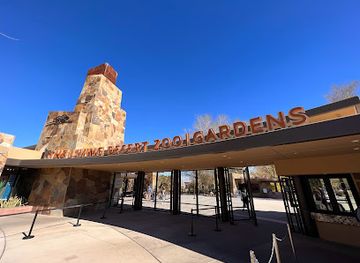
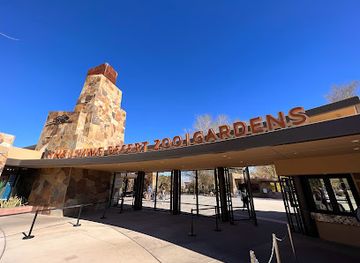
The Living Desert Zoo and Gardens
Explore the wonders of the world's deserts at The Living Desert Zoo and Gardens, a unique conservation and education center in Palm Desert.
7 min drive · 2.5 km from city centre
-
Tourist attraction
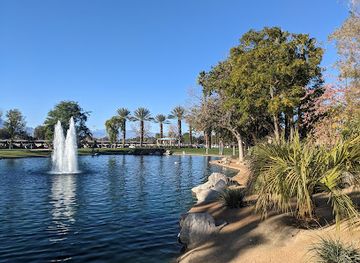
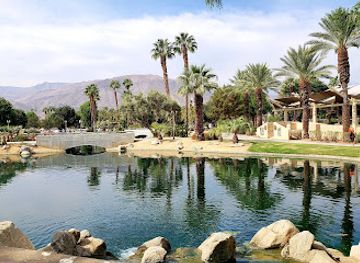
Palm Desert Civic Center Park
Experience recreation and community at Palm Desert Civic Center Park, a 70-acre oasis with sports, events, and natural beauty.
16 min walk · 1.2 km from city centre
-
Tourist attraction
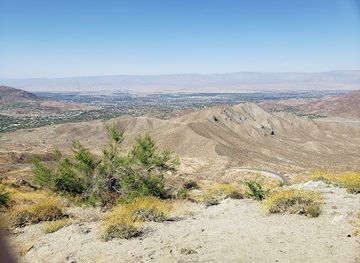
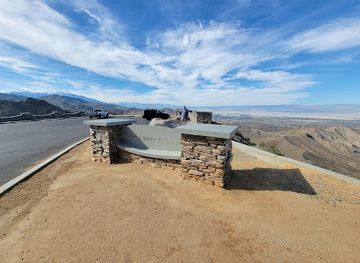
Coachella Valley Vista Point
Experience breathtaking panoramic views of the Coachella Valley from this easily accessible vista point on the scenic Pines to Palms Highway.
25 min drive · 8.5 km from city centre
-
Tourist attraction
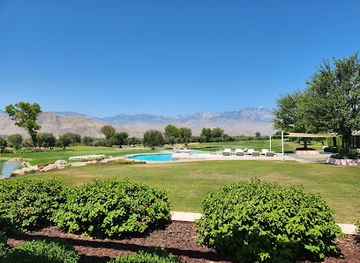
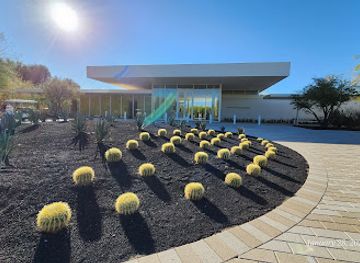
Sunnylands Center & Gardens
Explore art, history, and nature at Sunnylands Center & Gardens, the former Annenberg estate in Rancho Mirage. Free admission to the gardens!
22 min drive · 7.2 km from city centre
Best landmarks in Palm Desert
Palm Desert’s landmarks are largely civic, cultural and landscape-based rather than medieval or monumental. The McCallum Theatre is a notable contemporary cultural building and a visible expression of the city’s investment in professional performing arts. El Paseo functions as a recognisable urban landmark through its palm-lined avenue, public artworks, galleries and carefully designed commercial frontage. Civic Center Park forms another important civic space, with landscaped grounds and facilities that anchor community life. The Santa Rosa Mountains provide Palm Desert’s most powerful natural landmark, their sharply rising slopes defining the city’s southern horizon and connecting its developed areas with protected desert country. The city also contains visible traces of its resort-era evolution in golf communities, palms and planned streetscapes. The Living Desert adds an educational and conservation landmark, interpreting desert environments rather than presenting a single historic structure.
-
Zoo
The Living Desert Zoo and Gardens
Discover the enchanting blend of wildlife and botanical beauty at The Living Desert Zoo and Gardens in Palm Desert, California.
7 min drive · 2.5 km from city centre
-
Park
Palm Desert Civic Center Park
Explore the lush landscapes and recreational facilities of Palm Desert Civic Center Park, a serene oasis of leisure and beauty in California's desert.
16 min walk · 1.2 km from city centre
-
Scenic spot
Coachella Valley Vista Point
Experience the stunning desert landscapes at Coachella Valley Vista Point, where breathtaking views of the desert and Salton Sea await you.
25 min drive · 8.5 km from city centre
-
Garden
Sunnylands Center & Gardens
Discover the lush gardens and rich history of Sunnylands Center & Gardens, a serene oasis in Rancho Mirage, California, perfect for relaxation and exploration.
22 min drive · 7.2 km from city centre
Explore Palm Desert on the map
Plan your Palm Desert trip on one map. See where the top attractions, landmarks, restaurants, bars and hotels are, find what's near where you're staying, and book hotels and experiences in a few clicks.
Best hotels in Palm Desert
Best restaurants in Palm Desert
Palm Desert’s dining scene reflects the wider Coachella Valley’s combination of Californian produce, Mexican and other Latin American influences, American comfort food and contemporary resort cooking. El Paseo is the most recognisable dining corridor, pairing cafés, polished restaurants and patios with boutiques and galleries, while Highway 111 and adjoining commercial areas provide a broader mix of casual eateries, bakeries and international cuisines. Dates, citrus and other desert-grown products appear in local food culture, and regional Mexican cooking is an important part of the valley’s everyday culinary landscape. Seasonal farmers’ markets and community markets can add locally grown produce and prepared foods, although schedules vary. The city’s restaurants range from relaxed daytime cafés to more formal dining rooms, with outdoor seating particularly appealing in the cooler months and less practical during intense summer heat.
-
American
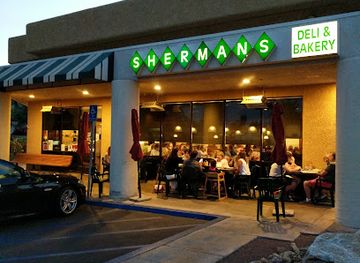
Sherman's Deli & Bakery
Discover the flavors of America at Sherman's Deli & Bakery – where every meal is made with love and tradition.
12 min drive · 4.1 km from city centre
-
Mexican
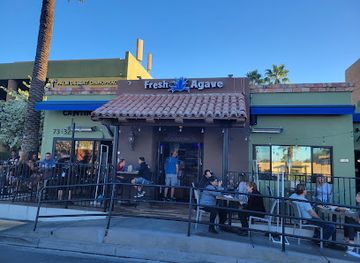
Fresh Agave Mexican Bar & Grill
Experience vibrant Mexican cuisine at Fresh Agave Bar & Grill in Palm Desert – where tradition meets flavor!
13 min walk · 1.0 km from city centre
-
Restaurant
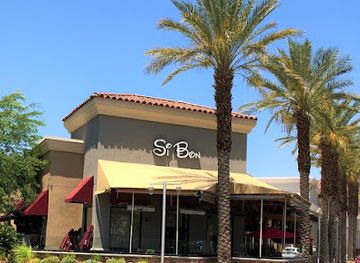
Si Bon
Experience the best of European cuisine at Si Bon in Rancho Mirage, where delightful flavors meet a relaxed lounge atmosphere.
12 min drive · 4.1 km from city centre
-
Restaurant
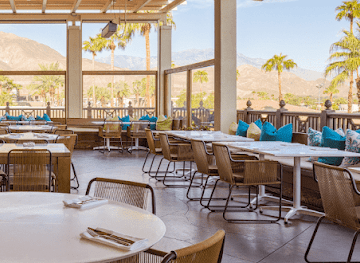
Tommy Bahama Restaurant, Bar & Store
Experience culinary delights and island vibes at Tommy Bahama Restaurant, Bar & Store in Palm Desert - where every meal feels like a vacation.
8 min walk · 0.6 km from city centre
Best bars in Palm Desert
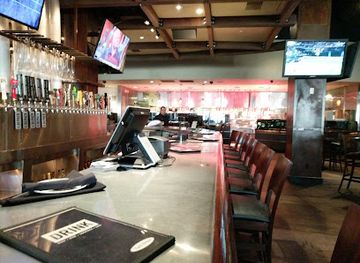
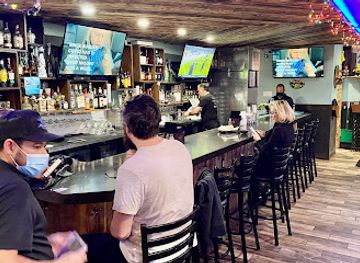
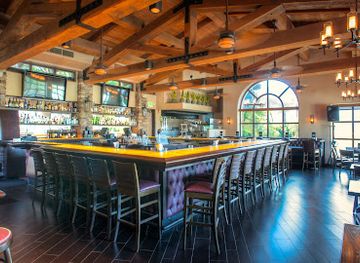
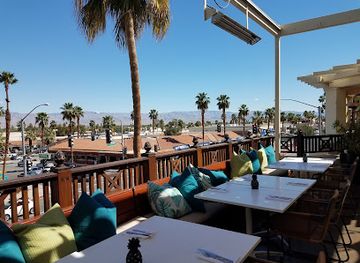
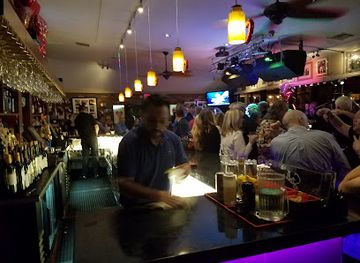
Palm Desert’s evening life is more measured than that of a major city, with activity concentrated around El Paseo, resort areas and restaurants along the main commercial corridors. Visitors will find wine bars, lounges, hotel bars and restaurants that remain social after dinner, while live music and seasonal entertainment appear in selected venues and at the McCallum Theatre. The theatre provides one of the valley’s most substantial evening cultural programmes, spanning concerts, dance, comedy and touring productions. Nearby Palm Springs has a broader concentration of dedicated cocktail bars and nightclubs, but it is a separate city and requires transport. In Palm Desert, evenings are commonly shaped by dining, performances, conversation and outdoor patios rather than a dense late-night club scene; temperatures can make after-dark outdoor seating especially attractive for much of the year.
-
Bar
Yard House
Experience the vibrant atmosphere and diverse cuisine at Yard House in Rancho Mirage, where great food and craft beer come together.
11 min drive · 3.7 km from city centre
-
Mexican
Fresh Agave Mexican Bar & Grill
Discover the essence of Mexican cuisine with fresh ingredients, vibrant flavors, and a festive atmosphere at Fresh Agave Mexican Bar & Grill.
13 min walk · 1.0 km from city centre
-
Bar
La Quinta Cliffhouse
Experience exquisite dining with a stunning view at La Quinta Cliffhouse, the perfect blend of culinary delight and scenic beauty.
21 min drive · 7.0 km from city centre
-
Restaurant
Tommy Bahama Restaurant, Bar & Store
Savor island-inspired cuisine and cocktails at Tommy Bahama Restaurant, Bar & Store in Palm Desert, where tropical vibes meet upscale dining.
8 min walk · 0.6 km from city centre
Best nightclubs in Palm Desert
Palm Desert’s evening life is more measured than that of a major city, with activity concentrated around El Paseo, resort areas and restaurants along the main commercial corridors. Visitors will find wine bars, lounges, hotel bars and restaurants that remain social after dinner, while live music and seasonal entertainment appear in selected venues and at the McCallum Theatre. The theatre provides one of the valley’s most substantial evening cultural programmes, spanning concerts, dance, comedy and touring productions. Nearby Palm Springs has a broader concentration of dedicated cocktail bars and nightclubs, but it is a separate city and requires transport. In Palm Desert, evenings are commonly shaped by dining, performances, conversation and outdoor patios rather than a dense late-night club scene; temperatures can make after-dark outdoor seating especially attractive for much of the year.
-
Continental restaurant
The Nest
Discover The Nest, where exquisite continental cuisine meets vibrant live music in the heart of Indian Wells.
6 min drive · 2.1 km from city centre
-
Cocktail bar
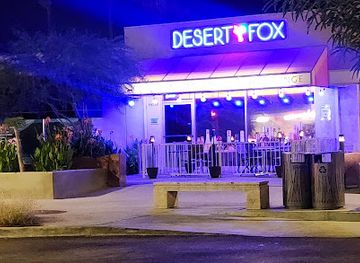
Desert Fox Bar
Experience the vibrant nightlife at Desert Fox Bar, Palm Desert's premier cocktail destination, offering unique drinks and lively entertainment.
9 min walk · 0.7 km from city centre
-
Bar
Libation Room
Unwind and dance the night away at Libation Room, Palm Desert's premier nightlife destination with craft cocktails and vibrant music.
5 min walk · 0.4 km from city centre
-
Social club
Frank's Hideout
Experience the vibrant social scene of Palm Desert at Frank's Hideout, where relaxation meets entertainment in a stylish lounge and bar.
13 min walk · 1.0 km from city centre
Best shops in Palm Desert
Shopping in Palm Desert centres on El Paseo, a palm-lined avenue known for galleries, independent boutiques, jewellery, fashion and restaurants in an unusually polished desert setting. The Gardens on El Paseo provides a concentrated retail and dining environment, while the surrounding commercial corridors offer practical shops, specialist stores and larger retailers. The College of the Desert Street Fair, held on selected weekends and subject to seasonal scheduling, is associated with antiques, crafts, clothing, produce and prepared food, giving shopping a more market-based character than the designer-oriented El Paseo. Visitors may also find California-made goods, desert-themed artwork, jewellery, dates and other regional food products. Because the valley’s retail calendar changes with the season, market dates and participating sellers should be checked locally rather than assumed.
-
Shopping mall
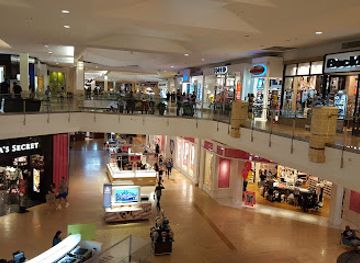
The Shops at Palm Desert
Explore a diverse shopping experience at The Shops at Palm Desert, where unique finds and delightful dining await in the heart of California.
6 min drive · 1.9 km from city centre
-
Shopping mall
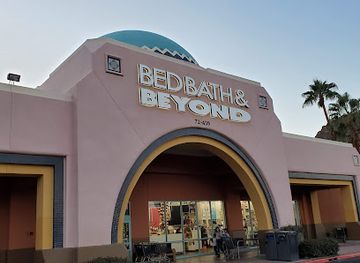
Desert Crossing Shopping Center
Explore the Desert Crossing Shopping Center in Palm Desert for an unforgettable shopping and dining experience amidst the stunning California landscape.
8 min drive · 2.7 km from city centre
-
Shopping mall
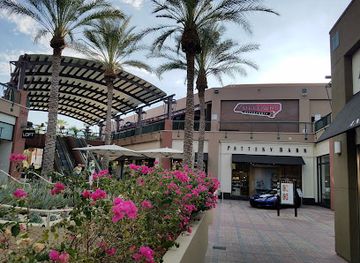
The Gardens on El Paseo
Discover a luxurious shopping and dining experience at The Gardens on El Paseo, where upscale boutiques meet stunning desert landscapes.
14 min walk · 1.1 km from city centre
-
Shopping mall
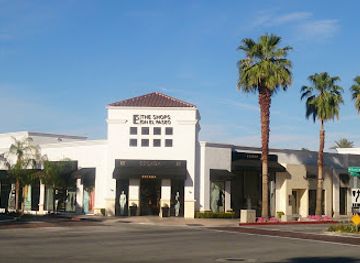
Palms to Pines West Shopping Center
Experience the best of shopping and dining at the Palms to Pines West Shopping Center, your destination in Palm Desert for unique finds and local flavors.
6 min drive · 2.1 km from city centre
Get your free copy of our complete guide to Palm Desert, delivered straight to you.
Everything on this page, from attractions and restaurants to essentials and local phrases, in one PDF you can read offline, print or share.
Already have an account? Sign in
Your Palm Desert guide is ready.
We'll send it to · Not you? Sign out

Getting your guide ready…
We are putting together a fresh copy of the Palm Desert guide. This can take up to a minute.
This can take a few moments. If your browser asks, choose Allow so the download can start. You'll find the guide in your Downloads folder.
Nothing happened? Download it again
Sorry, the guide is taking longer than usual. Please try again in a minute, or get it by email instead.
Palm Desert essentials
Currency and Payment
Safety
Emergency Situations
Do's and Don'ts
Local Tips
From Eve
Local phrases worth knowing
You don't need to get them perfect. A few words go a long way, and locals appreciate the effort.
Basics
| English | Local | Say it |
|---|---|---|
| Hello | Howdy | [haʊ-di] |
| Goodbye | Catch you later | [kætʃ ju ˈleɪtər] |
| Yes | Yep | [jɛp] |
| No | Nah | [nɑ] |
| Please/You're welcome | Please/No problem | [pliːz / noʊ ˈprɑbləm] |
| Thank you | Thanks a bunch | [θæŋks ə bʌntʃ] |
| Excuse me/Sorry | Pardon me/My bad | [ˈpɑrdn mi / maɪ bæd] |
| How are you? | How's it going? | [haʊz ɪt ˈɡoʊɪŋ] |
| Fine. And you? | Just dandy. You? | [dʒʌst ˈdændi ju] |
| Do you speak English? | You speak English? | [ju spiːk ˈɪŋɡlɪʃ] |
| I don't understand | I'm lost | [aɪm lɔst] |
Eating & Drinking
| English | Local | Say it |
|---|---|---|
| I'd like to see the menu, please | Can I check out the menu? | [kæn aɪ ˈtʃɛk aʊt ðə ˈmɛnju] |
| I don't eat meat | I'm vegetarian | [aɪm ˌvɛdʒəˈtɛriən] |
| Cheers! | Cheers! | [ʧɪrz] |
| I would like to pay, please | Can I settle up, please | [kæn aɪ ˈsɛtəl ʌp pliːz] |
Emergencies
| English | Local | Say it |
|---|---|---|
| Help! | SOS! | [ɛs oʊ ɛs] |
| Go away! | Get lost! | [ɡɛt lɔst] |
| Call the Police! | Dial 911! | [daɪəl naɪn wʌn wʌn] |
| Call a doctor! | Get me a doctor! | [ɡɛt mi ə ˈdɑktər] |
| I'm lost | I'm turned around | [aɪm tɜrnd əˈraʊnd] |
| I'm ill | I'm under the weather | [aɪm ˈʌndər ðə ˈwɛðər] |
Shopping
| English | Local | Say it |
|---|---|---|
| I'd like to buy... | I'm interested in... | [aɪm ˈɪntrəstɪd ɪn] |
| I'm just looking | Just browsing | [dʒʌst ˈbraʊzɪŋ] |
| How much is it? | What's the damage? | [wɑts ðə ˈdæmɪdʒ] |
| That's too expensive | That's a bit steep | [ðæts ə bɪt stip] |
| Can you lower the price? | Can you knock the price down? | [kæn ju nɑk ðə praɪs daʊn] |
Time & Numbers
| English | Local | Say it |
|---|---|---|
| What time is it? | What's the time? | [wɑts ðə taɪm] |
| It's one o'clock | It's one | [ɪts wʌn] |
| Half past (10) | Ten-thirty | [tɛn-ˈθɜrti] |
| Morning | AM | [ˌeɪ ˈɛm] |
| Afternoon | PM | [ˌpiː ˈɛm] |
| Evening | Evening | [ˈivnɪŋ] |
| Yesterday | Yesterday | [ˈjɛstərˌdeɪ] |
| Today | Today | [təˈdeɪ] |
| Tomorrow | Tomorrow | [təˈmɑroʊ] |
| 1 | One | [wʌn] |
| 2 | Two | [tu] |
| 3 | Three | [θri] |
| 4 | Four | [fɔr] |
| 5 | Five | [faɪv] |
| 6 | Six | [sɪks] |
| 7 | Seven | [ˈsɛvən] |
| 8 | Eight | [eɪt] |
| 9 | Nine | [naɪn] |
| 10 | Ten | [tɛn] |
Transport & Directions
| English | Local | Say it |
|---|---|---|
| Where's a/the...? | Where's the...? | [wɛəz ðə] |
| What's the address? | What's the street? | [wɑts ðə strit] |
| Can you show me (on the map)? | Can you point it out (on the map)? | [kæn ju pɔɪnt ɪt aʊt ɑn ðə mæp] |
| When's the next (bus)? | When's the next (bus)? | [wɛnz ðə nɛkst] |
| A ticket (to ....) | A pass (to ....) | [ə pæs tu] |
History of Palm Desert
Cahuilla Homelands in the Valley
The Palm Desert area forms part of the traditional homeland of Cahuilla peoples, whose communities developed detailed knowledge of the Colorado Desert, its seasonal water sources and its plant life. Cahuilla culture remains present in the Coachella Valley through tribal communities, languages, artistic traditions and contemporary institutions. The desert was not an empty landscape before modern settlement: Indigenous people used native plants for food, medicine, tools and construction, and maintained social and trading connections across the region. Today, the surrounding mountains, washes and palm oases are best understood within this much longer cultural history.
Agriculture and Palm Village
Non-Indigenous settlement expanded in the early twentieth century as roads, water infrastructure and irrigation made parts of the valley suitable for agriculture. The settlement that developed around what became Palm Desert was initially known as Palm Village, reflecting both the palms associated with the area and the agricultural character of the early community. Date palms, citrus and other crops became important features of the Coachella Valley economy. Irrigated cultivation also established the contrast between green developed land and the surrounding arid mountains that still defines Palm Desert’s appearance.
The Palm Desert Name
Palm Village was renamed Palm Desert in 1951, a change that expressed the community’s growing association with the desert landscape and its emerging recreational identity. Mid-century improvements to roads and the increasing popularity of southern California as a leisure region encouraged residential, tourism and golf development. The settlement remained connected to the wider Coachella Valley while developing its own commercial centres and neighbourhoods. The name Palm Desert has since come to describe a city where carefully irrigated urban spaces sit directly against open desert and mountain terrain.
Resort Growth after the War
The post-war decades brought rapid population growth and a transformation from agricultural settlement to resort-oriented city. Golf courses, hotels, country clubs and planned residential communities expanded as visitors were attracted by the dry climate, mountain scenery and reliable winter sunshine. El Paseo developed into a prominent shopping and dining street, while the wider valley became associated with seasonal tourism. This growth also increased pressure on water resources and desert ecosystems, issues that continue to influence planning and conservation across the region.
Incorporation and Cultural Development
Palm Desert incorporated as a city in 1973, giving the growing community its own municipal government and civic identity. Later development included public parks, community facilities, cultural programming and institutions such as the McCallum Theatre, which opened in 1988. The Living Desert, established nearby in the 1970s and later expanded, strengthened the valley’s role in desert education and conservation. Contemporary Palm Desert therefore combines planned resort development with public art, performing arts, environmental interpretation and continuing recognition of the Indigenous and agricultural histories that preceded its modern growth.
Palm Desert in Photos
Browse through our photo collection highlighting the charm and character of the destination.
Cities near Palm Desert
The closest cities to Palm Desert, if you have time for more than one stop.
-

-

-

-

-


Swipe for more cities
Explore more
Explore more of California
Discover California: A land of diverse landscapes, iconic cities, and endless adventures, from sun-soaked beaches to towering redwoods and vibrant cultural experiences.
Explore California