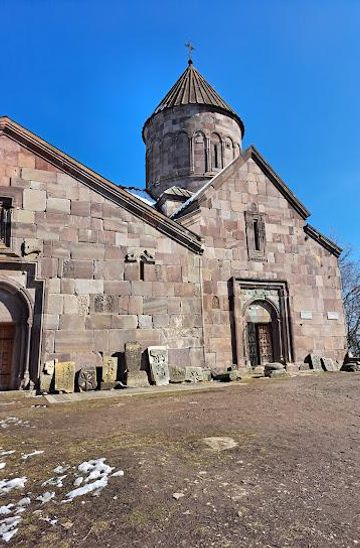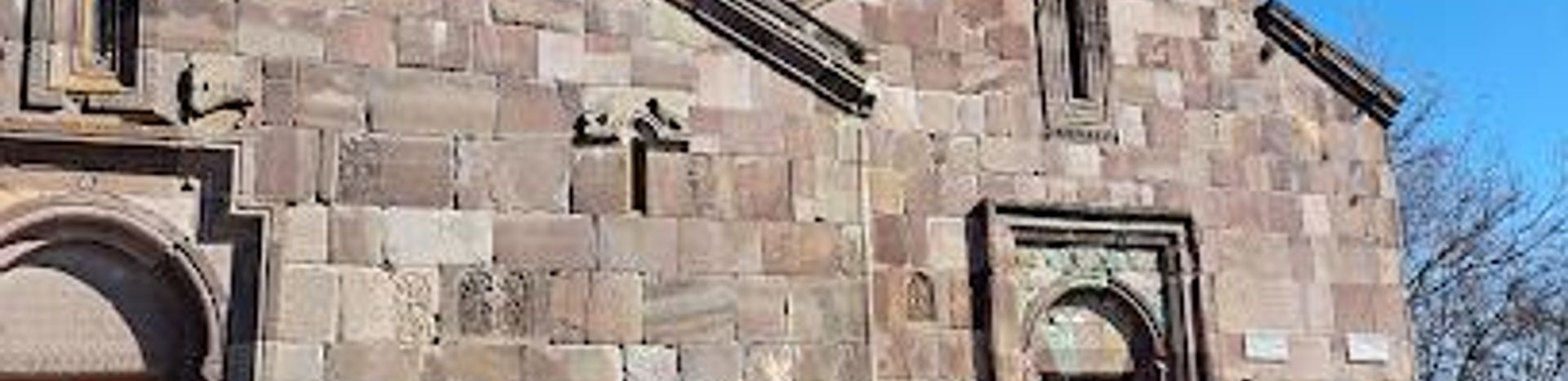
Makaravank Monastery Complex: A Medieval Armenian Treasure
Discover the medieval beauty of Makaravank Monastery, a stunning 10th-13th century Armenian architectural gem nestled in the Tavush region.
Nestled in the lush Tavush region of Armenia, the Makaravank Monastery Complex is a stunning example of medieval Armenian architecture dating back to the 10th-13th centuries. The well-preserved complex includes several churches, a gavit (narthex), and other structures adorned with intricate carvings, offering visitors a glimpse into Armenia's rich cultural and religious history.
A brief summary to Makaravank Monastery Complex
- 4006, AM
- Click to display

Know before you go
Hi, I'm Eve. Here are a few practical things to know before exploring Makaravank Monastery Complex.
- Visit early in the morning or late afternoon to avoid crowds and capture the best lighting for photographs.
- Wear comfortable shoes as the terrain around the monastery can be uneven.
- Bring water and snacks, as facilities near the monastery are limited.
- Consider taking a guided tour to fully appreciate the history and architectural details of the complex.
Do you manage this location?
Take control to get all the benefits, like improved information, better appearance, and stronger visibility across AI-powered discovery. Learn more
Activate your presence
Getting There
-
Public Transport
From Yerevan Central Bus Station, take a bus or marshrutka (minibus) to Ijevan. The journey takes approximately 2 to 2.5 hours. From Ijevan, hire a local taxi to Makaravank Monastery, which is about 10 kilometers away. Expect to pay around 1,500-2,500 AMD for the taxi ride.
-
Walking
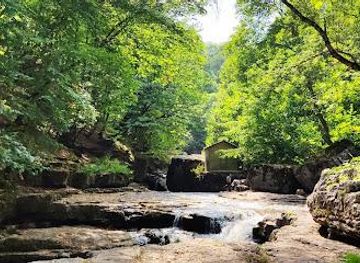
From the center of Achajur village, follow the road leading towards Makaravank Monastery. The monastery is located approximately 3 kilometers southwest of the village. The walk is uphill and takes about 45 minutes to an hour, passing through oak forests and glades. There are no entrance fees or tolls to access the monastery.
Discover more about Makaravank Monastery Complex
Explore the best of what Makaravank Monastery Complex has to offer













More about Tavush
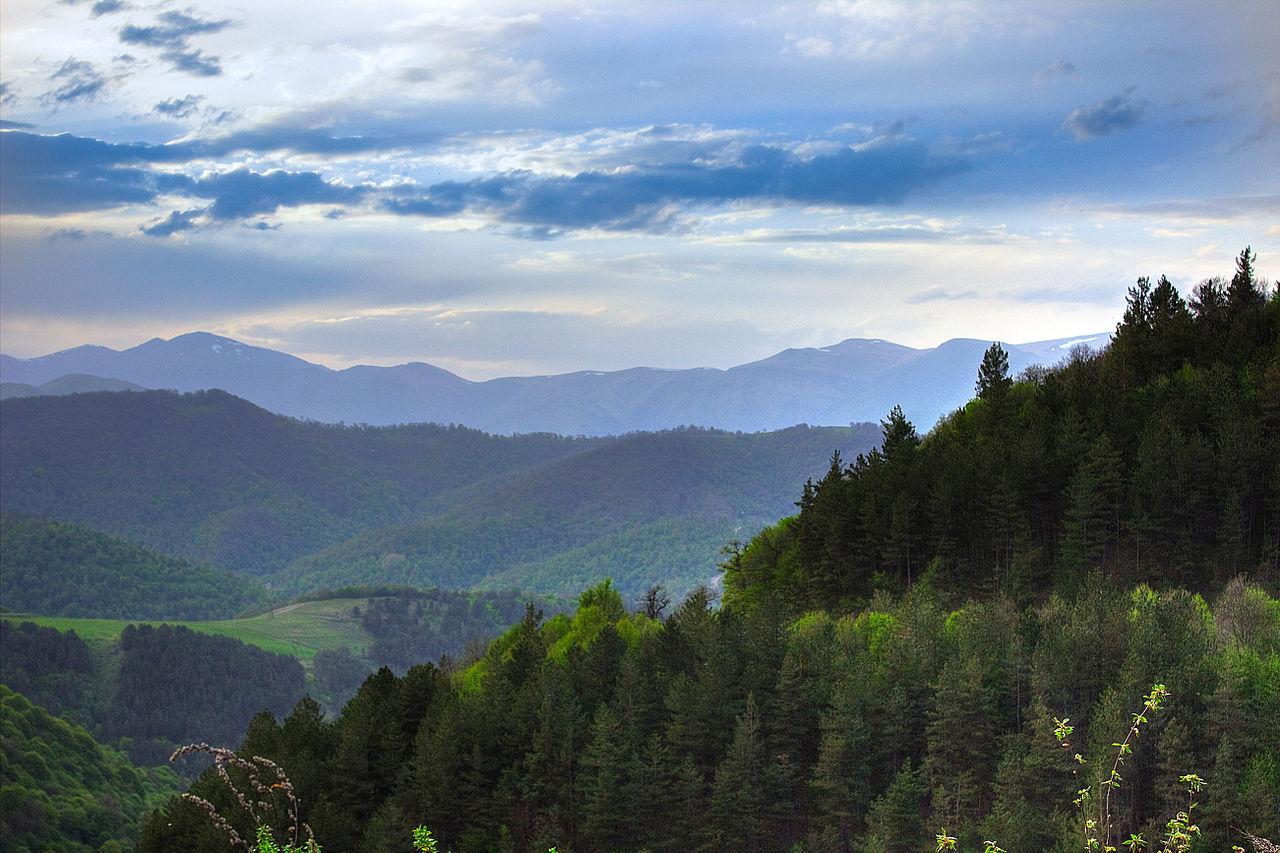
Discover Tavush, Armenia's Emerald Jewel, where lush forests, medieval monasteries, and serene landscapes await. A perfect escape for nature lovers and history enthusiasts.
Tell me more about Tavush
Discover the serene beauty and cultural richness of Armenasar, a hidden gem in the Armenian highlands, perfect for a tranquil escape.
Explore the ancient Astghi Blur Fortress near Yenokavan, Armenia, for panoramic views and a glimpse into the region's rich history.