

Arevik National Park, Armenia Travel Guide
Discover the untouched wilderness of Arevik National Park, a paradise for wildlife enthusiasts, hikers, and history buffs in the heart of Armenia's natural beauty.
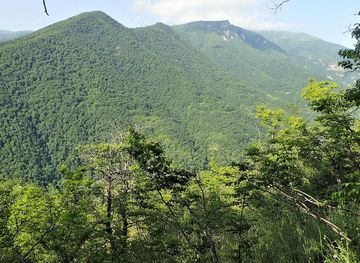
Arevik National Park, located in the southern region of Armenia, is a pristine haven for nature lovers and adventure seekers. Spanning over 34,000 hectares, this protected area boasts a diverse landscape ranging from lush forests and alpine meadows to rugged mountains and serene lakes. The park is home to an array of wildlife, including the endangered Armenian mouflon, Persian leopard, and many bird species, making it a paradise for wildlife enthusiasts and bird watchers. Visitors to Arevik National Park can explore numerous hiking trails that offer stunning views of the surrounding natural beauty. The park's well-marked paths lead to panoramic viewpoints, historic sites, and hidden waterfalls, providing ample opportunities for photography and relaxation. The area's rich flora includes rare and endemic plants, making it a fascinating destination for botanists and nature photographers alike. In addition to its natural allure, Arevik National Park holds cultural significance with ancient monuments and archaeological sites scattered throughout its expanse. Exploring these remnants of past civilizations adds a layer of historical intrigue to the park's natural wonders. Whether you're seeking solitude in nature, an adventurous trek, or a glimpse into Armenia's ancient past, Arevik National Park offers a unique and unforgettable experience.

Know before you go
Hi, I'm Eve. Here are a few practical things to know before exploring Arevik National Park.
- Visit in spring or autumn for the best weather and vibrant foliage.
- Wear sturdy hiking boots and bring plenty of water for the trails.
- Hire a local guide to enhance your experience with insights on flora, fauna, and history.
- Pack a picnic to enjoy at one of the scenic viewpoints.
- Check for any required permits or entry fees before your visit.
Explore Arevik National Park: Things to Do, Places to Eat, Hotels & More
Handpicked recommendations for top attractions, local dining, accommodations, and more

Best attractions in Arevik National Park
Top-rated picks
Best Attractions

Zipline Kapan, Armenia. The longest zipline in Armenia
Experience Armenia's longest zipline in Kapan! Soar over stunning landscapes for an unforgettable adventure. High-speed thrills and breathtaking views await!

Shaki Waterfall
Discover the breathtaking beauty of Shaki Waterfall in Armenia, a natural oasis offering stunning views and a tranquil escape.

Gavazan
Discover Gavazan, a medieval marvel near Tatev Monastery, Armenia, showcasing ancient engineering and stunning landscapes.

Medieval Goris Cave Dwellings
Discover ancient Armenian history and unique cave architecture at the remarkable Medieval Goris Cave Dwellings in Goris.

Best landmarks in Arevik National Park
Top-rated picks
Best Landmarks

Devil’s Bridge
Explore Devil's Bridge in Armenia, a stunning natural rock formation surrounded by breathtaking views, ideal for adventure and relaxation.

Zorats Karer
Explore Zorats Karer, Armenia's ancient megalithic site that echoes the mysteries of history amid stunning natural landscapes.

Shaki Waterfall
Discover the enchanting Shaki Waterfall in Armenia's Syunik region: a blend of natural beauty, ancient history, and captivating legends.

Medieval Goris Cave Dwellings
Discover the ancient charm of the Medieval Goris Cave Dwellings, a captivating historical site nestled in Armenia's breathtaking landscapes.


Explore Arevik National Park on the Map
A handpicked selection of must-see spots in Arevik National Park, mapped for you.
Arevik National Park Essentials
-
Arevik National Park is located in the Syunik Province of Armenia. The nearest international airport is Zvartnots International Airport in Yerevan, approximately 300 kilometers away. From Yerevan, you can rent a car or take a taxi, which offers a scenic drive through Armenia's mountainous landscapes. Alternatively, take a bus or minibus (marshrutka) from Yerevan to Kapan, the nearest city to the park, and then hire a local taxi to reach the park.
-
Within Arevik National Park, transportation options are limited. It is advisable to rent a car for flexibility and convenience. Local taxis are available in nearby towns like Kapan, but they may not always be readily available. For those looking for an adventurous experience, mountain bikes can be rented in Kapan. Ensure your vehicle is well-equipped for rugged terrain and have a map or GPS device handy.
-
The official currency in Armenia is the Armenian Dram (AMD). While credit cards are accepted in some hotels and restaurants in Yerevan and Kapan, it is advisable to carry cash when visiting Arevik National Park. Smaller establishments and rural areas often do not accept credit cards. ATMs are available in Kapan, but it is wise to withdraw sufficient cash before entering the park.
-
Arevik National Park is generally safe for tourists. However, it is important to take standard precautions. Avoid hiking alone, especially in remote areas, and always inform someone about your plans. Be cautious of wildlife and ensure you have a reliable means of communication. There are no known high-crime areas targeting tourists, but staying vigilant and aware of your surroundings is always advisable.
-
In case of an emergency, dial 911 for immediate assistance. The nearest medical facilities are located in Kapan. It is highly recommended to have travel insurance that covers medical emergencies and evacuation. For minor injuries or health issues, carry a basic first aid kit. Local pharmacies in Kapan can provide over-the-counter medications.
-
Fashion: Do dress in layers and wear sturdy hiking boots, as the weather can change rapidly. Avoid wearing bright colors that may disturb wildlife. Religion: Do respect local customs and traditions, especially when visiting nearby villages with religious sites. Public Transport: Do be respectful and give up your seat to elderly passengers if taking local transport. Don't expect public transport within the park. Greetings: Do greet locals with a handshake and a friendly smile. Learning a few basic Armenian phrases can be appreciated. Eating & Drinking: Do try local delicacies and accept food offerings graciously. Don’t waste food, as it is considered disrespectful.
-
To experience Arevik National Park like a local, consider visiting during traditional festivals and engaging with local communities. Take guided tours offered by local experts for an in-depth understanding of the park’s biodiversity and history. Don’t miss the opportunity to explore the park's diverse landscapes, from lush forests to alpine meadows. For a unique experience, try stargazing in the clear night skies away from city lights.
When is the best time to visit Arevik National Park?
Useful Local Phrases for Arevik National Park
You don't need to speak the language perfectly. Even learning a few simple words can make conversations warmer—and locals usually appreciate the effort.
— Eve

Here are the phrases I use most often in Arevik National Park. Try a few—you'll be surprised how far they go! 😊
❤️
-
- HelloԲարև
[Barev] - GoodbyeՑտեսություն
[Tsdesutun] - YesԱյո
[Ayo] - NoՈչ
[Voč] - Please/You're welcomeԽնդրում եմ
[Khndrum em] - Thank youՇնորհակալ եմ
[Shnorhakal em] - Excuse me/SorryՆերողություն
[Neroghutun] - How are you?Ինչպես եք?
[Inčʿpes ek?] - Fine. And you?Լավ, եք?
[Lav, ek?] - Do you speak English?Դուք խոսում եք անգլերեն?
[Dukʿ xosum ek angleren?] - I don't understandԵս չեմ հասկանում
[Yes čem haskanum]
- HelloԲարև
-
- I'd like to see the menu, pleaseԽնդրում եմ տեսնել ճաշացանկը
[Khndrum em t’esnel jašac’ankey] - I don't eat meatԵս մեկն չուտում
[Yes mekn čʿutum] - Cheers!Կէնաձդ!
[Kēnadz!] - I would like to pay, pleaseԽնդրում եմ վճարել
[Khndrum em vč’arel]
- I'd like to see the menu, pleaseԽնդրում եմ տեսնել ճաշացանկը
-
- Help!Օգնեք!
[Ognēk!] - Go away!Հեռացրեք!
[Herac’req!] - Call the Police!Զավակասեք ոստիկանը!
[Zavakasek ostitkanē!] - Call a doctor!Թափանցեք բժշկը!
[T’ap’anc’ek bžškē!] - I'm lostԵս կուտակվայ
[Yes k’utakvay] - I'm illԵս հիվանդ եմ
[Yes hivanad em]
- Help!Օգնեք!
-
- I'd like to buy...Խնդրում եմ գնել...
[Khndrum em gnel...] - I'm just lookingԵս միայն դիտում եմ
[Yes miayn ditum em] - How much is it?Քանի է դա?
[K’anī ē da?] - That's too expensiveԴա շատ է մեծ
[Da šat ē mec] - Can you lower the price?Կարող եք մանրամասն առնել?
[Karōł ek manramasn arnel?]
- I'd like to buy...Խնդրում եմ գնել...
-
- What time is it?Տեսականը ինչ ժամ է?
[Tesakanē inch zam ē?] - It's one o'clockԵրկուսն է
[Erkusn ē] - Half past (10)Տասն կեսը
[Tasn k’esē] - MorningԱռավոտ
[Aravot] - AfternoonԿեսգիշ
[Kesgiš] - EveningԵրեկ
[Erek] - YesterdayԵրեկ
[Erek] - TodayԱյսօր
[Aysor] - TomorrowՎաղը
[Vaġē] - 1Մեկ
[Mek] - 2Երկու
[Erku] - 3Երեք
[Ereġ] - 4Չորս
[Č’ors] - 5Հինգ
[Hing] - 6Վեց
[Vec’] - 7Յոթ
[Yot’] - 8Ութ
[Ut’] - 9Ինը
[Inē] - 10Տաս
[Tas]
- What time is it?Տեսականը ինչ ժամ է?
-
- Where's the...?Որտեղ է...
[Vortegh ē...] - What's the address?Շտապ հասցեն ինչ է?
[Štap hasc’en inch ē?] - Can you show me (on the map)?Կարող եք ցուցադրել (քարտեզի վրա)?
[Karōł ek c’uc’adrel (kart’ezī vra)?] - When's the next (bus)?Երկուսը ե՞րք է...
[Erkusē erq ē...] - A ticket (to ....)Բիլետ (մինչեւ ...)
[Bilet (minč’ew ...)]
- Where's the...?Որտեղ է...
History of Arevik National Park
-
Arevik National Park, nestled in the Syunik Province of Armenia, has a rich history dating back to ancient times. Archaeological findings suggest that the area was inhabited by early human settlers as far back as the Bronze Age. The region's fertile lands and strategic location made it an ideal place for early civilizations to thrive. Ancient petroglyphs and ruins scattered throughout the park offer glimpses into the lives and cultures of these early inhabitants.
-
During the 9th to 6th centuries BCE, the Urartian Kingdom, known for its advanced architecture and irrigation systems, extended its influence into the region that now encompasses Arevik National Park. The Urartians left behind significant archaeological remnants, including fortresses and inscriptions, which provide valuable insights into their sophisticated society. These historical artifacts contribute to our understanding of the Urartian impact on the cultural and historical landscape of Armenia.
-
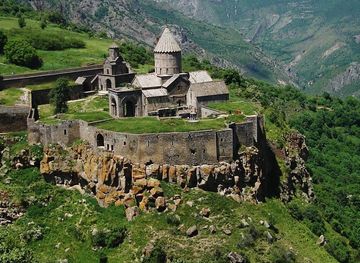
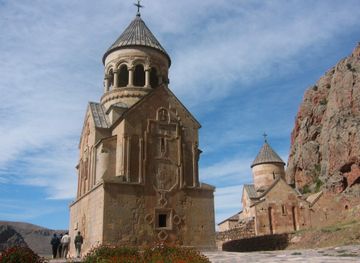
The medieval period saw the construction of numerous monasteries and churches within the boundaries of what is now Arevik National Park. These religious edifices, such as the Vorotnavank Monastery, built in the 10th century, reflect the area's importance as a center of spiritual and cultural life. The ruins of these monasteries not only serve as places of historical interest but also as testimonies to the architectural prowess and religious devotion of the Armenian people during the medieval era.
-
Arevik National Park was historically crisscrossed by important trade routes that connected different parts of the Armenian Highlands with neighboring regions. These routes facilitated the exchange of goods, culture, and ideas, contributing to the region's development. Evidence of these ancient trade routes can still be traced within the park, offering a window into the vibrant commercial activities that once took place there.
-
In the contemporary period, Arevik National Park was established in 2009 as part of Armenia's efforts to preserve its unique natural and cultural heritage. The park covers an area of 344.68 square kilometers and is home to diverse flora and fauna, including endangered species. Modern conservation efforts aim to protect the park's ecological balance while also preserving its historical and cultural landmarks for future generations to study and appreciate.
Cities in Arevik National Park
Browse our curated selection of top destinations, scenic points, and must-visit spots in the area.


Neighbouring destination travel guides
Browse our curated selection of top destinations, scenic points, and must-visit spots in the area.



Your all‑in‑one travel companion app
Explore expert travel guides, compare and book tours, experiences, hotels, and more—all from the palm of your hand. Download now for seamless trip planning wherever your wanderlust takes you.


Explore More of Syunik

Looking beyond Arevik National Park? Discover Syunik for broader travel guides, local hot-spots, and regional highlights.
Explore SyunikExplore More of Armenia

Looking beyond Arevik National Park? Discover Armenia for broader travel guides, local hot-spots, and regional highlights.
Explore ArmeniaArevik National Park in Photos
Browse through our photo collection highlighting the charm and character of the destination.

The Untouched Wilderness of Arevik National Park
Arevik National Park, located in the southern region of Armenia, is a pristine haven for nature lovers and adventure seekers. Spanning over 34,000 hectares, this protected area boasts a diverse landscape ranging from lush forests and alpine meadows to rugged mountains and serene lakes. The park is home to an array of wildlife, including the endangered Armenian mouflon, Persian leopard, and many bird species, making it a paradise for wildlife enthusiasts and bird watchers. Visitors to Arevik National Park can explore numerous hiking trails that offer stunning views of the surrounding natural beauty. The park's well-marked paths lead to panoramic viewpoints, historic sites, and hidden waterfalls, providing ample opportunities for photography and relaxation. The area's rich flora includes rare and endemic plants, making it a fascinating destination for botanists and nature photographers alike. In addition to its natural allure, Arevik National Park holds cultural significance with ancient monuments and archaeological sites scattered throughout its expanse. Exploring these remnants of past civilizations adds a layer of historical intrigue to the park's natural wonders. Whether you're seeking solitude in nature, an adventurous trek, or a glimpse into Armenia's ancient past, Arevik National Park offers a unique and unforgettable experience.