

Tatev Mountains Travel Guide - Free Web & App
Your ultimate guide to Tatev Mountains. Discover top landmarks, proposed trips, and local tips. Free on the web or via the Evendo companion app.


Tatev Mountains in Armenia reveal the Vorotan Gorge, Tatev Monastery, highland trails, dramatic viewpoints and Syunik’s living heritage near Goris.
Mountain Landscape and the Vorotan Gorge
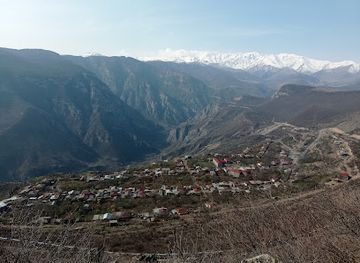
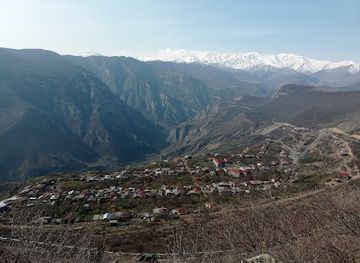
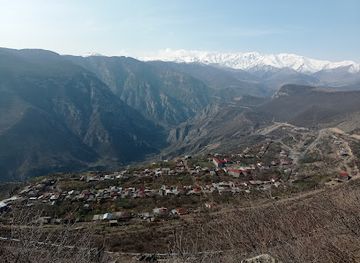
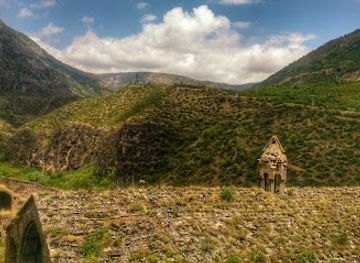
Tatev Mountains describes the rugged highland landscape surrounding Tatev in Armenia’s southern Syunik Province, where volcanic uplands, forested slopes and deep ravines shape one of the country’s most compelling rural regions. The Vorotan River cuts a dramatic gorge below the village, creating steep viewpoints, exposed rock faces and secluded valleys rather than a single compact mountain resort. The area is best understood as a landscape centred on Tatev and linked to nearby Halidzor, while Goris serves as the principal regional base.Read more about Tatev Mountains
Tatev Monastery and Living Heritage
Exploring Syunik’s Southern Uplands
When is the best time to visit Tatev Mountains?
Best: June–August · 25–28°C| Month | High (°C) | Rainfall (mm) |
|---|---|---|
| January | 2 | 35 |
| February | 3 | 29 |
| March | 8 | 34 |
| April | 14 | 26 |
| May | 20 | 18 |
| June (best) | 25 | 11 |
| July (best) | 28 | 9 |
| August (best) | 27 | 10 |
| September | 22 | 16 |
| October | 15 | 27 |
| November | 9 | 34 |
| December | 4 | 37 |
Getting to and around Tatev Mountains
How to get there
Transportation
Best attractions in Tatev Mountains
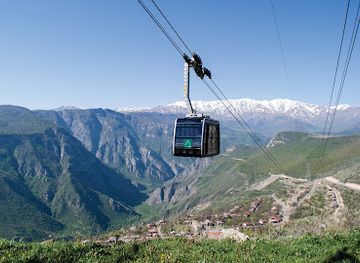
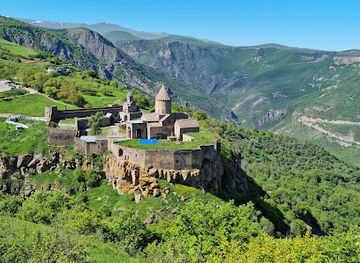
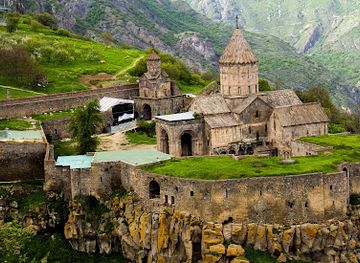
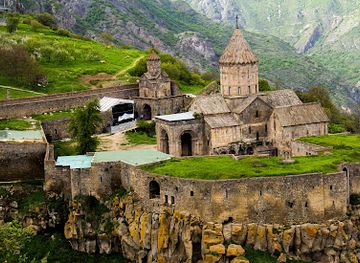
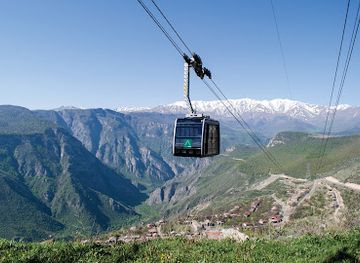
Tatev Monastery is the central attraction, occupying a high plateau above the Vorotan Gorge and combining medieval Armenian architecture with expansive mountain views. The Wings of Tatev aerial tramway links the monastery with Halidzor, providing an elevated perspective over the gorge when operating. Below, Devil’s Bridge is a naturally formed rock crossing over the Vorotan River, associated with river scenery and mineral springs, although access conditions should be checked locally. The approach from Goris adds the eroded red-rock formations and unusual cliffs around the wider Syunik landscape, while Tatev and neighbouring villages offer glimpses of rural Armenian life. Walking opportunities range from short monastery-area explorations to more demanding routes descending towards the gorge; there is no single continuous visitor trail system covering the whole mountain area. The attractions are therefore best experienced through a combination of cultural visits, roadside viewpoints and carefully chosen walks suited to current weather and access conditions.
-
Mountain cable car
Wings of Tatev | Tatever
Soar over the Vorotan Gorge on the world's longest cable car to the historic Tatev Monastery in Armenia. Unforgettable views await!
-
Tourist attraction
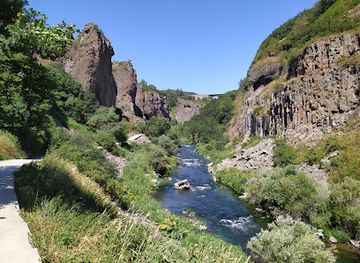
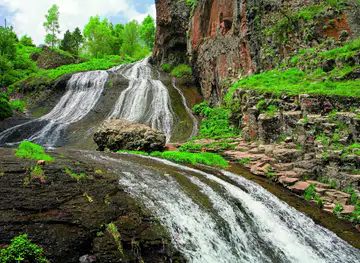
Jermuk Waterfall
Discover the beauty of Jermuk Waterfall, a natural wonder in Armenia's spa town, offering breathtaking views and a serene escape.
-
Observation deck
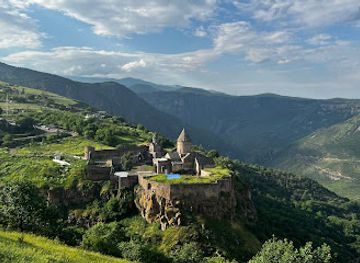
Tatev viewpoint
Experience breathtaking panoramic views of Tatev Monastery and the Vorotan Gorge from this stunning Armenian viewpoint.
-
Historical landmark
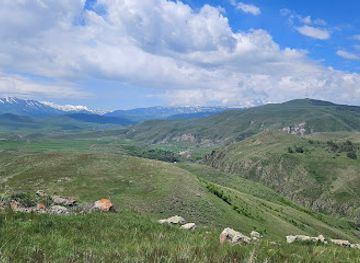
Zorats Karer
Explore Zorats Karer, Armenia's mysterious prehistoric stone circle, also known as the Armenian Stonehenge, near Sisian.
Best landmarks in Tatev Mountains
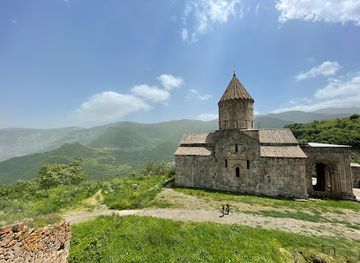
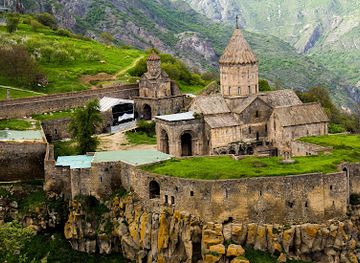
Tatev Monastery is the area’s foremost built landmark, a medieval Armenian Apostolic complex whose churches and defensive-looking position express the religious and strategic importance of the plateau above the Vorotan Gorge. The gorge itself is the defining natural landmark, its steep volcanic sides creating the dramatic setting seen from the monastery and the Wings of Tatev tramway. Devil’s Bridge, a natural rock formation over the Vorotan River, adds a distinctive geological and scenic feature below the plateau. The cableway’s Halidzor and Tatev stations have become modern markers of the destination’s renewed accessibility, while the red cliffs and eroded formations on the approach from Goris belong to the wider visual identity of Syunik. Together these landmarks show how geology, water, architecture and transport have shaped the region’s character.
-
School
Tatev Monastery
Discover the breathtaking Tatev Monastery, a UNESCO World Heritage site, nestled in Armenia's stunning landscapes, rich in history and spirituality.
-
Mountain cable car
Wings of Tatev | Tatever
Discover the breathtaking views and rich history at Wings of Tatev, the world's longest reversible aerial tramway in Armenia.
-
Family-friendly
Tatev Info Cafe
Discover the flavors and culture of Armenia at Tatev Info Cafe, your family-friendly hub for delicious food and local insights in the heart of Tatev.
-
Monastery
Great Hermitage of Tatev
Discover the Great Hermitage of Tatev, a hidden gem in Armenia's Syunik Province, offering history, architecture, and breathtaking views.
Explore Tatev Mountains on the map
Plan your trip on one map. See where the top attractions, landmarks, restaurants and hotels are, and book hotels and experiences in a few clicks.
Best hotels in Tatev Mountains
Best restaurants in Tatev Mountains
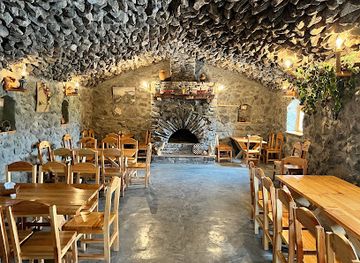
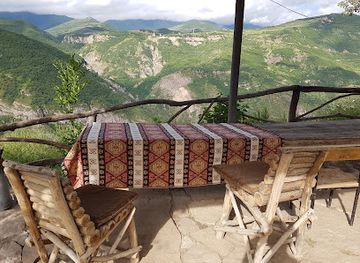
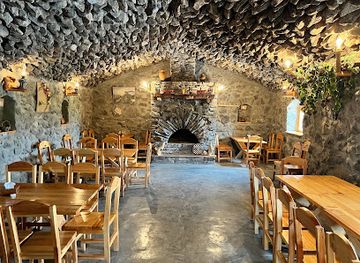
Dining around the Tatev Mountains is modest and locally oriented, with options concentrated in Tatev, Halidzor and especially Goris rather than at isolated viewpoints. Visitors may encounter home-style Armenian cooking, including dolma, soups, grilled meats, fresh salads, regional cheeses, bread, gata and other pastries; recipes and menus vary between households and small establishments. Syunik’s rural setting also supports products such as honey, herbs, dairy produce and preserves, which may appear in guesthouse meals or village shops. Goris provides the widest choice of cafés and restaurants, making it a practical place to eat before or after exploring the monastery and gorge. In the mountain villages, service can be informal and advance arrangements are sensible for groups or late arrivals. Carrying water and a portable snack is useful when visiting remote landmarks, where there may be no dependable food outlet.
-
Restaurant
Tatevatun
Discover culinary delights at Tatevatun in Halidzor—where local flavors meet stunning views for an unforgettable dining experience.
-
Family-friendly
Tavern Hndzan
Discover authentic Armenian flavors at Tavern Hndzan in Shinuhayr - where family-friendly dining meets breathtaking scenery.
-
Family-friendly
Tatev Info Cafe
Discover the charm of Armenia at Tatev Info Cafe - where delicious food meets local insights in a cozy setting.
-
Restaurant
Old Halidzor Restaurant and Hotel
Experience authentic Armenian cuisine amidst stunning mountain views at Old Halidzor Restaurant and Hotel.
Best bars in Tatev Mountains
The Tatev Mountains do not have a conventional nightlife scene, and evenings are generally quiet once visitors leave Goris. Tatev and Halidzor may offer an occasional drink or locally prepared meal through a guesthouse or small village establishment, but these are places for conversation and rural hospitality rather than late-night entertainment. Goris has the region’s broader selection of cafés, restaurants and informal places to meet, although it remains a small mountain town rather than a clubbing destination. Evenings in the landscape are more naturally shaped by guesthouse dining, clear highland skies and the sounds of village life. Seasonal cultural activity may occur in Syunik, but visitors should confirm current events locally instead of assuming that performances or festivals coincide with their stay.
-
School
Tatev Monastery
Explore the ancient beauty of Tatev Monastery, a spectacular site in Armenia offering breathtaking views and rich cultural heritage.
-
Restaurant
Tatevatun
Experience the rich flavors of Armenian cuisine at Tatevatun, where every meal is accompanied by breathtaking views and warm hospitality.
-
Family-friendly
Tavern Hndzan
Experience the warmth of Armenian hospitality at Tavern Hndzan, a family-friendly restaurant in the heart of Shinuhayr, offering delicious local cuisine.
-
Family-friendly
Tatev Info Cafe
Discover the flavors of Armenia at Tatev Info Cafe, where family-friendliness meets vital tourist information in the heart of Tatev.
Best nightclubs in Tatev Mountains
The Tatev Mountains do not have a conventional nightlife scene, and evenings are generally quiet once visitors leave Goris. Tatev and Halidzor may offer an occasional drink or locally prepared meal through a guesthouse or small village establishment, but these are places for conversation and rural hospitality rather than late-night entertainment. Goris has the region’s broader selection of cafés, restaurants and informal places to meet, although it remains a small mountain town rather than a clubbing destination. Evenings in the landscape are more naturally shaped by guesthouse dining, clear highland skies and the sounds of village life. Seasonal cultural activity may occur in Syunik, but visitors should confirm current events locally instead of assuming that performances or festivals coincide with their stay.
-
School
Tatev Monastery
Experience the breathtaking beauty and rich history of Tatev Monastery, a spiritual haven in the heart of Armenia's scenic landscapes.
Best shops in Tatev Mountains
Shopping in the Tatev Mountains is limited and centred on practical village services, small guesthouses and locally produced goods rather than a formal retail district. In Tatev, Halidzor or nearby settlements, visitors may find regional food products such as honey, preserves, dried fruit, cheese and herbs, depending on local supply and season. Goris offers the most reliable choice of shops, crafts and provisions for travellers exploring Syunik, including items associated with Armenian food culture and handmade rural production. Visitors should regard availability as variable, particularly outside the main town, and carry essential supplies before travelling into the mountain area. Purchasing directly from small producers can support local households, but it is courteous to ask about ingredients, prices and photography when buying from family-run businesses or informal roadside stalls.
-
School
Tatev Monastery
Explore the awe-inspiring Tatev Monastery, an iconic Armenian landmark offering stunning views, rich history, and a deep cultural experience in a breathtaking landscape.
-
Mountain cable car
Wings of Tatev | Tatever
Soar over Armenia's breathtaking landscapes with the Wings of Tatev, the world's longest reversible aerial tramway, connecting you to history and nature.
-
Restaurant
Tatevatun
Experience the breathtaking views and delightful Armenian cuisine at Tatevatun, a hidden gem in Halidzor, perfect for every traveler.
-
Monastery
Great Hermitage of Tatev
Discover the breathtaking Great Hermitage of Tatev, a historical monastery offering stunning landscapes, rich culture, and spiritual tranquility.
Get your free copy of our complete guide to Tatev Mountains, delivered straight to you.
Everything on this page, from attractions and restaurants to essentials and local phrases, in one PDF you can read offline, print or share.
Already have an account? Sign in
Your Tatev Mountains guide is ready.
We'll send it to · Not you? Sign out

Getting your guide ready…
We are putting together a fresh copy of the Tatev Mountains guide. This can take up to a minute.
This can take a few moments. If your browser asks, choose Allow so the download can start. You'll find the guide in your Downloads folder.
Nothing happened? Download it again
Sorry, the guide is taking longer than usual. Please try again in a minute, or get it by email instead.
Tatev Mountains essentials
Currency and Payment
Safety
Emergency Situations
Do's and Don'ts
Local Tips
From Eve
Local phrases worth knowing
You don't need to get them perfect. A few words go a long way, and locals appreciate the effort.
Basics
| English | Local | Say it |
|---|---|---|
| Hello | Բարև | [Barev] |
| Goodbye | Ցտեսություն | [Ts'tesut'yun] |
| Yes | Այո | [Ayo] |
| No | Ոչ | [Voč] |
| Please/You're welcome | Խնդրեմ/Խնդրված էք | [Khndrem/Khndrvats ek] |
| Thank you | Շնորհակալ եմ | [Shnorhakal em] |
| Excuse me/Sorry | Ներում եմ | [Nerum em] |
| How are you? | Ինչպե՞ս եք | [Inchpes ek] |
| Fine. And you? | Բարին. Անդու? | [Barin. Andu?] |
| Do you speak English? | Անգլերեն խոսեք՞ | [Angleren khossek?] |
| I don't understand | Ես չեմ հասկանում | [Yes chem haskanum] |
Eating & Drinking
| English | Local | Say it |
|---|---|---|
| I'd like to see the menu, please | Խնդրում եմ մենյուն տեսնել | [Khndrum em menyun tesnel] |
| I don't eat meat | Ես մեկը չեմ ուտել | [Yes meky chem utel] |
| Cheers! | Կէչ | [Kech] |
| I would like to pay, please | Խնդրում եմ վճարել | [Khndrum em vcharrel] |
Emergencies
| English | Local | Say it |
|---|---|---|
| Help! | Օրհներգ | [Orhnerk] |
| Go away! | Ուղարկ | [Ughark] |
| Call the Police! | Զանգահարեք ոստիկանը | [Zangaharek' ostikaney] |
| Call a doctor! | Զանգահարեք բժշկին | [Zangaharek' bzhskin] |
| I'm lost | Ես կուտսել եմ | [Yes kutsel em] |
| I'm ill | Ես հիվանդ եմ | [Yes hivanad em] |
Shopping
| English | Local | Say it |
|---|---|---|
| I'd like to buy... | Խնդրում եմ գնել | [Khndrum em gnel] |
| I'm just looking | Ես միայն նայում եմ | [Yes miayn nayum em] |
| How much is it? | Որքա՞ն է դա | [Vorqan e da] |
| That's too expensive | Դա շատ թանկ է | [Da shat tank e] |
| Can you lower the price? | Արդարեք գինը | [Ardarek' gine] |
Time & Numbers
| English | Local | Say it |
|---|---|---|
| What time is it? | Տեղափոխվել է ժամը | [Teghapokhvel e zham e] |
| It's one o'clock | Մեկ է | [Mek e] |
| Half past (10) | Կազմակերպված է (10) | [Kazmagerpats e (10)] |
| Morning | Առավոտ | [Ara vot] |
| Afternoon | Կերակու | [Keraku] |
| Evening | Երեկո | [Ereko] |
| Yesterday | Երեկ | [Ereko] |
| Today | Այսօր | [Aysor] |
| Tomorrow | Վաղը | [Vage] |
| 1 | 1 | [1] |
| 2 | 2 | [2] |
| 3 | 3 | [3] |
| 4 | 4 | [4] |
| 5 | 5 | [5] |
| 6 | 6 | [6] |
| 7 | 7 | [7] |
| 8 | 8 | [8] |
| 9 | 9 | [9] |
| 10 | 10 | [10] |
Transport & Directions
| English | Local | Say it |
|---|---|---|
| Where's a/the...? | Արեւելյալ/մեջտեղին է՞... | [Arevyalyal/mejteghin e?] |
| What's the address? | Հասցեն ի՞նչ է | [Hastcen inch e] |
| Can you show me (on the map)? | Արդարեք ցուցադրել (քարտով) | [Ardarek' tsutsadrel (kartov)] |
| When's the next (bus)? | Երբ է հաջողվելու հաջողվել | [Yerbe e hajoghvelu hajoghvel] |
| A ticket (to ....) | Բիլետ (.... համար) | [Bilet (.... hamar)] |
History of Tatev Mountains
A Volcanic Highland Landscape
The Tatev region forms part of the mountainous terrain of southern Armenia, shaped by volcanic rocks, uplift and the long erosion of the Vorotan River. Geological processes created the plateau and gorge setting that later influenced settlement, agriculture and religious architecture. The contrast between elevated grassland, wooded slopes and deeply cut ravines is central to the area’s identity, while exposed rock formations around the wider Goris and Tatev landscape record the interaction of hard volcanic material with weathering and running water.
Early Settlement in Syunik
Syunik has long been an important southern region of the Armenian Highlands, linking mountain communities and routes towards the present-day borders with Iran and Azerbaijan. Human occupation developed around defensible uplands, cultivable pockets and river valleys, although the surviving historical record is more strongly associated with later monasteries and fortified settlements than with a single ancient centre at Tatev. The region’s dispersed villages reflect a mountain economy shaped by pastoralism, small-scale agriculture and the practical need to adapt settlement to steep terrain.
The Medieval Monastery of Tatev
Tatev Monastery became one of the major intellectual and religious centres of medieval Armenia. The principal complex was developed during the medieval period on a commanding plateau above the Vorotan Gorge, where its elevation offered both spiritual symbolism and physical security. Tatev was associated with scholarship, manuscript culture and ecclesiastical authority, and its surviving churches, courtyards and stonework remain the clearest historical expression of the region’s importance. The complex’s remote location did not isolate it from wider Armenian religious and cultural networks.
Regional Fortunes and Rural Continuity
Like much of southern Armenia, Tatev and the surrounding settlements experienced changing political control and regional pressures over successive centuries. Religious institutions, village communities and pastoral land use continued to structure local life, while roads through the mountains connected the area with Goris and other centres of Syunik. The landscape retained a predominantly rural character, with stone construction, grazing and seasonal movement remaining more significant than large-scale urban development. This continuity helps explain why the monastery is encountered within a working mountain environment rather than a recreated historic district.
Conservation and Modern Visitor Access
In the modern period, Tatev’s cultural importance has been reinforced by restoration, heritage interest and improved visitor access. The Wings of Tatev aerial tramway, opened in 2010, created a direct connection between Halidzor and the monastery while turning the Vorotan Gorge into a major scenic experience. Tourism has brought new attention to villages and landscapes across Syunik, but the area remains environmentally and infrastructurally sensitive. Responsible visitation matters because steep terrain, historic masonry, rural roads and the gorge’s natural conditions all limit the scale and pace of development.
Tatev Mountains in Photos
Browse through our photo collection highlighting the charm and character of the destination.
Cities in Tatev Mountains
The towns and cities of Tatev Mountains, and the easiest places to base yourself.
-

-

-


Swipe for more cities
Neighbouring destination travel guides
The closest destinations to Tatev Mountains, if you have time for more than one.
-

-

-

-

-


Swipe for more destinations
Explore more

Explore more of Syunik
Explore Syunik’s mountain gorges, Tatev Monastery, prehistoric stones, forested valleys and southern Armenian food culture near the Iranian frontier.
Explore Syunik
Explore more of Armenia
Explore Armenia's ancient wonders, vibrant cities, and breathtaking landscapes. From historic monasteries to delicious cuisine, there's something for every traveler.
Explore Armenia