

Tatev Monastery Travel Guide - Free Web & App
Your ultimate guide to Tatev Monastery. Discover top landmarks, proposed trips, and local tips. Free on the web or via the Evendo companion app.


Tatev Monastery in Armenia reveals medieval architecture, dramatic Syunik landscapes, the Vorotan Gorge and the Wings of Tatev cableway and mountain walks.
A Monastery in the Syunik Highlands
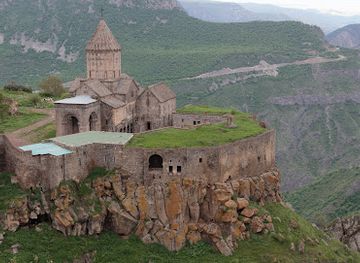
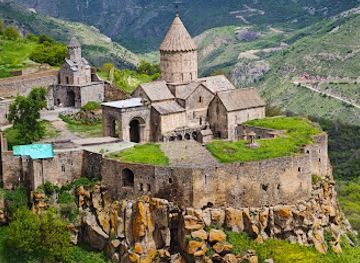
Tatev Monastery stands on a basalt promontory above the deep Vorotan Gorge in southern Armenia’s Syunik Province. Reached by a winding mountain road or the Wings of Tatev aerial tramway from Halidzor, the complex combines medieval architecture with an expansive landscape of dry slopes, ravines and distant highlands. Its location is as important to its character as its stone buildings: the monastery appears integrated into the rugged terrain rather than separated from it.Read more about Tatev Monastery
Medieval Heritage and Spiritual Identity
Exploring the Surrounding Landscape
When is the best time to visit Tatev Monastery?
Best: May–June, September · 23–27°C| Month | High (°C) | Rainfall (mm) |
|---|---|---|
| January | 1 | 30 |
| February | 3 | 25 |
| March | 9 | 25 |
| April | 16 | 20 |
| May (best) | 23 | 15 |
| June (best) | 27 | 10 |
| July | 30 | 5 |
| August | 29 | 5 |
| September (best) | 24 | 10 |
| October | 17 | 20 |
| November | 8 | 25 |
| December | 4 | 30 |
Getting to and around Tatev Monastery
How to get there
Transportation
Best attractions in Tatev Monastery
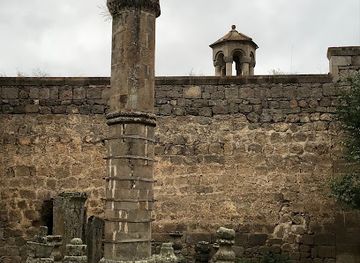
Tatev Monastery is the defining attraction, with the Saints Peter and Paul church, the Gavazan column, monastic courtyards and surviving defensive structures gathered on the gorge-side plateau. The Wings of Tatev cableway offers a dramatic approach from Halidzor, crossing the Vorotan Gorge and providing a broad perspective on the mountain terrain. Tatev village adds a quieter rural setting, while the nearby Devil’s Bridge is a natural rock formation associated with the Vorotan River and can be reached as a separate excursion by road and foot. The wider area is valued for its ravines, dry upland slopes, changing mountain light and traditional settlements rather than for a dense concentration of attractions. Goris, outside the immediate monastery setting, is a useful base for regional excursions and for understanding the distinctive stone landscapes of southern Syunik.
-
Tourist attraction
Gavazan
Discover Gavazan, the oscillating pillar of Tatev Monastery, a medieval marvel of engineering and a symbol of Armenia's rich history.
-
 Tourist attraction
Vyhlídka
Capture breathtaking panoramic views of Tatev Monastery and the Vorotan Gorge from this must-visit vantage point in Armenia.

Best landmarks in Tatev Monastery
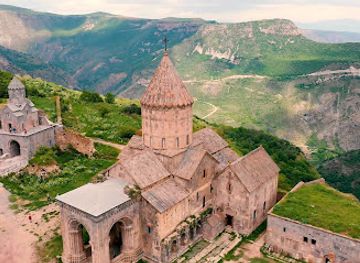
The principal landmark is Tatev Monastery, whose basalt-stone churches and monastic buildings occupy a commanding spur above the Vorotan Gorge. Saints Peter and Paul, the complex’s principal church, is the central architectural feature, while the Gavazan column is an especially notable medieval engineering and religious monument within the grounds. The Vorotan Gorge itself is a defining natural landmark, cut deeply into the Syunik highlands and crossed by the Wings of Tatev cableway on its approach from Halidzor. Nearby Devil’s Bridge, a natural rock formation over the Vorotan River, adds a geological and scenic dimension to the area. Together these features explain Tatev’s identity as both a major Armenian Christian monument and a place shaped by dramatic mountain geography.
-
Observation deck
Tatev viewpoint
Discover the stunning Tatev Viewpoint, where breathtaking landscapes meet the rich history of Armenia's iconic Tatev Monastery.
-
Religious destination
Gavazan
Discover the spiritual essence of Gavazan, a breathtaking religious destination in Tatev, Armenia, surrounded by stunning landscapes and rich history.
-
Armenian church
Surb Astvatsatsin
Discover the architectural beauty and rich history of Surb Astvatsatsin, an iconic Armenian church in the stunning landscape of Tatev.


Explore Tatev Monastery on the map
Plan your trip on one map. See where the top attractions, landmarks, restaurants and hotels are, and book hotels and experiences in a few clicks.
Best hotels in Tatev Monastery
Best restaurants in Tatev Monastery
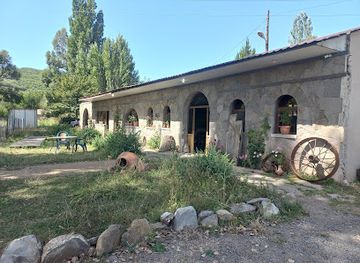
Dining around Tatev is modest and largely connected with village homes, guesthouses and small family-run establishments rather than a formal restaurant district. Meals may feature Armenian staples such as soups, salads, dolma, grilled meats, lavash, cheese, herbs and seasonal fruit, with ingredients reflecting the agricultural character of Syunik. Visitors should expect the widest choice in Goris, where cafés and restaurants serve regional and Armenian dishes, while options near the monastery can be limited and may require advance planning. Rural hospitality often places emphasis on home-cooked food and locally produced ingredients, but availability varies by season and by individual business. Carrying water and a simple snack is sensible when spending several hours at the monastery or travelling onward through the gorge.
-
Family-friendly
Tatev Info Cafe
Experience authentic Armenian cuisine at Tatev Info Cafe while enjoying breathtaking views near Tatev Monastery.
-
Family-friendly
Տաթև պանդոկ
Experience authentic Armenian cuisine in a family-friendly atmosphere at Tatev Pandok near the stunning Tatev Aerial Tramway.
-
Family-friendly
Tatev Authentic Food
Discover authentic Armenian flavors at Tatev Authentic Food - where family-friendly dining meets traditional cuisine in a stunning setting.


Best bars in Tatev Monastery
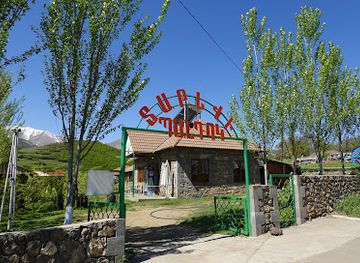
Tatev is a quiet religious and rural destination with no established nightclub scene and little reason to expect late-night entertainment around the monastery. Evening life is more likely to centre on conversation and a meal at a guesthouse or village homestay, sometimes accompanied by Armenian wine, fruit preserves or locally made spirits where offered. Goris provides a broader selection of cafés, restaurants and informal evening venues, although it remains a small regional town rather than a major nightlife centre. In Tatev and Halidzor, darkness and the mountain setting are part of the atmosphere, while evening movement should be planned around road conditions, limited transport and the distance between settlements.
-
Family-friendly
Tatev Info Cafe
Discover Tatev Info Cafe, a family-friendly spot offering delightful local treats and essential tourist information in the heart of Tatev.
-
Family-friendly
Տաթև պանդոկ
Experience the flavors of Armenia at Tatev Pandok, a family-friendly dining oasis near the breathtaking Tatev Aerial Tramway.
-
Family-friendly
Tatev Authentic Food
Discover the essence of Armenian cuisine at Tatev Authentic Food, a family-friendly restaurant offering delicious homemade dishes and local wine.


Best nightclubs in Tatev Monastery
Tatev is a quiet religious and rural destination with no established nightclub scene and little reason to expect late-night entertainment around the monastery. Evening life is more likely to centre on conversation and a meal at a guesthouse or village homestay, sometimes accompanied by Armenian wine, fruit preserves or locally made spirits where offered. Goris provides a broader selection of cafés, restaurants and informal evening venues, although it remains a small regional town rather than a major nightlife centre. In Tatev and Halidzor, darkness and the mountain setting are part of the atmosphere, while evening movement should be planned around road conditions, limited transport and the distance between settlements.
-
School
Tatev Monastery
Explore the breathtaking Tatev Monastery, a stunning blend of history, spirituality, and nature in the heart of Armenia.

Best shops in Tatev Monastery
Shopping at Tatev is limited and mainly consists of practical village provisions, locally made food and small-scale souvenirs rather than a concentrated retail area. Guesthouses and family businesses may offer regional produce, preserves, dried fruit, honey or handmade items, though selection and availability vary. Goris is the more reliable place for browsing Armenian crafts, woven goods, artwork, regional food products and practical supplies before or after visiting the monastery. Purchases from local makers can reflect the agricultural and handmade traditions of Syunik, but visitors should distinguish genuinely local products from generic souvenirs. There is no extensive shopping district at Tatev, so travellers should obtain specialist equipment, medicines and substantial provisions in a larger town before heading into the gorge.
-
School
Tatev Monastery
Discover the breathtaking beauty and rich history of Tatev Monastery, a UNESCO World Heritage site in Armenia, perched above the stunning Vorotan Gorge.
-
Observation deck
Tatev viewpoint
Discover the stunning panoramic views at Tatev Viewpoint, a serene escape in Armenia's breathtaking landscapes.
-
Religious destination
Gavazan
Discover the beauty and tranquility of Gavazan, a sacred religious destination in Tatev, where history and spirituality intertwine.
-
Historical place museum
Tatev Oil Mill
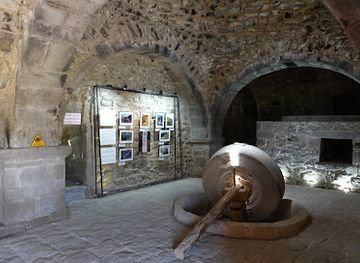
Explore the Tatev Oil Mill, an enchanting historical museum in Armenia showcasing traditional oil production methods and rich cultural heritage.
Get your free copy of our complete guide to Tatev Monastery, delivered straight to you.
Everything on this page, from attractions and restaurants to essentials and local phrases, in one PDF you can read offline, print or share.
Already have an account? Sign in
Your Tatev Monastery guide is ready.
We'll send it to · Not you? Sign out

Getting your guide ready…
We are putting together a fresh copy of the Tatev Monastery guide. This can take up to a minute.
This can take a few moments. If your browser asks, choose Allow so the download can start. You'll find the guide in your Downloads folder.
Nothing happened? Download it again
Sorry, the guide is taking longer than usual. Please try again in a minute, or get it by email instead.
Tatev Monastery essentials
Currency and Payment
Safety
Emergency Situations
Do's and Don'ts
Local Tips
From Eve
Local phrases worth knowing
You don't need to get them perfect. A few words go a long way, and locals appreciate the effort.
Basics
| English | Local | Say it |
|---|---|---|
| Hello | Բարև | [Barev] |
| Goodbye | Ցտեսություն | [Tsdesut'yun] |
| Yes | Այո | [Ayo] |
| No | Ոչ | [Voč] |
| Please/You're welcome | Խնդրում եմ | [Khndrum em] |
| Thank you | Շնորհակալ եմ | [Shnorhakal em] |
| Excuse me/Sorry | Ներքևում եմ | [Nerk'eոum em] |
| How are you? | Ինչ եք անում? | [Inč' ek'anum?] |
| Fine. And you? | Լավ եմ. Դու? | [Lav em. Du?] |
| Do you speak English? | Անգլերեն խոսում եք? | [Angleren xosum ek?] |
| I don't understand | Չեմ հասկանում | [Chem haskanum] |
Eating & Drinking
| English | Local | Say it |
|---|---|---|
| I'd like to see the menu, please | Խմբագրիչը ես կներեք | [Khmbagrich'ə es knerek'] |
| I don't eat meat | Ես միս չունեմ | [Es mis ch'unem] |
| Cheers! | Կէնաձդ! | [Kenadz!] |
| I would like to pay, please | Խամբագրիչը ես կարդարեք | [Khambagrich'ə es kardarek'] |
Emergencies
| English | Local | Say it |
|---|---|---|
| Help! | Օգնեք! | [Ognek'!] |
| Go away! | Փառաբանեք! | [Parabanek'!] |
| Call the Police! | Զինվորականը կանչեք! | [Zinvorakanə kanč'ek'!] |
| Call a doctor! | Բժշկը կանչեք! | [Bžškə kanč'ek'!] |
| I'm lost | Ես կորասվել եմ | [Es korasvel em] |
| I'm ill | Ես հիվանդ եմ | [Es hivanəd em] |
Shopping
| English | Local | Say it |
|---|---|---|
| I'd like to buy... | Ես ուզում եմ գնել... | [Es uzum em gnel...] |
| I'm just looking | Ես միայն նայում եմ | [Es miayn nayum em] |
| How much is it? | Քանիք է դա? | [K'anik' e da?] |
| That's too expensive | Դրանը շատ թափություն ունի | [Drany šat' tap'ut'yun uni] |
| Can you lower the price? | Գնել կարելի է թափությունը? | [Gnel kareli e tap'ut'yunə?] |
Time & Numbers
| English | Local | Say it |
|---|---|---|
| What time is it? | Ինչ ժամ է այսպես? | [Inč' žam e ayspes?] |
| It's one o'clock | Երկուսը ժամ է | [Erkusə žam e] |
| Half past (10) | Տասինը միջեւ | [Tasinə miǰev] |
| Morning | Առավոտ | [Aravot] |
| Afternoon | Կեսօր | [Kesōr] |
| Evening | Երեկ | [Erek] |
| Yesterday | Երեկ | [Erek] |
| Today | Այսօր | [Aysōr] |
| Tomorrow | Վաղը | [Vałə] |
| 1 | Մեկ | [Mek] |
| 2 | Երկու | [Erku] |
| 3 | Երեք | [Erek'] |
| 4 | Չորս | [Č'ors] |
| 5 | Հինգ | [Hing] |
| 6 | Վեց | [Vegh] |
| 7 | Յոթ | [Yot'] |
| 8 | Ութ | [Ut'] |
| 9 | Ինը | [Inə] |
| 10 | Տաս | [Tas] |
Transport & Directions
| English | Local | Say it |
|---|---|---|
| Where's a/the...? | Որտեղ է ...? | [Vort'egh ē ...?] |
| What's the address? | Որտեղ է հասցեն? | [Vort'egh ē hasc'en?] |
| Can you show me (on the map)? | Դու կարկանիսեք (քարտեզում)? | [Du kark'anisək' (kart'ezum)?] |
| When's the next (bus)? | Երկար է հաջորդը (ավտոբուսը)? | [Yerkar e hajordə (avtobusə)?] |
| A ticket (to ....) | Գրանցամ (մինչեւ ...) | [Granc'am (minč'ev ...)] |
History of Tatev Monastery
A Monastery on the Vorotan Plateau
Tatev’s setting reflects the long geological history of the Syunik highlands, where uplifted rock and erosion have created the deep Vorotan Gorge and the elevated promontory occupied by the monastery. Human history at the site belongs to a much later period, when defensible highland locations were valuable for religious communities and regional settlement. The gorge, steep slopes and limited approaches helped give Tatev both spiritual isolation and strategic protection, while also shaping the difficult routes that still connect it with surrounding villages.
Foundation and Medieval Expansion
The monastery developed into one of medieval Armenia’s important religious institutions. Tatev’s principal church, Surb Poghos-Petros, or Saints Peter and Paul, was built between 895 and 906 under the patronage of Bishop Hovhannes, replacing or formalising an earlier religious foundation. Additional churches, chapels, service buildings and defensive structures accumulated around it. The complex’s architecture reflects the endurance of Armenian Christian building traditions while its commanding position connected the monastery with settlements and routes across Syunik.
Tatev as a Centre of Learning
During the fourteenth and fifteenth centuries, Tatev became a prominent centre of Armenian scholarship. The University of Tatev was associated with leading thinkers including Hovhannes Vorotnetsi and Grigor Tatevatsi, whose theological and philosophical work contributed significantly to Armenian intellectual life. Manuscript production, teaching and religious administration strengthened the monastery’s influence well beyond its immediate mountain setting. The surviving complex therefore represents more than a medieval church: it records the relationship between faith, education and regional power in Armenia.
Disruption, Earthquakes and Survival
Tatev experienced repeated periods of disruption, including attacks and upheaval that affected its buildings and community. In 1170, Seljuk forces are recorded as sacking the monastery and destroying its manuscript collection, a severe loss to its scholarly tradition. Later earthquakes and political changes also damaged or weakened the complex. Despite these setbacks, Tatev remained an important religious and cultural landmark, and its substantial stone construction allowed key elements of the medieval ensemble to survive.
Modern Conservation and Access
In the modern period, Tatev became increasingly recognised as a major monument of Armenian heritage and a focus of conservation. The 1931 earthquake caused serious damage, adding to the need for repair and structural care. Restoration has continued alongside efforts to improve responsible visitor access, while the Wings of Tatev cableway, opened in 2010, created a new approach from Halidzor across the Vorotan Gorge. Contemporary tourism now brings international attention to the monastery, making careful conservation and respect for its religious character especially important.
Tatev Monastery in Photos
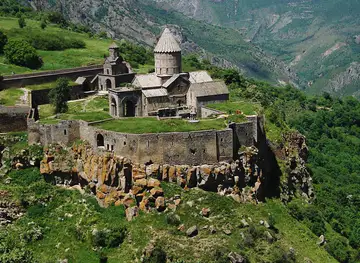
Browse through our photo collection highlighting the charm and character of the destination.
Neighbouring destination travel guides
The closest destinations to Tatev Monastery, if you have time for more than one.
-
-

-

-

-


Swipe for more destinations
Explore more

Explore more of Syunik
Explore Syunik’s mountain gorges, Tatev Monastery, prehistoric stones, forested valleys and southern Armenian food culture near the Iranian frontier.
Explore Syunik
Explore more of Armenia
Explore Armenia's ancient wonders, vibrant cities, and breathtaking landscapes. From historic monasteries to delicious cuisine, there's something for every traveler.
Explore Armenia