Melk Abbey: Austria's Baroque Masterpiece
Discover Austria's Baroque jewel: Melk Abbey, a UNESCO World Heritage Site with stunning architecture, library, and Danube views.
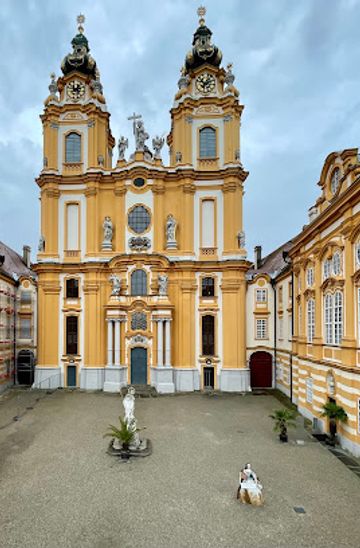
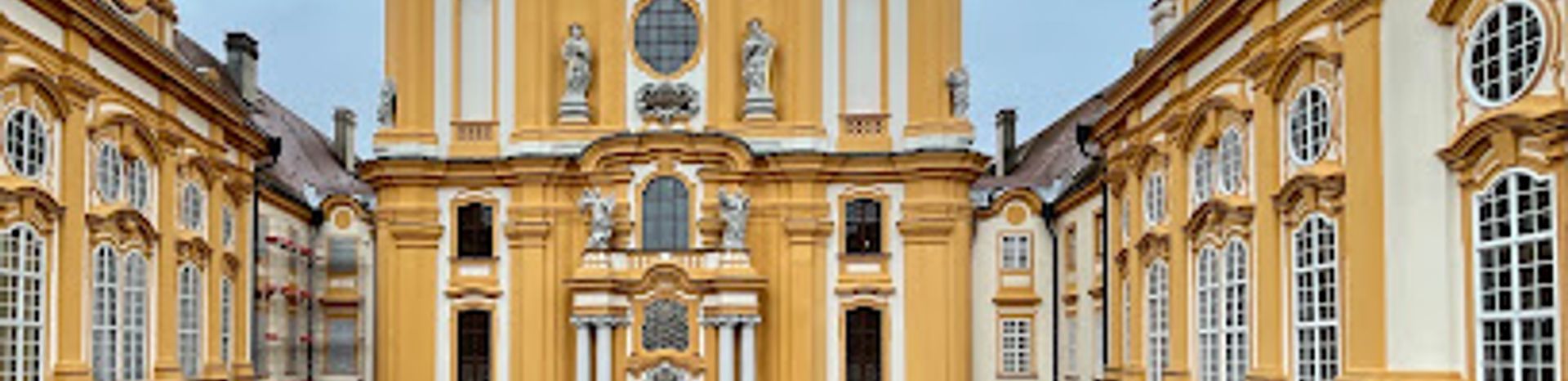
Melk Abbey, a stunning Benedictine monastery in Lower Austria, stands as a prime example of Baroque architecture. Perched high above the town of Melk on a rocky outcrop overlooking the Danube River, this golden-hued abbey boasts a rich history, magnificent interiors, and breathtaking views, making it a must-see destination in the Wachau Valley.
A brief summary to Melk Abbey
- Abt-Berthold-Dietmayr-Straße 1, Melk, 3390, AT
- Click to display
- Click to display
- Monday 9 am-5:30 pm
- Tuesday 9 am-5:30 pm
- Wednesday 9 am-5:30 pm
- Thursday 9 am-5:30 pm
- Friday 9 am-5:30 pm
- Saturday 9 am-5:30 pm
- Sunday 9 am-5:30 pm

Know before you go
Hi, I'm Eve. Here are a few practical things to know before exploring Melk Abbey.
- Allow at least 2.5 hours for a complete visit, including the interiors and the abbey park.
- Photography is prohibited inside the museum, Marble Hall, library, and church.
- Consider taking a guided tour to fully appreciate the abbey's history and significance.
- Check the schedule for concerts or special events in the Baroque Garden Pavilion.
- Combine your visit with a trip to the Wachau Valley, exploring nearby towns like Dürnstein.
Do you manage this location?
Take control to get all the benefits, like improved information, better appearance, and stronger visibility across AI-powered discovery. Learn more
Activate your presenceOther nearby places you may find interesting
Getting There
-
Walking
From the Melk train station, the abbey is approximately a 10-minute walk. Exit the station and walk uphill, following the signs towards the abbey. The route leads through the town of Melk, offering glimpses of local life before arriving at the abbey entrance.
-
Public Transport
VOR bus lines 715, 720, and 721 connect Melk with surrounding towns like Krems and Emmersdorf. Check the VOR website for schedules and stops. From the bus stops in Melk, follow the walking directions to the abbey.
-
Driving
If driving, follow signs for 'Stift Melk'. The abbey has a large parking lot (STIFT MELK-P). Parking is free for visitors who purchase an admission ticket; validate your parking ticket at the ticket office in the first courtyard. Without validation, parking fees may apply.
Discover more about Melk Abbey
Explore the best of what Melk Abbey has to offer













More about Mostviertel
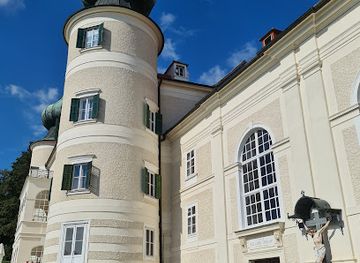
Discover Mostviertel: A tranquil Austrian region known for its scenic landscapes, historic sites, and delicious cider. Ideal for nature lovers and cultural enthusiasts alike.
Tell me more about Mostviertel
Discover the historic Pfarrkirche Mariae Himmelfahrt in Weissenkirchen, a stunning fortified church in the heart of the Wachau Valley.
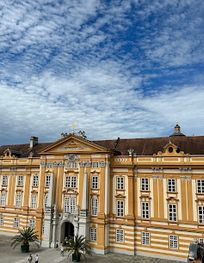
Discover Nordbastei in Melk: A historical landmark with stunning Danube views, exhibitions, and a glimpse into Austria's past.