

Free Stubai Valley Travel Guide & Mobile App
Explore Stubai Valley with free travel guides. Discover regional history, expert tips, proposed trips, and audio guides on web or mobile app.


Explore Austria's Stubai Valley for glacier scenery, alpine villages, waterfalls, hiking, skiing and traditional Tyrolean food near Innsbruck.
Read more about Stubai Valley
When is the best time to visit Stubai Valley?
Best: June–August · 22–24°C| Month | High (°C) | Rainfall (mm) |
|---|---|---|
| January | 2 | 30 |
| February | 4 | 30 |
| March | 8 | 40 |
| April | 13 | 50 |
| May | 18 | 70 |
| June (best) | 22 | 80 |
| July (best) | 24 | 90 |
| August (best) | 24 | 90 |
| September | 20 | 70 |
| October | 14 | 60 |
| November | 8 | 50 |
| December | 3 | 40 |
Getting to and around Stubai Valley
How to get there
Transportation
Top city travel guides in Stubai Valley
The cities of Stubai Valley, and the easiest places to base yourself.

Swipe for more cities
Destinations in Stubai Valley
Resorts, valleys and scenic spots worth a trip of their own.
-
-


Swipe for more destinations
Best attractions in Stubai Valley
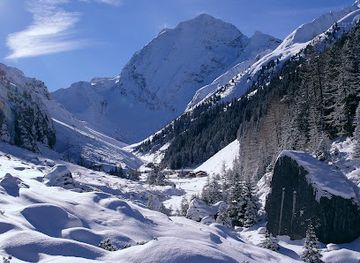
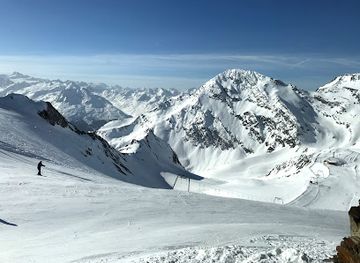
The Stubai Valley's attractions are shaped by altitude and by the transition from inhabited valley floor to glacier country. At the upper end, the Stubai Glacier provides high-mountain viewpoints and winter sports, while the road towards it passes through increasingly rugged scenery. Around Neustift, the WildeWasserWeg follows the valley's powerful streams and waterfalls, including the Grawa Waterfall, with sections suited to different levels of fitness. The Elfer mountain offers hiking routes and broad views above the village. Near Fulpmes, Schlick 2000 combines skiing with summer walking through meadows, larch woodland and rocky high ground; Mieders provides access to the Serles mountain area. Lower-valley villages contain parish churches, farmhouses and local museums, while the Fulpmes area preserves the valley's metalworking story. Families can choose shorter nature trails and mountain excursions, whereas experienced walkers can link huts and high passes on longer routes. Conditions, lift operation and trail access are seasonal, so the valley rewards visitors who match their plans to the weather rather than treating its attractions as a fixed circuit.
-
Ski resort
Hochstubai-Liftanlagen
Experience the thrill of skiing and breathtaking views at Hochstubai-Liftanlagen, a premier ski resort in the stunning Stubaital Valley.
-
Hiking area
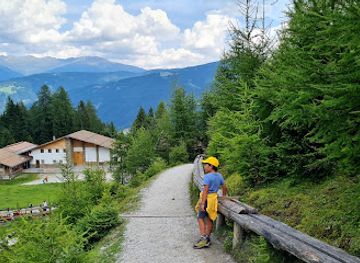
Stubai Baumhausweg
Explore the stunning trails and breathtaking views of Stubai Baumhausweg, a must-visit hiking area in Telfes im Stubai, perfect for all adventure seekers.
-
Ravine
Stubaital
Explore the stunning ravine of Stubaital, where breathtaking landscapes meet thrilling outdoor adventures and rich Tyrolean culture.
-
Tourist attraction
Oberissalm
Explore the breathtaking Oberissalm, a stunning hiking area in the Stubai Valley, where nature and adventure await in every picturesque corner.
Best landmarks in Stubai Valley
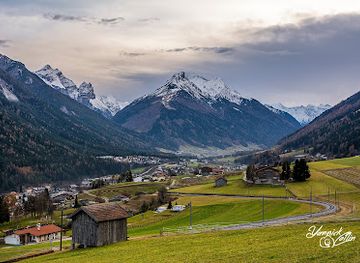
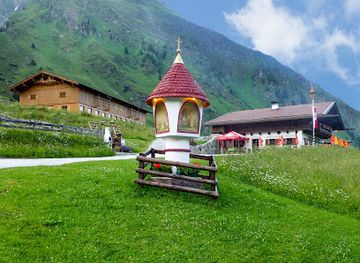
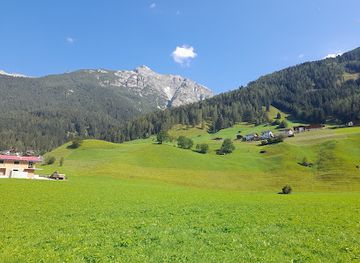
The Stubai Glacier is the valley's most recognisable natural landmark, its ice and high peaks defining the upper end of the landscape and the region's modern alpine identity. The Grawa Waterfall, below the glacier road, is one of the most prominent expressions of the valley's glacial water, while the Ruetz river provides a continuous natural thread through the settlements. Above Fulpmes, the Schlick 2000 mountains form a distinctive backdrop of wooded slopes, open pasture and craggy summits. The Serles, rising above Mieders, is one of the valley's most recognisable peaks and a traditional viewpoint from the lower Stubai landscape. In the villages, parish churches and whitewashed façades punctuate the long valley settlements; Neustift's church is particularly prominent from the surrounding slopes. Fulpmes's historic metalworking identity is another cultural landmark, represented through its craft heritage and local collections. Together these places show how Stubai's identity rests on both dramatic mountain geography and the settled communities that have used the valley for farming, craft and travel.
-
Ski resort
Stubai Glacier
Experience Austria's largest glacier ski area! Year-round snow, stunning views, and family fun await just 45 minutes from Innsbruck.
-
Castle
Schloss Ambras Innsbruck
Explore a Renaissance castle in Innsbruck with stunning art collections, historical significance & picturesque gardens. A must-see Tyrolean landmark!
-
Observation deck
Top of Tyrol
Experience breathtaking panoramic views from the Top of Tyrol viewing platform, perched high in the Stubai Alps, offering a unique alpine adventure.
-
Tourist attraction
Grawa Waterfall
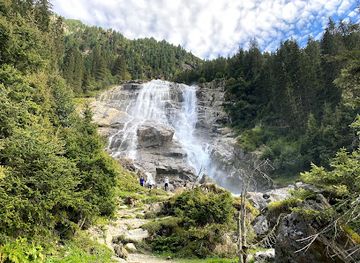
Experience the awe-inspiring Grawa Waterfall in Stubai Valley, a natural monument and the widest waterfall in the Eastern Alps.
Explore Stubai Valley on the map
Plan your trip on one map. See where the top cities, national parks and sights are, and book hotels and experiences in a few clicks.
Best hotels in Stubai Valley
Best restaurants in Stubai Valley
Dining in the Stubai Valley follows the hearty alpine tradition of Tyrol, with menus commonly featuring Tiroler Gröstl, cheese or bacon dumplings, goulash, soups, roast meats and Kaiserschmarrn. Mountain huts and rustic inns are central to the food culture, offering substantial plates and hot drinks after walking or skiing rather than relying on elaborate presentation. Village restaurants and hotel dining rooms provide a broader range of Austrian and international dishes, while cafés serve pastries, cakes and coffee in the customary Austrian style. Local cheeses, cured meats, bread, apple-based desserts and regional schnapps appear in farm shops and seasonal menus, although availability varies between producers. Neustift and Fulpmes have the widest choice, while smaller communities are more dependent on traditional inns and accommodation restaurants. Reservations are sensible for popular evening dining in peak seasons, and visitors should not assume that every mountain hut remains open late or accepts cards.
-
Restaurant
Herr Klaus - Das Restaurant
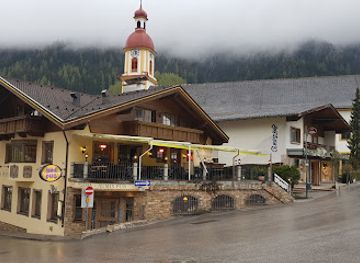
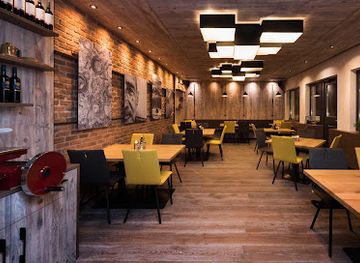
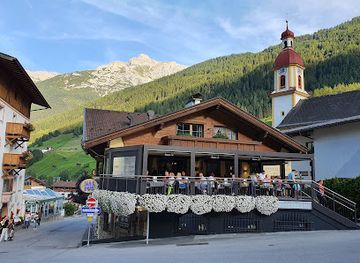
Experience authentic Austrian cuisine at Herr Klaus in Neustift im Stubaital - where every dish tells a story amidst breathtaking alpine views.
-
Restaurant
BOTTEGA No. 13
Experience authentic Italian cuisine at Bottega No. 13 in Neustift im Stubaital – where every bite transports you to Italy's culinary heart.
-
Cafe
Cafe Anny Pizzeria Platzl
Discover the perfect blend of Austrian charm and Italian flavors at Cafe Anny Pizzeria Platzl in Neustift im Stubaital.
-
Restaurant
Big Mike´s Burger
Experience mouthwatering burgers and warm hospitality at Big Mike's Burger in Neustift im Stubaital—your go-to spot for delicious comfort food.
Best bars in Stubai Valley
The Stubai Valley has a relaxed evening scene rather than a concentrated nightclub district. Neustift and Fulpmes offer the broadest choice of hotel bars, traditional pubs, après-ski venues and places with occasional live music, while Mieders and Telfes are quieter and more oriented towards restaurants and village inns. During the winter season, ski areas create a livelier après-ski atmosphere, but it generally remains concentrated around lift bases and accommodation rather than continuing throughout the night. In summer, evenings centre on outdoor terraces, cafés, local events and convivial restaurants. Some hotels provide lounges or bars for guests, and a few venues may feature regional beer, Austrian wine or schnapps. Opening arrangements and entertainment change seasonally, so current local information is more reliable than expecting a permanent club schedule.
-
Restaurant
Herr Klaus - Das Restaurant
Experience the best of Austrian cuisine at Herr Klaus - Das Restaurant, where local flavors meet warm hospitality in the heart of Neustift im Stubaital.
-
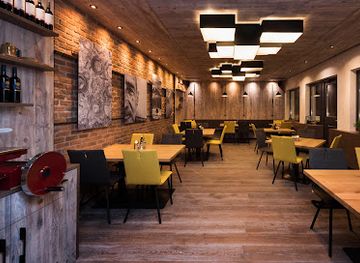
Bar
BOTTEGA No. 13
Experience authentic Italian cuisine in the heart of Neustift im Stubaital at Bottega No. 13, where every meal is a celebration of flavors.
-
Restaurant
Cafe Anny Pizzeria Platzl
Experience authentic Italian pizza and warm hospitality at Café Anny Pizzeria Platzl in the stunning Stubai Valley.
-
Bar
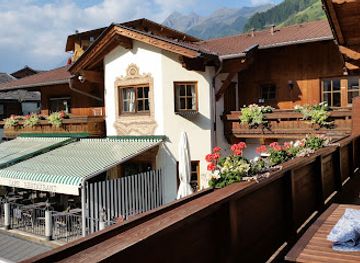
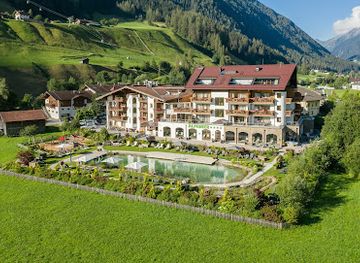
Alpeiner Nature Resort Tirol
Experience the beauty of the Tyrolean Alps at Alpeiner Nature Resort, a perfect retreat for families and couples in Neustift im Stubaital.
Best nightclubs in Stubai Valley
The Stubai Valley has a relaxed evening scene rather than a concentrated nightclub district. Neustift and Fulpmes offer the broadest choice of hotel bars, traditional pubs, après-ski venues and places with occasional live music, while Mieders and Telfes are quieter and more oriented towards restaurants and village inns. During the winter season, ski areas create a livelier après-ski atmosphere, but it generally remains concentrated around lift bases and accommodation rather than continuing throughout the night. In summer, evenings centre on outdoor terraces, cafés, local events and convivial restaurants. Some hotels provide lounges or bars for guests, and a few venues may feature regional beer, Austrian wine or schnapps. Opening arrangements and entertainment change seasonally, so current local information is more reliable than expecting a permanent club schedule.
-
Disco club
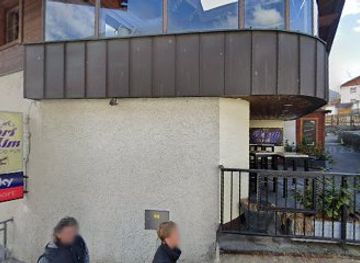
Rumpl-Disco-Bar
Discover the ultimate nightlife experience at Rumpl-Disco-Bar in Neustift im Stubaital, where vibrant music and a lively atmosphere await.
Best shops in Stubai Valley
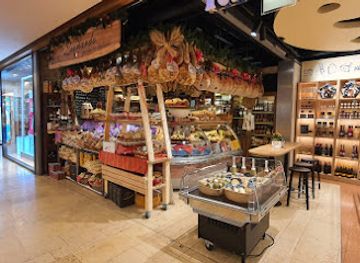
Shopping in the Stubai Valley is practical and locally focused rather than centred on large retail districts. Fulpmes and Neustift have the broadest selection of outdoor equipment, everyday goods, bakeries, cafés and small independent shops, while the smaller villages offer more limited village services. The valley's strongest distinctive association is with metalworking and forged tools, a tradition linked especially with Fulpmes; visitors may find locally connected craft products or museum-related items, though the range varies by season. Farm shops and accommodation providers sell regional cheeses, cured meats, bread, honey, jams, herbal products and schnapps, making edible goods useful souvenirs. Woodwork, woollen items and alpine-style handicrafts appear in selected craft and gift shops. Weekly markets and seasonal stalls are worth checking locally rather than assuming a permanent market operates in every village. For specialist fashion, large department stores or extensive retail choice, Innsbruck outside the valley is the principal nearby destination.
-
Shopping mall
DEZ Innsbruck
Discover the vibrant shopping experience at DEZ Innsbruck, where fashion meets delicious dining in the heart of the Alps.
-
 Shopping mall
Sillpark
Explore Sillpark in Innsbruck for an unforgettable shopping experience with diverse shops and delightful dining options.
-
Shopping mall
Kaufhaus Tyrol
Discover an eclectic mix of shopping, dining, and cultural experiences at Kaufhaus Tyrol in the heart of Innsbruck.
-
Shopping mall
RathausGalerien
Experience the vibrant atmosphere of RathausGalerien, Innsbruck's premier shopping mall, where shopping meets dining and leisure in a perfect blend.
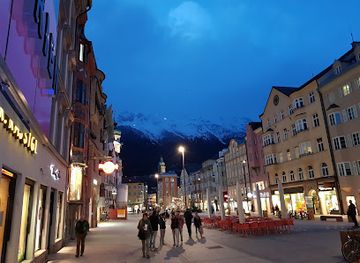
Get your free copy of our complete guide to Stubai Valley, delivered straight to you.
Everything on this page, from attractions and restaurants to essentials and local phrases, in one PDF you can read offline, print or share.
Already have an account? Sign in
Your Stubai Valley guide is ready.
We'll send it to · Not you? Sign out

Getting your guide ready…
We are putting together a fresh copy of the Stubai Valley guide. This can take up to a minute.
This can take a few moments. If your browser asks, choose Allow so the download can start. You'll find the guide in your Downloads folder.
Nothing happened? Download it again
Sorry, the guide is taking longer than usual. Please try again in a minute, or get it by email instead.
Stubai Valley essentials
Currency and Payment
Safety
Emergency Situations
Do's and Don'ts
Local Tips
From Eve
Local phrases worth knowing
You don't need to get them perfect. A few words go a long way, and locals appreciate the effort.
Basics
| English | Local | Say it |
|---|---|---|
| Hello | Grüß Gott | [Groos Got] |
| Goodbye | Auf Wiedersehen | [Owf Veederzain] |
| Yes | Ja | [Yah] |
| No | Nein | [Nine] |
| Please/You're welcome | Bitte | [Bit-te] |
| Thank you | Danke | [Dahn-ke] |
| Excuse me/Sorry | Entschuldigung | [Ent-shool-dee-goong] |
| How are you? | Wie geht's? | [Vee gates?] |
| Fine. And you? | Gut. Und dir? | [Goot. Oond deer?] |
| Do you speak English? | Sprechen Sie Englisch? | [Shpreh-ken Zee Eng-lish?] |
| I don't understand | Ich verstehe nicht | [Ish fer-shtay-e nikht] |
Eating & Drinking
| English | Local | Say it |
|---|---|---|
| I'd like to see the menu, please | Ich hätte gerne die Speisekarte, bitte | [Ish het-te gurn-e dee Shpyze-kart-e, bit-te] |
| I don't eat meat | Ich esse kein Fleisch | [Ish ess-e kine Flysh] |
| Cheers! | Prost! | [Prohst!] |
| I would like to pay, please | Ich möchte bezahlen, bitte | [Ish merkh-te be-zahl-en, bit-te] |
Emergencies
| English | Local | Say it |
|---|---|---|
| Help! | Hilfe! | [Hil-fe!] |
| Go away! | Geh weg! | [Gay veg!] |
| Call the Police! | Rufen Sie die Polizei! | [Roo-fen Zee dee Po-liz-i] |
| Call a doctor! | Rufen Sie einen Arzt! | [Roo-fen Zee eye-nen Artz!] |
| I'm lost | Ich bin verloren | [Ish bin fer-lo-ren] |
| I'm ill | Ich bin krank | [Ish bin krank] |
Shopping
| English | Local | Say it |
|---|---|---|
| I'd like to buy... | Ich möchte ... kaufen | [Ish merkh-te ... kauf-en] |
| I'm just looking | Ich schaue nur | [Ish shau-e noor] |
| How much is it? | Wie viel kostet das? | [Vee feel kost-et dahs?] |
| That's too expensive | Das ist zu teuer | [Dahs ist tsoo toy-er] |
| Can you lower the price? | Könnten Sie den Preis senken? | [Kern-ten Zee den Price sen-ken?] |
Time & Numbers
| English | Local | Say it |
|---|---|---|
| What time is it? | Wie spät ist es? | [Vee shpayt ist es?] |
| It's one o'clock | Es ist ein Uhr | [Es ist ine Oor] |
| Half past (10) | Halb elf | [Halb elf] |
| Morning | Morgen | [Mor-gen] |
| Afternoon | Nachmittag | [Nahk-mit-tahg] |
| Evening | Abend | [Ah-bend] |
| Yesterday | Gestern | [Ges-turn] |
| Today | Heute | [Hoy-te] |
| Tomorrow | Morgen | [Mor-gen] |
| 1 | Eins | [Eins] |
| 2 | Zwei | [Zvai] |
| 3 | Drei | [Dry] |
| 4 | Vier | [Fear] |
| 5 | Fünf | [Fünf] |
| 6 | Sechs | [Zex] |
| 7 | Sieben | [Zee-ben] |
| 8 | Acht | [Acht] |
| 9 | Neun | [Noyn] |
| 10 | Zehn | [Zayn] |
Transport & Directions
| English | Local | Say it |
|---|---|---|
| Where's a/the...? | Wo ist ein/eine...? | [Voh ist ine/ine?] |
| What's the address? | Wie ist die Adresse? | [Vee ist dee Ah-dress-eh?] |
| Can you show me (on the map)? | Könnten Sie mir (auf der Karte) zeigen? | [Kern-ten Zee meer (owf der Kart-e) tsai-gen?] |
| When's the next (bus)? | Wann kommt der nächste (Bus)? | [Vahn kommt der nehks-te (Boos)?] |
| A ticket (to ....) | Ein Ticket (nach ...) | [Ine Tick-et (nahkh ...)] |
History of Stubai Valley
Early settlement and alpine pasture
The Stubai Valley developed through a combination of village settlement, forestry and seasonal alpine grazing. Its steep terrain limited large-scale agriculture, so communities relied on hay meadows in the valley, livestock on higher pastures and careful use of woodland. Farmhouses, chapels and field patterns still reflect this relationship with the landscape. The valley's geography also shaped movement: the lower settlements were more closely connected with Innsbruck and the Inn Valley, while the upper valley remained oriented towards mountain passes, pastures and glacier country.
Medieval valley communities
During the medieval period, the settlements of the Stubai Valley became part of the political and ecclesiastical structures of Tyrol. Parish churches and smaller chapels provided clear centres for dispersed communities, while local farms and alpine associations organised work in difficult terrain. Neustift's church and monastic associations became particularly important in the upper valley, where religious institutions helped shape settlement and land use. The surviving village churches, farm buildings and traditional field patterns offer the most visible connection with this period of rural development.
Fulpmes and the metalworking tradition
Fulpmes became closely associated with ironworking, blacksmithing and the production of tools and hardware. The craft drew on local skills and the wider commercial links of Tyrol, and it provided an important alternative to subsistence farming in a narrow alpine valley. Fulpmes's industrial identity is represented today through local collections and craft traditions, including the village's historic connection with forged tools. This background helps explain why the valley's cultural history is not limited to farming and tourism.
The rise of mountaineering and alpine tourism
Nineteenth-century interest in the Alps brought new attention to the Stubai mountains. Travellers, surveyors and mountaineers began to use the valley as a base for routes towards high peaks, passes and glaciers. Mountain huts and improved paths gradually made these landscapes more accessible, while inns adapted to visitors arriving for health, scenery and exploration. Tourism did not replace agriculture immediately, but it created a new source of income and encouraged improvements in accommodation, guiding and transport.
The Stubai railway and modern connections
The Stubaitalbahn, opened in the early twentieth century between Innsbruck and Fulpmes, strengthened the valley's connection with the regional capital. It made travel more practical for residents, workers and visitors and helped integrate the lower valley into the expanding transport network of Tyrol. Although the railway does not extend through the entire valley, its continuing presence is a reminder of the transition from predominantly local travel to modern tourism and commuting.
From summer resort to four-season destination
After the Second World War, cable cars, ski infrastructure and improved roads transformed the Stubai Valley's visitor economy. Ski areas developed around Schlick, Serles and Elfer, while the Stubai Glacier became the valley's principal high-altitude winter and summer skiing centre. Tourism brought employment and new accommodation but also increased pressure on water, transport, slopes and sensitive alpine environments. Contemporary Stubai therefore combines a long-established rural economy with a highly developed outdoor tourism industry.
Stubai Valley in Photos
Browse through our photo collection highlighting the charm and character of the destination.
Neighbouring regions of Stubai Valley
The closest regions to Stubai Valley, if you have time for more than one.
-

-

-

-

-


Swipe for more regions
Explore more
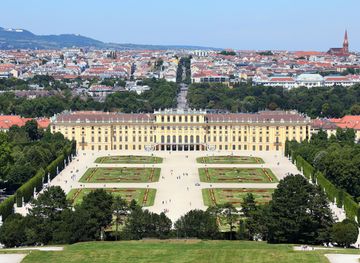
Explore more of Austria
Discover Austria's blend of alpine landscapes, rich cultural heritage, and culinary delights, from Vienna's historic charm to Tyrol's dramatic beauty.
Explore Austria