

Schloss Hellbrunn, Salzkammergut Travel Guide
Discover the whimsical world of Schloss Hellbrunn near Salzburg: a Baroque palace with enchanting trick fountains, stunning gardens, and a touch of 'Sound of Music' magic.
Schloss Hellbrunn, a magnificent early Baroque villa just south of Salzburg, offers a delightful escape into a world of princely pleasure and ingenious waterworks. Built in the early 17th century by Prince-Archbishop Markus Sittikus, this day-residence was designed for entertainment and leisure. The palace itself houses the "SchauLust" exhibition, offering insights into its history and architecture. However, the true magic lies in the extensive gardens, featuring the world-renowned Trick Fountains. These fountains, powered solely by water, provide endless amusement with hidden jets and surprising displays. The Hellbrunn grounds also include the Stone Theatre, one of Europe's oldest open-air stages, and the Monatsschlössl, now home to the Folklore Museum. With its blend of history, natural beauty, and playful surprises, Schloss Hellbrunn promises an unforgettable experience for visitors of all ages.
A brief summary to Schloss Hellbrunn
- Fürstenweg 37, Salzburg, 5020, AT
- Click to display
- Click to display

Know before you go
Hi, I'm Eve. Here are a few practical things to know before exploring Schloss Hellbrunn.
- Wear shoes you don't mind getting wet, especially if you plan to tour the Trick Fountains – hidden jets of water are part of the fun!
- Visit during the shoulder seasons (spring or fall) for fewer crowds and pleasant weather to explore the gardens.
- Consider purchasing the Salzburg Card for free admission to Hellbrunn and other attractions, plus free public transportation.
- Allow at least 3-4 hours to fully explore the palace, Trick Fountains, gardens, and other attractions within the Hellbrunn grounds.
- Check the schedule for guided night tours of the Trick Fountains in July and August for a unique and enchanting experience.
Do you manage this location?
Take control to get all the benefits, like improved information, better appearance, and stronger visibility across AI-powered discovery. Learn more about listing your business on Evendo
Activate your presenceOther nearby places you may find interesting
The closest places of the same kind, if this one is not quite what you had in mind.
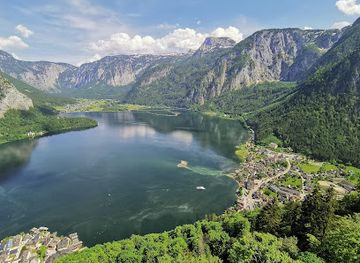
Explore Schloss Hellbrunn on the Map
A handpicked selection of must-see spots near Schloss Hellbrunn, mapped for you.
Unlock the Best of Schloss Hellbrunn
Buy tickets
Book tours with entry


Getting There
-
Public Transport
From Salzburg Hauptbahnhof (main train station) or the city center (e.g., Rathaus stop), take Bus 25 directly to the 'Salzburg Schloss Hellbrunn' stop. The bus ride takes approximately 25-30 minutes from the city center and slightly longer from the main train station. A single bus fare is around €2-3. The bus stop is a short walk (less than 5 minutes) from the entrance to Schloss Hellbrunn.
-
Taxi/Ride-Share
A taxi or ride-share from Salzburg city center to Schloss Hellbrunn takes approximately 10-15 minutes, depending on traffic. Expect to pay around €15-€20 for the ride. The drop-off point is near the main entrance.
-
Driving
If driving, follow signs for Hellbrunn from the Salzburg city center. There is a large parking lot (Parkplatz Hellbrunn) directly at the palace. Parking fees are €2 for the first two hours, €1 for each additional hour, with a maximum daily fee of €4. Note that parking can be limited during peak season or special events.
Discover more about Schloss Hellbrunn













Your all‑in‑one travel companion app
Explore expert travel guides, compare and book tours, experiences, hotels, and more—all from the palm of your hand. Download now for seamless trip planning wherever your wanderlust takes you.


Explore More of Salzkammergut
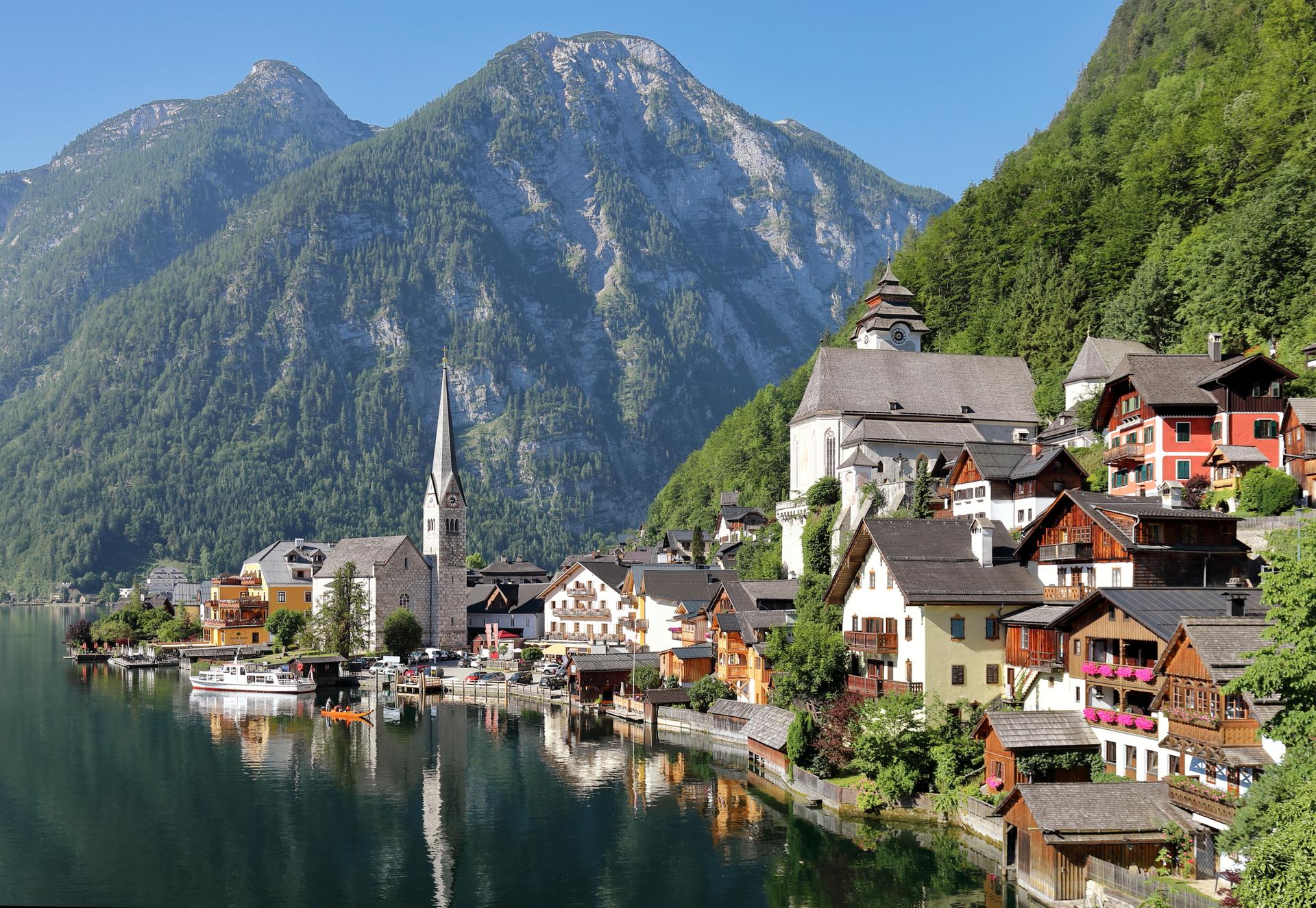
Looking beyond Schloss Hellbrunn? Discover Salzkammergut for broader travel guides, local hot-spots, and regional highlights.
Explore Salzkammergut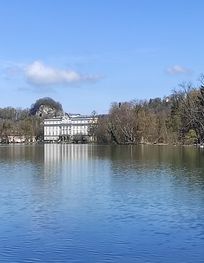
Explore the beauty of Leopoldskron Palace Meierhof, a historical landmark in Salzburg, where history meets breathtaking landscapes.
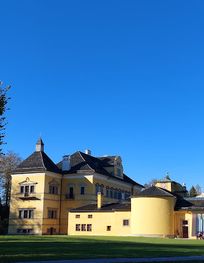
Relive iconic movie moments at the Sound of Music Pavilion in Salzburg's Hellbrunn Palace gardens. A must-see for fans of the classic film.
