

Tux Alps, Austria Travel Guide
Discover the Tux Alps in Austria, where breathtaking landscapes and thrilling outdoor adventures await. Enjoy skiing, hiking, and the charm of traditional Alpine villages.
Nestled in the heart of Tyrol, the Tux Alps offer visitors an unforgettable Alpine experience. With towering peaks, lush meadows, and pristine valleys, this destination is a haven for nature lovers and adventure seekers alike. Whether you're a seasoned hiker or a family looking for a scenic getaway, the Tux Alps have something for everyone. One of the major attractions in the Tux Alps is the Hintertux Glacier, which offers year-round skiing. Imagine carving through fresh snow even in the summer months! The glacier also boasts an ice palace, a magical world of sparkling ice formations that captivate visitors of all ages. For those who prefer warmer activities, the Tux Alps are crisscrossed with hiking and biking trails that offer panoramic views and the chance to spot local wildlife. The charming villages of Tux and Finkenberg serve as perfect bases for exploring the region. Here, you can immerse yourself in traditional Austrian culture, enjoy hearty local cuisine, and relax in cozy Alpine lodges. Don’t miss the opportunity to visit local farms where you can taste fresh dairy products and learn about traditional farming methods. The Tux Alps are not just a destination; they are an experience that will leave you refreshed and inspired.

Know before you go
Hi, I'm Eve. Here are a few practical things to know before exploring Tux Alps.
- Visit the Hintertux Glacier for year-round skiing and the mesmerizing ice palace.
- Stay in the villages of Tux or Finkenberg for easy access to trails and local culture.
- Take advantage of the extensive hiking and biking trails for stunning panoramic views.
- Try local dishes and fresh dairy products at traditional Alpine lodges and farms.
- Bring layers of clothing, as mountain weather can be unpredictable.
Top City Travel Guides in Tux Alps
The cities of Tux Alps, and the easiest places to base yourself.

Destinations in Tux Alps
Resorts, valleys and scenic spots worth a trip of their own.


Explore Tux Alps: Things to Do, Places to Eat, Hotels & More
Handpicked recommendations for top attractions, local dining, accommodations, and more

Top Attractions & Sightseeing in Tux Alps
Top-rated picks
Best Attractions

Hintertuxer Gletscher
Experience year-round skiing and breathtaking alpine views at Hintertuxer Gletscher, Austria's premier ski resort and hiking paradise.

Schleierwasserfall
Discover the ethereal beauty of Schleierwasserfall in Tyrol: a haven for hikers, climbers, and nature enthusiasts seeking stunning alpine views.

Spannagelhöhle
Discover Austria's largest marble cave beneath the Hintertux Glacier. Guided tours, stunning formations, and thrilling cave trekking await!

Bienenhaus
Experience the breathtaking beauty of Bienenhaus in Hintertux, Austria, where nature and culture unite in an unforgettable alpine adventure.

Best landmarks in Tux Alps
Top-rated picks
Best Landmarks

Piazza Priel
Experience the vibrant heart of Brixen at Piazza Priel, a picturesque square blending history, culture, and South Tyrolean charm.
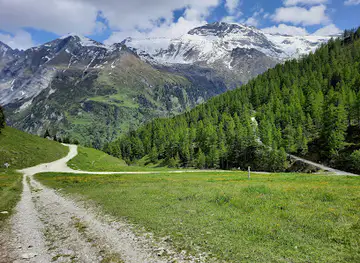
Schleierwasserfall
Discover the breathtaking Schleierwasserfall in the Wilder Kaiser mountains, a world-renowned climbing destination and a haven for nature lovers seeking stunning alpine scenery.

Bienenhaus
Discover Bienenhaus in Hintertux: An unforgettable alpine escape where nature's beauty and cultural heritage unite for a serene experience.

Nasse Tux Bach Wasserfall
Discover the refreshing beauty of Nasse Tux Bach Waterfall, a scenic highlight in the heart of the Austrian Alps.

Best restaurants in Tux Alps
Top-rated picks
Best Restaurants

Tuxer Fernerhaus
Discover Tuxer Fernerhaus: A must-visit restaurant offering exquisite Austrian cuisine and stunning alpine views in Tux Valley.
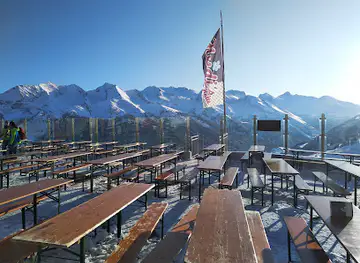
Heidi´s Hütte
Discover authentic Austrian cuisine at Heidi's Hütte, nestled in Tux's breathtaking alpine landscape – a must-visit culinary retreat for every traveler.
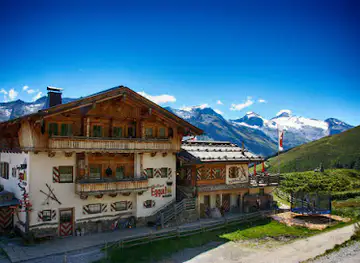
Berggasthaus Eggalm
Experience authentic Tyrolean cuisine at Berggasthaus Eggalm amidst breathtaking alpine landscapes in Tux Valley.
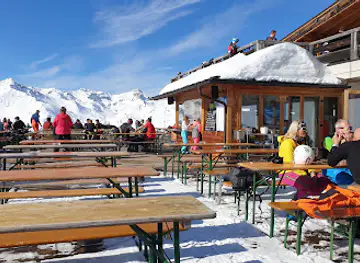
Lämmerbichl
Discover authentic Austrian cuisine amidst breathtaking mountain views at Lämmerbichl in Tux.

Best bars in Tux Alps
Top-rated picks
Best Bars

Brück'n Stadl
Experience the vibrant nightlife of Mayrhofen at Brück'n Stadl, where great food meets electrifying music and dance.

Sommerbergalm
Experience the perfect blend of stunning mountain views and authentic Tyrolean cuisine at Sommerbergalm.

Des-iss
Discover the flavors of Zillertal at Des-iss, where delightful grilled dishes and a warm atmosphere await every visitor.

Mo's Restaurant Bar und Live Music, Appartements
Discover the vibrant scene at Mo's Restaurant Bar und Live Music in Mayrhofen, where delicious food meets lively entertainment in a cozy atmosphere.

Best nightclubs in Tux Alps
Top-rated picks
Best Nightclubs

Bar & Disco Kleine Tenne Tux-Lanersbach, Zillertal/Tirol
Experience the vibrant nightlife at Bar & Disco Kleine Tenne, the ultimate destination for après-ski fun and unforgettable dance parties in Tux-Lanersbach.

Arena Night Club
Arena Night Club: The Ultimate Nightlife Experience in Mayrhofen, Where Music and Dance Come Alive.

Best shops in Tux Alps
Top-rated picks
Best Shops

Designer Outlet Parndorf
Shop till you drop at Designer Outlet Parndorf, Austria's premier destination for high-end fashion at unbeatable prices.

Designer Outlet Salzburg
Shop premium brands at discounted prices in the heart of Salzburg's beautiful surroundings at Designer Outlet Salzburg.

DEZ Innsbruck
Explore DEZ Innsbruck – an ultimate shopping destination with clothing, dining, and more in the heart of Innsbruck.

Outlet Center Brenner
Explore Outlet Center Brenner: Your ultimate shopping destination in South Tyrol, featuring unbeatable deals and stunning alpine views.

Explore Tux Alps on the Map
A handpicked selection of must-see spots in Tux Alps, mapped for you.
Tux Alps Essentials
-
The Tux Alps are located in the Tyrol region of Austria. The nearest international airport is Innsbruck Airport, approximately 85 kilometers away. From Innsbruck, you can take a train to Mayrhofen, which is the gateway to the Tux Valley. Alternatively, you can rent a car or take a shuttle service from the airport. The journey by road takes about 1.5 to 2 hours. Another option is to fly into Munich Airport and take a train or bus to the Tux Alps, which takes around 3 to 4 hours.
-
Within the Tux Alps, the best way to get around is by car or local buses. The Tux Sportbus operates regularly, connecting various villages in the Tux Valley and providing access to ski lifts and hiking trails. Taxis are also available but can be expensive. For those looking to explore the mountains, cable cars and gondolas are available and provide stunning views of the region. During the winter season, ski buses offer convenient transportation between ski resorts.
-
The official currency in Austria is the Euro (EUR). Credit and debit cards are widely accepted in hotels, restaurants, and shops. However, it is advisable to carry some cash, especially in smaller establishments and for minor purchases. ATMs are readily available in towns and villages throughout the Tux Valley. Currency exchange services can be found at airports, major train stations, and banks.
-
The Tux Alps are generally a safe destination for tourists. There are no specific high-crime areas targeting tourists, but it is always wise to take standard precautions. Avoid leaving valuables unattended and be mindful of your belongings in crowded places. In the mountains, always follow safety guidelines for hiking and skiing. Check weather conditions before heading out and inform someone of your plans. Emergency services are efficient and can be reached by dialing 112.
-
In case of an emergency, dial 112 for immediate assistance. This number connects you to police, medical, and fire services. There are medical facilities and pharmacies in Mayrhofen and other larger villages in the Tux Valley. It's highly recommended to have travel insurance that covers medical emergencies and mountain rescue. For minor health issues, local pharmacies can provide over-the-counter medications and advice.
-
Fashion: Do wear appropriate clothing for the weather, especially in the mountains. Layered clothing is advisable. Don't wear overly casual or revealing attire in formal settings or religious sites. Religion: Do respect local customs and traditions. When visiting churches, dress modestly and remain quiet. Public Transport: Do be respectful and give up your seat to elderly passengers. Don’t be loud or disruptive on public transport. Greetings: Do greet people with a friendly 'Grüß Gott' or 'Hallo.' A handshake is also common. Eating & Drinking: Do try local specialties like Tiroler Gröstl and Kaiserschmarrn. Don't forget to say 'Prost' when toasting with drinks. Also, tipping around 5-10% in restaurants is customary.
-
To experience the Tux Alps like a local, take part in traditional events and festivals such as Almabtrieb (cattle drive) in autumn. Visit local markets to buy fresh produce and regional specialties. Engaging with locals in small village inns (Gasthäuser) can provide insights into the culture and traditions. For an authentic experience, consider staying in a family-run guesthouse or farm stay. Don’t miss the opportunity to hike to some of the less-traveled trails for breathtaking views and tranquility.
When is the best time to visit Tux Alps?
Useful Local Phrases for Tux Alps
You don't need to speak the language perfectly. Even learning a few simple words can make conversations warmer—and locals usually appreciate the effort.
— Eve

Here are the phrases I use most often in Tux Alps. Try a few—you'll be surprised how far they go! 😊
❤️
-
- HelloHallo
[HAH-loh] - GoodbyeAuf Wiedersehen
[OWF VEE-der-zay-en] - YesJa
[YAH] - NoNein
[NINE] - Please/You're welcomeBitte
[BIT-teh] - Thank youDanke
[DAHN-keh] - Excuse me/SorryEntschuldigung
[ENT-shool-dee-goong] - How are you?Wie geht's?
[VEE gates?] - Fine. And you?Gut. Und dir?
[GOOT. OOND deer?] - Do you speak English?Sprechen Sie Englisch?
[SPREH-chen zee ENG-lish?] - I don't understandIch verstehe nicht
[IKH fer-SHTAY-eh nikht]
- HelloHallo
-
- I'd like to see the menu, pleaseIch hätte gerne die Speisekarte, bitte
[IKH HET-teh GERN-eh dee SHPY-zeh-KAR-teh, BIT-teh] - I don't eat meatIch esse kein Fleisch
[IKH ESS-eh KINE FLYSH] - Cheers!Prost!
[PROHST!] - I would like to pay, pleaseIch möchte bezahlen, bitte
[IKH MERK-teh beh-ZAH-len, BIT-teh]
- I'd like to see the menu, pleaseIch hätte gerne die Speisekarte, bitte
-
- Help!Hilfe!
[HIL-feh!] - Go away!Geh weg!
[GAY VEHK!] - Call the Police!Rufen Sie die Polizei!
[ROO-fen zee dee POH-lee-TSY!] - Call a doctor!Rufen Sie einen Arzt!
[ROO-fen zee EYE-nen ARTZ!] - I'm lostIch habe mich verlaufen
[IKH HAH-beh mikh fer-LAU-fen] - I'm illIch bin krank
[IKH bin KRANK]
- Help!Hilfe!
-
- I'd like to buy...Ich möchte kaufen...
[IKH MERK-teh KAU-fen...] - I'm just lookingIch schaue nur
[IKH SHOU-eh noor] - How much is it?Wie viel kostet es?
[VEE FEEL KOS-tet es?] - That's too expensiveDas ist zu teuer
[DAS ist tsoo TOY-er] - Can you lower the price?Können Sie den Preis senken?
[KERN-en zee den PRYS SEN-ken?]
- I'd like to buy...Ich möchte kaufen...
-
- What time is it?Wie spät ist es?
[VEE shpayt ist es?] - It's one o'clockEs ist ein Uhr
[ES ist EYN OOR] - Half past (10)Halb elf
[HALB ELF] - MorningMorgen
[MOR-gen] - AfternoonNachmittag
[NAHKH-mit-tahg] - EveningAbend
[AH-bend] - YesterdayGestern
[GES-tern] - TodayHeute
[HOY-teh] - TomorrowMorgen
[MOR-gen] - 1Eins
[EYNZ] - 2Zwei
[TSVY] - 3Drei
[DRY] - 4Vier
[FEER] - 5Fünf
[FUENF] - 6Sechs
[ZEX] - 7Sieben
[ZEE-ben] - 8Acht
[AHKT] - 9Neun
[NOYN] - 10Zehn
[TSAYN]
- What time is it?Wie spät ist es?
-
- Where's a/the...?Wo ist ein/das...?
[VOH ist EYN/DAS...?] - What's the address?Wie ist die Adresse?
[VEE ist dee ah-DRESS-eh?] - Can you show me (on the map)?Können Sie mir (auf der Karte) zeigen?
[KERN-en zee meer (OWF der KAR-teh) TSY-gen?] - When's the next (bus)?Wann kommt der nächste (Bus)?
[VAHN kommt der NAY-shteh (BOOS)?] - A ticket (to ....)Ein Ticket (nach ....)
[EYN TI-ket (NAHKH ....)]
- Where's a/the...?Wo ist ein/das...?
History of Tux Alps
-
The Tux Alps have been home to human settlements since the Neolithic period. Archaeological findings, such as stone tools and remnants of ancient dwellings, indicate that early inhabitants utilized the mountainous terrain for hunting and gathering. Over time, these early settlers began to develop rudimentary agricultural practices, taking advantage of the fertile valleys and abundant natural resources.
-
During the Roman Empire, the Tux Alps played a crucial role in regional trade and communication. The Romans established strategic routes through the mountains to facilitate the movement of goods, soldiers, and information. Evidence of Roman roads and milestones can still be found in the region, highlighting the importance of these pathways in connecting northern Italy with the provinces of Noricum and Raetia.
-
The medieval period saw the construction of numerous castles and fortresses throughout the Tux Alps. These strongholds were often built by local nobility to assert control over the region and protect against potential invaders. Notable examples include Schloss Ambras, which served as a residence for the Habsburg rulers, and Burg Freundsberg, a well-preserved castle that offers panoramic views of the surrounding landscape.
-
The Tux Alps have a rich history of mining, particularly during the late Middle Ages and the early modern period. The region's mineral wealth, including silver and copper, attracted miners and investors from across Europe. The mining town of Schwaz became one of the most important centers of silver production in the 15th and 16th centuries, significantly contributing to the economic prosperity of the Habsburg Empire.
-
The Tux Alps witnessed significant military activity during World War II. The rugged terrain provided a natural defense, and several resistance groups used the mountains as a base for operations against Nazi forces. Additionally, the region's strategic importance led to the construction of military fortifications and supply routes, remnants of which can still be explored by history enthusiasts today.
-
In the post-war era, the Tux Alps transformed into a popular destination for tourists seeking outdoor recreation and cultural experiences. The establishment of ski resorts, hiking trails, and alpine huts has made the region accessible to visitors from around the world. Efforts to preserve the rich cultural heritage of the Tux Alps have led to the creation of museums, heritage sites, and festivals that celebrate the area's history, traditions, and natural beauty.
Neighbouring Regions of Tux Alps
The closest regions to Tux Alps, if you have time for more than one.


Your all‑in‑one travel companion app
Explore expert travel guides, compare and book tours, experiences, hotels, and more—all from the palm of your hand. Download now for seamless trip planning wherever your wanderlust takes you.


Explore More of Austria
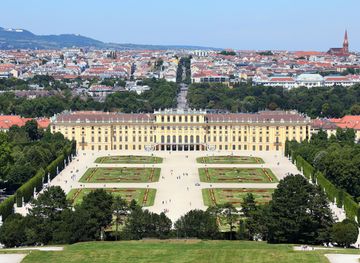
Looking beyond Tux Alps? Discover Austria for broader travel guides, local hot-spots, and regional highlights.
Explore AustriaTux Alps in Photos
Browse through our photo collection highlighting the charm and character of the destination.


Tux Alps: The Hidden Gem of Austria
Nestled in the heart of Tyrol, the Tux Alps offer visitors an unforgettable Alpine experience. With towering peaks, lush meadows, and pristine valleys, this destination is a haven for nature lovers and adventure seekers alike. Whether you're a seasoned hiker or a family looking for a scenic getaway, the Tux Alps have something for everyone. One of the major attractions in the Tux Alps is the Hintertux Glacier, which offers year-round skiing. Imagine carving through fresh snow even in the summer months! The glacier also boasts an ice palace, a magical world of sparkling ice formations that captivate visitors of all ages. For those who prefer warmer activities, the Tux Alps are crisscrossed with hiking and biking trails that offer panoramic views and the chance to spot local wildlife. The charming villages of Tux and Finkenberg serve as perfect bases for exploring the region. Here, you can immerse yourself in traditional Austrian culture, enjoy hearty local cuisine, and relax in cozy Alpine lodges. Don’t miss the opportunity to visit local farms where you can taste fresh dairy products and learn about traditional farming methods. The Tux Alps are not just a destination; they are an experience that will leave you refreshed and inspired.