

Free Zillertal Travel Guide & Mobile App
Explore Zillertal with free travel guides. Discover regional history, expert tips, proposed trips, and audio guides on web or mobile app.


Explore Zillertal in Austria for Alpine villages, ski areas, mountain trails, farm cuisine and the high landscapes of the Tyrolean Alps.
Read more about Zillertal
When is the best time to visit Zillertal?
Best: June–August · 21–23°C| Month | High (°C) | Rainfall (mm) |
|---|---|---|
| January | 2 | 50 |
| February | 3 | 45 |
| March | 8 | 55 |
| April | 12 | 65 |
| May | 17 | 85 |
| June (best) | 21 | 95 |
| July (best) | 23 | 100 |
| August (best) | 22 | 100 |
| September | 18 | 85 |
| October | 13 | 65 |
| November | 6 | 60 |
| December | 2 | 55 |
Getting to and around Zillertal
How to get there
Transportation
Top city travel guides in Zillertal
The cities of Zillertal, and the easiest places to base yourself.

Swipe for more cities
Destinations in Zillertal
Resorts, valleys and scenic spots worth a trip of their own.
-

-

-

-
-

-


Swipe for more destinations
Best attractions in Zillertal
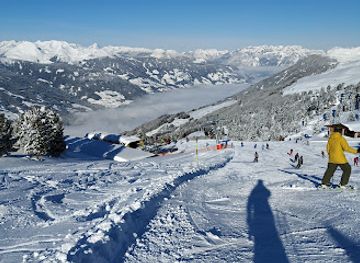
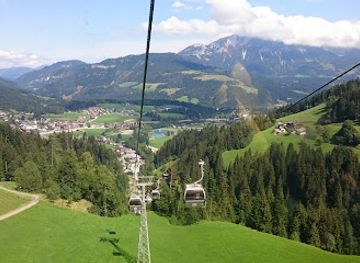
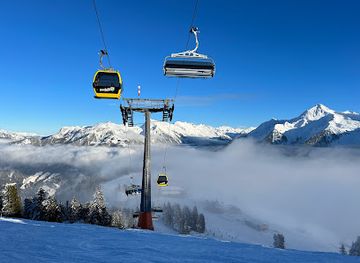
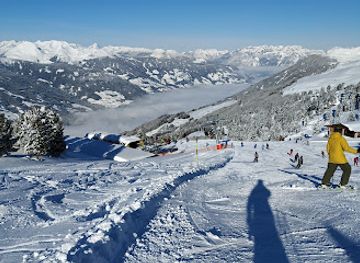
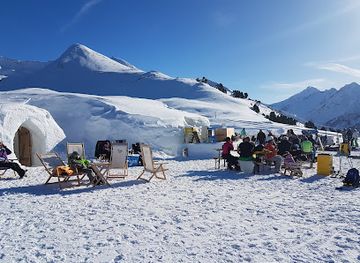
Zillertal’s attractions combine active mountain travel with village heritage and agricultural landscapes. In winter, the main ski areas around Fügen, Hochfügen, Kaltenbach, Zell am Ziller, Mayrhofen and the Tux side valley offer varied terrain, while cross-country skiing, tobogganing and winter walking provide alternatives to downhill sport. In summer, lift-assisted hiking, mountain biking, climbing and paragliding make the surrounding ranges accessible, although high routes demand proper preparation. The Zillertalbahn is both practical transport and a heritage experience as it follows the valley from Jenbach to Mayrhofen. Lower-valley visitors can explore village churches, farm museums and dairy traditions, while the Zillertal Dairy in Mayrhofen presents aspects of regional milk production. Fügen’s Erlebnistherme provides an indoor and outdoor bathing option suited to families and poor-weather days. The Tuxertal leads towards Hintertux and its glacier, a high-alpine environment requiring careful attention to conditions. Throughout the valley, alpine huts, pasture walks and seasonal farm activities reveal the continuing relationship between tourism and mountain agriculture.
-
Tourist attraction
Zillertal Arena
Experience the best of the Austrian Alps year-round in the Zillertal Arena: skiing, hiking, and stunning scenery await!
-
Tourist attraction
Hexenwasser Söll
Discover the magic of Hexenwasser Söll: A mountain adventure where nature, myth, and interactive experiences create unforgettable memories for all ages.
-
Tourist attraction
Penkenbahn - Mayrhofner Bergbahnen
Experience the thrill of the Alps! Ride the Penkenbahn for panoramic views, skiing, hiking, and year-round mountain adventures in Mayrhofen.
-
Swimming pool
Erlebnistherme Zillertal
Experience aquatic adventures and relaxing wellness at Erlebnistherme Zillertal, a year-round destination for family fun in the Zillertal Alps.
Best landmarks in Zillertal
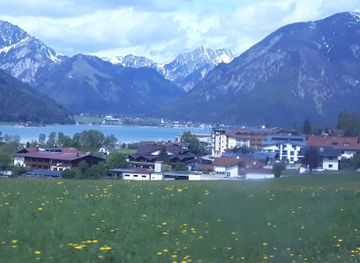
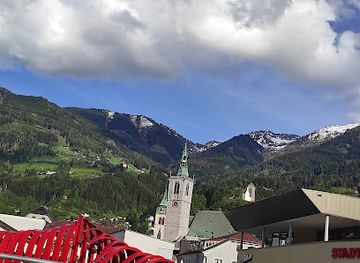
The Zillertalbahn is one of the valley’s most recognisable human-made landmarks, its narrow-gauge route tracing the settled valley floor and linking communities with the wider Tyrolean railway network. In Fügen, the parish church of St Pankratius is a prominent historic building, while Zell am Ziller’s church and village centre reflect the importance of ecclesiastical communities in the central valley. Mayrhofen’s parish church forms a familiar focus at the upper end of the main valley, framed by steep mountain slopes. The Strasser Häusl in Laimach, near Hippach, commemorates the travelling singers who helped introduce Alpine music to audiences beyond Tyrol. In the side valley around Finkenberg, the modern Granatkapelle on the Penken is a distinctive architectural landmark set high above the settlements. Natural landmarks dominate the wider view: the peaks and glacial terrain of the Zillertal Alps, the high basin of Tuxertal and the Hintertux Glacier give the upper region its defining silhouette. These places are best understood within a landscape still shaped by pasture, forestry and seasonal mountain use.
-
Historical landmark
Golden Roof
Innsbruck's dazzling Golden Roof: A symbol of imperial power and architectural beauty in the heart of the Old Town. A must-see!
-
Fortress
Kufstein Fortress
Explore Kufstein Fortress: A historic Tyrolean landmark with stunning views, museums, and the world's largest open-air organ.
-
Ski resort
Zillertal Arena
Experience the thrill of the slopes and the beauty of the Alps in the Zillertal Arena, a year-round destination for adventure and relaxation.
-
Castle
Schloss Ambras Innsbruck
Explore Schloss Ambras Innsbruck: A Renaissance castle with world-class art, historical collections, and stunning alpine views.

Explore Zillertal on the map
Plan your trip on one map. See where the top cities, national parks and sights are, and book hotels and experiences in a few clicks.
Best hotels in Zillertal
Best restaurants in Zillertal
Zillertal dining is rooted in Tyrolean mountain cooking, dairy farming and the produce of small valley communities. Menus commonly include dumplings such as Kaspressknödel, hearty soups, goulash, roast meats, potato dishes and sweet specialities including Kaiserschmarrn and apple strudel. Local mountain cheeses, butter, milk and yoghurt are particularly appropriate choices in a valley where alpine dairying remains visible. Village inns, mountain huts and family-run restaurants provide the most direct introduction to traditional food, while larger resort settlements such as Mayrhofen and Fügen also offer contemporary Austrian and international cooking. Farm shops and seasonal markets can be useful for bread, preserves, smoked products and regional dairy goods. Beer is an established part of the local food culture, and non-alcoholic drinks, coffee and herbal teas are widely available. Dining in high huts is usually simpler and more seasonal than in valley restaurants, with supplies and opening arrangements affected by weather and the time of year.
-
Restaurant
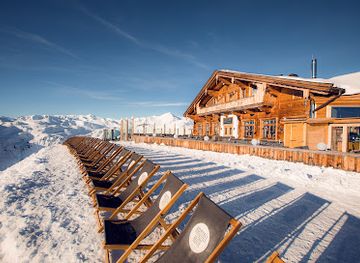
Kristallhütte Zillertal - Restaurant, Bar, Hotel
Experience exquisite dining and cozy lodging at Kristallhütte Zillertal, your perfect alpine retreat in Austria's breathtaking landscapes.
-
Grill
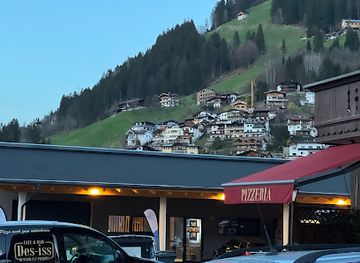
Des-iss
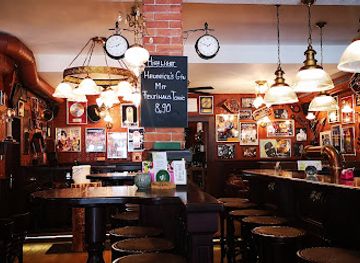
Experience authentic Austrian grilling at Des-iss in Zillertal - where tradition meets taste in a cozy atmosphere.
-
Restaurant
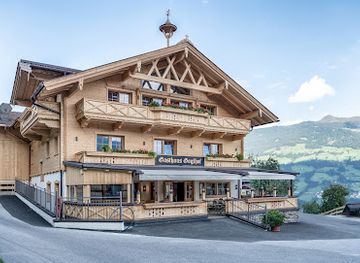
Gasthaus Goglhof
Experience authentic Austrian cuisine at Gasthaus Goglhof while enjoying family-friendly activities in beautiful Fügenberg.
-
Restaurant
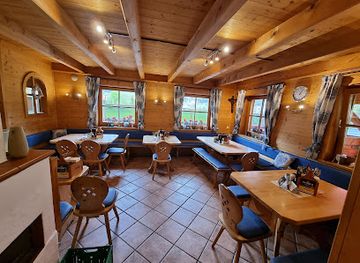
Peter's Grill - Peter Majoros
Experience authentic Austrian flavors at Peter's Grill in Maurach - where grilled perfection meets local charm.
Best bars in Zillertal
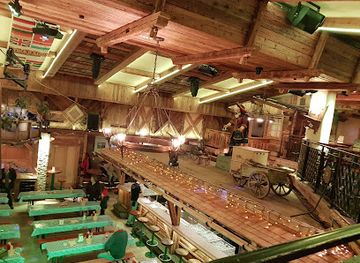
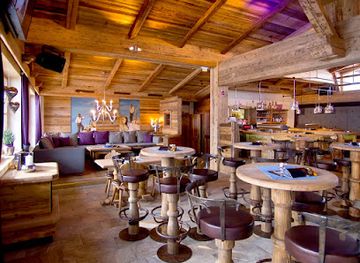
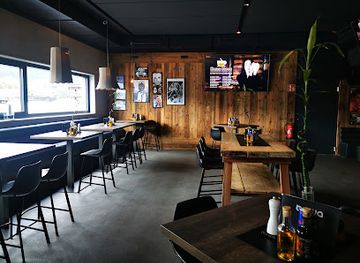
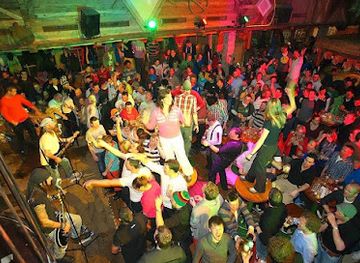
Evening life in Zillertal varies by settlement and season. Traditional pubs, hotel bars and mountain-sports venues form the social core in many villages, while Mayrhofen has the valley’s broadest concentration of après-ski bars, live-music settings and late-night venues. Fügen, Kaltenbach and Zell am Ziller also offer places to meet for a drink or meal, though their scale is smaller and quieter outside winter and holiday periods. In rural side valleys, evenings generally centre on inns, restaurants and accommodation bars rather than a large club scene. Après-ski is most active during the ski season and should not be assumed to continue with the same intensity in summer. Visitors can also find breweries, wine selections and non-alcoholic regional drinks without making nightlife dependent on alcohol. Check current arrangements locally, particularly in shoulder seasons when venues may operate reduced schedules.
-
Bar
Brück'n Stadl
Experience the vibrant nightlife at Brück'n Stadl in Mayrhofen, where food, drinks, and music blend for an unforgettable evening.
-
Bar
Postalm
Experience the vibrant nightlife and delightful cuisine at Postalm in Kaltenbach, the ultimate bar and restaurant destination in the Austrian Alps.
-
Bar
Bawa | Music, Sports & Entertainment
Experience the ultimate fun at Bawa in Fügen, where entertainment meets delicious dining in a vibrant atmosphere.
-
Grill
Des-iss
Discover Des-iss, a delightful grill restaurant in Zillertal Valley, where mouth-watering dishes meet breathtaking alpine views for an unforgettable dining experience.
Best nightclubs in Zillertal
Evening life in Zillertal varies by settlement and season. Traditional pubs, hotel bars and mountain-sports venues form the social core in many villages, while Mayrhofen has the valley’s broadest concentration of après-ski bars, live-music settings and late-night venues. Fügen, Kaltenbach and Zell am Ziller also offer places to meet for a drink or meal, though their scale is smaller and quieter outside winter and holiday periods. In rural side valleys, evenings generally centre on inns, restaurants and accommodation bars rather than a large club scene. Après-ski is most active during the ski season and should not be assumed to continue with the same intensity in summer. Visitors can also find breweries, wine selections and non-alcoholic regional drinks without making nightlife dependent on alcohol. Check current arrangements locally, particularly in shoulder seasons when venues may operate reduced schedules.
-
Night club
Brück'n Stadl
Brück'n Stadl in Mayrhofen: A lively nightclub, bar, and restaurant offering delicious cuisine and unforgettable nightlife experiences.
-
Bar
Bawa | Music, Sports & Entertainment
Discover the vibrant Bawa in Fügen, Austria: your go-to destination for sports, fun, and delicious dining experiences.
-
Bar
White Lounge
Experience the cozy ambience and stunning views at White Lounge, your perfect retreat in Mayrhofen, Austria.
-
Night club
Q-West Club
Discover Kufstein's vibrant nightlife at Q-West Club, where unforgettable music and a lively atmosphere await every weekend.

Best shops in Zillertal
Shopping in Zillertal is centred on village high streets, practical resort retailers, farm shops and small independent businesses rather than large urban centres. Mayrhofen has the widest selection of outdoor equipment, sports clothing, souvenirs, food shops and everyday services, while Fügen, Kaltenbach and Zell am Ziller offer more local-scale retail and holiday essentials. Visitors can look for mountain cheese, butter, bread, preserves, honey, herbal products and other farm-made foods, although availability depends on season and producer. Craft shops and galleries may stock woodwork, woollen goods, ceramics and Tyrolean-style decorations, but buyers should distinguish locally made items from generic Alpine souvenirs. Bakeries, butcheries and village markets are useful for provisions for walking or self-catering. Outdoor equipment is widely available in the main resort settlements, yet specialist items for serious trekking, climbing or glacier travel should be arranged before departure rather than assumed to be in stock locally.
-
Shopping mall
Stadtgalerien Schwaz
Explore the unique shopping experience at Stadtgalerien Schwaz, where fashion, food, and fun come together in the heart of Austria.
-
Recreation center
Atoll Achensee
Discover Atoll Achensee: A vibrant recreation center with swimming, fitness, dining, and stunning views, perfect for family fun and relaxation.
-
Grocery store
Zillertaler Heumilch Sennerei
Explore the rich flavors of Zillertal at Zillertaler Heumilch Sennerei, a unique grocery store offering artisanal dairy delights and local specialties.
-
Supermarket
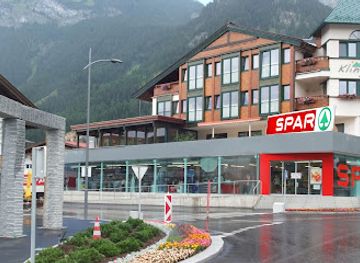
SPAR Buchauer Maurach
Explore SPAR Buchauer Maurach - your go-to supermarket for fresh groceries and local specialties, all at fair prices in the heart of Tyrol.
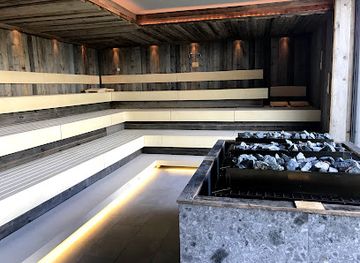
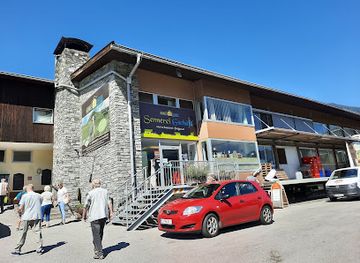
Get your free copy of our complete guide to Zillertal, delivered straight to you.
Everything on this page, from attractions and restaurants to essentials and local phrases, in one PDF you can read offline, print or share.
Already have an account? Sign in
Your Zillertal guide is ready.
We'll send it to · Not you? Sign out

Getting your guide ready…
We are putting together a fresh copy of the Zillertal guide. This can take up to a minute.
This can take a few moments. If your browser asks, choose Allow so the download can start. You'll find the guide in your Downloads folder.
Nothing happened? Download it again
Sorry, the guide is taking longer than usual. Please try again in a minute, or get it by email instead.
Zillertal essentials
Currency and Payment
Safety
Emergency Situations
Do's and Don'ts
Local Tips
From Eve
Local phrases worth knowing
You don't need to get them perfect. A few words go a long way, and locals appreciate the effort.
Basics
| English | Local | Say it |
|---|---|---|
| Hello | Grüß Gott | [Grees Gott] |
| Goodbye | Auf Wiedersehen | [Owf Veedahzehn] |
| Yes | Ja | [Yah] |
| No | Nein | [Nine] |
| Please/You're welcome | Bitte | [Bitta] |
| Thank you | Danke | [Dahnkeh] |
| Excuse me/Sorry | Entschuldigung | [Entshooldigung] |
| How are you? | Wie geht's? | [Vee geits?] |
| Fine. And you? | Gut. Und dir? | [Gooot. Oond deer?] |
| Do you speak English? | Sprechen Sie Englisch? | [Shprehken Zee English?] |
| I don't understand | Ich verstehe nicht | [Ikh fersteh' nikht] |
Eating & Drinking
| English | Local | Say it |
|---|---|---|
| I'd like to see the menu, please | Ich hätte gerne die Speisekarte, bitte | [Ikh hette gurneh dee Shpiezeekarte, bitta] |
| I don't eat meat | Ich esse kein Fleisch | [Ikh esse kighn Flesh] |
| Cheers! | Prost! | [Prohst!] |
| I would like to pay, please | Ich möchte bezahlen, bitte | [Ikh murkht behzallen, bitta] |
Emergencies
| English | Local | Say it |
|---|---|---|
| Help! | Hilfe! | [Hilfe!] |
| Go away! | Geh weg! | [Gay vek!] |
| Call the Police! | Rufen Sie die Polizei! | [Roofen Zee dee Polizei!] |
| Call a doctor! | Rufen Sie einen Arzt! | [Roofen Zee ain Arzt!] |
| I'm lost | Ich habe mich verlaufen | [Ikh habe mikh ferlaufen] |
| I'm ill | Ich bin krank | [Ikh bin krank] |
Shopping
| English | Local | Say it |
|---|---|---|
| I'd like to buy... | Ich möchte ... kaufen | [Ikh murkht ... kauffen] |
| I'm just looking | Ich schaue nur | [Ikh shau' nur] |
| How much is it? | Wie viel kostet das? | [Vee feel kostet das?] |
| That's too expensive | Das ist zu teuer | [Das ist tsu toyer] |
| Can you lower the price? | Könnten Sie den Preis senken? | [Kurnten Zee den Preis senken?] |
Time & Numbers
| English | Local | Say it |
|---|---|---|
| What time is it? | Wie spät ist es? | [Vee shpaet ist es?] |
| It's one o'clock | Es ist ein Uhr | [Es ist ayn Oor] |
| Half past (10) | Halb (10) | [Halb (10)] |
| Morning | Morgen | [Morgen] |
| Afternoon | Nachmittag | [Nachmitaag] |
| Evening | Abend | [Aabend] |
| Yesterday | Gestern | [Gestern] |
| Today | Heute | [Hoyte] |
| Tomorrow | Morgen | [Morgen] |
| 1 | Eins | [Ayns] |
| 2 | Zwei | [Tsvy] |
| 3 | Drei | [Dry] |
| 4 | Vier | [Feer] |
| 5 | Fünf | [Fünf] |
| 6 | Sechs | [Zex] |
| 7 | Sieben | [Zeebn] |
| 8 | Acht | [Acht] |
| 9 | Neun | [Noyn] |
| 10 | Zehn | [Tsen] |
Transport & Directions
| English | Local | Say it |
|---|---|---|
| Where's a/the...? | Wo ist ein/das ...? | [Vo ist ayn/das ...?] |
| What's the address? | Was ist die Adresse? | [Vas ist dee Adresse?] |
| Can you show me (on the map)? | Könnten Sie mir (auf der Karte) zeigen? | [Kurnten Zee meer (owf der Karte) tsaygen?] |
| When's the next (bus)? | Wann kommt der nächste (Bus)? | [Vann komt der naychste (Bus)?] |
| A ticket (to ....) | Ein Ticket (nach ....) | [Ayn Ticket (nahch ....)] |
History of Zillertal
Prehistoric Settlement and Roman Influence
Archaeological evidence shows that the wider Tyrolean valleys were used before the Roman period, although settlement was shaped strongly by terrain and seasonal movement. Under Rome, the region formed part of the province of Raetia, with the nearby Inn Valley providing important routes through the Alps. Roman administration and trade left a broader cultural and infrastructural legacy in Tyrol, even though Zillertal was not a major urban centre. Later settlement patterns developed around valley floors, sunny terraces and pastureland, establishing the agricultural geography that remains visible today.
Medieval Farming Communities and Church Foundations
During the medieval period, Zillertal developed as a chain of farming settlements linked to the ecclesiastical and secular authorities of Tyrol and Salzburg. Churches became important landmarks and centres of community life, while forests, meadows and alpine pastures were managed through local customary rights. The valley’s dispersed farms reflect adaptation to steep slopes and long winters. Historic parish churches in communities such as Fügen, Zell am Ziller and Mayrhofen preserve later architectural layers built upon this medieval settlement framework.
Mining, Trade and Alpine Resource Use
Like several Tyrolean valleys, Zillertal’s economy was influenced by the exploitation and exchange of Alpine resources. Mining occurred in parts of the surrounding mountains, while timber, livestock, dairy products and seasonal labour supported local trade. Transport remained difficult, so communities were relatively self-reliant and valley routes were significant for moving goods between the Inn Valley and highland settlements. The resulting traditions of forestry, pasture management, dairy farming and craft production continue to inform the region’s cultural landscape.
The Zillertal Protestants and Emigration of 1837
Zillertal has an important place in the religious history of Tyrol because Protestant belief survived among some local families despite the region’s Catholic political environment. In 1837, several hundred Zillertal Protestants who would not renounce their faith were compelled to leave the valley. Many settled in Prussian territories, particularly in East Prussia and Silesia. The episode is commemorated in local heritage interpretation and remains one of the valley’s most significant links with wider European religious migration.
Travelling Singers and the Making of a Cultural Reputation
In the nineteenth century, singers from villages including Fügen and neighbouring communities travelled through Europe and beyond, performing Alpine songs and helping popularise music later associated internationally with Tyrol. The Rainer family and other singing groups became prominent examples of this movement. Their tours contributed to an enduring image of Alpine culture abroad, while the valley’s own musical traditions continued in local performance and community life. Museums and historic houses help explain how seasonal mobility became a form of cultural exchange.
Railway Access and the Rise of Tourism
The opening of the Zillertalbahn in 1902 connected the valley with the main railway network at Jenbach and transformed access for residents, goods and visitors. Tourism expanded gradually through summer walking, mountaineering and accommodation in village inns, followed later by organised winter sports. Roads, cable cars and purpose-built visitor infrastructure accelerated this change after the Second World War. Modern Zillertal remains economically dependent on tourism, but farming, forestry and local manufacturing still contribute to the valley’s identity.
Zillertal in Photos
Browse through our photo collection highlighting the charm and character of the destination.
Neighbouring regions of Zillertal
The closest regions to Zillertal, if you have time for more than one.
-

-

-

-

-


Swipe for more regions
Explore more
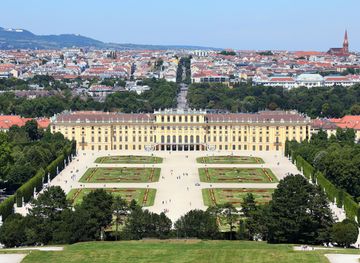
Explore more of Austria
Discover Austria's blend of alpine landscapes, rich cultural heritage, and culinary delights, from Vienna's historic charm to Tyrol's dramatic beauty.
Explore Austria