

Teufelsmauer Travel Guide
Free Guide: Discover the Teufelsmauer, a geological marvel in Austria's Wachau Valley, offering stunning views, hiking trails, and a glimpse into local legends and natural history.


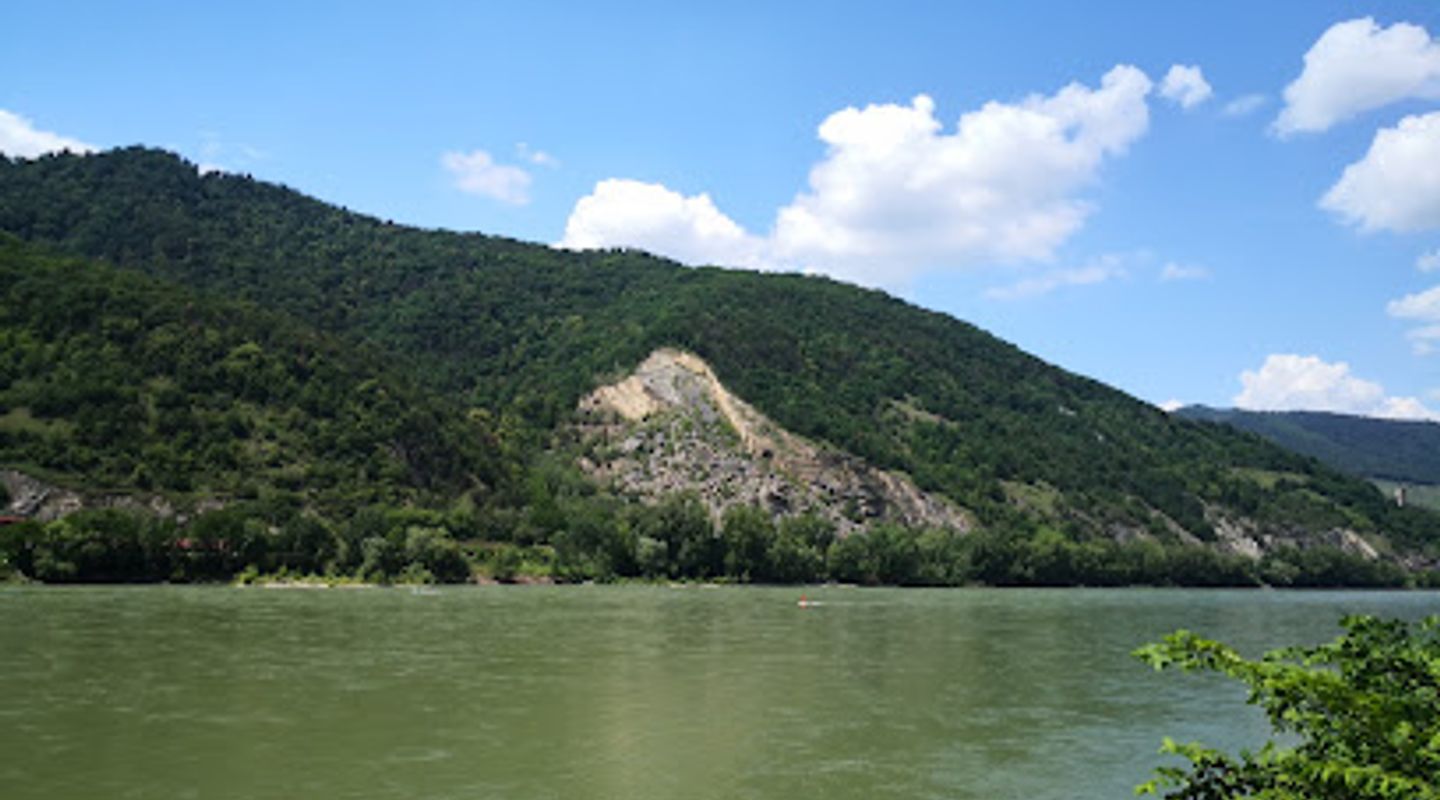
A brief summary of Teufelsmauer
Discover the Teufelsmauer, a geological marvel in Austria's Wachau Valley, offering stunning views, hiking trails, and a glimpse into local legends and natural history.
The Teufelsmauer, or Devil's Wall, is a fascinating rock formation located along the Donau Bundesstraße in the Wachau region of Austria. This natural landmark, formed from hard sandstones dating back to the Upper Cretaceous period, presents a dramatic ridge that captures the imagination. A popular spot for hikers and nature enthusiasts, the Teufelsmauer offers stunning views of the surrounding Danube Valley. Its unique geological composition and the legends it has inspired make it a compelling destination for those exploring the Wachau's blend of natural beauty and cultural heritage. The site is easily accessible and provides a memorable experience for visitors of all ages, showcasing the raw beauty of Austria's landscape. Whether you're drawn to its geological history or the folklore surrounding its name, the Teufelsmauer is a worthwhile stop.
Opening hours
- Every dayOpen 24 hours
Opening hours as listed on the venue’s Google Business Profile. Hours can change for services and special events, so check with the venue before you go.
- Address
- Donau Bundesstraße 19, 3620
- Website
Getting there
Public Transport
Driving
Taxi/Ride-Share
Discover more about Teufelsmauer
Overview
The Teufelsmauer, meaning Devil's Wall, is a distinctive rock formation situated in the picturesque Wachau region of Lower Austria. This geological curiosity, located along the Donau Bundesstraße 19 near Krems an der Donau, is a testament to the region's rich natural history and captivating landscapes. Formed from hard sandstones of the Upper Cretaceous period, the Teufelsmauer presents a striking ridge that has intrigued visitors and locals alike for centuries. The geological origins of the Teufelsmauer trace back millions of years. During the Upper Cretaceous, this area was submerged under a shallow sea. Over time, layers of sediment accumulated, including sand that eventually solidified into sandstone. The unique composition of these sandstones, with alternating layers of harder and softer materials, contributed to the formation's distinctive appearance. The process of quartzitation, where silicic acid permeated the sandstone, further hardened specific sections, enhancing their resistance to erosion. As the Alps rose, these sandstone formations were uplifted and exposed to the elements. The softer layers eroded more quickly, leaving behind the dramatic, jagged ridge we see today. This natural process has sculpted the Teufelsmauer into a series of crags and pinnacles, some reaching up to 20 meters in height. The name "Teufelsmauer" is steeped in local folklore and legend. One popular tale suggests that the Devil himself constructed the wall in a single night, aiming to divide the world. However, he was tricked by a rooster's crow, which signaled the dawn and the end of his allotted time. Enraged, the Devil supposedly knocked down a portion of the wall, leaving the fragmented formation we see today. Another version of the legend claims that the Devil built the wall to prevent miracles at a nearby church, but was thwarted by divine intervention. These stories add an element of mystique and intrigue to the site, enhancing its appeal for visitors. The Teufelsmauer is easily accessible and offers a variety of experiences for visitors. Hiking trails wind through the area, providing opportunities to explore the rock formations up close and enjoy panoramic views of the Danube Valley. The trails are generally well-maintained and suitable for a range of fitness levels, making it an ideal destination for families and casual hikers. Several vantage points along the trails offer stunning perspectives of the surrounding landscape, including the Danube River, vineyards, and charming villages that dot the valley. The surrounding Wachau region is renowned for its viticulture, and the Teufelsmauer is no exception. Vineyards cling to the slopes near the rock formations, creating a picturesque blend of natural and cultivated landscapes. The region's unique climate and soil conditions contribute to the production of high-quality wines, particularly Grüner Veltliner and Riesling. Many local wineries offer tastings and tours, providing visitors with the opportunity to sample the region's renowned wines while enjoying the scenic beauty of the Teufelsmauer. Beyond its natural and geological significance, the Teufelsmauer is also part of the broader Wachau Cultural Landscape, a UNESCO World Heritage site. This designation recognizes the region's harmonious blend of natural beauty, cultural heritage, and sustainable development. The Wachau Valley has been shaped by human activity for centuries, with vineyards, orchards, and settlements carefully integrated into the landscape. The Teufelsmauer stands as a prominent natural feature within this cultural landscape, contributing to its overall appeal and significance. Visiting the Teufelsmauer offers a chance to connect with nature, explore local legends, and appreciate the unique geological history of the Wachau region. Whether you're an avid hiker, a wine enthusiast, or simply seeking a scenic escape, the Teufelsmauer provides a memorable experience. The site is open year-round, with each season offering its own distinct charm. Spring brings blossoming apricot trees and vibrant greenery, summer offers warm weather for hiking and outdoor activities, autumn showcases the stunning colors of the vineyards, and winter provides a serene, snow-dusted landscape. To fully appreciate the Teufelsmauer, consider combining your visit with other attractions in the Wachau region. The nearby town of Krems an der Donau offers a rich history, charming streets, and a variety of cultural attractions. Melk Abbey, a magnificent Baroque monastery, is another must-see destination in the region. A boat trip along the Danube provides a unique perspective of the Wachau Valley, allowing you to admire the vineyards, castles, and villages from the water. The Teufelsmauer is more than just a rock formation; it's a symbol of the Wachau's natural beauty, cultural heritage, and enduring appeal. Its dramatic landscape, intriguing legends, and accessible location make it a worthwhile destination for any traveler exploring this enchanting region of Austria. Whether you're drawn to its geological history, the folklore surrounding its name, or the stunning views it offers, the Teufelsmauer is sure to leave a lasting impression.
Evendo Review Centre
 Google
Guest reviews
Explore Teufelsmauer on the map
A handpicked selection of must-see spots near Teufelsmauer, mapped for you.
Get your free copy of our complete guide to Teufelsmauer, delivered straight to you.
Everything on this page, from opening hours and how to get there to Eve’s tips and the best time to go, in one PDF you can read offline, print or share.
Already have an account? Sign in
Your Teufelsmauer guide is ready.
We'll send it to · Not you? Sign out

Getting your guide ready…
We are putting together a fresh copy of the Teufelsmauer guide. This can take up to a minute.
This can take a few moments. If your browser asks, choose Allow so the download can start. You'll find the guide in your Downloads folder.
Nothing happened? Download it again
Sorry, the guide is taking longer than usual. Please try again in a minute, or get it by email instead.
Other nearby places you may find interesting
The closest places of the same kind, if this one is not quite what you had in mind.
-
-
-
-
-


Swipe for more places
More to explore near Teufelsmauer

 Best experiences near Teufelsmauer
 Best hotels near Teufelsmauer
 Best landmarks near Teufelsmauer
 Best attractions near Teufelsmauer
 Best shops near Teufelsmauer
 Best restaurants near Teufelsmauer
 Best bars near Teufelsmauer
Do you manage this location?
Take control to get all the benefits, like improved information, better appearance, and stronger visibility across AI-powered discovery.
Explore more

Explore more of Wachau Valley
Discover the Wachau Valley: A UNESCO World Heritage site with terraced vineyards, historic towns, and breathtaking Danube River views in Austria.
Explore Wachau Valley
Explore more of Austria
Discover Austria's blend of alpine landscapes, rich cultural heritage, and culinary delights, from Vienna's historic charm to Tyrol's dramatic beauty.
Explore Austria
