

Free Guba-Khachmaz Region Travel Guide & Mobile App
Explore Guba-Khachmaz Region with free travel guides. Discover regional history, expert tips, proposed trips, and audio guides on web or mobile app.


Explore Guba-Khachmaz for Caucasus villages, Jewish heritage, forests, Caspian resorts, ancient fortifications and mountain landscapes in northern Azerbaijan.
Read more about Guba-Khachmaz Region
Getting to and around Guba-Khachmaz Region
How to get there
Transportation
Top city travel guides in Guba-Khachmaz Region
The cities of Guba-Khachmaz Region, and the easiest places to base yourself.
-

-

-

-


Swipe for more cities
Destinations in Guba-Khachmaz Region
Resorts, valleys and scenic spots worth a trip of their own.

Swipe for more destinations
Best attractions in Guba-Khachmaz Region
Guba-Khachmaz offers a varied attraction landscape rather than a single concentrated sightseeing circuit. Guba combines a historic urban setting with carpet traditions, orchards and access to the Qudyalchay valley, while nearby Red Town offers an important encounter with the heritage of Azerbaijan's Mountain Jewish communities. In the surrounding countryside, Qechresh's wooded recreation areas and Afurja Waterfall provide accessible nature excursions. The highland experience is more demanding: Khinalig is a remote mountain settlement with distinctive stone architecture and cultural traditions, and the Shahdag area near Gusar supports hiking, winter sports and other outdoor activities. Along the Caspian side, Khachmaz district includes Nabran's seasonal forest-and-coast resorts and the protected landscapes of Yalama National Park. Shabran contributes archaeological and military history through ancient Shabran, Chirag-gala and the Gilgilchay fortification system, while Siyazan is a gateway to Besh Barmag Mountain. The result is a region where cultural heritage, forest recreation, mountain travel and seaside leisure are spread across different landscapes.
-
Ski resort
Shahdag Mountain Resort
Experience alpine adventures and stunning scenery at Azerbaijan's premier mountain resort, Shahdag, open year-round for skiing, hiking, and relaxation.
-
Tourist attraction
Afurdzhi Falls
Discover the majestic Afurdzhi Falls in Quba, Azerbaijan: a stunning natural wonder offering breathtaking views, tranquil hikes, and a rich cultural experience.
-
Tourist attraction
Nizami Park
Discover Nizami Park in Quba: A cultural oasis honoring Azerbaijan's rich heritage, offering tranquility and historical insights for every traveler.
-
Entertainment agency
Shahdag Coaster
Experience the thrill of Shahdag Coaster, the first alpine coaster in the South Caucasus, offering year-round adventure in a stunning mountain setting.


Best landmarks in Guba-Khachmaz Region
Besh Barmag Mountain is one of the region's most recognisable natural landmarks, rising as an isolated rocky mass beside the main route between Baku and the northern Caucasus and carrying long-standing cultural significance. In the Shabran district, Chirag-gala occupies a dramatic mountain position above the historic Caspian corridor, while remnants of the Gilgilchay defensive line reveal the scale of ancient attempts to control passage along the plain. Ancient Shabran represents the region's earlier urban history, although much of the site survives archaeologically rather than as a complete historic town. Guba's Sakina Khanum Mosque is an important nineteenth-century religious and architectural marker in the town, built in memory of Fatali Khan's wife. Red Town's synagogues and distinctive settlement form embody the continuing presence of Mountain Jewish culture beside the Qudyalchay. In the highlands, Khinalig's compact stone houses and steep mountain setting are as significant visually as they are culturally, while the Caspian forests and shoreline around Yalama provide a contrasting natural landmark landscape.
-
Historical landmark
Chirag Gala
Explore the ancient ruins of Chirag Gala, a 5th-century fortress offering panoramic views of Azerbaijan's Caspian coast and a glimpse into its defensive past.

Explore Guba-Khachmaz Region on the map
Plan your trip on one map. See where the top cities, national parks and sights are, and book hotels and experiences in a few clicks.
Best hotels in Guba-Khachmaz Region
Best restaurants in Guba-Khachmaz Region
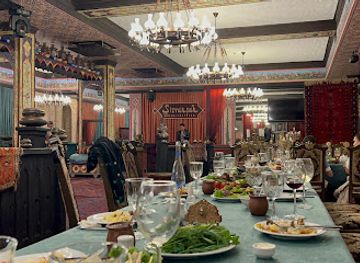
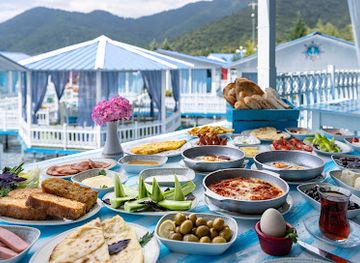
Dining in Guba-Khachmaz reflects northern Azerbaijan's mixture of Azerbaijani, mountain and Caspian influences. Guba is associated with apples, honey, local dairy products and the sweet pastry known as Guba pakhlava, while village homes and regional cafés commonly serve qutab, dolma, plov, kebabs and soups. In Gusar and the mountain districts, visitors may encounter Lezgin-influenced dishes and hearty breads, pastries and meat-based cooking, although recipes vary from household to household. The Caspian districts add fish and simple seasonal produce to the broader Azerbaijani repertoire. Roadside tea houses, family-run cafés, market stalls and rural guesthouses are often the most natural settings for tasting local food. Larger towns provide more varied restaurants, while mountain settlements may offer meals by prior arrangement. Seasonal fruit, especially apples from the Guba area, together with dried produce, preserves and honey, are widely useful introductions to the region's agricultural identity.
-
Restaurant
Shirvanshah Museum Restaurant
Experience exquisite Azerbaijani cuisine in an elegant setting at Shirvanshah Museum Restaurant in Baku.
-
Restaurant
Fontan Restoran Qebele
Discover the best culinary experiences at Fontan Restoran Qebele - where traditional flavors meet modern dining in Azerbaijan.
-
Restaurant
Caspian Balıq Evi
Discover authentic Azerbaijani seafood at Caspian Balıq Evi in Gabala – where flavor meets stunning riverside views.
-
Restaurant
Qabala Xanlar resort
Discover exceptional dining at Qabala Xanlar Resort in Azerbaijan - where local flavors meet breathtaking landscapes.

Best bars in Guba-Khachmaz Region
Evening life in Guba-Khachmaz is generally relaxed and town-based rather than centred on a large club scene. Guba, Gusar and Khachmaz have cafés, tea houses, hotel restaurants and casual venues where residents meet after work, while traditional Azerbaijani restaurants may remain active into the evening. In Nabran, summer brings a more recreational atmosphere, with resort restaurants, music and seasonal entertainment close to the Caspian shore; the character is considerably quieter outside the main holiday period. Mountain destinations around Shahdag focus on resort dining, informal après-ski gatherings and early evenings rather than nightlife in the urban sense. Alcohol is available in many licensed establishments, but tea, conversation and food are equally central to socialising. Visitors should not expect extensive late-night transport in rural districts and should arrange a safe return to their accommodation.
-
Restaurant
Asgard
Discover the flavors of Azerbaijan at Asgard, a charming restaurant in Qəbələ offering delicious dishes and a welcoming atmosphere.
-
Bar
360 Bar, Hilton Baku
Discover the stunning views and luxurious ambiance of the 360 Bar at Hilton Baku, a top destination for cocktails and nightlife.
-
Bar
Barfly Social Hub
Experience Baku's vibrant nightlife at Barfly Social Hub, where creative cocktails and a lively atmosphere await every visitor.
-
 Wine bar
KEFLI Local Wine & Snacks
Discover the essence of Azerbaijani wines and snacks at KEFLI Local Wine & Snacks - a hidden gem in Baku's vibrant culinary scene.


Best nightclubs in Guba-Khachmaz Region
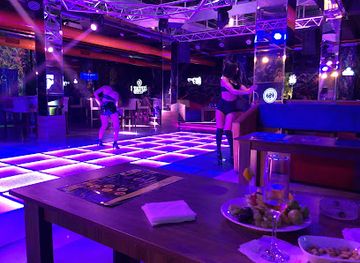
Evening life in Guba-Khachmaz is generally relaxed and town-based rather than centred on a large club scene. Guba, Gusar and Khachmaz have cafés, tea houses, hotel restaurants and casual venues where residents meet after work, while traditional Azerbaijani restaurants may remain active into the evening. In Nabran, summer brings a more recreational atmosphere, with resort restaurants, music and seasonal entertainment close to the Caspian shore; the character is considerably quieter outside the main holiday period. Mountain destinations around Shahdag focus on resort dining, informal après-ski gatherings and early evenings rather than nightlife in the urban sense. Alcohol is available in many licensed establishments, but tea, conversation and food are equally central to socialising. Visitors should not expect extensive late-night transport in rural districts and should arrange a safe return to their accommodation.
-
Night club
Nightoffice
Experience Baku's exhilarating nightlife at Nightoffice, where vibrant music, dancing, and unforgettable moments await.
-
Club
MOJO club
Experience the vibrant nightlife of Baku at MOJO Club, where electrifying music and unforgettable moments come alive.
-
Night club
Status Club Baku
Unleash your night at Status Club Baku, where the energy is high and the music never stops, making it a must-visit for nightlife enthusiasts.
-
Night club
hiss club
Experience the vibrant nightlife of Baku at Hiss Club, where music and style unite for unforgettable nights.


Best shops in Guba-Khachmaz Region
Shopping in Guba-Khachmaz is strongest in market towns and around local producers rather than in large retail complexes. Guba is known for carpets and woven textiles, although buyers should ask about provenance, materials, dimensions and shipping arrangements before making a substantial purchase. Town markets offer apples, honey, dried fruit, preserves, nuts and other agricultural products from the surrounding orchards and foothills. Small shops and craft outlets may also sell embroidered goods, ceramics and souvenirs reflecting northern Azerbaijani motifs. Red Town can be a meaningful place to learn about Mountain Jewish heritage, but it is primarily a residential community rather than a dedicated shopping quarter. Khachmaz and Gusar provide everyday markets and practical shops, while Nabran's seasonal resorts have a modest range of holiday goods during the summer. For gifts, locally produced honey, fruit products, tea, textiles and carefully labelled regional foods are generally more appropriate than mass-produced items.
-
Shopping mall
Ganjlik Mall
Explore Ganjlik Mall in Baku for an unforgettable shopping experience with top brands, dining options, and entertainment in a stunning setting.
-
Shopping mall
Park Bulvar Mall
Explore the vibrant Park Bulvar Mall in Baku – a shopping paradise with diverse dining and entertainment options for every visitor.
-
Shopping mall
28 Mall
Discover the shopping paradise of Baku at 28 Mall, featuring local and international shops, diverse dining options, and family-friendly entertainment.
-
Jewelry store
Xtravaganza DM
Discover exquisite jewelry at Xtravaganza DM, a luxurious shopping destination in Baku's vibrant shopping scene.


Get your free copy of our complete guide to Guba-Khachmaz Region, delivered straight to you.
Everything on this page, from attractions and restaurants to essentials and local phrases, in one PDF you can read offline, print or share.
Already have an account? Sign in
Your Guba-Khachmaz Region guide is ready.
We'll send it to · Not you? Sign out

Getting your guide ready…
We are putting together a fresh copy of the Guba-Khachmaz Region guide. This can take up to a minute.
This can take a few moments. If your browser asks, choose Allow so the download can start. You'll find the guide in your Downloads folder.
Nothing happened? Download it again
Sorry, the guide is taking longer than usual. Please try again in a minute, or get it by email instead.
Guba-Khachmaz Region essentials
Currency and Payment
Safety
Emergency Situations
Do's and Don'ts
Local Tips
From Eve
Local phrases worth knowing
You don't need to get them perfect. A few words go a long way, and locals appreciate the effort.
Basics
| English | Local | Say it |
|---|---|---|
| Hello | Salam | [sah-lahm] |
| Goodbye | Sağ ol | [sah-ol] |
| Yes | Bəli | [beh-lee] |
| No | Xeyr | [khayr] |
| Please/You're welcome | Zəhmət olmasa/Təşəkkür edirəm | [zeh-met ol-mah-sah/tash-eck-kur eh-di-rem] |
| Thank you | Təşəkkür edirəm | [tash-eck-kur eh-di-rem] |
| Excuse me/Sorry | Bağışlayın | [bah-uhsh-lah-yin] |
| How are you? | Necəsiz? | [neh-jeh-siz] |
| Fine. And you? | Yaxşı. Siz necə? | [yahk-shee. siz neh-jay?] |
| Do you speak English? | İngiliscə danışırsınız? | [een-ghee-leez-jeh dah-nee-shir-sin-iz] |
| I don't understand | Mən anlamıram | [men ahn-lah-muh-ram] |
Eating & Drinking
| English | Local | Say it |
|---|---|---|
| I'd like to see the menu, please | Zəhmət olmasa, menyunu görmək istərdim | [zeh-met ol-mah-sah, men-yoo-noo gohr-mak is-ter-dim] |
| I don't eat meat | Mən ət yemirəm | [men aht yeh-meer-em] |
| Cheers! | Şərəf! | [sheh-rehf] |
| I would like to pay, please | Zəhmət olmasa, ödəmək istərdim | [zeh-met ol-mah-sah, oh-deh-mek is-ter-dim] |
Emergencies
| English | Local | Say it |
|---|---|---|
| Help! | Kömək edin! | [keh-mehk eh-deen] |
| Go away! | Get! Git! | [get! git!] |
| Call the Police! | Polisi çağırın! | [poh-lee-see chah-guh-ryn] |
| Call a doctor! | Həkimi çağırın! | [heh-kee-mee chah-guh-ryn] |
| I'm lost | Mən itmişəm | [men eet-meh-shem] |
| I'm ill | Mən xəstəyəm | [men khes-teh-yem] |
Shopping
| English | Local | Say it |
|---|---|---|
| I'd like to buy... | Mən ... almaq istəyirəm | [men ... ahl-mahk is-teh-yeh-rem] |
| I'm just looking | Mən sadəcə baxıram | [men sah-deh-jeh bah-khuh-ram] |
| How much is it? | Bu nə qədərdir? | [boo neh keh-dehr-deer] |
| That's too expensive | Bu çox bahadır | [boo chohk bah-hah-dir] |
| Can you lower the price? | Qiyməti azalda bilərsiniz? | [kee-mah-tee ah-zahl-dah beel-eh-r-seen-iz] |
Time & Numbers
| English | Local | Say it |
|---|---|---|
| What time is it? | Saat neçədədir? | [sah-aht neh-cheh-dah-dir] |
| It's one o'clock | Saat birdir | [sah-aht beer-deer] |
| Half past (10) | On beş yarımdır | [on behsh yah-rim-dir] |
| Morning | Səhər | [seh-her] |
| Afternoon | Gündüz | [goon-dooz] |
| Evening | Axşam | [akh-shahm] |
| Yesterday | Dünən | [doo-nen] |
| Today | Bu gün | [boo goon] |
| Tomorrow | Sabah | [sah-bah] |
| 1 | 1 | [bir] |
| 2 | 2 | [iki] |
| 3 | 3 | [üç] |
| 4 | 4 | [dörd] |
| 5 | 5 | [beş] |
| 6 | 6 | [altı] |
| 7 | 7 | [yeddi] |
| 8 | 8 | [səkkiz] |
| 9 | 9 | [doqquz] |
| 10 | 10 | [on] |
Transport & Directions
| English | Local | Say it |
|---|---|---|
| Where's a/the...? | Haradadır ...? | [hah-rah-dah-dir ...?] |
| What's the address? | Ünvan nədir? | [oon-vahn neh-dir] |
| Can you show me (on the map)? | Mənə (xəritədə) göstərə bilərsiniz? | [meh-neh (khay-ree-tay-deh) gohs-teh-reh beel-eh-r-seen-iz] |
| When's the next (bus)? | Növbəti (avtobus) nə vaxtdır? | [nohv-beh-tee (ahv-toh-boos) neh vahk-dır] |
| A ticket (to ....) | Bir bilet (....) | [beer bee-let (....)] |
History of Guba-Khachmaz Region
Ancient Caucasian Albania and Caspian Routes
The north-eastern Caucasus formed part of the wider world of Caucasian Albania, an ancient kingdom whose territory extended across areas of present-day Azerbaijan. Settlements and defensive positions developed along routes linking the Caspian shore, the mountain passes and the northern plains. The ancient site of Shabran, in the modern Shabran district, later became one of the region's important urban centres. Archaeological remains across the area reflect successive periods of local, Persian, Arab and Caucasian influence rather than a single uninterrupted political tradition.
Shabran and the Gilgilchay Defence Line
Shabran grew in importance because it stood near routes running along the Caspian corridor towards Derbent and the northern Caucasus. The region's rulers built or maintained fortified positions to control movement through this strategic landscape. Chirag-gala, a dramatic fortress in the Shabran district, is associated with this defensive system, as is the longer Gilgilchay line of walls and fortifications. Although much survives only as ruins, these structures demonstrate how geography made the narrow passage between mountains and sea politically and militarily significant.
The Quba Khanate, Eighteenth Century
The Quba area became the centre of the influential Quba Khanate during the eighteenth century. Under Fatali Khan, the khanate expanded its influence across parts of northern Azerbaijan and became a significant regional power competing with neighbouring khanates and larger imperial interests. Quba's position beside the Qudyalchay and close to the Caspian routes helped support its political role. Mosques, urban traditions and the surviving layout of historic communities provide reminders of this period, even though later imperial rule transformed the region's administration.
Mountain Jewish Communities and Red Town
Mountain Jewish communities have lived in northern Azerbaijan for centuries, developing a distinctive cultural tradition connected with the wider Jewish communities of the eastern Caucasus. Red Town, beside Quba, became their principal settlement in the region and remains notable for its synagogues, community institutions and red-roofed houses. Its history reflects both local life and wider movements of trade, migration and religious continuity. Visitors should approach the settlement as a functioning community whose heritage is still lived rather than preserved solely as a museum display.
Russian Imperial Rule and New Administration
After the Russo-Persian wars of the early nineteenth century, northern Azerbaijan, including the Quba and coastal districts, was incorporated into the Russian Empire. Administrative reforms, military roads and new connections to ports and markets altered the region's political and economic life. Russian rule also brought the area into wider imperial systems of taxation, trade and settlement. The period did not erase older Azerbaijani, Jewish, Lezgin and other local identities, but it created the administrative framework from which many later towns and districts developed.
Agriculture, Trade and the Soviet Period
During the Soviet period, collective agriculture, road building and state planning reshaped the lowlands and foothills. Fruit growing became particularly associated with Guba, while coastal districts developed forestry, agriculture and seasonal recreation. Education and public services expanded, and local settlements were integrated into wider transport and industrial networks. Soviet policies also changed patterns of land ownership and production. The orchards, roads, settlement forms and agricultural landscapes visible today often reflect a mixture of older practices and twentieth-century reorganisation.
Independent Azerbaijan and Regional Tourism
Since Azerbaijan regained independence in 1991, Guba-Khachmaz has acquired a larger role in domestic and international tourism. Investment in roads, mountain resorts and visitor accommodation has improved access to the Caucasus and Caspian coast, while heritage initiatives have drawn attention to Guba, Red Town, ancient Shabran and the region's fortifications. Tourism has developed unevenly: mountain destinations and Nabran are more seasonal, whereas Guba functions as a year-round base for cultural and rural excursions. The region remains shaped by agriculture, borderland geography and its many local communities.
Guba-Khachmaz Region in Photos
Browse through our photo collection highlighting the charm and character of the destination.
Neighbouring regions of Guba-Khachmaz Region
The closest regions to Guba-Khachmaz Region, if you have time for more than one.
-

-

-

-
-


Swipe for more regions
Explore more
Explore more of Azerbaijan
Discover Azerbaijan: A captivating blend of ancient heritage, stunning natural landscapes, and vibrant modernity at the crossroads of Europe and Asia.
Explore Azerbaijan