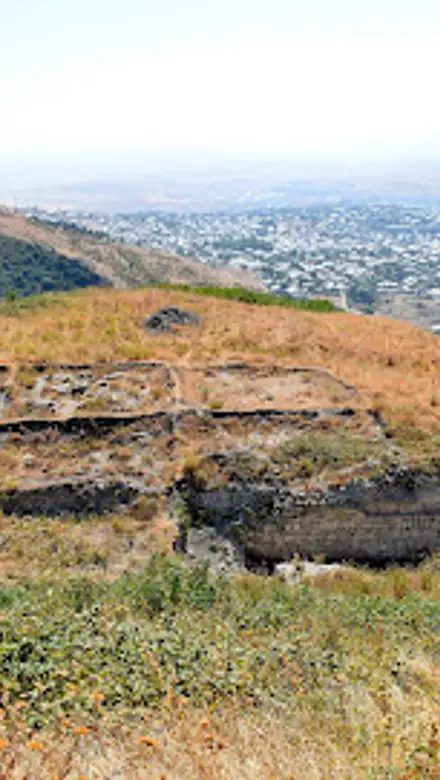
Gulustan Tower, Shamakhi Travel Guide
Free Guide: Explore the ruins of Gulustan Tower in Shamakhi, a medieval fortress offering panoramic views and a glimpse into Azerbaijan's rich history.


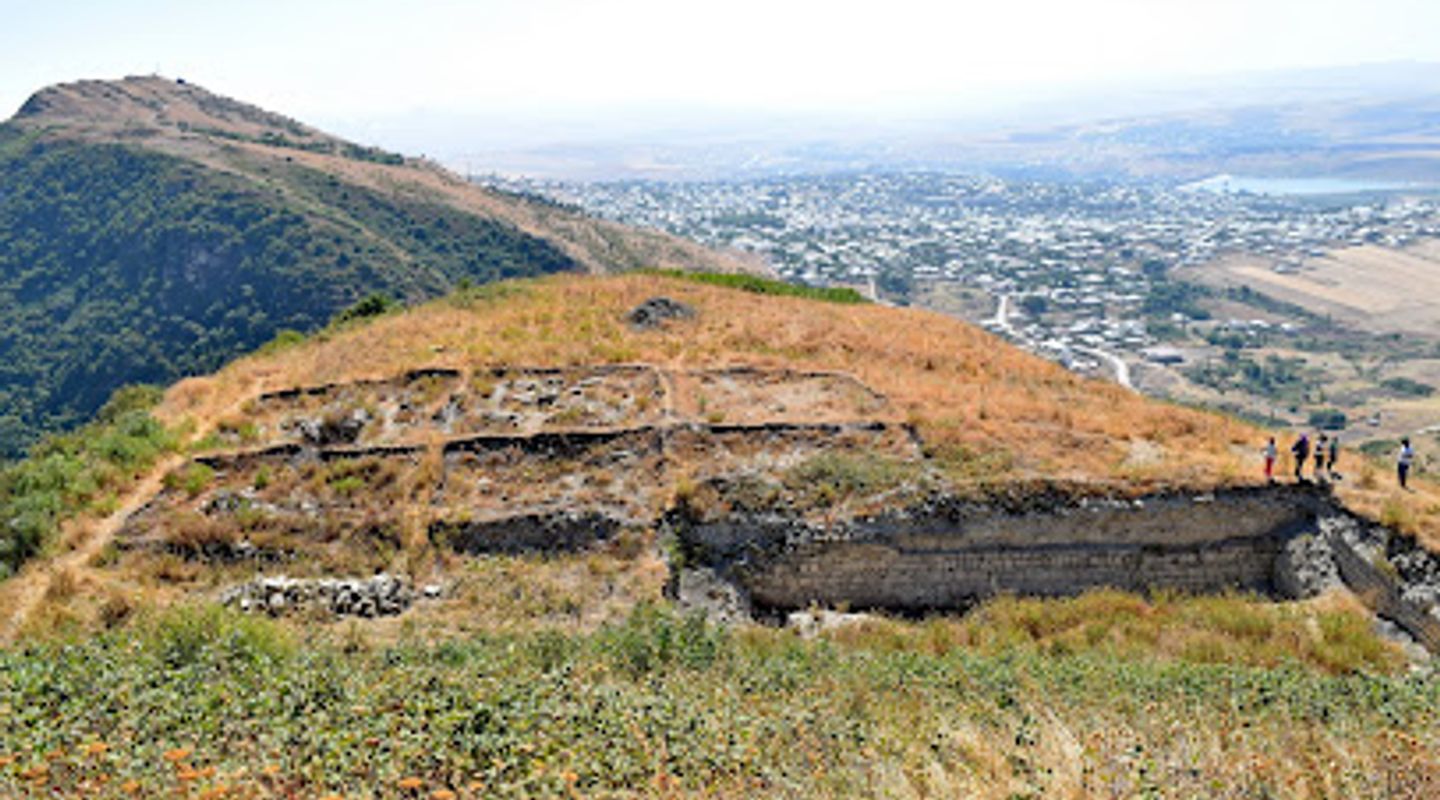
A brief summary of Gulustan Tower
Explore the ruins of Gulustan Tower in Shamakhi, a medieval fortress offering panoramic views and a glimpse into Azerbaijan's rich history.
Gulustan Tower, a medieval castle dating back to the 9th-12th centuries, stands as a silent witness to centuries of history in Shamakhi, Azerbaijan. Perched on a steep, rocky mountain, it served as a vital stronghold and military fortification for the Shirvanshahs, offering commanding views of the surrounding landscape. Today, only ruins remain of this once-mighty fortress, but the remnants of its towers and walls still evoke a sense of awe and offer a glimpse into Azerbaijan's rich history.
- Address
- MJ58+VJQ, Shamakhi 5600
Getting there
Walking
Taxi
Discover more about Gulustan Tower
Overview
Gulustan Tower, also known as Gulustan Fortress, is a significant historical monument located in the Shamakhi District of Azerbaijan. Rising dramatically from a steep, rocky mountain approximately 200 meters high, the fortress offers a commanding view of the surrounding landscape and stands as a powerful reminder of the region's storied past. The name “Gulustan,” meaning “flower garden,” reflects the scenic beauty of the area surrounding the fortress.The fortress dates back to the 9th-12th centuries, with archaeological findings suggesting initial construction in the 9th century. It underwent significant reconstruction and strengthening in the 12th and early 13th centuries, becoming a vital strategic point and residence for the Shirvanshahs, who ruled the area for centuries. The fortress walls, constructed in the Shirvan-Absheron architectural style, were made of ashlar stone, bound together with a mixture of lime and ash. These formidable walls, reinforced by numerous round and quadrangular towers, enclosed the territory, providing a secure refuge for the city's inhabitants during times of invasion.Throughout its history, Gulustan Tower served as a crucial defensive structure, protecting Shamakhi and its inhabitants from numerous invasions. Its fortifications withstood attacks from various forces, including the Seljuks, Mongols, Georgians, and Ottomans. The fortress was enclosed by formidable walls, reinforced with round and quadrangular towers, and a winding road connected the lower sections to the citadel at the mountain's peak. The fortress also featured a secret underground passage, approximately 1 kilometer long, which provided a means of escape during prolonged sieges.Despite its strength and strategic importance, Gulustan Tower eventually succumbed to the ravages of time and conflict. In the early 16th century, Shah Ismail of the Safavid dynasty captured and destroyed the fortress, marking the end of the Shirvanshahs’ rule. Although the fortress was briefly restored by the Ottomans during the Safavid-Ottoman wars, it ultimately fell into disrepair due to earthquakes and continued conflict. Today, only ruins remain of the once-mighty Gulustan Tower. However, these remnants still evoke a sense of awe and wonder, offering visitors a glimpse into the region's rich history and architectural heritage.
Evendo Review Centre
 Google
Guest reviews
Explore Gulustan Tower on the map
A handpicked selection of must-see spots near Gulustan Tower, mapped for you.
Get your free copy of our complete guide to Gulustan Tower, delivered straight to you.
Everything on this page, from opening hours and how to get there to Eve’s tips and the best time to go, in one PDF you can read offline, print or share.
Already have an account? Sign in
Your Gulustan Tower guide is ready.
We'll send it to · Not you? Sign out

Getting your guide ready…
We are putting together a fresh copy of the Gulustan Tower guide. This can take up to a minute.
This can take a few moments. If your browser asks, choose Allow so the download can start. You'll find the guide in your Downloads folder.
Nothing happened? Download it again
Sorry, the guide is taking longer than usual. Please try again in a minute, or get it by email instead.
Other nearby places you may find interesting
The closest places of the same kind, if this one is not quite what you had in mind.
-
-
-
-
-


Swipe for more places
More to explore near Gulustan Tower

 Best experiences near Gulustan Tower
 Best hotels near Gulustan Tower
 Best landmarks near Gulustan Tower
 Best attractions near Gulustan Tower
 Best shops near Gulustan Tower
 Best restaurants near Gulustan Tower
 Best bars near Gulustan Tower
Do you manage this location?
Take control to get all the benefits, like improved information, better appearance, and stronger visibility across AI-powered discovery.
Explore more
Explore more of Shamakhi
Discover Shamakhi, Azerbaijan's historical gem, where ancient ruins meet lush landscapes and vibrant culture. A perfect blend of history, nature, and tradition.
Explore Shamakhi
Explore more of Azerbaijan
Discover Azerbaijan: A captivating blend of ancient heritage, stunning natural landscapes, and vibrant modernity at the crossroads of Europe and Asia.
Explore Azerbaijan