
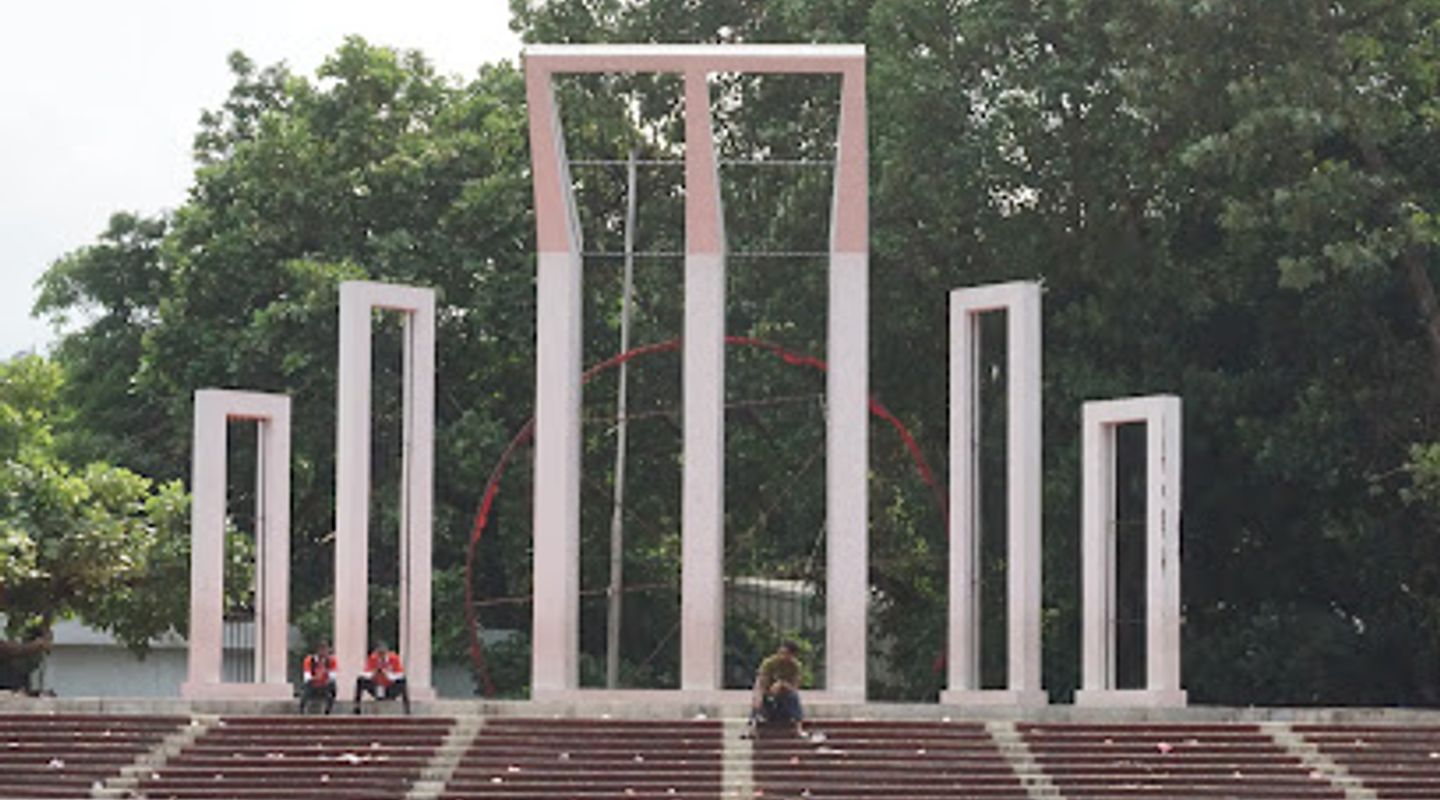
Central Shaheed Minar, Dhaka Division Travel Guide
A national monument in Dhaka, Central Shaheed Minar commemorates the martyrs of the Bengali Language Movement, symbolizing the enduring spirit of Bengali identity and cultural pride.
The Central Shaheed Minar stands as a poignant reminder of the sacrifices made during the Bengali Language Movement of 1952. This national monument in Dhaka commemorates the students and activists who gave their lives fighting for the recognition of the Bengali language. More than just a structure, it embodies the spirit of Bengali nationalism and cultural identity. The striking white pillars against the Dhaka skyline create a powerful visual, drawing visitors to reflect on the nation's history. It's a place of remembrance, cultural expression, and a testament to the enduring strength of the Bengali people. Visiting this iconic landmark offers a profound connection to Bangladesh's heritage and the ongoing struggle for linguistic and cultural rights, making it a must-see for anyone seeking to understand the heart and soul of this nation.
A brief summary to Central Shaheed Minar
- Near Dhaka Medical College Gate, Secretariat Road, Secretariate Rd, Dhaka, Polashi, 1000, BD

Know before you go
Hi, I'm Eve. Here are a few practical things to know before exploring Central Shaheed Minar.
- Visit early in the morning or late afternoon to avoid crowds and the midday heat, allowing for a more peaceful and reflective experience.
- Take off your shoes as a sign of respect when entering the immediate area surrounding the monument.
- Consider visiting on February 21st (International Mother Language Day) to witness special commemorative events, but be prepared for large crowds.
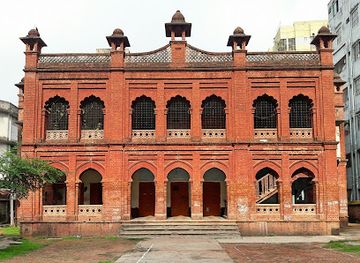
- Explore the nearby Dhaka University campus and Curzon Hall to gain further insight into the cultural and historical context of Bangladesh.
- Learn a few basic Bengali phrases to show respect and connect with locals during your visit.
Do you manage this location?
Take control to get all the benefits, like improved information, better appearance, and stronger visibility across AI-powered discovery. Learn more about listing your business on Evendo
Activate your presenceOther nearby places you may find interesting
The closest places of the same kind, if this one is not quite what you had in mind.

Explore Central Shaheed Minar on the Map
A handpicked selection of must-see spots near Central Shaheed Minar, mapped for you.
Unlock the Best of Central Shaheed Minar
Buy tickets
-
No tickets available
Book tours with entry


Book tours without entry
-
No tours available
Getting There
-
Walking
If you are near Dhaka Medical College or within the Dhaka University area, the Central Shaheed Minar is easily accessible on foot. Orient yourself towards the Dhaka Medical College Hospital; the monument is located adjacent to it. Follow the pathways leading towards the center of the university grounds, and you'll see the towering white structure. The walk from the Dhaka Medical College gate takes approximately 5-10 minutes.
-
Public Transport
If arriving by bus, alight at the Dhaka Medical College Hospital stop. From there, walk towards the hospital entrance and follow the signs for the Central Shaheed Minar, which is a short walk away. Alternatively, take a rickshaw from any nearby location within Dhaka University; fares typically range from 20-50 BDT depending on the distance. Keep in mind that traffic can be heavy, especially during peak hours.
-
Taxi/Ride-Share
Taxis and ride-sharing services like Uber are readily available throughout Dhaka. Direct your driver to the Dhaka Medical College Hospital or the University of Dhaka. Upon arrival, you may need to walk the final few minutes to the monument as vehicles are restricted from entering the immediate vicinity. A short taxi ride from areas like Shahbagh or Motijheel should cost approximately 150-300 BDT, depending on traffic. Be sure to negotiate the fare beforehand with local taxi drivers or use the meter if available. Uber and other ride-sharing apps will provide an estimated fare before you book.
Discover more about Central Shaheed Minar













Your all‑in‑one travel companion app
Explore expert travel guides, compare and book tours, experiences, hotels, and more—all from the palm of your hand. Download now for seamless trip planning wherever your wanderlust takes you.


Explore More of Dhaka Division
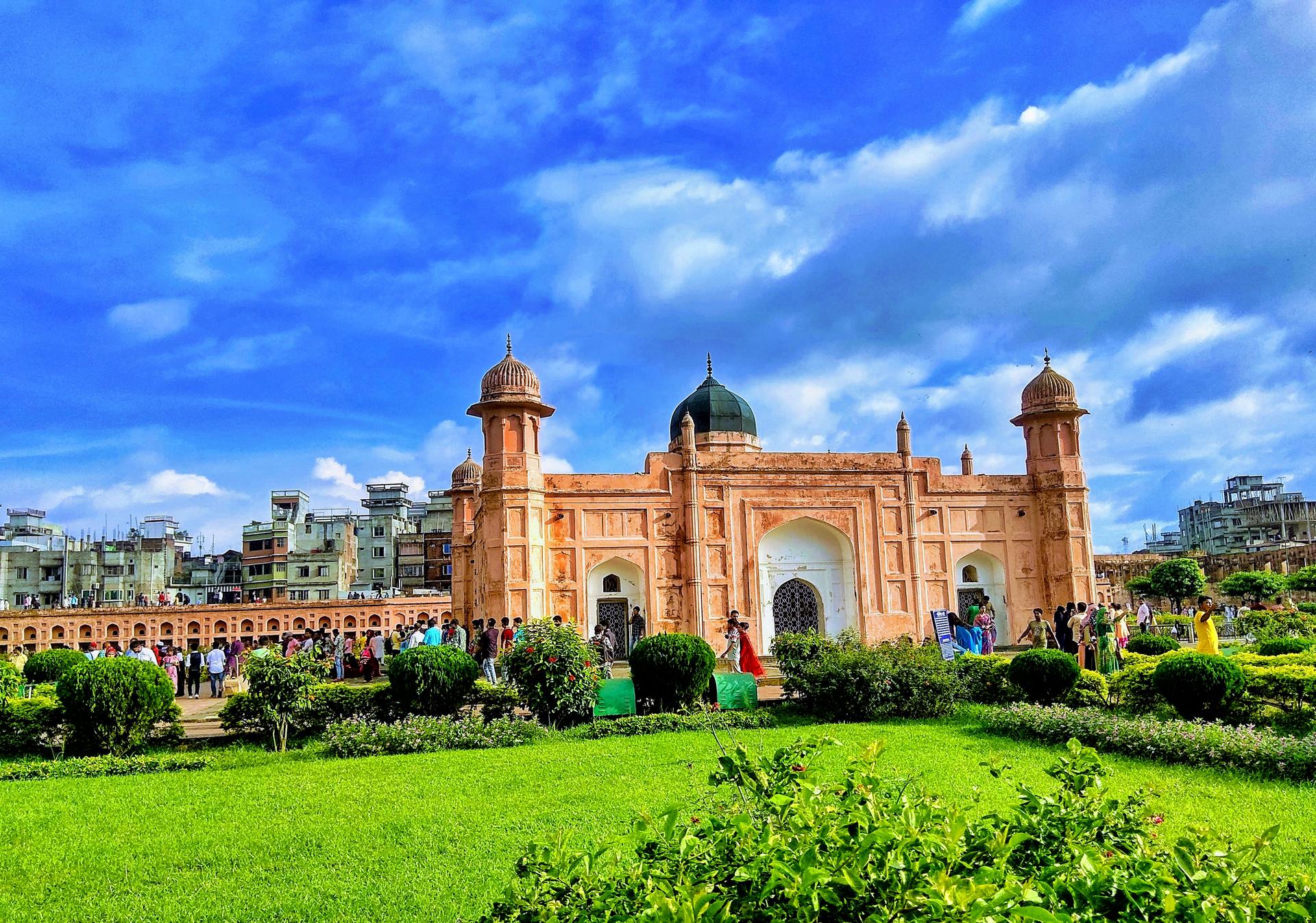
Looking beyond Central Shaheed Minar? Discover Dhaka Division for broader travel guides, local hot-spots, and regional highlights.
Explore Dhaka Division
Discover Dhaka's green heart at Ramna Park, a historic oasis offering tranquility, cultural experiences, and a refreshing escape from the city's hustle, with vibrant Bengali New Year celebrations.

Experience Dhaka's vibrant street art at the স্বাধীনতার দেয়াল, a dynamic landmark reflecting Bangladesh's journey to freedom and ongoing social dialogue.
