

Best Landmarks in Dhaka
Planning a trip to Dhaka? Discover the best landmarks in Dhaka with history, expert tips, and routes. Free on web or the Evendo app.


The best landmarks in Dhaka
Dhaka, the bustling capital city of Bangladesh, offers visitors a rich tapestry of history and culture waiting to be explored. From the majestic Lalbagh Fort, a 17th-century Mughal fortress with intricate architecture, to the vibrant Ahsan Manzil, a pink palace once home to the Nawabs of Dhaka, there is no shortage of awe-inspiring landmarks to visit. Wander through the colorful streets of Shankhari Bazar, one of the oldest markets in the city, and marvel at the stunning Star Mosque with its intricate mosaic designs. Don't miss the opportunity to take a boat ride on the Buriganga River, where you can witness daily life along the riverbanks and admire the beauty of the city from a different perspective. Dhaka's landmarks offer a glimpse into the city's storied past and vibrant present, making it a must-visit destination for history buffs and culture enthusiasts alike.
- Top rated
- Closest to the centre
- A–Z
35 landmarks
-
Park4.4★40,391 reviews
Ramna Park
Escape the Dhaka's frenetic energy in Ramna Park, a sprawling green space steeped in history and offering a tranquil retreat for locals and tourists alike. Originally established during the Mughal era and redesigned during British colonial rule, this 68.5-acre park serves as the "lungs of Dhaka," providing fresh air and a connection to nature. Wander along winding pathways shaded by towering trees, discover vibrant flower beds, and relax by the serene Ramna Lake. The park hosts various cultural events throughout the year, including concerts, festivals, and art exhibitions, offering a glimpse into the local culture. Whether you seek a leisurely stroll, a family picnic, or a moment of quiet contemplation, Ramna Park provides a welcome respite from the urban chaos. Don't miss the Pohela Boishakh (Bengali New Year) celebrations at the historic Ramna Batamul banyan tree, a cultural extravaganza that transforms the park into a vibrant hub.
-
Mosque4.7★29,840 reviews
Baitul Mukarram National Mosque
Baitul Mukarram National Mosque, a prominent landmark in Dhaka, stands as a symbol of Islamic architecture and spiritual significance in Bangladesh. Designed by architect Abdulhusein M. Thariani and completed in 1968, this grand mosque distinguishes itself with its unique cubic structure resembling the Kaaba in Mecca, a departure from traditional dome designs. Capable of accommodating over 40,000 worshippers, Baitul Mukarram is not only a place of prayer but also a hub for Islamic learning and cultural events. Its location in the heart of Dhaka, surrounded by bustling markets and commercial areas, makes it easily accessible and a focal point for both locals and tourists seeking to experience the religious and cultural heart of the city. Visitors are welcome to explore its serene courtyards and admire the blend of Mughal and modern architectural elements, providing a tranquil escape from the vibrant city life.
Mon–Thu 10:00–20:00 · Sat–Sun 10:00–20:00
-
Historical landmark4.5★27,683 reviews
Lalbagh Fort
Lalbagh Fort, an unfinished 17th-century Mughal masterpiece in Dhaka, Bangladesh, offers a captivating glimpse into the region's rich history and architectural prowess. Commissioned in 1678 by Prince Muhammad Azam, son of Emperor Aurangzeb, the fort's construction was later taken over by Shaista Khan. However, the untimely death of Khan's daughter, Pari Bibi, led to its abandonment, leaving it an incomplete yet stunning testament to Mughal ambition. Spanning 18 acres, the fort complex features impressive structures like the Diwan-i-Aam (Hall of Public Audience), the Tomb of Pari Bibi, and a three-domed mosque, all interconnected by water channels and lush gardens. Despite its unfinished state, Lalbagh Fort remains a popular tourist destination, drawing visitors with its historical significance, architectural beauty, and serene atmosphere, offering a unique window into Mughal Bengal's power and culture.
-
Historical landmark4.4★24,238 reviews
Sohrawardy Udyan
Sohrawardy Udyan, formerly known as Ramna Race Course, is a historically significant park in the heart of Dhaka. It's a place where pivotal events in Bangladesh's struggle for independence unfolded, including Sheikh Mujibur Rahman's historic 7th March speech and the Pakistani army's surrender in 1971. Today, the park offers a green escape from the city's hustle, with lush gardens, tree-lined pathways, and monuments commemorating the Language Movement martyrs at Shaheed Minar and the Independence War at Swadhinata Stambha. Visitors can explore the Museum of Independence to delve deeper into the nation's history or simply enjoy a leisurely stroll amidst the serene environment. The park also hosts cultural events and public gatherings, making it a vibrant hub for the local community and a must-visit destination for those seeking tranquility and a glimpse into Bangladesh's rich heritage.
Daily 5:00–22:30
-
Historical landmark4.6★20,725 reviews
National Martyrs' Monument
The National Martyrs' Monument, or Jatiyo Smriti Soudho, stands as a poignant reminder of Bangladesh's struggle for independence. Located in Savar, near Dhaka, this iconic monument commemorates the sacrifices made during the 1971 Liberation War. Designed by Syed Mainul Hossain, the structure features seven triangular concrete walls, each representing a significant chapter in the nation's history, rising to a height of 150 feet. Surrounded by serene gardens and a reflecting pool, the monument offers a space for reflection and remembrance. Visitors can explore the grounds, learn about the war's impact, and pay homage to the fallen heroes. The monument is not only a historical landmark but also a symbol of Bengali nationalism and the enduring spirit of the Bangladeshi people. It is a place where the nation gathers to remember its past and honor those who fought for its freedom, making it a deeply moving and educational experience for all who visit.
Daily 10:00–18:00
-
Historical landmark4.6★18,661 reviews
Central Shaheed Minar
The Central Shaheed Minar is a national monument in Dhaka, Bangladesh, commemorating those killed during the 1952 Bengali Language Movement. The monument symbolizes the struggle for linguistic and cultural identity and is a poignant reminder of the sacrifices made for the Bengali language.
-
Historical place museum4.4★17,081 reviews
Ahsan Manzil Museum
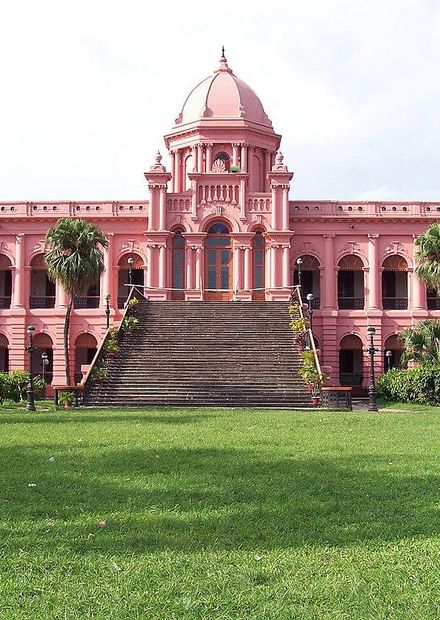
Ahsan Manzil, also known as the Pink Palace, is a beautifully restored historical landmark in Old Dhaka, Bangladesh, offering a captivating glimpse into the lives of the Nawabs. Built in the late 19th century, this architectural marvel showcases a blend of Indo-Saracenic Revival style, featuring a majestic dome and intricate designs. Once the residence and administrative center of the Dhaka Nawab Family, it now serves as a museum, displaying a rich collection of artifacts, furniture, and photographs that depict the opulent lifestyle and significant historical events that unfolded within its walls. Visitors can explore the palace's numerous rooms, including the grand Durbar Hall, the dining room, and the Nawab's private chambers, each telling a story of a bygone era. Located on the banks of the Buriganga River, Ahsan Manzil provides a serene escape from the bustling city, inviting visitors to step back in time and immerse themselves in the grandeur and history of Bangladesh's past.
-
Park4.2★10,570 reviews
Bahadur Shah Park
Bahadur Shah Park, located in the heart of Old Dhaka, is a historical landmark with a rich and complex past. Originally known as Anta Ghar Maidan, it served as a gathering place and site for an Armenian billiard club. Later, under British rule, it became Victoria Park, commemorating Queen Victoria's reign. The park witnessed the grim aftermath of the Sepoy Mutiny of 1857, with public executions held on its grounds. In 1957, it was renamed Bahadur Shah Park to honor the last Mughal Emperor, Bahadur Shah Zafar II, a symbol of resistance against British colonial rule. Today, the park offers a tranquil escape from the city's bustle, surrounded by historical buildings and educational institutions, providing a serene space for locals and tourists alike to reflect on Dhaka's layered history.
Open 24 hours
-
Park4.5★8,435 reviews
Gulshan Lake Park
Gulshan Lake Park, nestled in the upscale Gulshan neighborhood, offers a serene escape from Dhaka's bustling city life. The park features a picturesque lake surrounded by lush greenery, providing a tranquil environment for locals and tourists alike. It's a place for relaxation, exercise, and community engagement.
Open 24 hours
-
State parliament4.6★7,672 reviews
Bangladesh National Parliament House
The Bangladesh National Parliament House, also known as Jatiyo Sangsad Bhaban, stands as a monumental testament to modern architecture and democratic ideals. Designed by the renowned architect Louis Kahn, this iconic structure is more than just a government building; it's a symbol of national identity and pride. Its striking geometric forms, combined with the serene surrounding landscape, create a visually stunning and thought-provoking experience. Visitors are drawn to its grandeur and the sense of history it embodies. The building represents Bangladesh's commitment to democracy and its aspirations for the future. Exploring the Parliament House offers a unique opportunity to appreciate architectural brilliance and understand the country's political heritage. The building's design seamlessly blends functionality with aesthetics, making it a must-see destination for architecture enthusiasts and anyone interested in the cultural and political landscape of Bangladesh.
Mon–Thu 9:00–17:30 · Sun 9:00–17:30


Rayer Bazar Bodhyo Bhumi
Rayer Bazar Bodhyo Bhumi, also known as the Martyred Intellectuals Memorial, stands as a poignant reminder of the sacrifices made during Bangladesh's Liberation War in 1971. Located in the Rayer Bazar area of Dhaka, this memorial commemorates the intellectuals who were systematically murdered by the Pakistani army and their collaborators in the days leading up to Bangladesh's independence. The site serves as a place of remembrance, reflection, and education, offering visitors a glimpse into the nation's painful past and the resilience of its people. The memorial's design, featuring a broken brick wall and a still water body, evokes a sense of loss and hope, making it a powerful and moving experience for all who visit. Open daily, it provides a serene space for paying respects and understanding a crucial chapter in Bangladesh's history. Visiting this site offers a profound connection to the cultural and historical context of Bangladesh.
Daily 7:00–20:00

Justice Shahabuddin Ahmed Park
Escape the Dhaka bustle at Justice Shahabuddin Ahmed Park, a serene green space in Gulshan 2. Named after a former Chief Justice and President of Bangladesh, this park offers a revitalized lake, lush greenery, and cultural events, providing a refreshing retreat for locals and tourists alike.
Daily 6:00–22:00

Liberation War Museum
The Liberation War Museum in Dhaka stands as a solemn reminder of Bangladesh's arduous journey to independence in 1971. Established in 1996, the museum meticulously chronicles the events leading up to the war, the conflict itself, and the aftermath, offering visitors a comprehensive understanding of this pivotal period in the nation's history. Through a rich collection of photographs, documents, personal artifacts, and multimedia exhibits, the museum vividly portrays the sacrifices, struggles, and triumphs of the Bengali people. It serves not only as a repository of historical information but also as a place of remembrance, reflection, and education, fostering a deeper appreciation for the values of freedom, democracy, and human rights. A visit here is a profoundly moving experience, providing invaluable insights into the spirit and resilience of Bangladesh.
Mon–Sat 10:00–15:30

Tara Masjid
Tara Masjid, also known as the Star Mosque, is a dazzling architectural gem nestled in the Armanitola area of Old Dhaka. This early 19th-century mosque captivates visitors with its intricate designs and the countless star motifs that adorn its walls, domes, and ceilings. Originally built in the Mughal style, the mosque underwent significant renovations in the early 20th century, incorporating Japanese and English china tiles in a unique mosaic style known as 'Chini Tikri.' The result is a mesmerizing blend of architectural styles and artistic influences, making it a must-see destination for anyone exploring Dhaka's rich cultural heritage. The mosque is not only a place of worship but also a testament to the artistic sensibilities of its benefactors and the enduring legacy of Mughal architecture in Bangladesh. Its location in the heart of Old Dhaka places it near other historical landmarks, allowing visitors to immerse themselves in the city's vibrant past.
Open 24 hours

Khan Mohammad Mridha Masjid
Khan Mohammad Mridha Masjid, nestled in the historic Lalbagh area of Dhaka, stands as a testament to the grandeur of Mughal architecture. Constructed in the early 18th century, this mosque offers visitors a glimpse into the region's rich cultural and historical heritage. Built on a raised platform, the mosque features three prominent domes and intricate ornamentation, reflecting a blend of Persian and Mughal styles. The serene atmosphere and architectural details make it a worthwhile visit for those exploring Old Dhaka. While easily accessible, remember to dress modestly and be respectful of prayer times to fully appreciate this historical landmark. Its location near Lalbagh Fort makes it a convenient addition to any sightseeing itinerary in the area, offering a peaceful contrast to the bustling city.
Open 24 hours

Baridhara Park
Baridhara Park, situated in Dhaka's upscale Baridhara neighborhood, provides a tranquil retreat from the city's hustle and bustle. With well-maintained pathways and lush greenery, it's a place to relax and reconnect with nature.
Daily 6:00–11:00, 14:00–16:00

Armenian Church Dhaka
The Armenian Church, officially the Armenian Apostolic Church of the Holy Resurrection, stands in Old Dhaka as a reminder of the Armenian community that thrived here in the 17th and 18th centuries. Built in 1781 on what was once an Armenian graveyard, the church offers a glimpse into the lives of these merchants who came to Dhaka for trade.
Daily 9:00–17:00

Swadhinata Stambha
The Swadhinata Stambha, or Independence Monument, stands as a powerful symbol of Bangladesh's liberation struggle within the historic Suhrawardy Udyan in Dhaka. This striking monument commemorates the events of the 1971 Liberation War, honoring the sacrifices made for the nation's independence. Designed by architects Kashef Mahboob Chowdhury and Marina Tabassum, the complex includes a 50-meter high tower composed of stacked glass panels, an underground museum, a multimedia projection theater, and an amphitheater. The tower is built on the site where the Pakistani Instrument of Surrender was signed, marking the end of the war. During the night, the tower transforms into a luminous pillar, with light emanating from every inch, creating a mesmerizing spectacle. Visitors can explore the museum to delve deeper into the history and significance of the war, making it a poignant and educational experience. The surrounding park provides a serene environment for reflection and remembrance.
Open 24 hours

Ruplal House
Ruplal House, a 19th-century mansion in Dhaka's Farashganj area, stands as a testament to the city's rich history and architectural heritage. Built initially by an Armenian businessman and later owned by the affluent Das brothers, the mansion once rivaled Ahsan Manzil in splendor. Its neo-classical design, featuring grand columns and intricate details, reflects the opulence of a bygone era. Today, though encroached upon by commercial activities and squatters, Ruplal House remains a significant landmark, offering a glimpse into the lives of the city's merchant class during the British colonial period. While restoration efforts are ongoing, the house continues to whisper tales of lavish balls, cultural events, and the vibrant riverfront life that once defined Dhaka. Exploring its grounds provides a unique perspective on the city's evolution and the challenges of preserving its historical treasures. Despite its current state, the house's historical and architectural significance makes it a compelling, if somewhat melancholic, destination for those interested in Dhaka's past.
Open 24 hours

Lalbagh Fort Museum
Lalbagh Fort, an unfinished 17th-century Mughal marvel in the heart of Old Dhaka, offers a captivating glimpse into Bangladesh's rich history. Construction commenced in 1678 by Prince Muhammad Azam, son of Emperor Aurangzeb, but was abandoned following his departure and, later, the untimely death of Shaista Khan's daughter, Pari Bibi. Despite its incomplete state, the fort boasts impressive structures like the Diwan-i-Aam (Hall of Public Audience), the Quilla Mosque, and Pari Bibi's mausoleum, showcasing exquisite Mughal architecture and craftsmanship. Wander through the serene gardens, explore the museum's Mughal-era artifacts, and delve into the legends surrounding this historical treasure. A visit to Lalbagh Fort is a journey back in time, offering a unique perspective on Dhaka's cultural heritage and the grandeur of the Mughal Empire.
Daily 9:00–17:00

Hussaini Dalan
Hussaini Dalan, a captivating historical landmark in Dhaka, is a must-visit for tourists seeking to immerse themselves in the rich cultural heritage of Bangladesh. This architectural marvel is renowned for its stunning design and historical significance, offering a glimpse into the past of Old Dhaka. Visitors can wander through its intricately decorated rooms and explore the serene ambiance that surrounds this iconic site, making it a memorable addition to any travel itinerary.

Edge Gallery
Edge Gallery, nestled in Dhaka's upscale Gulshan neighborhood, is a vibrant showcase of contemporary Bangladeshi and international art. Since its founding in 2016, the gallery has become a vital platform for emerging and established artists, fostering creative dialogue and pushing artistic boundaries. With its minimalist and sleek gallery space, Edge Gallery provides an ideal backdrop for the diverse range of artworks it exhibits, including paintings, sculptures, photography, and installations. The gallery is committed to promoting innovative artistic values and introducing international art forms to Bangladesh, making it a must-visit destination for art enthusiasts and cultural explorers. Edge Gallery not only exhibits art but also hosts private events that promote culture and fosters creative talent. Whether you're an art aficionado or a curious traveler, Edge Gallery offers a stimulating and enriching experience.
Daily 10:00–20:00

Goaldi Mosque
The Goaldi Mosque, built in 1519 during the reign of Sultan Alauddin Hussain Shah, stands as a testament to the rich history of Sonargaon, the former capital of Bengal. This elegant, single-domed mosque showcases pre-Mughal architecture and intricate terracotta designs, offering a glimpse into the region's prosperous past. Located in the tranquil village of Goaldi, near Panam Nagar, the mosque provides a serene escape from the bustling city. Its detailed carvings, including the black basalt mihrab and floral motifs, reflect a blend of Islamic and local artistic traditions. A visit to Goaldi Mosque offers a unique opportunity to explore a well-preserved monument and experience the cultural heritage of Bangladesh. The mosque's restoration in 1975 has ensured its preservation for future generations, making it a must-see destination for history enthusiasts and travelers seeking to discover the architectural treasures of Sonargaon.
Open 24 hours

Bara Katra
Bara Katra, an architectural gem in Dhaka, is a must-visit for any tourist eager to explore the rich history of the Mughal era. This stunning monument not only boasts impressive architecture but also offers a deeper understanding of the cultural heritage that shaped Bangladesh.

মহাখালী ওয়ারলেস গেইট
মহাখালী ওয়ারলেস গেইট, located in Dhaka, Bangladesh, stands as a significant historical landmark. Situated in the bustling area of মহাখালী, it serves as a reminder of the city's rich past. The area surrounding the gate is a vibrant mix of commercial and residential activity, reflecting Dhaka's dynamic urban environment. While not a gate in the traditional sense, the location marks a key intersection and a historically important point within the city. The landmark is easily accessible and provides a glimpse into the historical context of Dhaka, making it a notable, if understated, point of interest for visitors exploring the city. Its importance is more about its historical relevance as a communications hub rather than its aesthetic grandeur. The area is well-connected, making it easy to explore other parts of Dhaka from this central location. While it may not be a typical tourist attraction, its historical context and central location make it a worthwhile stop for those interested in understanding Dhaka's past and present.

Gulshan Square গুলশান স্কয়ার
Gulshan Square, nestled in the heart of Dhaka's upscale Gulshan neighborhood, offers a refreshing blend of urban energy and tranquil green space. More than just a meeting point, it embodies the city's vibrant spirit, attracting locals and tourists alike. The square provides a harmonious mix of nature and city life, with tree-lined pathways and inviting benches. It's a popular spot for social gatherings, offering a glimpse into the daily lives of Dhaka residents. The square also provides easy access to nearby neighborhoods like Banani and Baridhara, enhancing the overall travel experience. Whether you're seeking relaxation, social interaction, or a taste of local culture, Gulshan Square provides an inviting environment for all. It's especially lively in the evenings, with lights and sounds creating a memorable atmosphere. Gulshan Square is a must-visit destination for anyone looking to experience the essence of Dhaka.

Jamuna tourist attractions park
Jamuna Tourist Attractions Park, nestled within the expansive Jamuna Future Park in Dhaka, is a premier destination for entertainment and recreation. As one of the largest amusement parks in Bangladesh, it offers a wide array of thrilling rides, family-friendly attractions, and engaging entertainment options suitable for all ages. From adrenaline-pumping roller coasters to gentle carousels, the park caters to diverse preferences, ensuring a memorable experience for every visitor. Beyond the rides, the park boasts modern facilities, including food courts, clean restrooms, and comfortable seating areas, enhancing the overall visitor experience. Its strategic location within Jamuna Future Park allows easy access to shopping, dining, and other leisure activities, making it a comprehensive entertainment destination in Dhaka. Whether you're a local seeking a weekend getaway or a tourist exploring the city, Jamuna Tourist Attractions Park promises a day filled with excitement and fun.

Beautiful Place
Beautiful Place in Dhaka offers a serene retreat from the city's relentless energy. This park provides a green oasis for locals and tourists alike, seeking respite and a connection with nature. With its well-maintained greenery, walking paths, and peaceful atmosphere, it's an ideal spot for morning jogs, leisurely strolls, or simply unwinding amidst the urban sprawl. The park's thoughtful design encourages relaxation and contemplation, making it a valuable community space. While not boasting elaborate attractions, its simplicity and accessibility make it a cherished escape for those seeking a moment of calm in Dhaka's vibrant chaos. Beautiful Place provides a vital green lung within the city, offering a space for recreation and mental well-being, and is a testament to the importance of urban green spaces.

সবিক শহিদ মিনার
সবিক শহিদ মিনার stands as a poignant reminder of the sacrifices made during the Bengali Language Movement. Located in the Tejgaon area of Dhaka, this historical landmark commemorates those who fought for the recognition of the Bengali language. The monument provides a serene space for reflection and appreciation of its historical significance. Visitors can explore the monument and its surroundings, soaking in the rich history that this site embodies. It serves as a gathering spot for cultural events and protests, making it a vibrant part of Dhaka's urban landscape. The site is open daily from 6 AM to 9 PM, offering ample opportunity for respectful visitation and remembrance.
Daily 6:00–21:00

Curzon Hall
Curzon Hall, situated on the Dhaka University campus, is a striking example of colonial-era architecture that seamlessly blends European and Mughal styles. Built in the early 20th century, it has served various purposes, from a town hall to a crucial part of Dhaka University's science faculty. The building played a significant role in the Language Movement of 1952, solidifying its place in Bangladesh's history. Visitors are drawn to its picturesque gardens, intricate designs, and the serene atmosphere it exudes. Its red-brick facade, adorned with domes and arches, offers a unique visual experience, making it a must-see landmark in Dhaka. Explore the halls, witness classrooms in action, and appreciate the historical and cultural importance of this iconic structure. A visit to Curzon Hall provides a glimpse into the academic and cultural heart of Dhaka.

Hatirjheel Bridge
Hatirjheel Bridge is more than just a bridge; it's a symbol of modern Dhaka, offering respite from the city's chaos with scenic views, pedestrian-friendly pathways, and vibrant night-time illuminations. Spanning the tranquil Hatirjheel Lake, it has become a popular recreational spot for locals and tourists alike.

Jatiyo Sangsad Bhaban
The Jatiyo Sangsad Bhaban, or National Parliament House, in Dhaka, is a striking architectural masterpiece designed by Louis Kahn. Completed in 1982, it stands as a symbol of democracy and Bengali heritage, featuring a unique blend of modern design with geometric shapes and the innovative use of light and space.

স্বাধীনতার দেয়াল
স্বাধীনতার দেয়াল (Freedom Wall) in Dhaka is more than just a wall; it's a vibrant public art space in City Corporation Market that embodies Bangladesh's journey to independence and its commitment to freedom of expression. This dynamic landmark showcases the city's ever-changing social, political, and cultural landscape through colorful murals and graffiti.

Bangladesh
Kamrangirchar, a densely populated Thana in Old Dhaka, offers a raw and authentic glimpse into the city's vibrant soul. Situated on the Buriganga River, this area, once an island, is now a bustling hub of small industries, traditional markets, and diverse communities. While often overlooked by mainstream tourism, Kamrangirchar provides a unique opportunity to experience the daily life of ordinary Bangladeshis, explore its cultural tapestry, and witness the resilience of its people. From its bustling bazaars to its numerous places of worship, Kamrangirchar presents a sensory-rich experience far removed from the polished tourist trails, offering a deeper understanding of Dhaka's complex character. Despite its challenges, the area's strong sense of community and cultural heritage make it a compelling, if unconventional, destination for intrepid travelers seeking an unvarnished perspective.

সাবেক ঢাকা রেলওয়ে স্টেশন। The former Dhaka Railway Station area
The Former Dhaka Railway Station area offers a glimpse into Dhaka's colonial past and its transformation into a bustling metropolis. Once a vital transportation hub constructed during the British Raj, the area showcases the architectural grandeur of the late 19th and early 20th centuries. Visitors can explore the vicinity, admiring the colonial-era structures and experiencing the vibrant atmosphere created by locals and tourists. The area is rich in culture and history, with shops, eateries, and local markets offering insights into the daily life of Dhaka residents. It serves as an excellent starting point for exploring other historical landmarks and museums in Dhaka, providing countless opportunities for stunning photographs that capture the spirit of the city.
Explore Dhaka on the map
A handpicked selection of must-see spots in Dhaka, mapped for you.
More about Dhaka
Dhaka travel guide
Dhaka, Bangladesh blends Mughal history, riverfront life, vibrant markets, Bengali cuisine and distinctive architecture for immersive city sightseeing.
Tell me more about DhakaMore to explore in Dhaka

 Best attractions in Dhaka

 Best shops in Dhaka

 Best bars in Dhaka

 Best restaurants in Dhaka

 Best nightclubs in Dhaka

 Best experiences in Dhaka

 Best hotels in Dhaka

 All neighbourhoods in Dhaka
Explore more

Explore more of Bangladesh
Discover Bangladesh: A land of rivers, rich culture, and breathtaking landscapes. Explore ancient sites, vibrant cities, and the unique flavors of this South Asian gem.
Explore Bangladesh
Getting your guide ready…
We are putting together a fresh copy of the Dhaka guide. This can take up to a minute.
This can take a few moments. If your browser asks, choose Allow so the download can start. You'll find the guide in your Downloads folder.
Nothing happened? Download it again
Sorry, the guide is taking longer than usual. Please try again in a minute, or get it by email instead.

