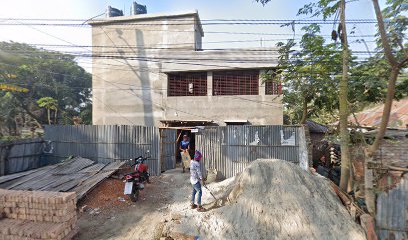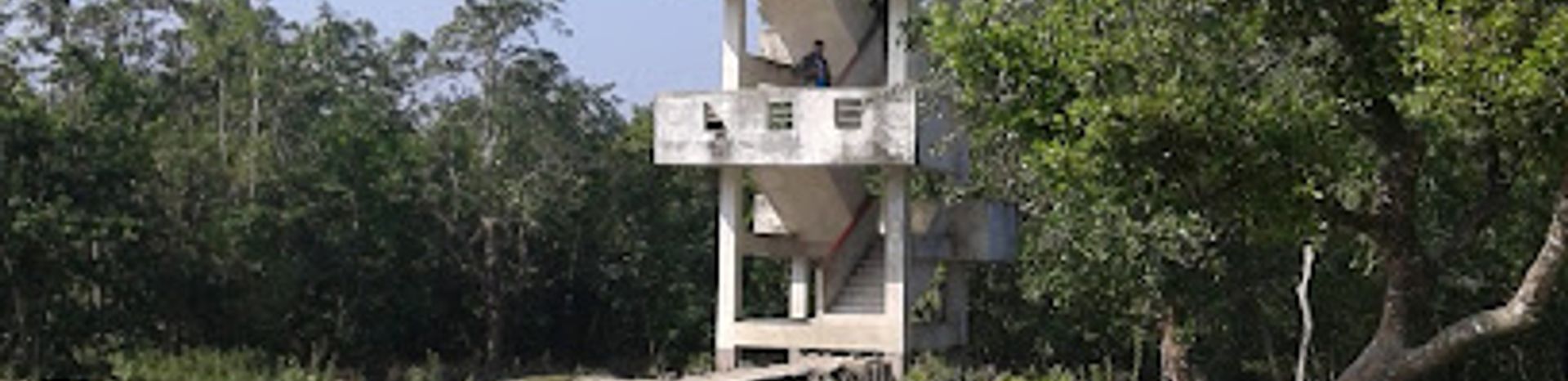
The Sundarbans: A Realm of Mangrove Majesty
Explore the Sundarbans: A UNESCO-protected mangrove forest, home to the Royal Bengal tiger and rich biodiversity.
The Sundarbans, a UNESCO World Heritage Site, is the world's largest mangrove forest, straddling Bangladesh and India. This unique ecosystem, formed by the confluence of the Ganges, Brahmaputra, and Meghna rivers, is a sanctuary for diverse wildlife, including the Royal Bengal tiger.
A brief summary to The Sundarbans (Bangladesh)
- 7HW9+R3M, খুলনা, BD
- +8801712-984500
- Visit website
Local tips
- The best time to visit the Sundarbans is between November and February for pleasant weather and optimal wildlife viewing.
- Obtain necessary permits from the Divisional Forest Office in Khulna before entering the Sundarbans.
- Hire a local guide to navigate the waterways and increase your chances of spotting wildlife.
- Pack light, breathable clothing, sturdy shoes, sunscreen, and insect repellent for your trip.
- Respect the local environment by avoiding loud noises and following the guidelines provided by your guide.

Getting There
-
Boat
The primary way to explore the Sundarbans is by boat. Several tour operators offer guided boat tours departing from Khulna or Mongla. These tours typically range from 2-4 days and include transportation, accommodation, meals, and permits. From Khulna, boats depart from Rupsha Ghat. From Mongla, boats depart from Mongla Port. Negotiate boat fares in advance. A day trip to Karamjal from Mongla can cost between Tk 1,000 to Tk 1,500. Visiting both Karamjal and Harbaria will cost between Tk 3,500 to Tk 5,000. For longer trips, expect to pay significantly more. Entry fees to the Sundarbans vary depending on the area and nationality. For international tourists, entry fees inside the sanctuaries are Tk 3,000 per day, while local tourists pay Tk 300 per day. There are additional fees for video cameras (Tk 500 for foreigners, Tk 300 for locals) and tour guides (Tk 750 per day).
Discover more about The Sundarbans (Bangladesh)
Iconic landmarks you can’t miss

Sundarban
15.7 km
Explore Sundarban: A biodiverse mangrove forest, home to the Royal Bengal Tiger and a UNESCO World Heritage Site.
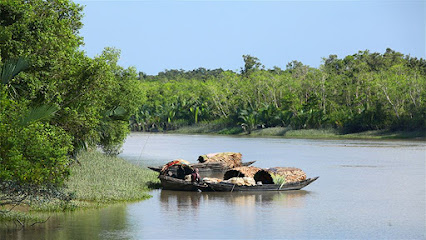
Gol Kanon Eco Resort
18.0 km
Discover the serene beauty of the Sundarbans at Gol Kanon Eco Resort: Experience authentic culture, sustainable tourism, and breathtaking natural landscapes in Bangladesh.
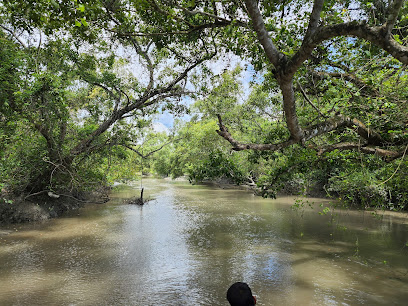
Sundarban সুন্দরবন National Forest (Bangladesh)
24.8 km
Explore the Sundarbans: A biodiverse mangrove forest, home to the Royal Bengal Tiger and a UNESCO World Heritage Site.
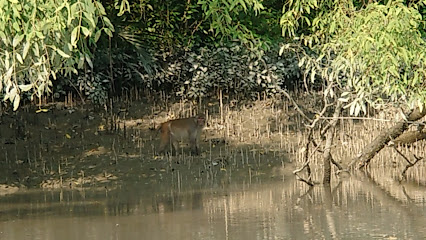
Batikhali Mondir Mor - বাতিখালি মন্দির মোড়
41.3 km
Discover the historical charm of Batikhali Mondir Mor in Paikgachha, an essential destination for those seeking to explore Bangladesh's rich cultural heritage.
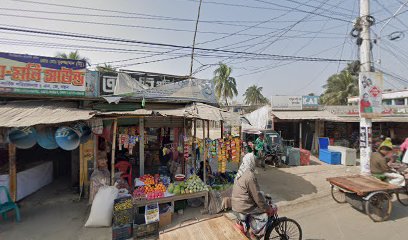
Allama Saydee Shaheb's Home
44.1 km
Explore the historical and cultural richness at Allama Saydee Shaheb's Home, a landmark that embodies the legacy of a revered figure in Bangladesh.
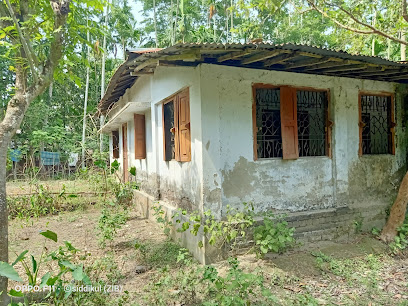
Khan Jahan Ali Majar
45.3 km
Explore the serene tomb complex of Khan Jahan Ali in Bagerhat, a 15th-century Sufi saint's legacy blending spiritual reverence with unique Bengali-Islamic architecture and crocodile ponds.
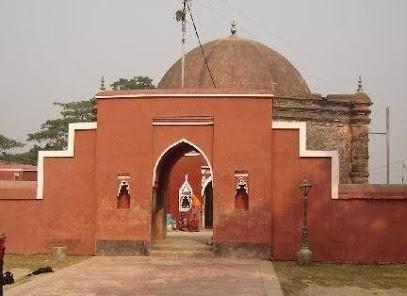
Labanchara,Rupsha bridge,Khulna
53.4 km
Experience the serene lifestyle of Labanchara, a peaceful housing society near the picturesque Rupsha Bridge in Khulna, Bangladesh.
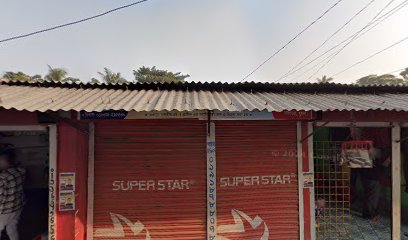
Khulna Shipyard Limited
54.7 km
Discover Khulna Shipyard Limited, a hub of shipbuilding excellence in Bangladesh, showcasing the artistry and engineering of maritime craftsmanship.
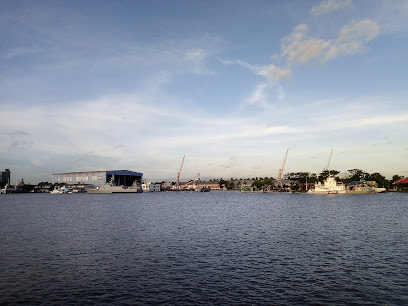
কাসেমিয়া মসজিদ মোড়, খুলনা
55.1 km
Explore Khulna's Historical Landmark: A Journey Through Bangladesh's Rich Heritage and Architectural Splendor.
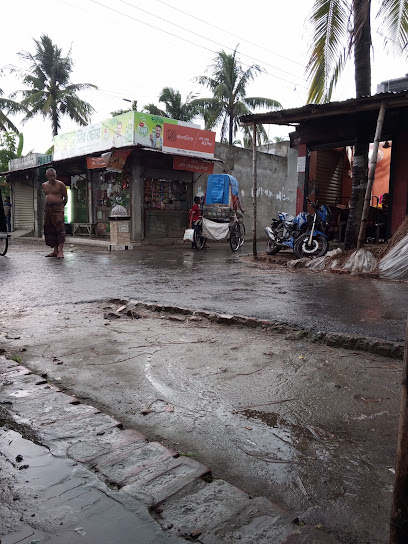
Gollamari Memorial Monument
55.8 km
A somber and inspiring memorial in Khulna, Bangladesh, commemorating the sacrifices of the 1971 Liberation War and honoring the resilience of the Bangladeshi people.
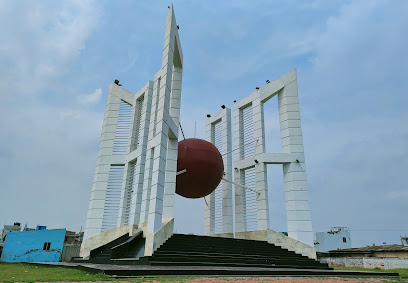
Gollamari More
56.1 km
Experience the vibrant heart of Khulna at Gollamari More, a bustling town square where culture, commerce, and history converge, offering a taste of authentic Bangladeshi life.
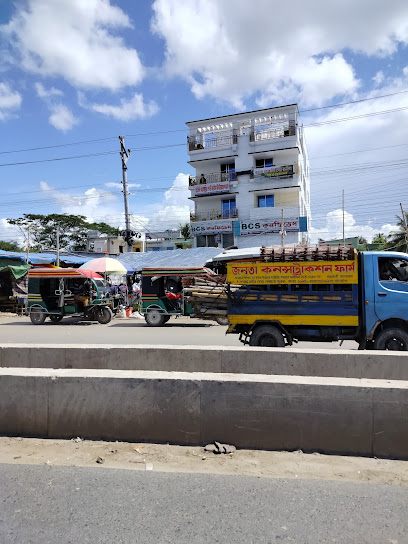
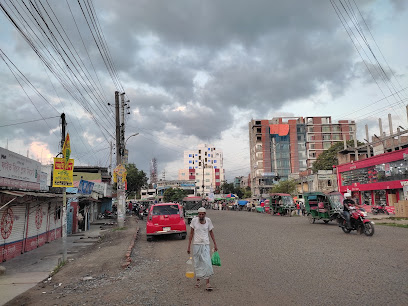
Nirala More
56.2 km
Experience the vibrant heart of Khulna at Nirala More, a bustling town square offering a taste of local culture, cuisine, and community spirit.
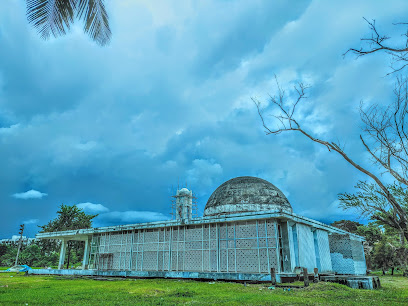
Khulna University Central Mosque
56.3 km
Discover the architectural splendor and spiritual serenity of Khulna University Central Mosque, a landmark blending modern design with Islamic tradition.
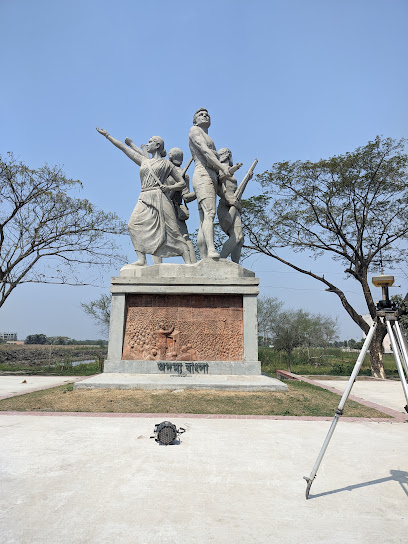
Adamya Bangla
56.3 km
A towering monument at Khulna University, honoring the brave freedom fighters of the Bangladesh Liberation War and their sacrifices.
Central Library, Wi-Fi Zone
56.4 km
Khulna's Central Library: Your gateway to knowledge, community, and free Wi-Fi in a serene environment.
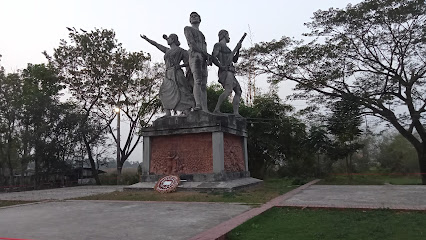
Unmissable attractions to see

Harbaria Eco Tourism Center
4.9 km
Discover the serene beauty and diverse wildlife of the Sundarbans at the Harbaria Eco Tourism Center, a gateway to the world's largest mangrove forest.
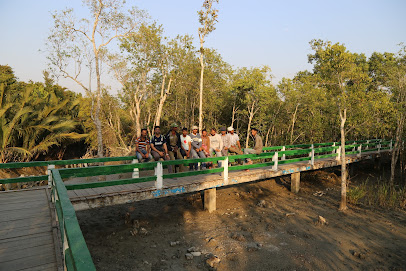
Sundarbans Reserved Forest
14.7 km
Explore the Sundarbans Reserved Forest: a UNESCO World Heritage Site, home to the Royal Bengal Tiger, and the world's largest mangrove forest.
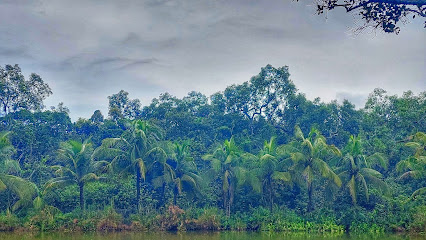
Karamjal Tourist Center. Khulna
14.7 km
Discover the wonders of the Sundarbans at Karamjal Tourist Center: a gateway to mangrove forests, crocodile breeding, and unique wildlife encounters, just a short boat trip from Mongla.
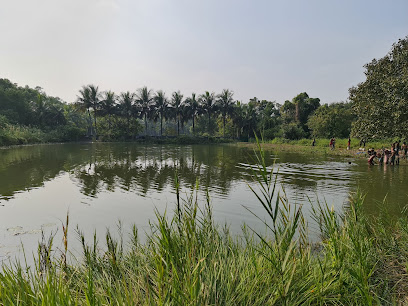
Karamjal Wildlife Breeding Center
14.7 km
Explore Karamjal Wildlife Breeding Center, a gateway to the Sundarbans, offering a close look at conservation and mangrove ecosystems.
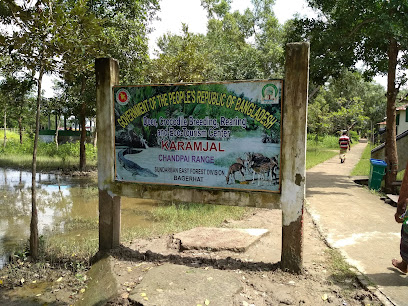
Sundarban national forest
14.8 km
Explore the world's largest mangrove forest, home to the Royal Bengal tiger, in the heart of the Ganges Delta.
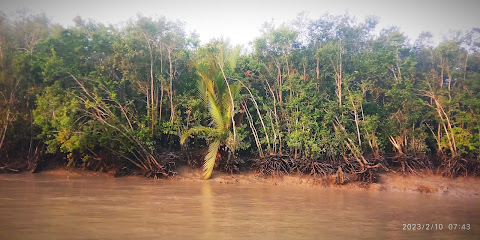
Karamjal
14.8 km
Explore Karamjal, an ecological wonder in the Sundarbans, where nature's beauty and biodiversity come alive amidst serene mangrove forests.
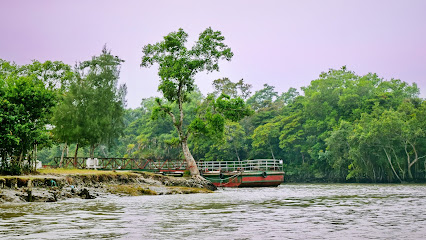
Sundorban tour plan
19.7 km
Discover the enchanting beauty of Sundarbans, a UNESCO World Heritage Site, home to Bengal tigers and diverse wildlife in a breathtaking mangrove ecosystem.
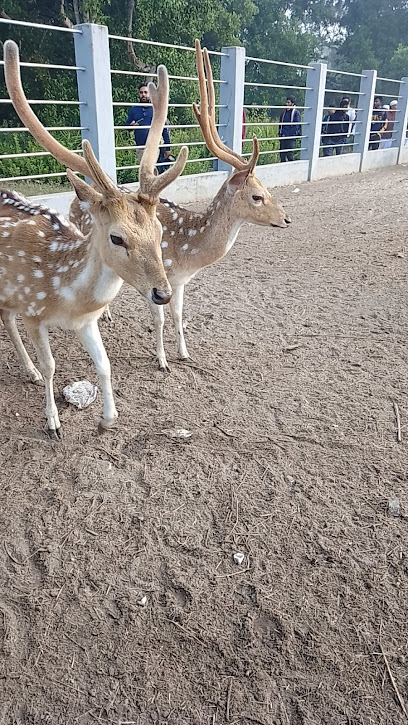
Sundarban National Park, Bangladesh
31.3 km
Discover the enchanting Sundarban National Park: a UNESCO site, mangrove forest, and tiger reserve, offering unique boat safaris and wildlife encounters.

দৃষ্টি নন্দন
33.7 km
Discover the serene beauty of Drishti Nandan in Gabura Union, Bangladesh, showcasing rich culture and natural landscapes near the Sundarbans.
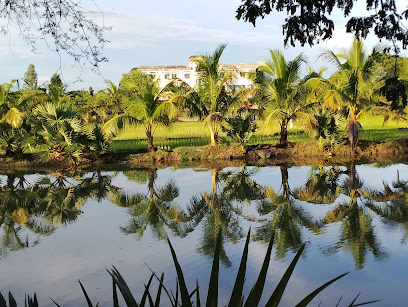
Sundarban Mangrove Forest - Bangladesh
34.8 km
Explore the Sundarbans, the world's largest mangrove forest and a UNESCO site, home to the Royal Bengal tiger and unique biodiversity.
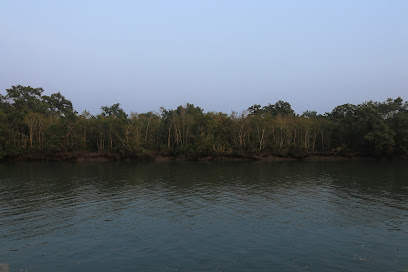
Sundarban Mangrove Forest
34.8 km
Explore the Sundarbans: World's largest mangrove forest, home to the Royal Bengal Tiger, and a UNESCO World Heritage Site. A unique blend of nature and adventure.
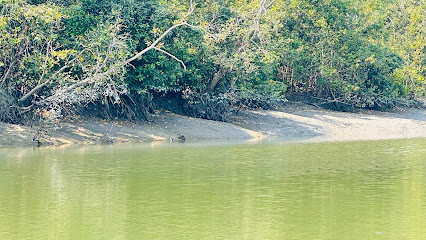
Kalagasia Watch Tower
35.3 km
Observe wildlife from above at the Kalagasia Watch Tower, offering panoramic views of the Sundarbans' unique mangrove ecosystem.
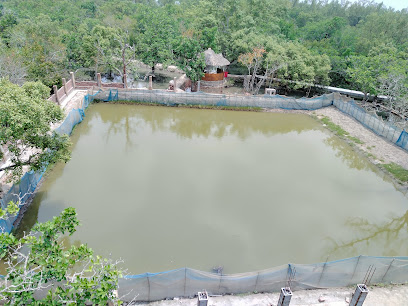
Horinpala River View Eco Park
37.2 km
Discover natural beauty and family fun at Horinpala River View Eco Park, featuring scenic river views, rides, and a deer and bird sanctuary.
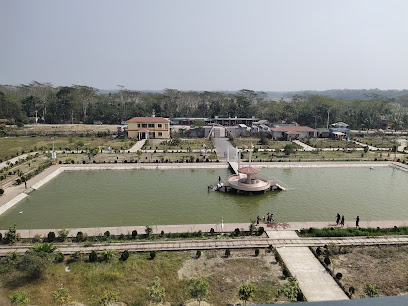
Rana Resort & Amusement Park
38.5 km
Experience thrilling rides and serene nature at Rana Resort & Amusement Park in Khulna, Bangladesh. A perfect family getaway!
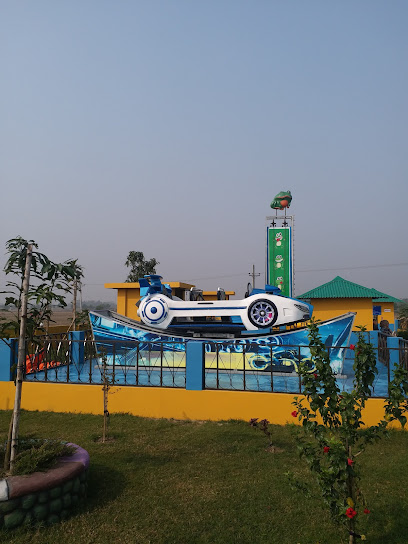
Dobeki Forest Camp
41.7 km
Escape to Dobeki Forest Camp for a tranquil Sundarbans experience, offering wildlife sightings and serene mangrove exploration.
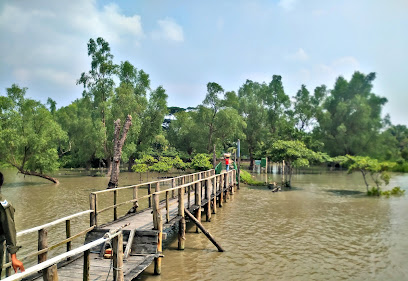
Essential places to dine

Bonobibi Forest Resort Sundarban
16.6 km
Experience tranquility at Bonobibi Forest Resort Sundarban - where nature meets comfort amidst breathtaking landscapes.
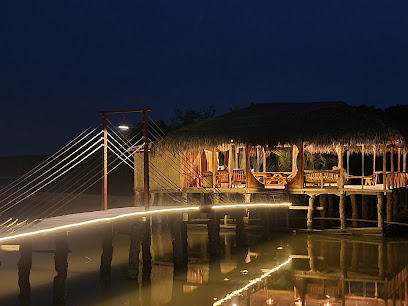
সুন্দরবন হোটেল এন্ড রেস্টুরেন্ট ট্যুরিস্ট স্পট
19.7 km
Experience family-friendly hospitality at Sundarbans Hotel and Restaurant while exploring the enchanting beauty of Bangladesh's Sundarbans.
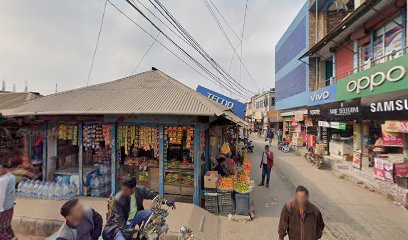
Mangrove Haven Resort
21.9 km
Experience tranquility and adventure at Mangrove Haven Resort in Kailashganj, where luxury meets nature amidst stunning mangroves.
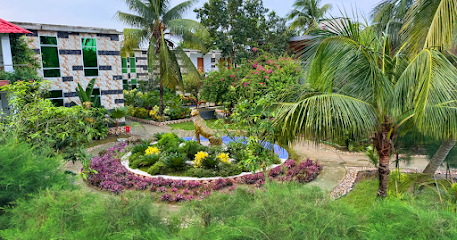
SuNdArBaN FoOdS
33.9 km
Discover SuNdArBaN FoOdS: A Crab Lover's Paradise Offering Authentic Seafood Delights in Nildumur.
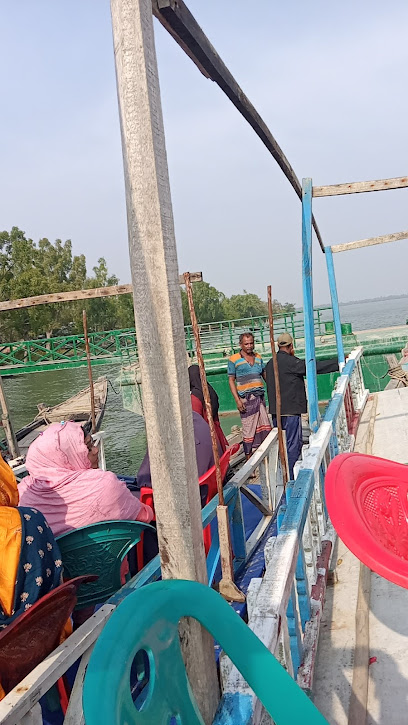
Nishan Crab Culture
43.6 km
Indulge in authentic crab dishes at Nishan Crab Culture, where fresh flavors meet traditional Bangladeshi cuisine.
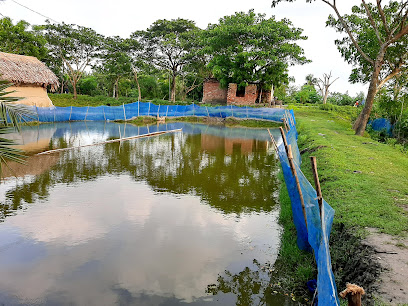
Firefly Restaurant
54.3 km
Discover the exquisite flavors of Bangladesh at Firefly Restaurant in Khulna, where delightful dishes meet warm hospitality.
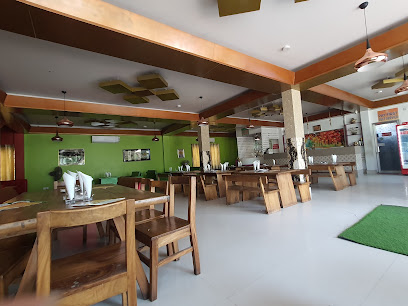
Kamrul Hotel
55.8 km
Discover authentic Bangladeshi flavors at Kamrul Hotel in Khulna - where every meal tells a story.
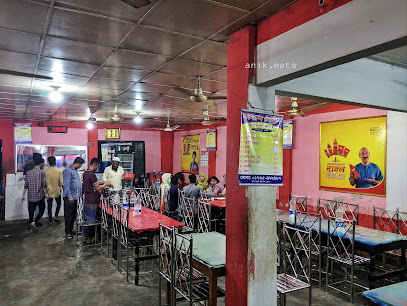
Rupkatha Restaurant
55.8 km
Experience authentic Bangladeshi cuisine at Rupkatha Restaurant in Khulna - where flavors meet tradition.
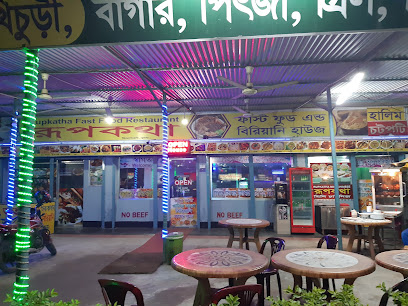
Mejban bari, Khulna
55.9 km
Discover authentic Bangladeshi flavors at Mejban Bari - a culinary delight nestled in the heart of Khulna.
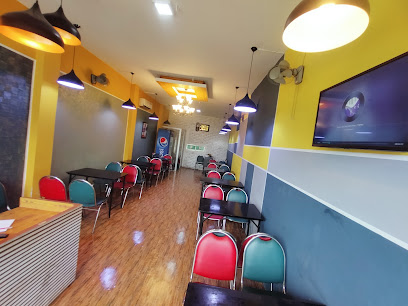
New Sufiya Hotel & Restaurant
56.1 km
Experience authentic Bangladeshi cuisine at New Sufiya Hotel & Restaurant in Khulna, where delicious flavors meet warm hospitality.
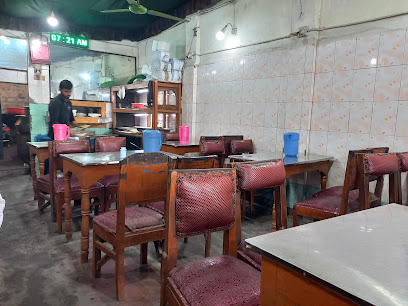
O' Khulna - Parkside Restaurant
56.1 km
Experience authentic Bengali cuisine at O' Khulna - Parkside Restaurant, where every dish tells a story of tradition and flavor.
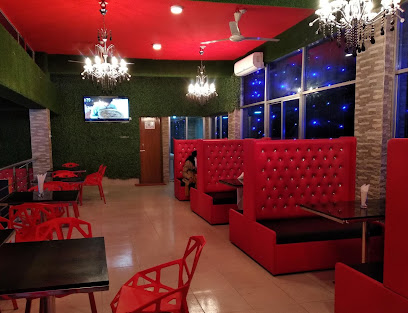
Prothom Shad Restaurant
56.2 km
Discover the essence of Bangladeshi cuisine at Prothom Shad Restaurant in Khulna, where every meal is a celebration of local flavors.
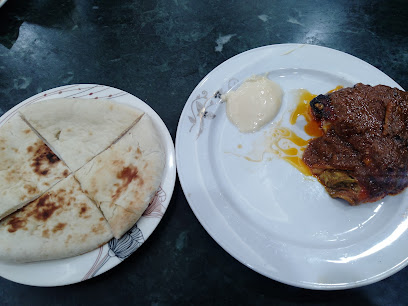
The Evening Touch
56.2 km
Discover the culinary charm of Khulna at The Evening Touch, where authentic barbecue meets vibrant local culture.
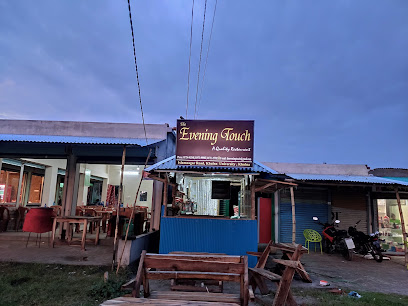
Basher Kella
56.4 km
Savor authentic Asian cuisine in Khulna's vibrant dining scene at Basher Kella - where tradition meets flavor.
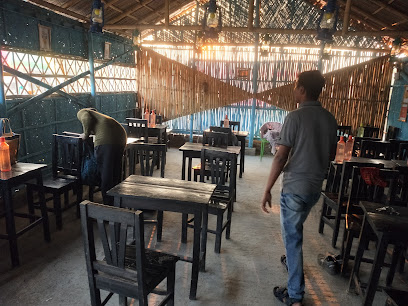
Wimpy's
56.8 km
Discover delightful flavors at Wimpy's in Khulna—where every meal is an unforgettable culinary adventure.
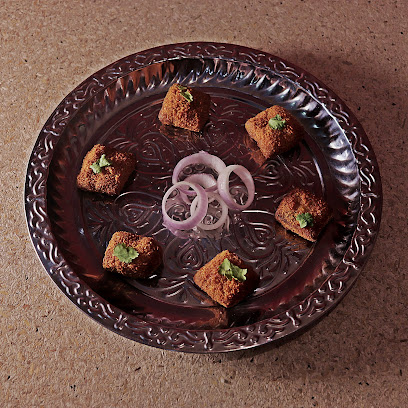
Markets, malls and hidden boutiques

Iraboti Eco Resort & Research Center Limited
17.0 km
Experience nature's tranquility and learn about sustainable practices at Iraboti Eco Resort & Research Center in Dacope, Bangladesh.
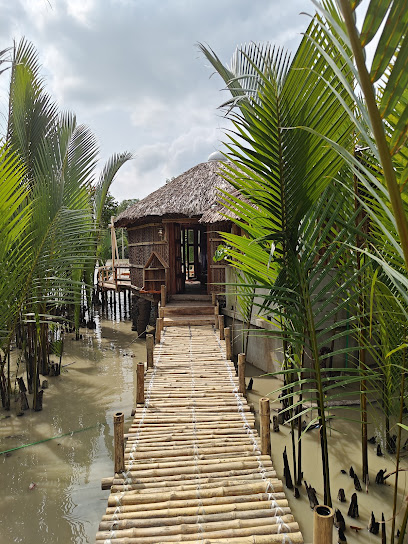
Sondorbon Shop
28.1 km
Explore Sondorbon Shop in Kobi Abadullah Sorok for unique Bangladeshi gifts and souvenirs that celebrate local craftsmanship and culture.
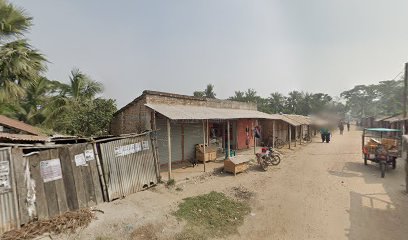
Purbo dur gabati
33.4 km
Explore Purbo Dur Gabati for unique gifts and handcrafted treasures that showcase the rich culture and artistry of Bangladesh.
Shakib Varieties Store
37.7 km
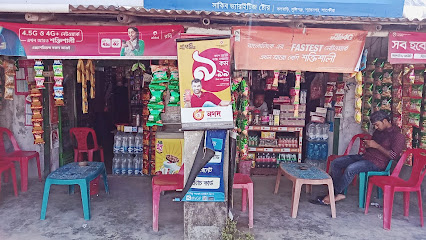
Experience the vibrant local culture and flavors at Shakib Varieties Store in Kolbari, Bangladesh's charming grocery destination.
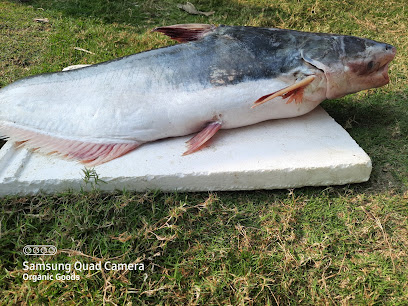
Organic Goods
38.5 km
Explore the finest organic grocery store in Bangladesh, where freshness meets sustainability and local flavors come alive.
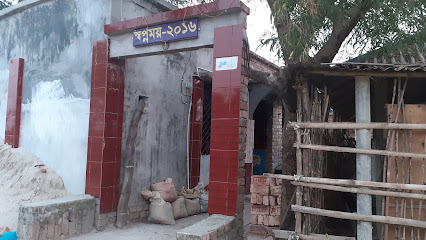
Sotota mudi vaender
39.6 km
Explore the rich culture and craftsmanship at Sotota Mudi Vaender, a charming store in Bangladesh offering unique local goods.
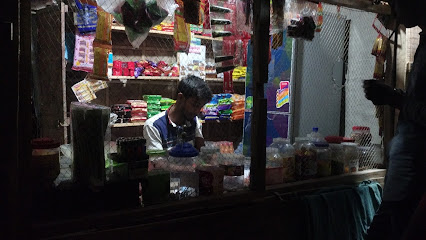
Mahim store
42.2 km
Explore Mahim Store, a vibrant shopping destination in Bangladesh, showcasing local crafts and unique treasures that reflect the region's rich heritage.
Mokka Storr
46.5 km
Explore Mokka Storr, Bangladesh's premier cosmetics store, offering a unique blend of international and local beauty products for all your needs.
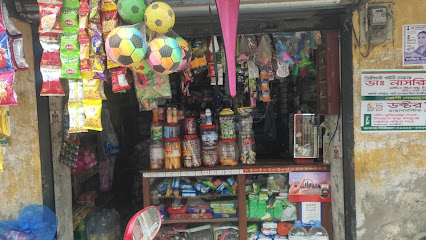
Md Moniruz zaman
47.0 km
Explore the vibrant world of Bangladeshi crafts at Md Moniruz Zaman, the ultimate gift shop in Ishwaripur for unique souvenirs.
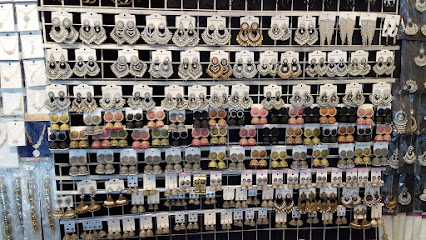
Mehedi Store
47.8 km
Explore Mehedi Store for an authentic taste of Bangladesh, featuring local crafts, snacks, and unique souvenirs.
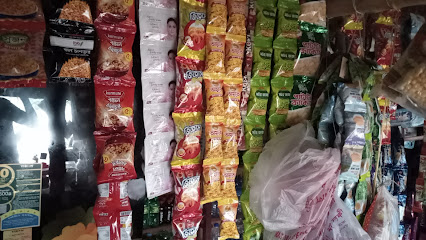
Salman Store
47.8 km
Explore the local flavors at Salman Store, your go-to grocery destination in Bangladesh for fresh produce and authentic snacks.
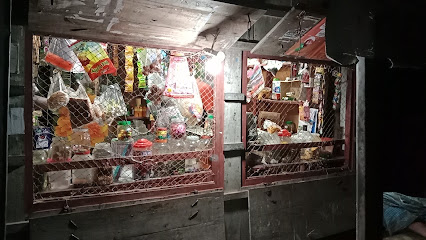
Matango sardar shop
48.6 km
Explore the unique offerings at Matango Sardar Shop, where local craftsmanship meets modern design in a delightful shopping experience.
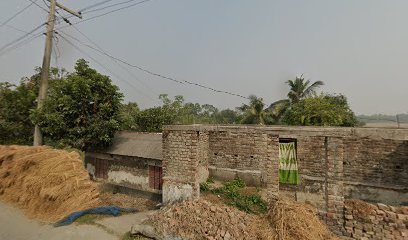
Zubayer Grocery (মল্লু)
49.2 km
Discover the vibrant local culture and flavors at Zubayer Grocery, a must-visit grocery store in Ramjannagar for authentic Bangladeshi products.
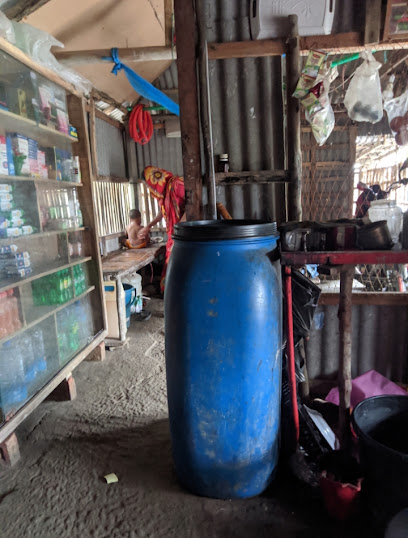
Dino Grocery
49.4 km
Explore the essence of Bangladeshi culture at Dino Grocery, where fresh local produce meets community spirit.
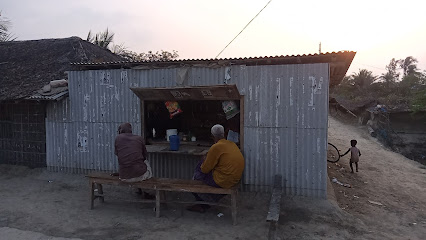
Jeher Ali Grocery
49.7 km
Explore the authentic tastes of Bangladesh at Jeher Ali Grocery, where local flavors and culinary traditions come to life.
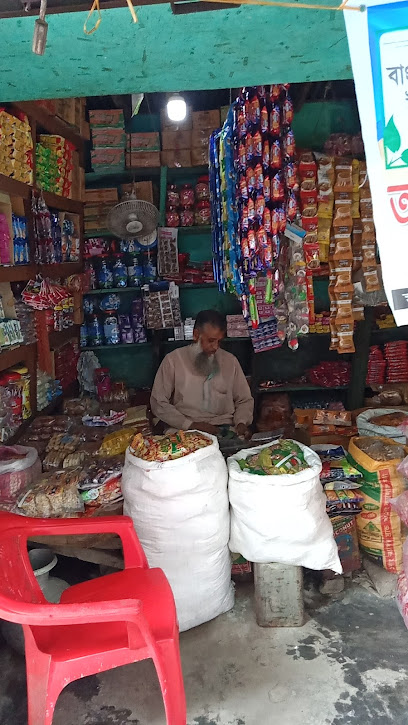
Essential bars & hidden hideouts

মিনি কুয়াকাটা
17.9 km
Discover the heart of Mongla’s nightlife at Mini Kuakata, a lively bar offering refreshing drinks and a vibrant atmosphere for tourists.
gabdu hoise
25.2 km
Discover the lively ambiance and local flavors at Gabdu Hoise, a vibrant bar in Bangladesh perfect for unwinding after exploration.
Habibur
25.2 km
Experience the vibrant nightlife at Habibur, a popular bar in Moth Bari, where locals and tourists gather for great drinks and lively entertainment.
My Home
28.9 km
Experience the vibrant nightlife of Sharankhola at this charming bar, offering local flavors and a welcoming atmosphere perfect for tourists.
Jononi Digital Studio
29.2 km
Experience the vibrant culture of Koyra at Jononi Digital Studio, a lively bar offering a wide selection of drinks and a welcoming atmosphere.
Mukesh Home
32.1 km
Discover the lively vibe and local flavors at Mukesh Home, a top bar destination in Nurpur Amirpur for tourists seeking a vibrant nightlife experience.
Ayskurone Shop
39.8 km
Discover the vibrant ambiance and exquisite drinks at Ayskurone Shop, a must-visit bar in Bangladesh for travelers seeking local flavors.
SABBIR Tower
40.9 km
Experience the vibrant atmosphere and diverse drink selection at SABBIR Tower, a must-visit bar in Bangladesh for every traveler.
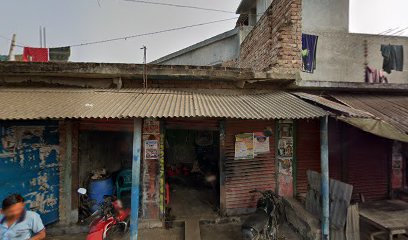
Md Razab Ali Moral
41.2 km
Discover the vibrant nightlife at Md Razab Ali Moral, a lively bar in Harinagar, offering local drinks and a welcoming ambiance for tourists.
Valo bashi
47.4 km
Experience the vibrant nightlife of Shyamnagar at Valo Bashi, a lively bar offering a delightful mix of local and international drinks.
kathbirile
55.0 km
Experience the authentic taste of Bangladesh at Kathbirile, Khulna's top restaurant for traditional cuisine and warm hospitality.

Juice Bar
55.4 km
Discover refreshing beverages and a lively atmosphere at Khulna's Juice Bar, your perfect oasis for relaxation and revitalization.

SPICY INN
56.4 km
Experience the vibrant flavors of Khulna at Spicy Inn, where authentic spices and warm hospitality create unforgettable dining moments.
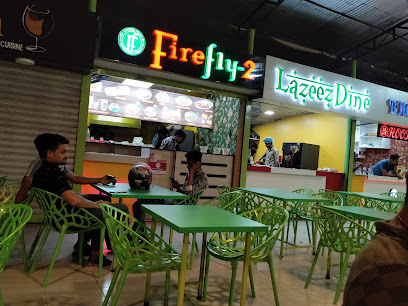
Wendy's food Court
56.4 km
Indulge in the flavors of Wendy's Food Court in Khulna, where delicious fast food meets a vibrant dining experience.
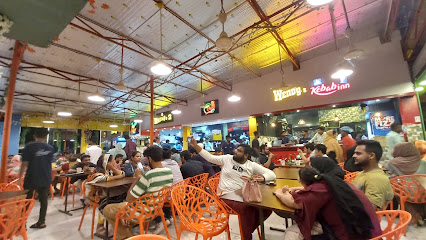
Md Ismail Hossain
56.7 km
Discover the authentic nightlife at Md Ismail Hossain Bar, where locals and tourists mingle in the heart of Khulna's vibrant social scene.