

The Enchanting Wilderness of Sundarbans National Park
Nestled in the southern part of Bangladesh, Sundarbans National Park is a UNESCO World Heritage site known for its vast mangrove forest and incredible biodiversity. As you explore this natural wonder, you will be enchanted by the intricate network of waterways, islands, and mudflats that make up the park. The Sundarbans is home to the famous Bengal tiger, and if you're lucky, you might catch a glimpse of this majestic creature. The park also shelters a diverse range of wildlife, including spotted deer, saltwater crocodiles, and an array of bird species, making it a paradise for wildlife enthusiasts. One of the unique aspects of Sundarbans National Park is its rich mangrove ecosystem. The mangroves serve as a natural barrier against storms and erosion, and they are crucial to the ecological balance of the region. As you navigate through the dense mangrove forests, you will experience the tranquility and serenity that this unique landscape offers. The Sundarbans is not just about wildlife; it also offers a cultural experience. The local communities have lived in harmony with this environment for centuries, and their traditional ways of life add an extra layer of depth to your visit. For the adventurous traveler, the Sundarbans offers various activities such as boat safaris, guided tours, and bird watching. The best time to visit is from October to March when the weather is cooler and more conducive to exploring the outdoors. Whether you're a nature lover, a wildlife photographer, or someone seeking a peaceful retreat, Sundarbans National Park provides an unforgettable experience that connects you with nature in its most raw and untamed form.
Local tips in Sundarbans National Park
- Best visited from October to March for cooler weather and better wildlife sightings.
- Hire a local guide to enhance your experience and ensure safety during your visit.
- Wear comfortable, breathable clothing and carry insect repellent to protect against mosquitoes.
- Respect the local wildlife and maintain a safe distance, especially from Bengal tigers and saltwater crocodiles.
- Consider staying in eco-friendly lodges that support local communities and conservation efforts.


The Enchanting Wilderness of Sundarbans National Park
Nestled in the southern part of Bangladesh, Sundarbans National Park is a UNESCO World Heritage site known for its vast mangrove forest and incredible biodiversity. As you explore this natural wonder, you will be enchanted by the intricate network of waterways, islands, and mudflats that make up the park. The Sundarbans is home to the famous Bengal tiger, and if you're lucky, you might catch a glimpse of this majestic creature. The park also shelters a diverse range of wildlife, including spotted deer, saltwater crocodiles, and an array of bird species, making it a paradise for wildlife enthusiasts. One of the unique aspects of Sundarbans National Park is its rich mangrove ecosystem. The mangroves serve as a natural barrier against storms and erosion, and they are crucial to the ecological balance of the region. As you navigate through the dense mangrove forests, you will experience the tranquility and serenity that this unique landscape offers. The Sundarbans is not just about wildlife; it also offers a cultural experience. The local communities have lived in harmony with this environment for centuries, and their traditional ways of life add an extra layer of depth to your visit. For the adventurous traveler, the Sundarbans offers various activities such as boat safaris, guided tours, and bird watching. The best time to visit is from October to March when the weather is cooler and more conducive to exploring the outdoors. Whether you're a nature lover, a wildlife photographer, or someone seeking a peaceful retreat, Sundarbans National Park provides an unforgettable experience that connects you with nature in its most raw and untamed form.
When is the best time to go to Sundarbans National Park?
Iconic landmarks you can’t miss

Sundarban National Park (West Bengal)
Discover the enchanting Sundarban National Park, home to the Royal Bengal Tiger and the world's largest mangrove forests. A UNESCO World Heritage Site.
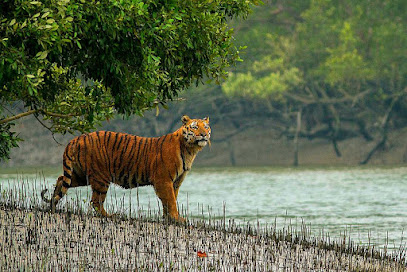
Sundarbans
Explore the Sundarbans, the world's largest mangrove forest and a UNESCO site, home to the Royal Bengal Tiger and unique biodiversity.
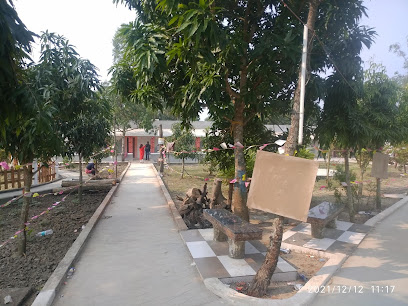
The Sundarbans (Bangladesh)
Explore the Sundarbans, the world's largest mangrove forest and a UNESCO World Heritage Site, home to the Royal Bengal tiger and a wealth of unique wildlife.
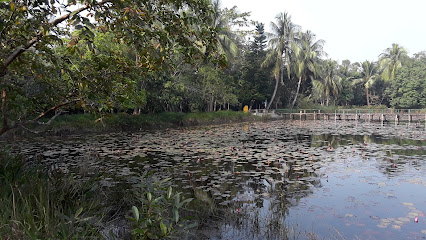
Sundarban National Park - Bangladesh
Explore the Sundarban National Park, a UNESCO World Heritage Site and the world's largest mangrove forest, home to the Royal Bengal tiger and a unique ecosystem.
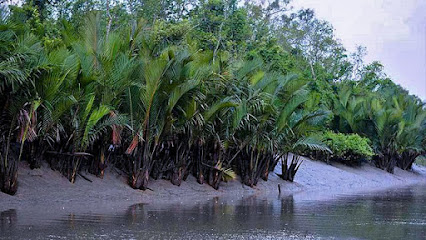
Sundarban Bangladesh Part
Explore the Sundarbans, the world's largest mangrove forest and a UNESCO World Heritage Site, home to the Royal Bengal tiger and a unique ecosystem in Bangladesh.
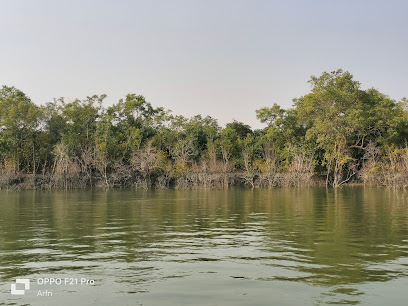
Sundarban Mangrove Forest
Explore the Sundarbans, the world's largest mangrove forest and a UNESCO site, home to the Royal Bengal tiger and unique biodiversity, for an unforgettable wildlife adventure.
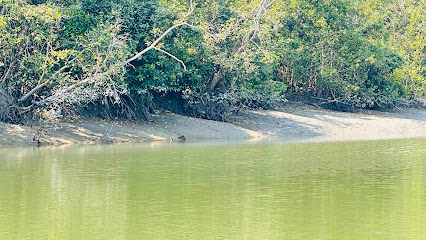
Sundarbans Reserved Forest
Explore the Sundarbans Reserved Forest, the world's largest mangrove forest and a UNESCO World Heritage Site, home to the Royal Bengal tiger and a rich tapestry of wildlife.
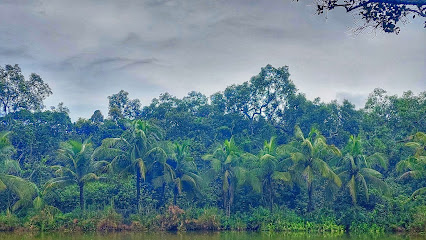
Sundarban National forest
Explore the Sundarban National Forest, a UNESCO World Heritage Site and the world's largest mangrove ecosystem, teeming with Royal Bengal tigers and diverse wildlife.
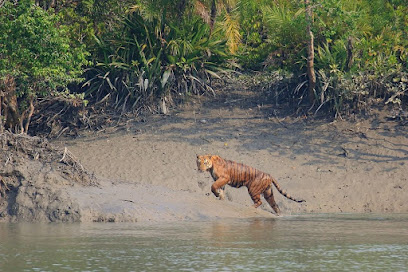
Sundarban national forest
Discover the enchanting Sundarban National Forest, a UNESCO World Heritage site and the world's largest mangrove ecosystem, teeming with Royal Bengal tigers and unique wildlife.

Unmissable attractions to see

Bhawal National Park, Gazipur
Escape to nature in Bhawal National Park, Gazipur: Explore lush forests, spot diverse wildlife, and discover tranquility just a short trip from Dhaka.
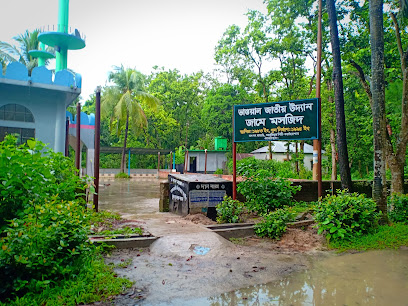
Sundarbans
Explore the Sundarbans, the world's largest mangrove forest and home to the Royal Bengal Tiger, a UNESCO World Heritage Site.
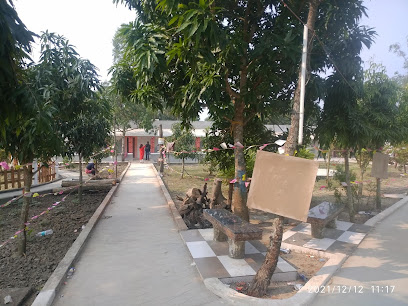
The Sundarbans (Bangladesh)
Explore the Sundarbans: A biodiverse mangrove forest, home to the Royal Bengal tiger and a UNESCO World Heritage Site.
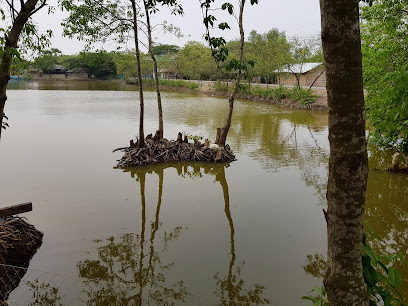
Sajnekhali Wildlife Sanctuary
Discover the wild beauty of the Sundarbans at Sajnekhali Wildlife Sanctuary, a birdwatcher's paradise and home to the Royal Bengal Tiger.
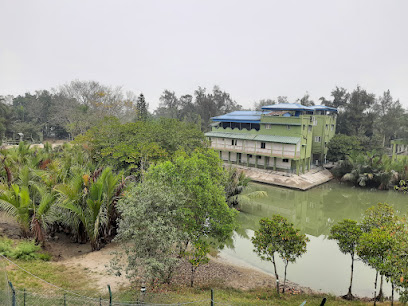
Karamjal
Explore Karamjal in the Sundarbans, a wildlife sanctuary offering a close look at mangrove ecosystems and conservation efforts.
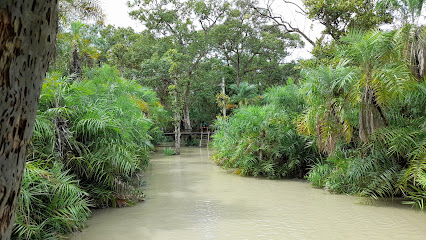
Karamjal Wildlife Breeding Center
Explore Karamjal Wildlife Breeding Center, a gateway to the Sundarbans, offering a close look at conservation and mangrove ecosystems.
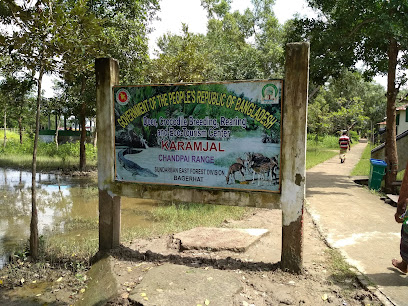
Dobanki Watch Tower
Experience the thrill of a canopy walk and observe diverse wildlife at Dobanki Watch Tower in the heart of the Sundarbans.
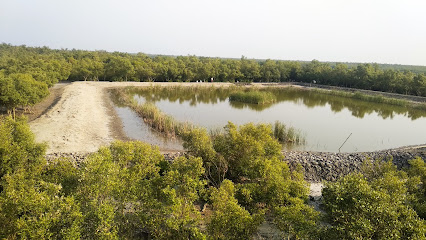
Sudhanyakhali Camp, Sundarban Tiger Reserve
Explore the wild heart of the Sundarbans from Sudhanyakhali Camp, a gateway to tiger territory and mangrove mysteries.
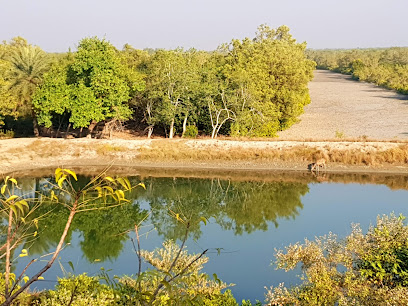
Hiron Point
Discover Hiron Point: A serene sanctuary in the Sundarbans, offering unparalleled natural beauty and rich biodiversity.
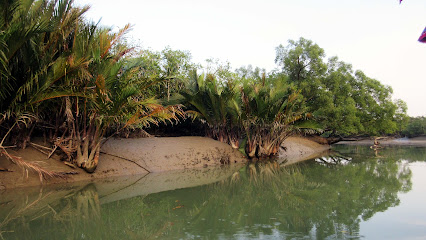
Harbaria Eco Tourism Center
Discover the serene beauty and diverse wildlife of the Sundarbans at the Harbaria Eco Tourism Center, a gateway to the world's largest mangrove forest.
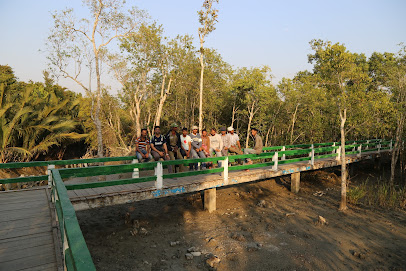
Backpackers Sundarbans Eco-Village
Discover the serene beauty of the Sundarbans at this eco-friendly village, offering immersive experiences in the world's largest mangrove forest.
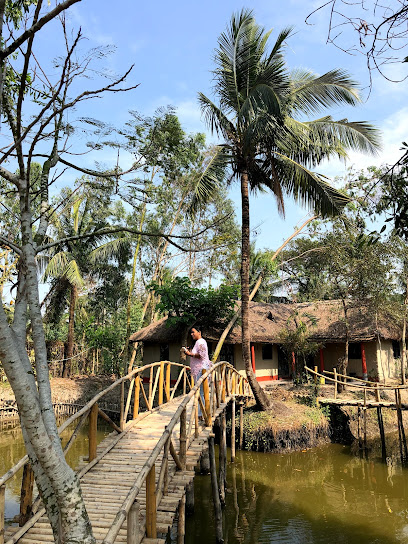
Netidhopani Watch Tower
Discover the legends and wildlife of Sundarbans from the historic Netidhopani Watch Tower. A unique blend of nature and mythology.
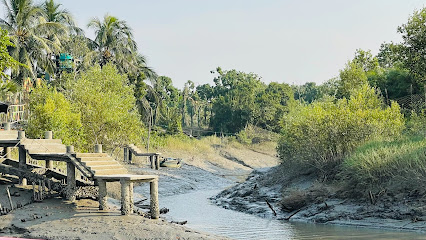
Jharkhali Tourism Hub
Explore Jharkhali Tourism Hub, your serene gateway to the Sundarbans' mangrove forests, diverse wildlife, and tranquil waterways.
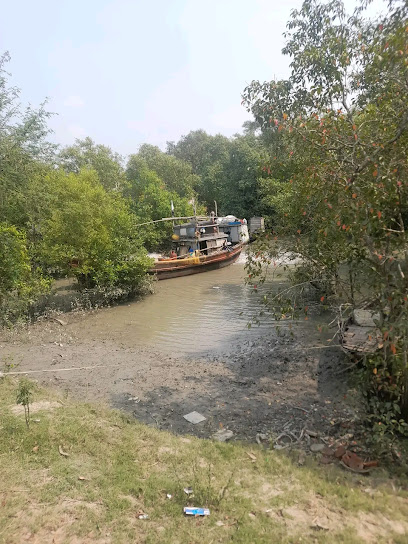
Sajnekhali Watch Tower
Observe the diverse wildlife of the Sundarbans from this iconic watchtower and explore the unique mangrove ecosystem.
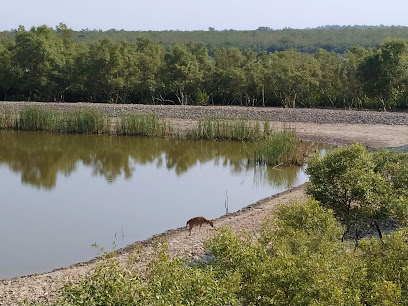
Sajnekhali Tiger Reserve
Explore Sajnekhali Tiger Reserve, the gateway to Sundarbans' mangrove forests, and witness diverse wildlife in this UNESCO World Heritage Site.
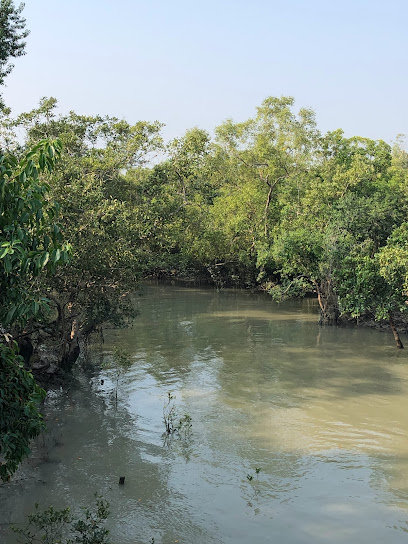
Essential places to dine

Hotel Sonar Bangla - Sundarban
Experience the beauty of Sundarbans at Hotel Sonar Bangla – your gateway to nature's wonders in West Bengal.

Sundarban Restaurant
Discover authentic Bangladeshi cuisine at Sundarban Restaurant in Purbacahal - where every meal tells a story.
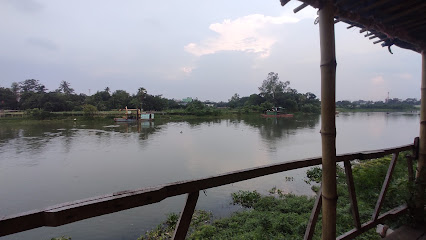
SuNdArBaN FoOdS
Discover SuNdArBaN FoOdS: A Crab Lover's Paradise Offering Authentic Seafood Delights in Nildumur.

সুন্দরবন হোটেল এন্ড রেস্টুরেন্ট ট্যুরিস্ট স্পট
Experience family-friendly hospitality at Sundarbans Hotel and Restaurant while exploring the enchanting beauty of Bangladesh's Sundarbans.



Local Phrases about Sundarbans National Park
-
- Helloনমস্কার
[nomoskar] - Goodbyeবিদায়
[bidae] - Yesহ্যাঁ
[hyām̐] - Noনা
[nā] - Please/You're welcomeঅনুগ্রহ করে
[onugroh kore] - Thank youধন্যবাদ
[dhonno-bad] - Excuse me/Sorryদুঃখিত
[dukhit] - How are you?আপনি কেমন আছেন?
[apni kemon achhen?] - Fine. And you?ভালো। আর আপনি?
[bhalo. ar apni?] - Do you speak English?আপনি ইংরেজি কথা বলতে পারেন?
[apni ingreji kotha bolte paren?] - I don't understandআমি বুঝতে পারছি না
[ami bujhte parchhi na]
- Helloনমস্কার
-
- I'd like to see the menu, pleaseমেনু দেখতে চাই
[menu dekhte chai] - I don't eat meatআমি মাংস খাই না
[ami mangsh khai na] - Cheers!চিয়ার্স!
[cheers!] - I would like to pay, pleaseদয়া করে টাকা দিতে চাই
[doya kore taka dite chai]
- I'd like to see the menu, pleaseমেনু দেখতে চাই
-
- Help!সাহায্য!
[sahayyo!] - Go away!চলে যান!
[chale yan!] - Call the Police!পুলিশকে কল করুন!
[polishke kol korun!] - Call a doctor!ডাক্তারকে কল করুন!
[daktarke kol korun!] - I'm lostআমি হারানো গেছি
[ami harano geshi] - I'm illআমি অসুস্থ
[ami osustho]
- Help!সাহায্য!
-
- I'd like to buy...আমি ... কিনতে চাই
[ami ... kinte chai] - I'm just lookingআমি একটু দেখতেছি
[ami ekṭu dekhtechi] - How much is it?এটা কত টাকা?
[eta kot taka?] - That's too expensiveএটা খুব মহঙ্গা
[eta khub mohonga] - Can you lower the price?দাম কমাতে পারবেন?
[dam kamate parben?]
- I'd like to buy...আমি ... কিনতে চাই
-
- What time is it?এখন কতটা বাজে?
[ekhon kotta baje?] - It's one o'clockএকটা বাজে
[ekṭa baje] - Half past (10)দশের অর্ধেক
[dasher ordhek] - Morningসকাল
[shokal] - Afternoonদুপুর
[dupur] - Eveningসন্ধ্যা
[shondhya] - Yesterdayগতকাল
[gotokal] - Todayআজ
[aj] - Tomorrowআগামীকাল
[agamikal] - 1এক
[ek] - 2দুই
[dui] - 3তিন
[tin] - 4চার
[char] - 5পাঁচ
[pach] - 6ছয়
[chhoy] - 7সাত
[shat] - 8আট
[at] - 9নয়
[noy] - 10দশ
[dosh]
- What time is it?এখন কতটা বাজে?
-
- Where's a/the...?...কুড়ি কোথায়?
[...kuri kothay?] - What's the address?ঠিকানাটি কি?
[thikanati ki?] - Can you show me (on the map)?আপনি আমাকে দেখাতে পারবেন?
[apni amake dekhate parben?] - When's the next (bus)?পরের (বাস) কটায়?
[porer (bās) kotay?] - A ticket (to ....)একটি টিকিট (...এ)
[ekti ticket (...e)]
- Where's a/the...?...কুড়ি কোথায়?
History of Sundarbans National Park
-
The Sundarbans region, with its intricate network of rivers and dense mangrove forests, has been inhabited for thousands of years. Archaeological findings suggest that ancient civilizations, including the Maurya and Gupta Empires, were aware of the region's strategic and economic importance, leveraging its waterways for trade and transportation.
-
During the medieval period, the Sundarbans played a significant role in maritime trade. The waterways that crisscross the region were vital trade routes, connecting the Indian subcontinent with Southeast Asia. Merchants and traders from as far as the Arabian Peninsula and China navigated these waters, bringing with them goods, culture, and influence.
-
The arrival of the British in the 18th century marked a significant shift in the history of the Sundarbans. Under British colonial rule, the region was extensively exploited for its natural resources, particularly timber. The British established large-scale forestry operations, which led to significant deforestation and alteration of the natural landscape.
-
In 1875, recognizing the ecological importance of the Sundarbans, the British colonial administration declared parts of the region as a Reserve Forest. This designation was aimed at regulating the exploitation of the forest resources and conserving its unique biodiversity. It laid the groundwork for future conservation efforts in the area.
-
In 1984, the Sundarbans was officially designated as a national park, a crucial step in protecting its unique ecosystem. The park was recognized as a UNESCO World Heritage Site in 1997 due to its exceptional biodiversity and the presence of the Royal Bengal Tiger, among other endangered species. This international recognition has helped bolster conservation efforts and promote sustainable tourism.
-
The Sundarbans is not only a natural wonder but also a cultural heartland. The local communities, including the indigenous Munda and Mahato people, have rich traditions and lifestyles deeply intertwined with the forest and its resources. Festivals, folklore, and rituals often reflect the symbiotic relationship between the inhabitants and their environment.
-
Today, the Sundarbans faces numerous challenges, including climate change, rising sea levels, and human-wildlife conflict. Conservation efforts are ongoing, with both government and non-governmental organizations working to protect this vital ecosystem. These efforts include community-based initiatives that aim to balance conservation with the livelihoods of local residents.
Sundarbans National Park Essentials
-
Sundarbans National Park is accessible primarily from Khulna city in Bangladesh. The nearest international airport is Shahjalal International Airport (DAC) in Dhaka, which is approximately 275 kilometers away. From Dhaka, you can travel to Khulna by bus, train, or domestic flight. Once you reach Khulna, you can book a guided boat tour or hire a private boat to enter the Sundarbans.
-
Within the Sundarbans, transportation is mainly by boat. Guided boat tours are highly recommended as they provide not only transportation but also knowledgeable guides. In Khulna, local transportation includes rickshaws, auto-rickshaws, and taxis. Public buses and trains connect Khulna with other major cities in Bangladesh. Renting a car is an option, but driving conditions can be challenging.
-
The official currency in Bangladesh is the Bangladeshi Taka (BDT). Credit cards are accepted in some hotels and restaurants in Khulna, but it is advisable to carry cash, especially when traveling to more remote areas like the Sundarbans. ATMs are available in Khulna, so it is wise to withdraw sufficient cash before heading into the Sundarbans.
-
Sundarbans National Park is generally safe for tourists, but it is crucial to take standard precautions. Stay with your guided tour group at all times and avoid venturing into the forest alone due to the presence of wildlife, including Bengal tigers. Khulna is relatively safe, but it is advisable to avoid poorly lit areas at night and keep an eye on your belongings in crowded places.
-
In case of emergency, dial 999 for immediate assistance. Make sure to have travel insurance that covers medical emergencies and evacuation. The nearest medical facilities are in Khulna, so plan accordingly for any health issues. For minor ailments, there are pharmacies in Khulna where you can purchase over-the-counter medications.
-
Fashion: Do dress modestly, covering your shoulders and knees, especially in rural areas and religious sites. Avoid wearing flashy jewelry. Religion: Do respect local customs and traditions. Remove your shoes when entering religious sites. Public Transport: Do be respectful and give up your seat to elderly passengers. Don't eat or drink on public transport. Greetings: Do greet people with a smile and a slight nod. A handshake is generally acceptable. Eating & Drinking: Do try local delicacies and accept food offerings graciously. Don't refuse hospitality, as it is considered impolite.
-
To experience Sundarbans National Park like a local, engage with your tour guides and boat operators, many of whom are from the local communities. Visit a local market in Khulna to buy fresh produce and traditional Bangladeshi goods. Try local dishes such as 'Hilsa fish' and 'Panta Ilish.' Respect the natural environment by not littering and following all guidelines provided by your guide.
Nearby Cities to Sundarbans National Park
-
 Things To Do in Khulna
-
Things To Do in Jessore
-
Things To Do in Barisal
-
Things To Do in Dhaka
-
Things To Do in Rajshahi
-
Things To Do in Comilla
-
Things To Do in Chittagong
-
Things To Do in Cox's Bazar
-
Things To Do in Agartala
-
Things To Do in Bhubaneswar
-
Things To Do in Ranchi
-
Things To Do in Rangpur
-
Things To Do in Aizawl
-
Things To Do in Sylhet
-
Things To Do in Sittwe