

Free County of Hainaut Travel Guide & Mobile App
Explore County of Hainaut with free travel guides. Discover regional history, expert tips, proposed trips, and audio guides on web or mobile app.


Explore Hainaut in Belgium for medieval cities, UNESCO industrial heritage, famous folklore, canals, local breweries and green Walloon landscapes.
Read more about County of Hainaut
When is the best time to visit County of Hainaut?
Best: June–August · 21–23°C| Month | High (°C) | Rainfall (mm) |
|---|---|---|
| January | 6 | 60 |
| February | 6 | 50 |
| March | 10 | 50 |
| April | 14 | 50 |
| May | 17 | 60 |
| June (best) | 21 | 70 |
| July (best) | 23 | 70 |
| August (best) | 23 | 70 |
| September | 19 | 60 |
| October | 15 | 60 |
| November | 10 | 60 |
| December | 7 | 70 |
Getting to and around County of Hainaut
How to get there
Transportation
Top city travel guides in County of Hainaut
The cities of County of Hainaut, and the easiest places to base yourself.
-

-
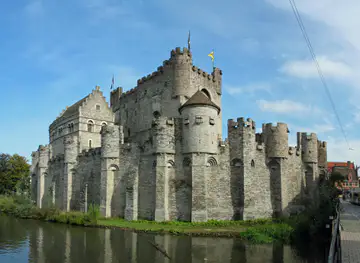
-

-
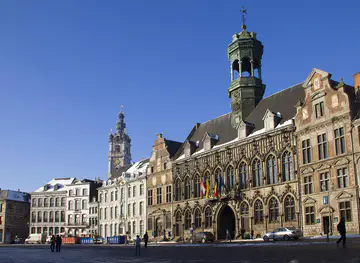
-
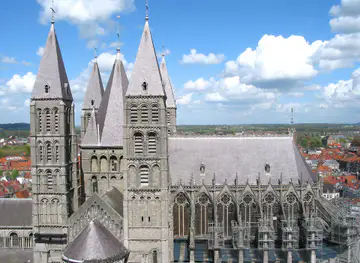
-
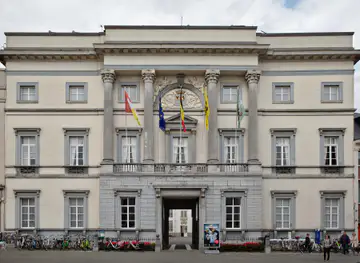


Swipe for more cities
Destinations in County of Hainaut
Resorts, valleys and scenic spots worth a trip of their own.
-

-
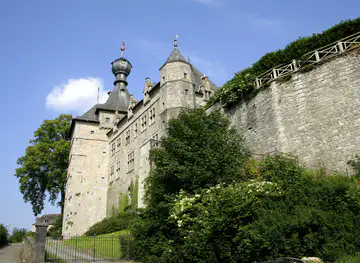


Swipe for more destinations
Best attractions in County of Hainaut
Hainaut’s attractions range from ancient archaeology and medieval city centres to museums occupying former mines, factories and canal works. At Spiennes, visitors can explore the story of Neolithic flint extraction, while Tournai offers historic streets and one of Belgium’s most important cathedrals. Mons combines museums, public art and heritage buildings, and the former Grand-Hornu industrial complex presents the social and architectural ambitions of nineteenth-century coal production. The Bois du Cazier at Marcinelle adds a powerful memorial dimension to the province’s mining history. Engineering is another major theme: the Canal du Centre’s historic boat lifts and the large lift at Strépy-Thieu demonstrate different generations of waterway technology. Families are drawn to Pairi Daiza near Brugelette, while Beloeil’s estate and gardens provide a more formal historic landscape. Outdoor visitors can follow canal towpaths, cycle through reclaimed industrial country, walk in the Pays des Collines or explore the wooded surroundings of the Eau d’Heure lakes. Smaller destinations such as Thuin and Chimay broaden the itinerary with riverside scenery, heritage buildings and local institutions.
-
Tourist attraction
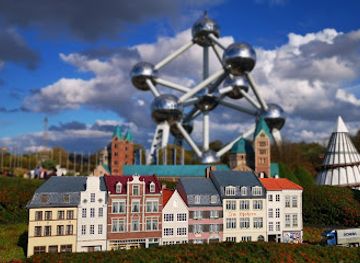
Atomium
Experience the Atomium, Brussels' iconic structure blending modern architecture, cultural exhibitions, and breathtaking city views in one unforgettable visit.
-
Tourist attraction
Belfry of Bruges
Explore the Belfry of Bruges, a UNESCO World Heritage site, and enjoy stunning views of the historic cityscape in the heart of Belgium.
-
Park
Bois de la Cambre
Explore the serene Bois de la Cambre in Brussels, a lush urban park perfect for relaxation, picnics, and enjoying nature's beauty.
-
Museum
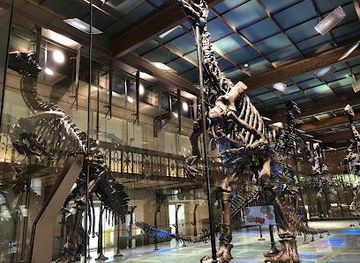
Royal Belgian institute of Natural Sciences
Discover the Royal Belgian Institute of Natural Sciences, Brussels' premier destination for an exciting journey into the world of nature and science.


Best landmarks in County of Hainaut
Hainaut’s most recognisable landmarks express the province’s mixture of medieval power, religious history and industrial engineering. The belfry of Mons rises above the historic city and symbolises its long civic importance, while Tournai Cathedral is distinguished by its Romanesque nave, transept towers and later Gothic choir. In Binche, fortified remnants and the medieval character of the town provide a setting for one of Belgium’s best-known carnival traditions. The Grand-Hornu complex near Mons is a landmark of planned nineteenth-century industrial architecture, and the Bois du Cazier at Marcinelle stands as both a mining monument and a memorial to the 1956 disaster. Along the Canal du Centre, the historic hydraulic boat lifts are remarkable surviving works of early twentieth-century engineering; nearby Strépy-Thieu represents their modern successor on a much larger scale. Beloeil Castle and its formal grounds add an aristocratic dimension, while the wooded hills and river valleys around Thuin and the southern part of the province provide natural landmarks shaped by water, agriculture and long-settled communities.
-
Plaza
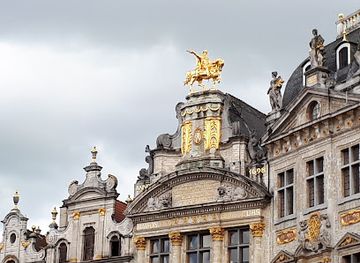
Grand Place
Experience the grandeur of Brussels at the Grand Place, a UNESCO World Heritage site with stunning architecture and a rich, captivating history.
-
Tourist attraction
Atomium
Discover the Atomium, Brussels' iconic landmark, where architecture meets culture, offering stunning views and immersive experiences in the heart of Belgium.
-
Fountain
Manneken Pis
Explore the whimsical charm of Manneken Pis, Brussels' iconic fountain that embodies the city's playful spirit and cultural heritage.
-
Castle
Gravensteen
Discover the rich history and stunning architecture of Gravensteen Castle in Ghent, a medieval gem and a must-see tourist attraction.


Explore County of Hainaut on the map
Plan your trip on one map. See where the top cities, national parks and sights are, and book hotels and experiences in a few clicks.
Best hotels in County of Hainaut
Best restaurants in County of Hainaut
Hainaut’s food scene reflects Walloon cooking, border exchange and the produce of a largely agricultural hinterland. Town restaurants and traditional cafés serve hearty dishes based on beef, pork, poultry, potatoes and seasonal vegetables, while breweries and village inns provide settings for regional beers and farmhouse cheeses. The province is particularly associated with beers from places such as Chimay and, in a wider Hainaut brewing tradition, saisons and other characterful ales; visitors should distinguish local production from brands sold throughout Belgium. Charcuterie, pâtisserie and market produce are useful choices in smaller towns, and Tournai, Mons, Charleroi and Ath offer the broadest range of contemporary restaurants, cafés and international cuisines. Around the countryside, menus may be less formal and opening days more limited, so checking arrangements is sensible. Food markets and specialist shops are good places to find cheeses, bread, chocolate and other Belgian products without assuming that every speciality originated in Hainaut.
-
Restaurant
Au Boeuf qui Rit RESTAURANT GRILLADE
Experience authentic Belgian barbecue at Au Boeuf qui Rit – where flavor meets tradition in every bite.
-
Moroccan
Fleurs d'oranger
Discover authentic Moroccan cuisine at Fleurs d'oranger in Mons—where every dish tells a story of flavor and tradition.
-
Barbecue
Rancho Grill
Experience the best of Belgian barbecue at Rancho Grill, where every bite is infused with flavor and passion.
-
Coffee shop
La Fleur en Papier Doré
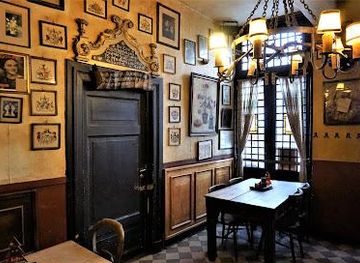
Brussels' surrealist estaminet: where Magritte's spirit lingers amid eclectic walls, serving timeless beers in a bohemian nook near the Sablon.


Best bars in County of Hainaut
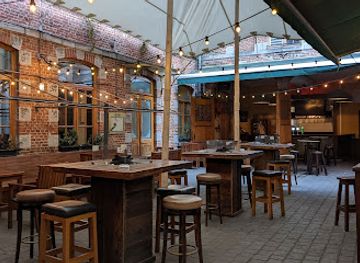
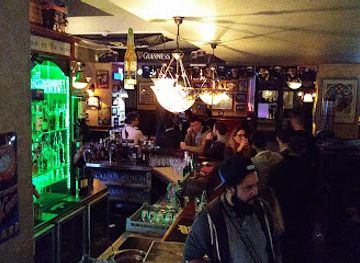
Evening life in Hainaut is concentrated in its larger towns rather than spread evenly across the province. Mons has the most established student-influenced café culture, with bars, beer venues and occasional live music around the historic centre, while Charleroi offers a broader urban selection including cultural venues, cocktail bars and late-night establishments. Tournai and Ath combine traditional cafés with restaurants, small music venues and seasonal events. In La Louvière and smaller towns, the evening rhythm is more likely to centre on local cafés, brasseries, breweries and community performances than on large clubs. Festival periods can bring temporary outdoor activity and crowded public spaces, particularly during the major folklore celebrations, but programming and opening arrangements vary. Rural Hainaut is best suited to a leisurely meal or a drink at a village establishment, with transport planned in advance rather than assumed after late-night closing.
-
Cafe
Citizen Fox
Experience the charm of Citizen Fox in Mons, a cozy café and bar known for traditional pub food and an extensive gin selection.
-
Irish pub
O'pub - Mons
Discover the warmth of O'pub in Mons, a charming Irish pub offering delicious food and drinks in a lively atmosphere, perfect for tourists and locals alike.
-
Bar
La vie est Belge
Discover authentic Belgian flavors and vibrant atmosphere at La vie est Belge, a top bar in Mons, perfect for tourists seeking local experiences.
-
Cocktail bar
Tam-Tam Mons
Experience the vibrant nightlife of Mons at Tam-Tam, a cocktail bar known for its creative drinks and stylish atmosphere.


Best nightclubs in County of Hainaut
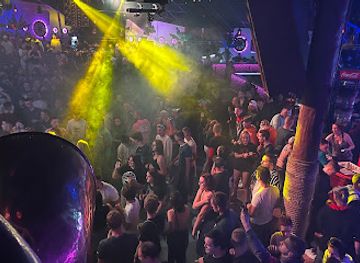
Evening life in Hainaut is concentrated in its larger towns rather than spread evenly across the province. Mons has the most established student-influenced café culture, with bars, beer venues and occasional live music around the historic centre, while Charleroi offers a broader urban selection including cultural venues, cocktail bars and late-night establishments. Tournai and Ath combine traditional cafés with restaurants, small music venues and seasonal events. In La Louvière and smaller towns, the evening rhythm is more likely to centre on local cafés, brasseries, breweries and community performances than on large clubs. Festival periods can bring temporary outdoor activity and crowded public spaces, particularly during the major folklore celebrations, but programming and opening arrangements vary. Rural Hainaut is best suited to a leisurely meal or a drink at a village establishment, with transport planned in advance rather than assumed after late-night closing.
-
Night club
Cap'tain
Experience the vibrant nightlife at Cap'tain, Rumes' premier night club, offering diverse music, energetic ambiance, and unforgettable evenings.
-
Disco club
Meta Club - Tournai
Dive into the vibrant nightlife at Meta Club, Tournai's premier disco club, filled with energy, music, and great drinks.
-
Disco club
Dancing '' Les Arcades'
Immerse yourself in Tournai's vibrant nightlife at Dancing 'Les Arcades', the ultimate spot for dancing, karaoke, and unforgettable memories.
-
Disco club
El Pogona
Experience the pulsating nightlife of Charleroi at El Pogona, where disco meets café culture for an unforgettable evening.


Best shops in County of Hainaut
Shopping in Hainaut is primarily local and town-based rather than centred on luxury retail. Tournai, Mons, Charleroi, Ath and La Louvière have the largest concentrations of high-street shops, department stores, cafés and independent retailers, while smaller market towns offer a slower selection of bakeries, delicatessens, antiques and everyday goods. Weekly markets are useful for seasonal produce, cheese, bread and flowers, although days and locations vary by municipality. Specialist food shops provide Belgian chocolate, biscuits, beers, cheeses and charcuterie, with Chimay products particularly associated with the southern part of the province. Craft outlets and galleries appear in historic towns and rural districts, where ceramics, artwork, books and locally made gifts are more characteristic than branded souvenirs. Festival towns may sell folklore-related items and confectionery during major celebrations. Visitors buying beer or food should remember that products carrying a Hainaut place-name may be made elsewhere in Belgium, so labels are worth checking when provenance matters.
-
Shopping mall
Les Grands Prés
Experience the vibrant shopping scene at Les Grands Prés in Mons, Belgium - a hub of retail, dining, and entertainment.
-
Shopping mall
Rive Gauche
Experience the vibrant shopping scene at Rive Gauche in Charleroi, where fashion, food, and fun come together.
-
Shopping mall
Shopping Nivelles
Explore Shopping Nivelles, Belgium's vibrant shopping mall offering an array of retail, dining, and entertainment experiences for every traveler.
-
Shopping mall
Shopping les Bastions
Explore the vibrant Shopping Les Bastions in Tournai for a unique shopping experience filled with diverse stores, dining, and entertainment.

Get your free copy of our complete guide to County of Hainaut, delivered straight to you.
Everything on this page, from attractions and restaurants to essentials and local phrases, in one PDF you can read offline, print or share.
Already have an account? Sign in
Your County of Hainaut guide is ready.
We'll send it to · Not you? Sign out

Getting your guide ready…
We are putting together a fresh copy of the County of Hainaut guide. This can take up to a minute.
This can take a few moments. If your browser asks, choose Allow so the download can start. You'll find the guide in your Downloads folder.
Nothing happened? Download it again
Sorry, the guide is taking longer than usual. Please try again in a minute, or get it by email instead.
County of Hainaut essentials
Currency and Payment
Safety
Emergency Situations
Do's and Don'ts
Local Tips
From Eve
Local phrases worth knowing
You don't need to get them perfect. A few words go a long way, and locals appreciate the effort.
Basics
| English | Local | Say it |
|---|---|---|
| Hello | Salut | [sah-loo] |
| Goodbye | Au revoir | [oh ruh-vwahr] |
| Yes | Oui | [wee] |
| No | Non | [noh] |
| Please/You're welcome | S'il vous plaît | [seel voo pleh] |
| Thank you | Merci | [mehr-see] |
| Excuse me/Sorry | Excusez-moi | [ex-kew-zay mwah] |
| How are you? | Comment ça va? | [koh-mohn sah vah] |
| Fine. And you? | Bien. Et vous? | [byehn. eh voo?] |
| Do you speak English? | Parlez-vous anglais? | [par-lay voo ahn-glay?] |
| I don't understand | Je ne comprends pas | [zhuh nuh kohm-prahn pah] |
Eating & Drinking
| English | Local | Say it |
|---|---|---|
| I'd like to see the menu, please | Je voudrais voir le menu, s'il vous plaît | [zhuh voo-dray vwar luh meh-nu, seel voo pleh] |
| I don't eat meat | Je ne mange pas de viande | [zhuh nuh mahnzh pah duh vyahnd] |
| Cheers! | Santé! | [sahn-tay] |
| I would like to pay, please | Je voudrais payer, s'il vous plaît | [zhuh voo-dray pay-ay, seel voo pleh] |
Emergencies
| English | Local | Say it |
|---|---|---|
| Help! | À l'aide! | [ah led] |
| Go away! | Allez-vous-en! | [ah-lay voo zahn] |
| Call the Police! | Appelez la police! | [ah-peh-lay lah poh-lees] |
| Call a doctor! | Appelez un docteur! | [ah-peh-lay uhn dok-teur] |
| I'm lost | Je suis perdu | [zhuh swee pair-due] |
| I'm ill | Je suis malade | [zhuh swee mah-lahd] |
Shopping
| English | Local | Say it |
|---|---|---|
| I'd like to buy... | Je voudrais acheter... | [zhuh voo-dray ah-she-tay...] |
| I'm just looking | Je regarde juste | [zhuh ruh-gard zhoost] |
| How much is it? | C'est combien? | [say kohm-byen?] |
| That's too expensive | C'est trop cher | [say troh shair] |
| Can you lower the price? | Pouvez-vous baisser le prix? | [poo-vay voo beh-say luh pree?] |
Time & Numbers
| English | Local | Say it |
|---|---|---|
| What time is it? | Quelle heure est-il? | [kel uhr eh-teel?] |
| It's one o'clock | Il est une heure | [eel eh ewn uhr] |
| Half past (10) | Dix heures et demie | [deez uhr eh duh-mee] |
| Morning | Matin | [mah-tan] |
| Afternoon | Après-midi | [ah-pray mee-dee] |
| Evening | Soir | [swahr] |
| Yesterday | Hier | [ee-air] |
| Today | Aujourd'hui | [oh-zhoor-dwee] |
| Tomorrow | Demain | [duh-manh] |
| 1 | Un | [uhn] |
| 2 | Deux | [duh] |
| 3 | Trois | [trwah] |
| 4 | Quatre | [katr] |
| 5 | Cinq | [sank] |
| 6 | Six | [sees] |
| 7 | Sept | [set] |
| 8 | Huit | [weet] |
| 9 | Neuf | [nurf] |
| 10 | Dix | [deez] |
Transport & Directions
| English | Local | Say it |
|---|---|---|
| Where's a/the...? | Où est un/le...? | [oo eh uhn/luh...?] |
| What's the address? | Quelle est l'adresse? | [kel eh la-dress?] |
| Can you show me (on the map)? | Pouvez-vous me montrer (sur la carte)? | [poo-vay voo muh mon-tray (sur lah kart)?] |
| When's the next (bus)? | Quand est le prochain (bus)? | [kahn eh luh pro-shen (boos)?] |
| A ticket (to ....) | Un billet (pour....) | [uhn bee-yay (poor....)] |
History of County of Hainaut
Prehistoric Flint Mining at Spiennes
The Neolithic flint mines at Spiennes, near Mons, were worked from around the fifth millennium BCE and rank among Europe’s most important prehistoric mining sites. Communities dug deep shafts and galleries to extract high-quality flint, which was fashioned into tools and exchanged over considerable distances. The archaeological landscape preserves evidence of early engineering, specialised labour and long-distance networks. The site’s visitor centre and protected remains provide an unusual introduction to Hainaut’s history, long before the region acquired its medieval counties, towns and industrial identity.
Roman Turnacum and the Scheldt Frontier
Roman influence reached Hainaut through settlements and roads linking the region to wider imperial networks. Tournai, known in Roman times as Turnacum, developed on the Scheldt and later became an important religious and political centre. Roman routes helped connect the agricultural settlements of the area with northern Gaul, while the river supported movement and trade. Although much of the visible medieval city post-dates Roman rule, the continuity of settlement at Tournai illustrates the enduring importance of the Scheldt corridor.
The Medieval County of Hainaut
During the Middle Ages, Hainaut emerged as a county whose rulers governed a strategically situated territory between the Scheldt basin and the lands to the east. Mons became its principal political centre, while Tournai, Ath and other fortified towns developed regional commercial and administrative roles. Noble families, religious institutions and urban guilds shaped the countryside and built churches, defensive works and market infrastructures. Through dynastic marriages, the county became connected to larger political formations in the Low Countries, Burgundy and France.
Towns, Guilds and Religious Foundations
From the later Middle Ages into the early modern period, Hainaut’s towns prospered through textile production, agriculture, river trade and regional markets. Tournai’s cathedral and civic buildings express the wealth and religious importance of one of the area’s foremost cities, while abbeys and collegiate churches influenced surrounding communities. Processions, guild traditions and urban festivals developed during these centuries; some later evolved into the giants’ celebrations and carnivals for which towns such as Ath and Binche remain known.
Coal, Iron and the Industrial Revolution
From the eighteenth century, and especially during the nineteenth, coal mining and metalworking transformed southern Hainaut. The Borinage around Mons, the industrial basin near La Louvière and the Charleroi area attracted workers, investment and new transport infrastructure. Canals and railways connected collieries, furnaces and factories with Belgian and international markets. The wealth generated by industry produced imposing civic and industrial architecture, but the work was dangerous and communities experienced difficult living conditions. Sites such as the Bois du Cazier and Grand-Hornu preserve this complex legacy.
Canals and Hydraulic Engineering
Hainaut’s industrial growth depended on reliable movement of heavy materials. The Canal du Centre, opened in stages in the early twentieth century, used four historic hydraulic boat lifts to overcome a major change in elevation between the inland waterways. Their engineering significance, together with the later Strépy-Thieu lift, reflects Belgium’s long investment in canal infrastructure. The lifts also reveal how industrial landscapes were adapted as transport technology changed, leaving engineering monuments that remain central to the province’s heritage.
War, Reconstruction and Industrial Transition
Hainaut was affected by both world wars through occupation, military movement, damage and the pressures placed on its industrial economy. After 1945, coal and heavy industry initially remained major employers, with migration adding to the social and cultural life of industrial towns. From the later twentieth century, mine closures and industrial restructuring brought unemployment and urban challenges, but also encouraged heritage conservation, environmental renewal and cultural redevelopment. Former industrial sites now serve as museums, memorials and educational venues, linking present-day visitors with the province’s working past.
County of Hainaut in Photos
Browse through our photo collection highlighting the charm and character of the destination.
Neighbouring regions of County of Hainaut
The closest regions to County of Hainaut, if you have time for more than one.
-
-

-

-
-


Swipe for more regions
Explore more

Explore more of Belgium
Discover Belgium: A blend of medieval charm, culinary delights, and stunning landscapes. Explore historic cities, savor exquisite chocolates, and enjoy a perfect getaway.
Explore Belgium